Brown Spots on Hydrangea Leaves

wilted hydrangea leaves
What's Wrong?

I have not grown my own hydrangeas, but I did help care for the shrub in the front yard at my rental home. The landlady did not have a green thumb, and since the plant was not really mine, I generally just made sure it got enough water so I could photograph the blooms in summer and fall.

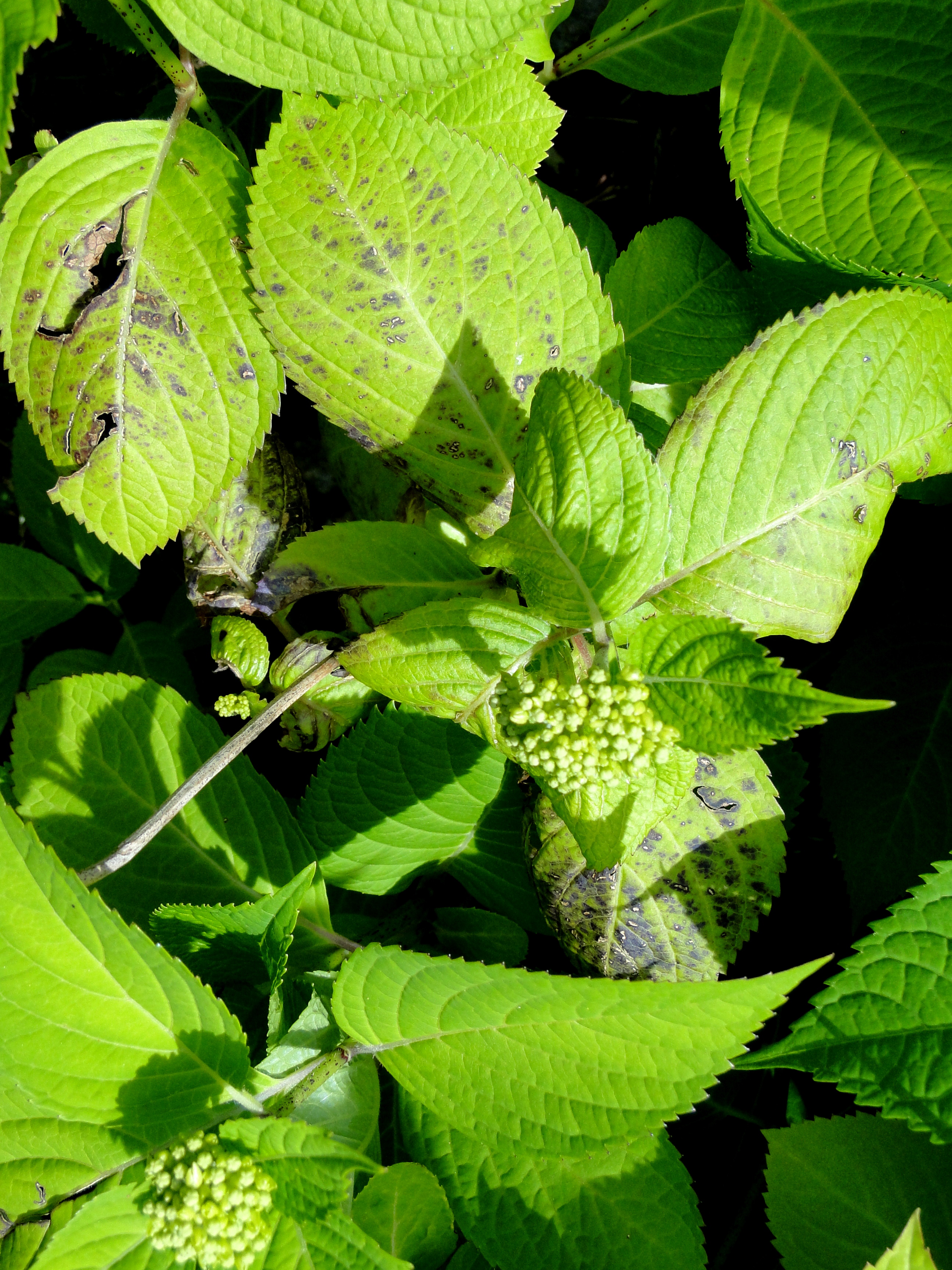
My last year living there, I noticed that part of the plant was not as green as the rest and some of the leaves were getting brown (see photo).

I no longer live there, but I’d like to know what this is for when I do grown my own hydrangeas.

Certain types of hydrangea shrubs can get diseases and have problems with powdery mildew, and mineral deficiencies. They can be affected by mites, aphids and Japanese beetles.

In fact the yard was full of grubs which turn into Japanese beetles and although I did seem some beetles on this plant, they didn’t seem to be doing much damage.

So why are the leaves turning brown? And only on a portion of the plant? Could it be Cercospora leafspot or some other similar fungus? Continue reading “Brown Spots on Hydrangea Leaves”

All About the Pinky Winky

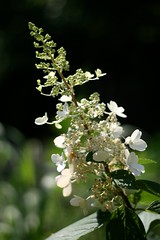
Hydrangea 'Pinky Winky' The Pinky Winky hydrangea is not one you will easily forget. The flowers are pretty shades of pink and white and the shrub itself can be eight feet tall. Plant this one someplace where it has room to branch out. It is a paniculata and is a sister of sorts to the “Limelight” hydrangea which also has cone shaped flowers, but they turn a light green.

Paniculatas are hardy and the flowers form on new wood – or new stems, and that means the pruning – if needed – should be done in late winter or very early Spring before the new buds set. This shrub will bloom in summer and into Fall, like many hydrangea varieties.

As you can see from the photo I’ve added (not mine), the blooms start off mostly white and fill out along the tall spire, shaped like a Christmas tree.  Later the flowers will change color to pink.  See a good picture of them at the Proven Winners site.

Remember to plant this one in either sun or partial shade, but the ground should be moist and cool.  That is what most hydrangeas seem to like.

I look forward to growing my own this year, and then I’ll add my own photos.

Propagating Hydangrangeas Could Be Easier Than You Think

blue flowers
Create another shrub easily.

Most people think of starting a new hydrangea plant from a cutting, but I am talking about propagating by root or ground layering here – and it’s especially easy if it’s been done for you by mother nature.

My new yard has no hydrangeas, except for the tiny ones I planted this fall. But the duplex I rented for three years had a large, beautiful bush right outside my front window.

As I was weeding around it one spring I found a low hanging branch that had rooted itself into the dirt. I dug it up (with permission from the landlady) and replanted it near the front steps.

The following year she had another little hydrangea shrub to decorate her yard – for free! All it took was digging and watering.  It’s an easy, and super cheap, way to increase the beauty of your landscape.  And you’ll know exactly what you are getting!

Read the full story with photos by clicking here.  And check those low lying branches this Spring – it’s coming.

The Green Flowers of the Limelight Hydrangea

Hydrangea paniculata
Image via Wikipedia

The Limelight hydrangea (paniculata) is popular for it’s size and stunning, large white flowers that become light green.  The shrub will grow to be very large (8-9 feet tall and can be pruned into a tree) and the blooms last from mid-summer through Fall when the flowers may change color becoming pinkish.

The best thing about hydrangeas, besides their huge flowers, color variety (as if that wasn’t enough!) is their long lasting blooms.  Does any other flower last as long?  I can’t think of one.  And then in fall, the flowers can be dried to last all winter.  Show me something better!

I don’t know much about the limelight hydrangea, so I am finding out.

  • It is hardy in zones 3-8
  • Very hardy and can withstand drought conditions once established
  • Flower color can’t be changed by soil amendments
  • Flowers are held upright on the end of stems (no dragging on the ground)
  • Flowers bloom on new wood
  • Likes sun or part shade

See some photos and read more at this site.

Perennial Flowers That Like Shade

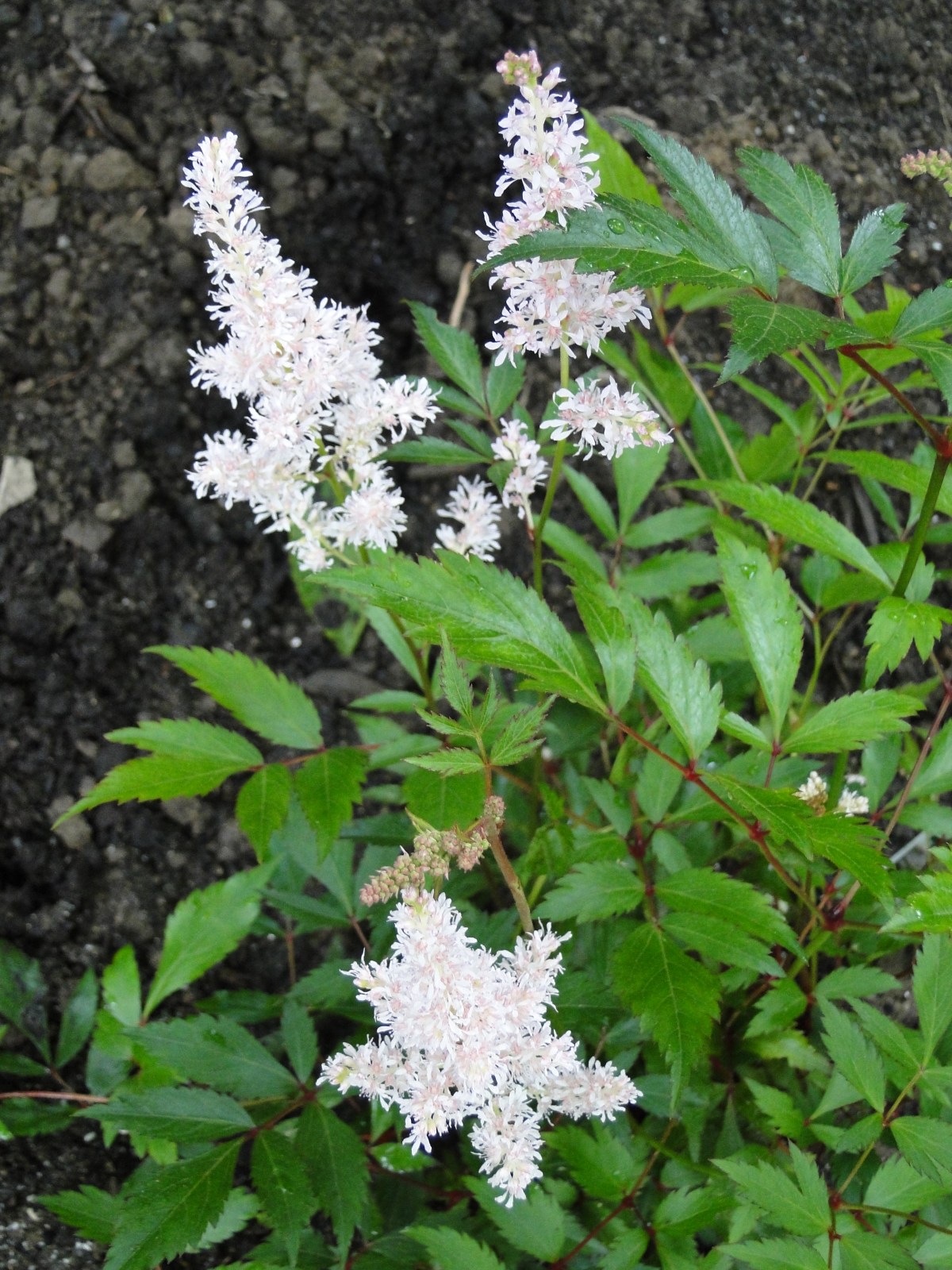
Astilbe koblenz
Image via Wikipedia – Astilbe koblenz

I’d like to write about tall perennials that like shade, but I haven’t come across any. 

The best flower for shade is the astilbe (shown).  It has pretty leaves and shoots up tall, colorful and feathery-looking flowers.  It is available in many colors and I especially love the white.  But the flowers are tall and not necessarily the actual plant.

Other Shade-loving Perennials

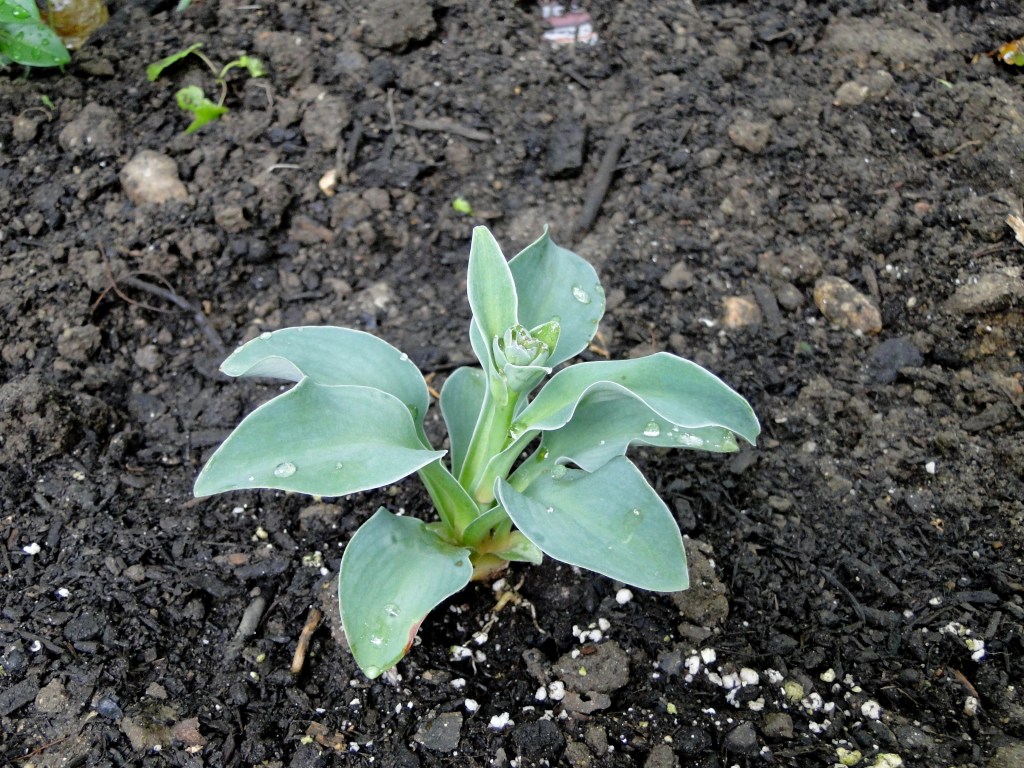
Hostas are also well known as shade loving plants, but they grow close to the ground with tall shoots that hold their tiny flowers. This is a little “mouse ear” Hosta I planted.

mouse ear hosta plant
Mouse Ear Hosta

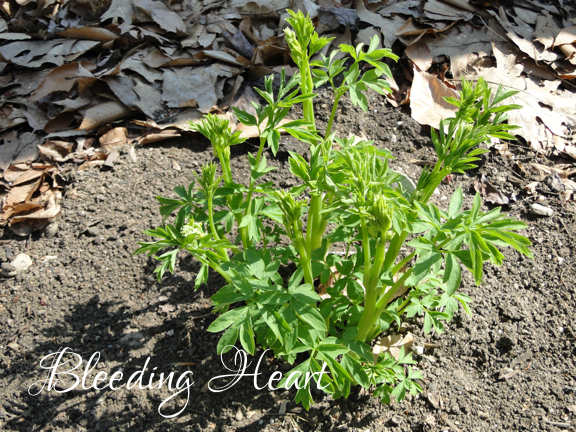
Another favorite for the shade is the bleeding heart.

Bleeding heart plant

Of course many hydrangeas can do well in partly shaded locations and I plan to try some in my front yard (New Hampshire).  The truth is that most flowering plants need a lot of sun to look good, but arranging the plants I have mentioned here in a grouping beneath trees, or in any shaded area, can be beautiful as well.

Planning a Garden Landscape That Includes Hydrangeas

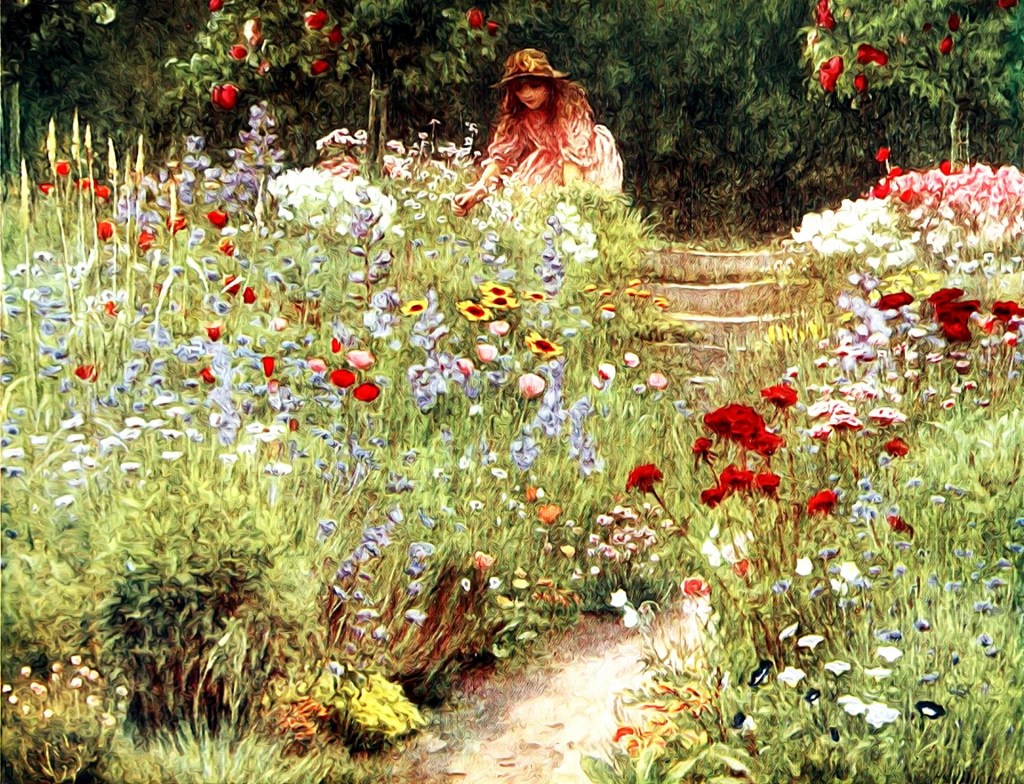
Most people love to see a variety of color in a flower garden.  Along with the mix of sizes and shapes of shrubbery, getting colors to pop and draw the eye to a visual treat is most important.

This is not easy to do and you must know a bit about every type of flower being grown. Flower garden landscape design is very interesting.

(All photos on this page are courtesy of Pixabay.)

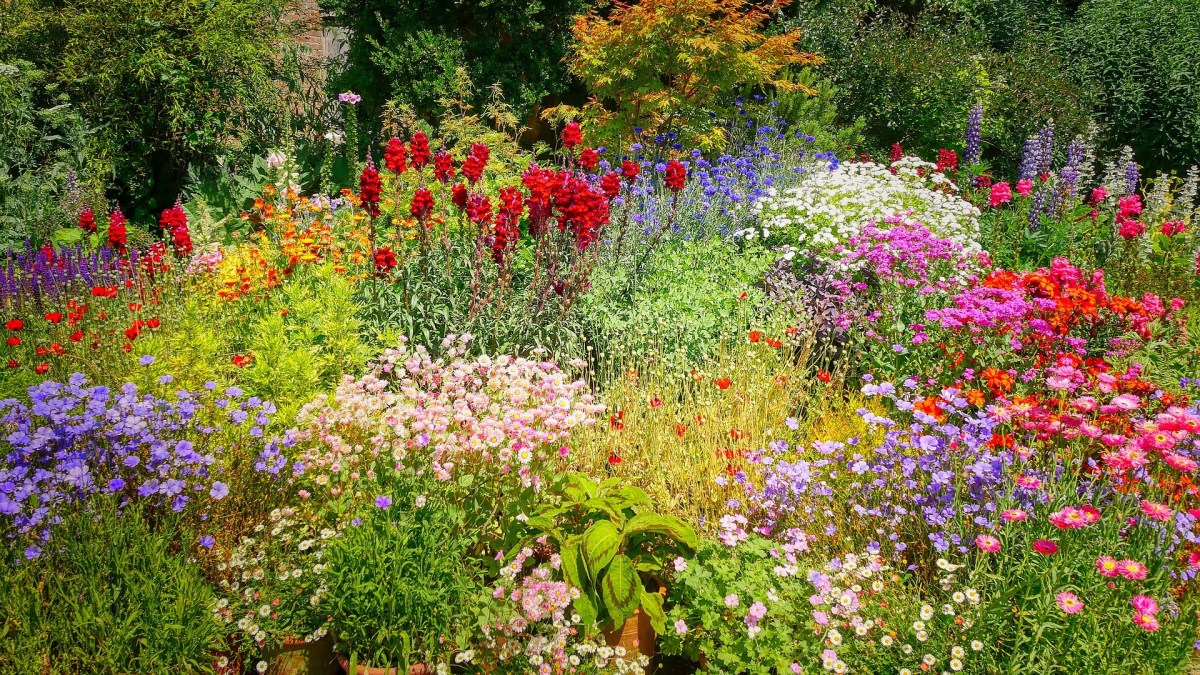
Cottage garden landscape with blooming flowers of all colors and sizes

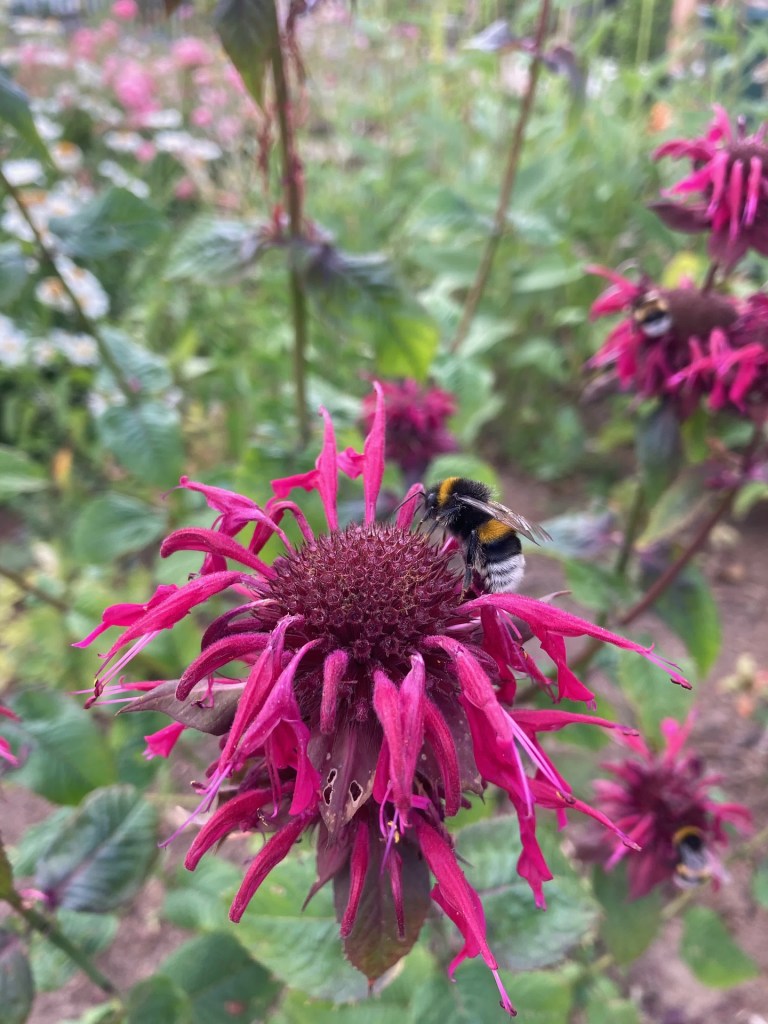
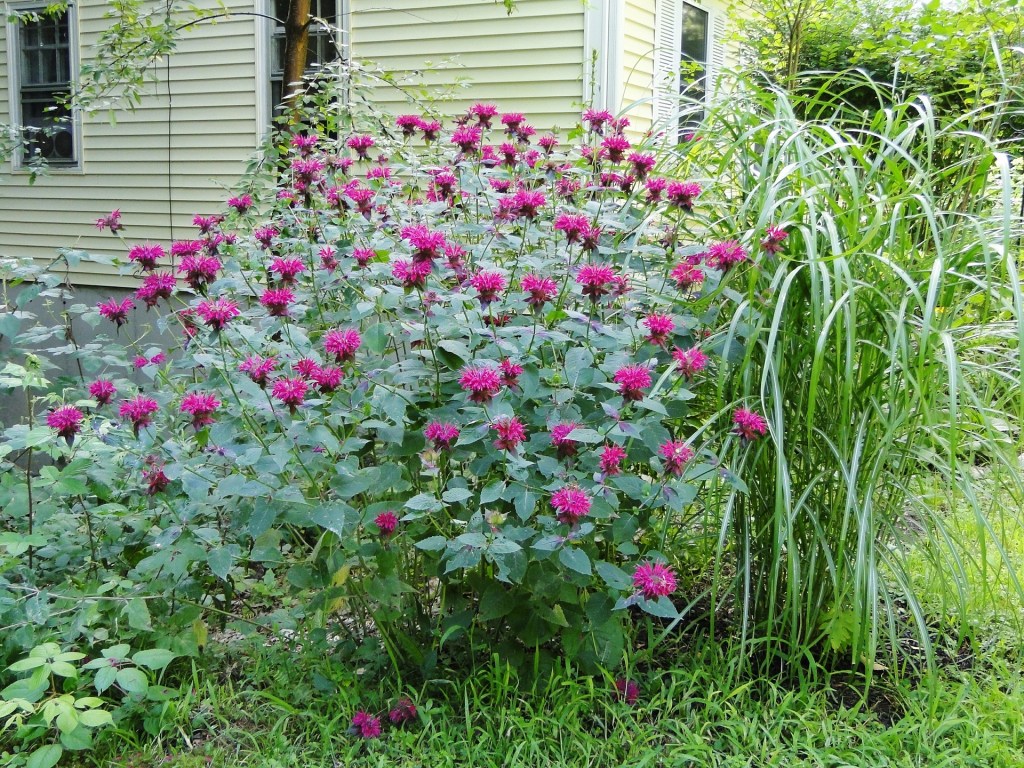
Monarda, or Bee Balm, plants have tall, brightly colored flowers that attract bees.

monarda bee balm flower bright pink red

Hydrangeas can stand alone and be wonderful, but imagine them as the focal point in a diverse garden setting. 

When planting a tiered garden, with taller shrubs in the back, let hydrangeas be the mid-level plant (buy a type that doesn’t get super tall), with short annuals or perennials in front. 

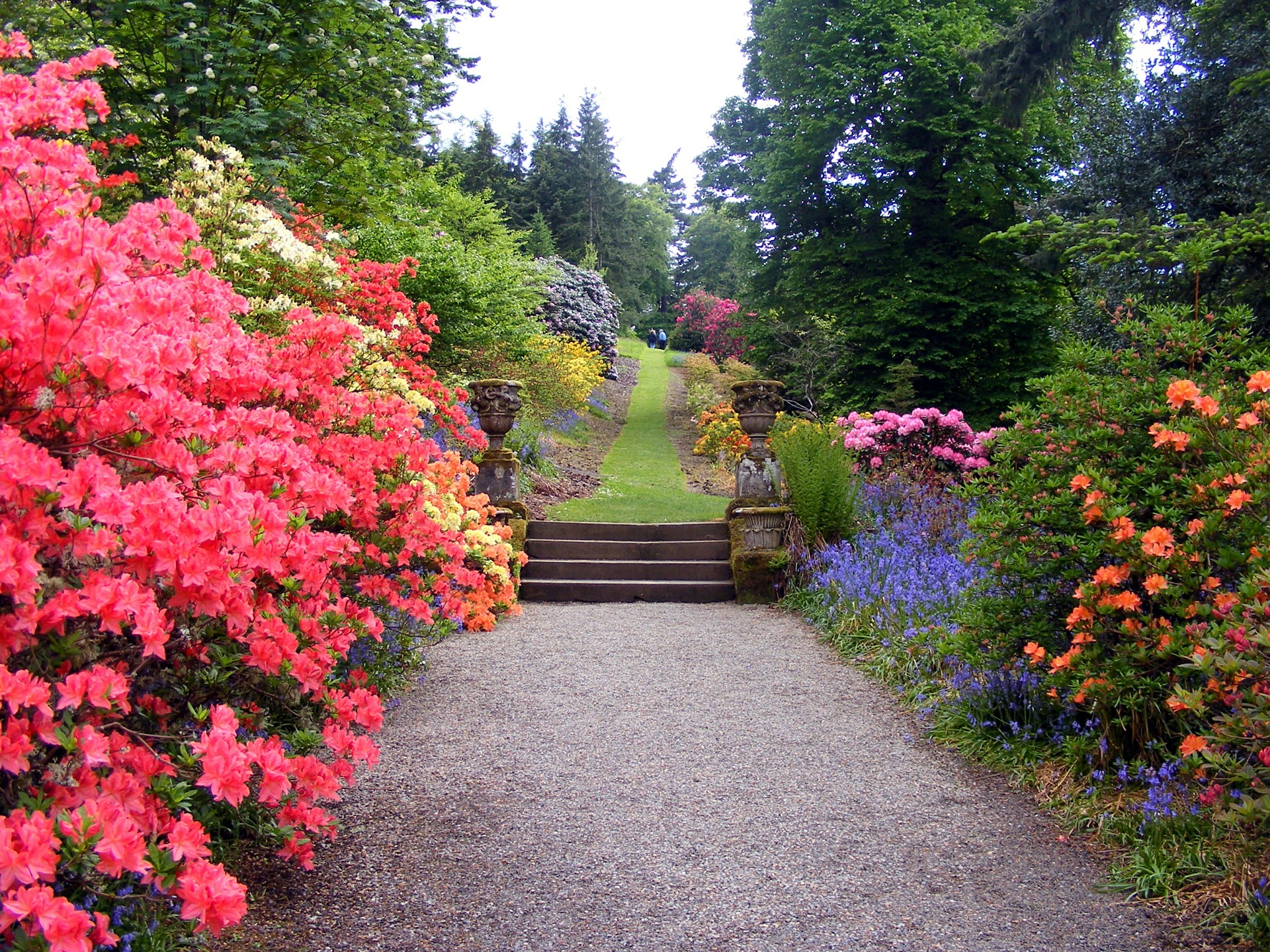
garden path flowering landscape shrubs
Beautiful garden path

A word of caution about Monarda – it spreads, so if you don’t want it growing all over, plant it in a big pot to keep the roots contained.

tall flowering monarda bush with bright pink flowers
This Monarda was growing in my yard in New England

I also like the idea of adding interesting grasses beneath the hydrangea, but be careful you don’t disturb the roots and remember that the more you plant the more water the plants will drink.

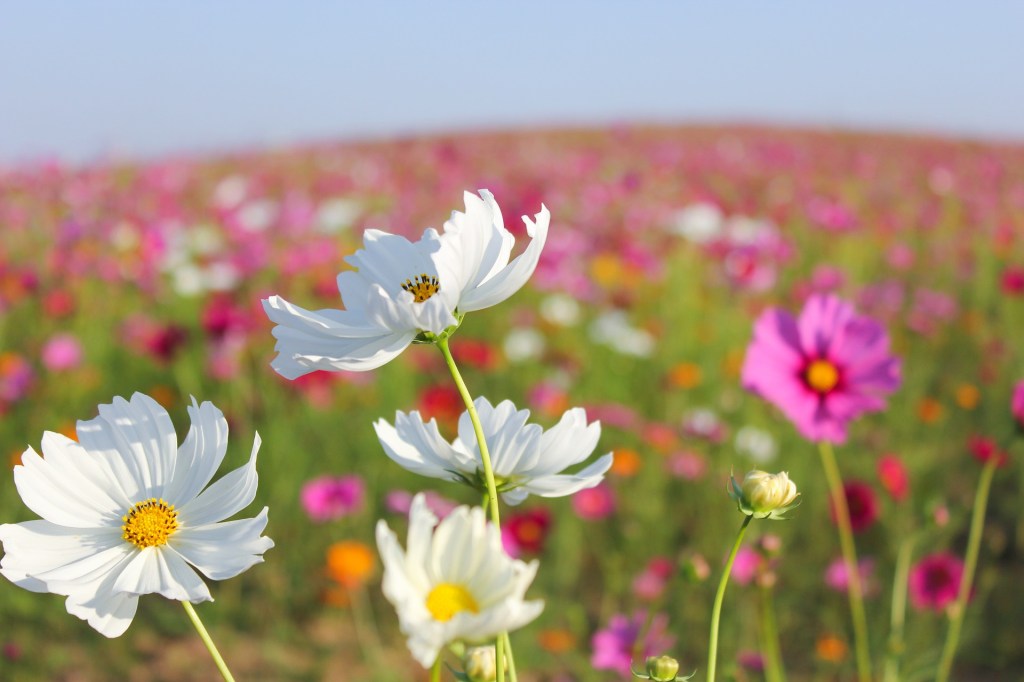
Cosmos

Dainty, waving cosmos flowers are a wonderful addition to any garden. Their pink and white colors would offset a blue hydrangea nicely.

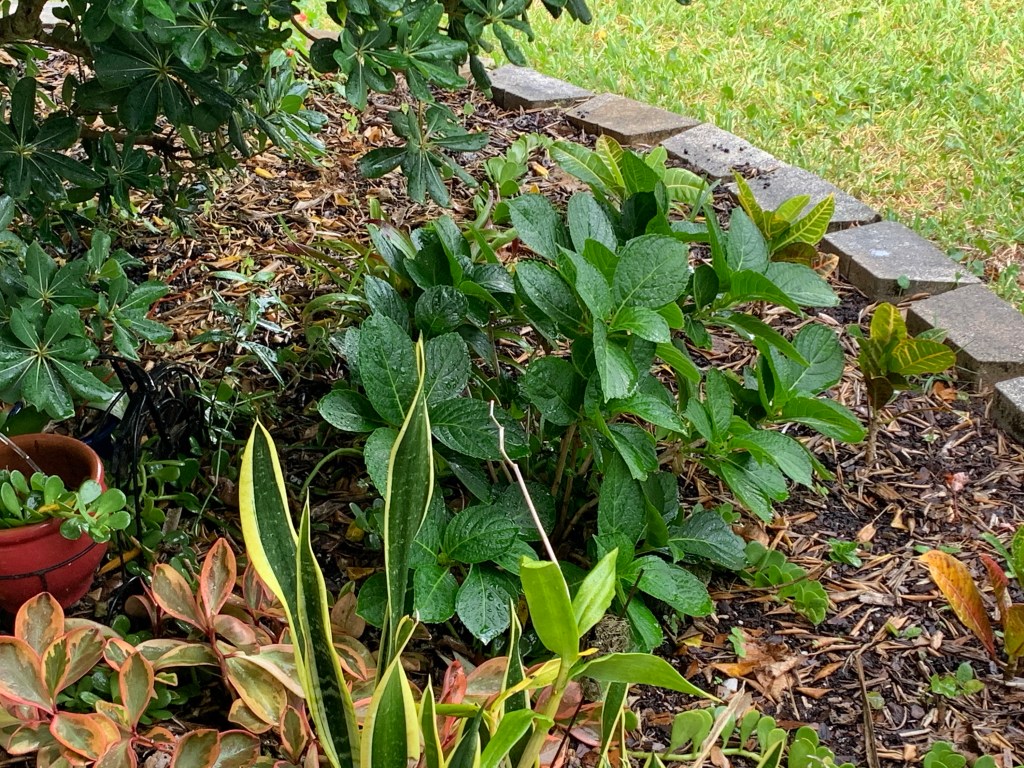
It will depend on where you live as to what you can plant. I now live in Florida so my one hydrangea plant grows beneath a large shrub near other tropical plantings.

Florida hydrangea garden perennial Spring
Hydrangea growing in my Florida yard