One Summer Morning

July is nearing an end and the garden is teeming with living things.

July is nearly over. Hard to believe, but I’m glad. It’s not a fun month here in Central Florida. Not that what’s coming is any better. The Hurricane months are the worst. Soon we’ll be watching those storms that build off the African coast and wonder where they will go.

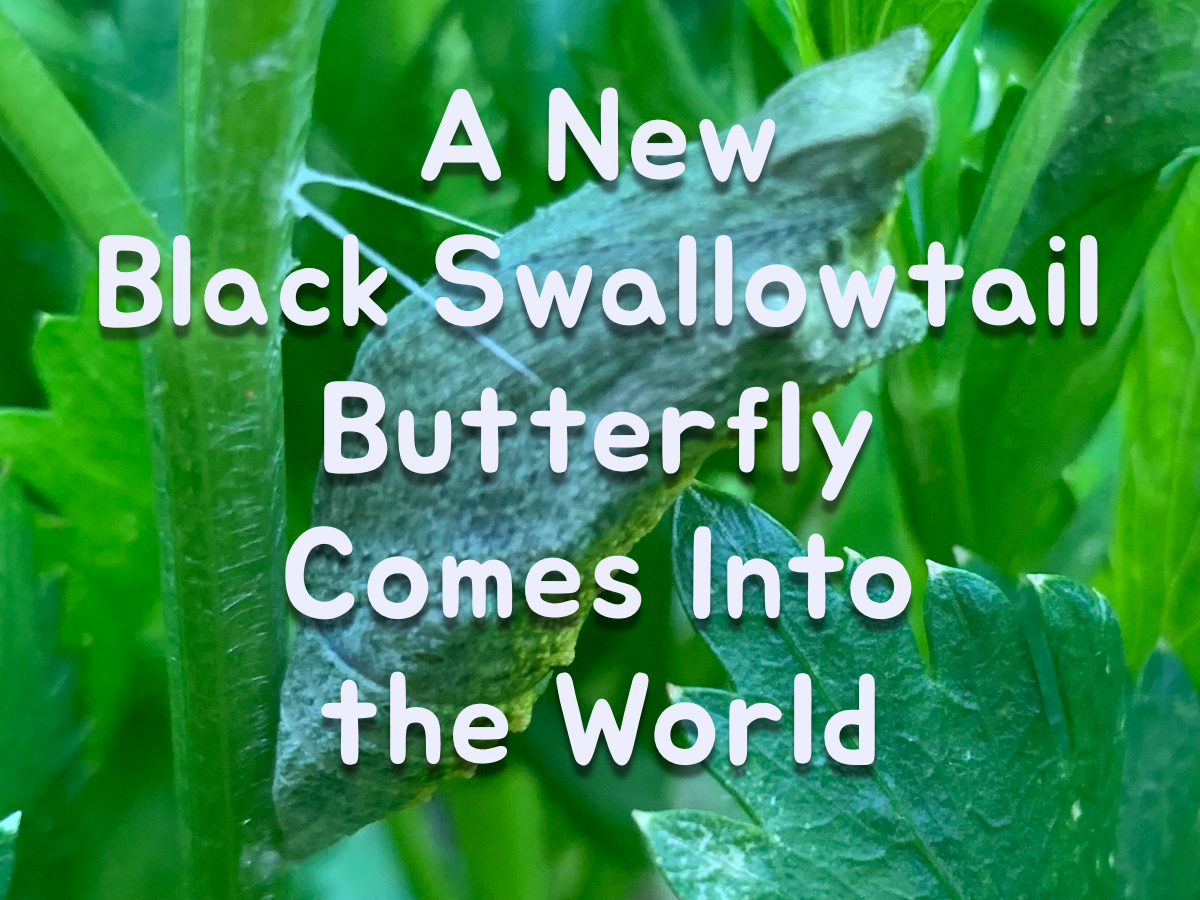
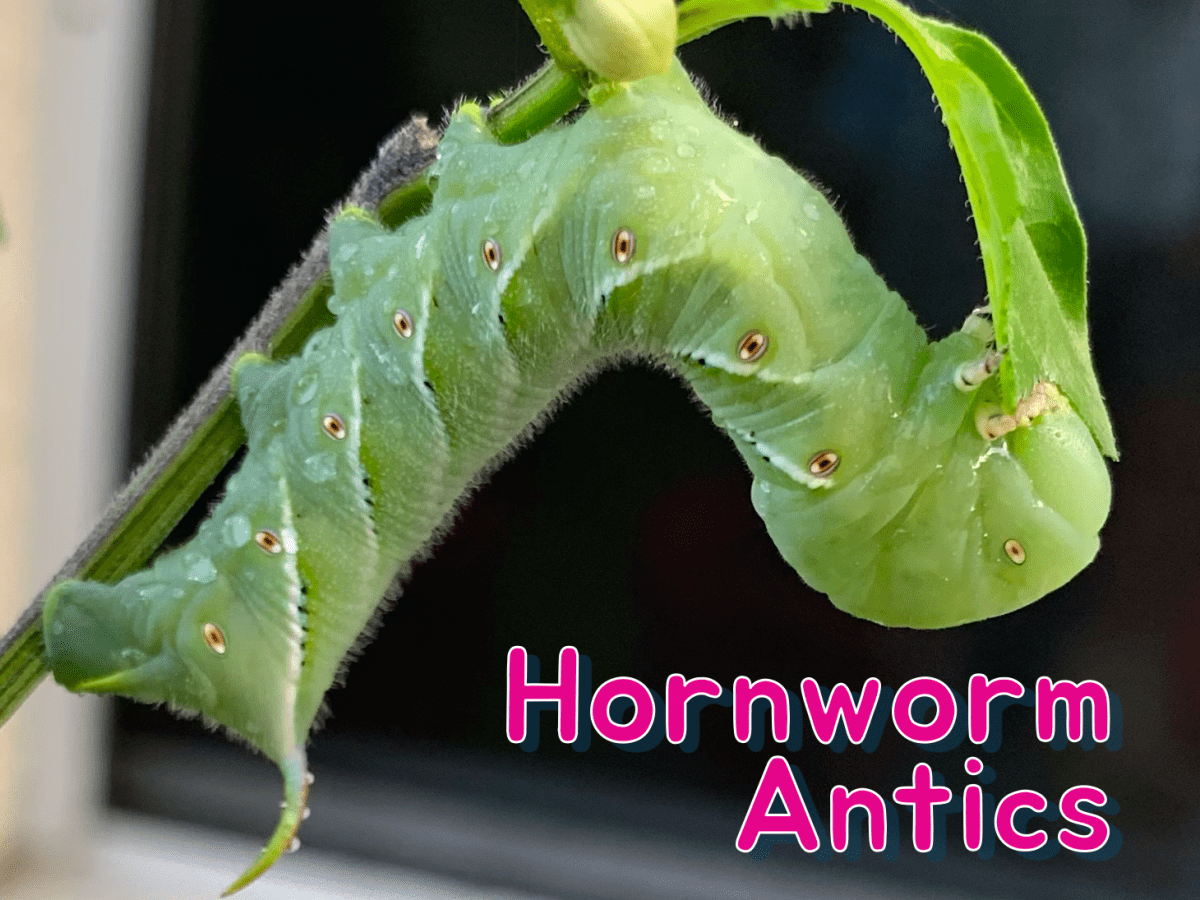
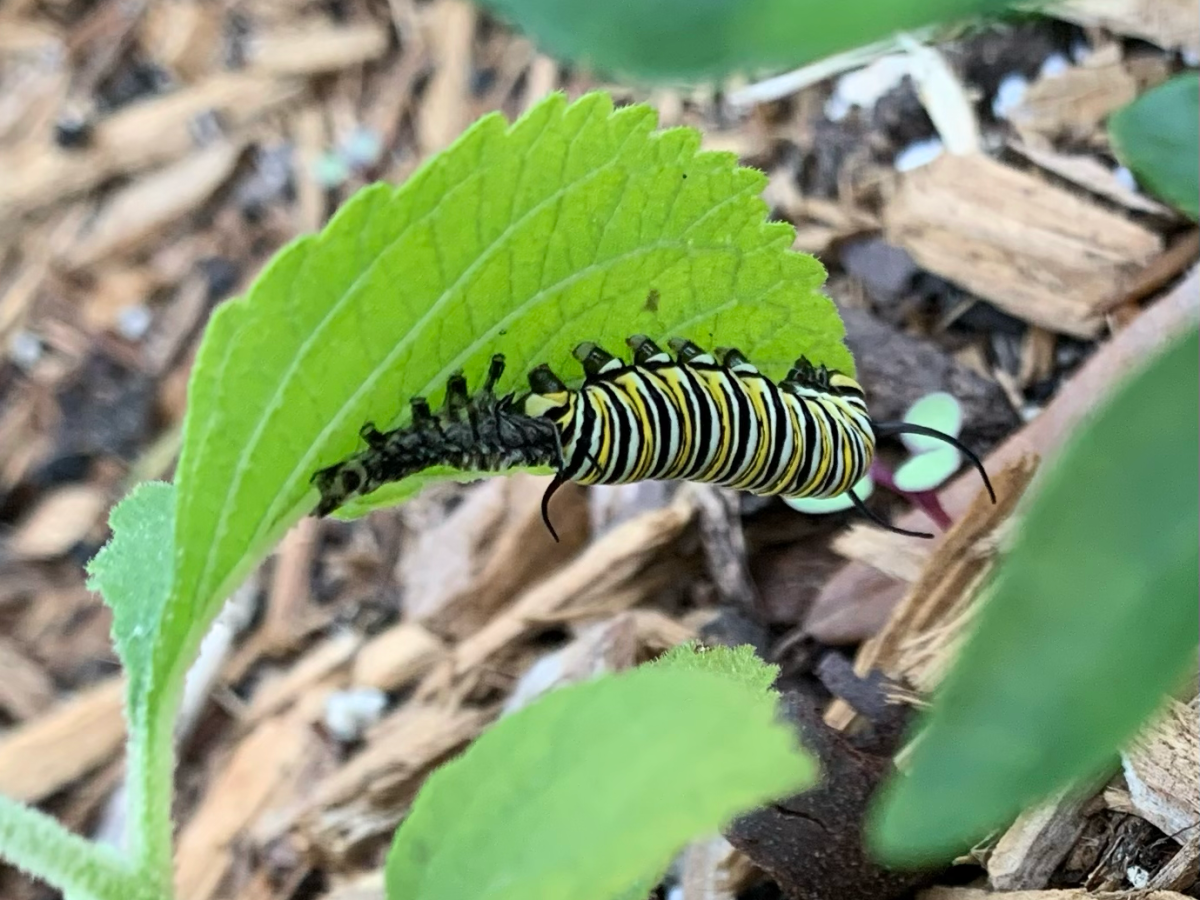
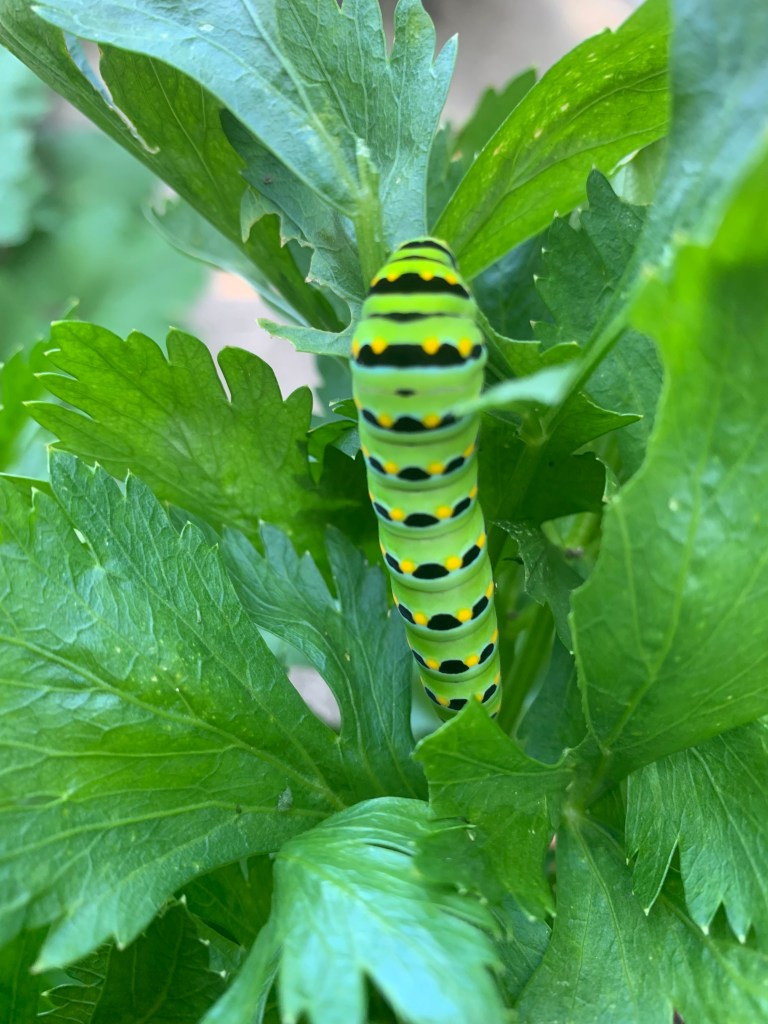
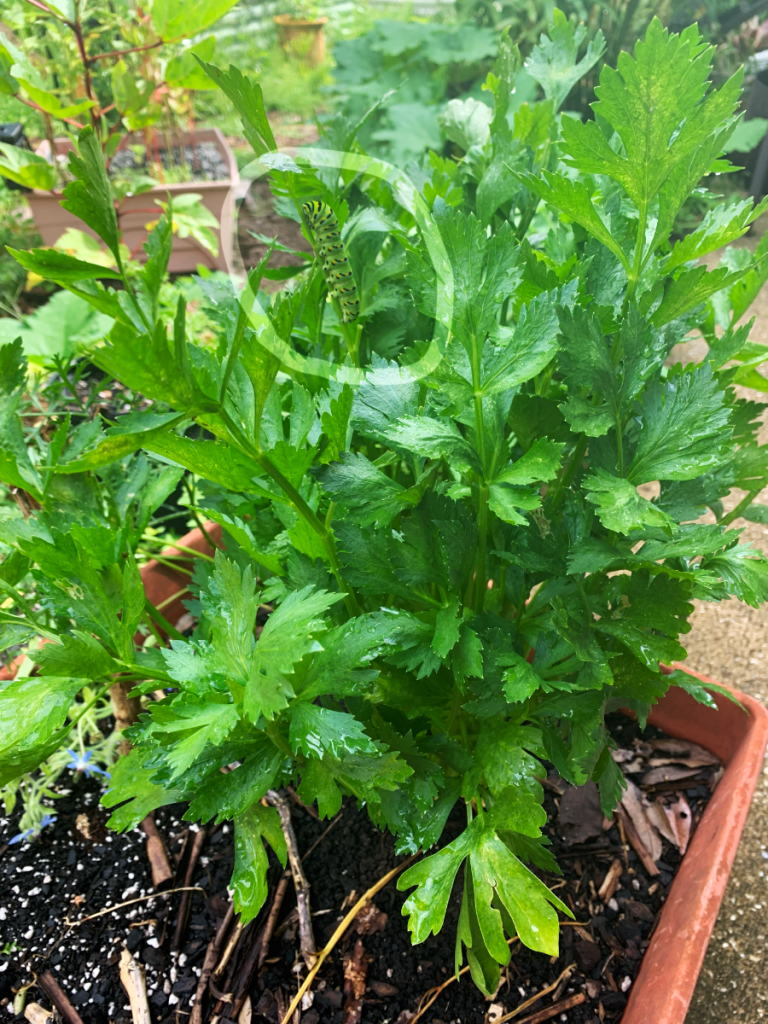
But, that fun is for the future. Today I discovered a big Swallowtail caterpillar on my celery plant! Swallowtails need dill, fennel, parsley and apparently celery for their caterpillars. The dill was gone back in May, and I can’t seem to grow parsley – especially not in summer. I have some fennel out front, and checked for caterpillars, and found none. I didn’t realize my celery would attract swallowtails.

This big guy was just there! I had not seen him while he chewed and grew, down in the center of the stalks. All day I went outside to check on him. I’m certain he will disappear.

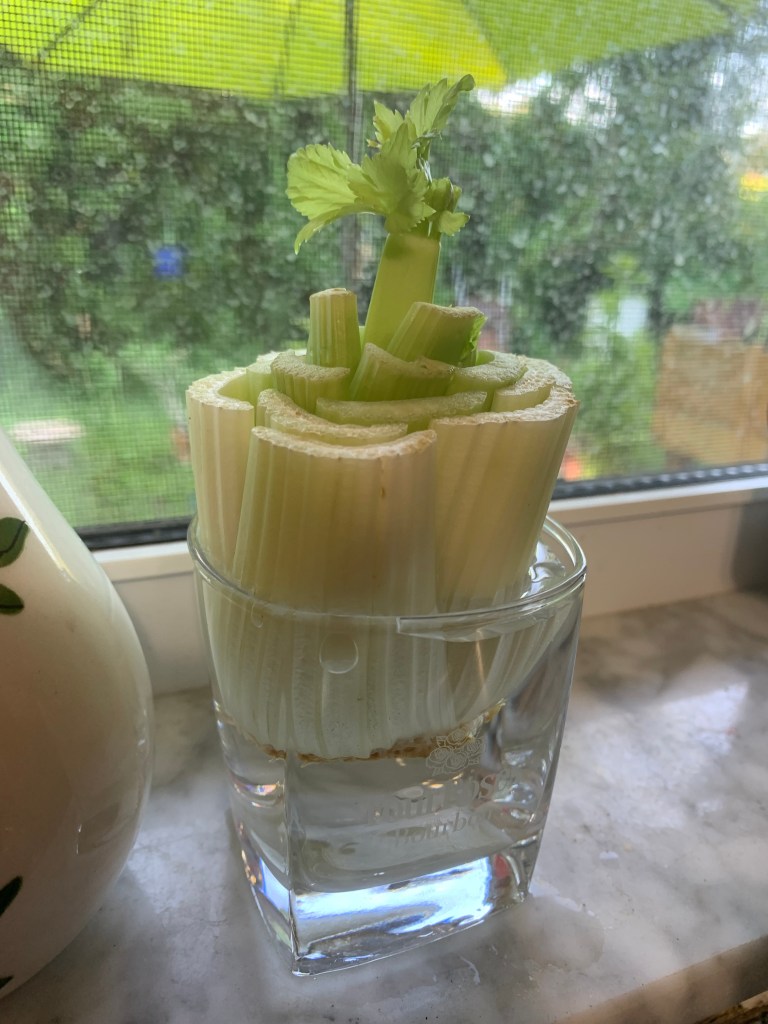
The celery grew from a stalk that came from the grocery store. Today, I am starting another celery plant in a glass on my windowsill. It is very easy to grow.
Watermelon

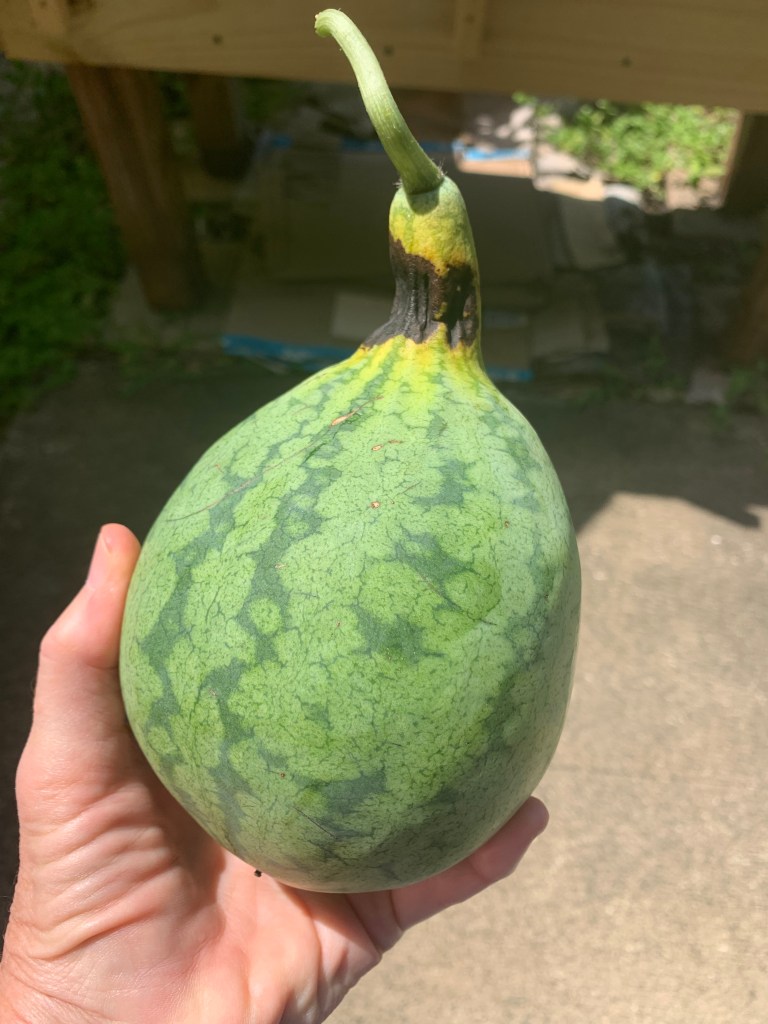
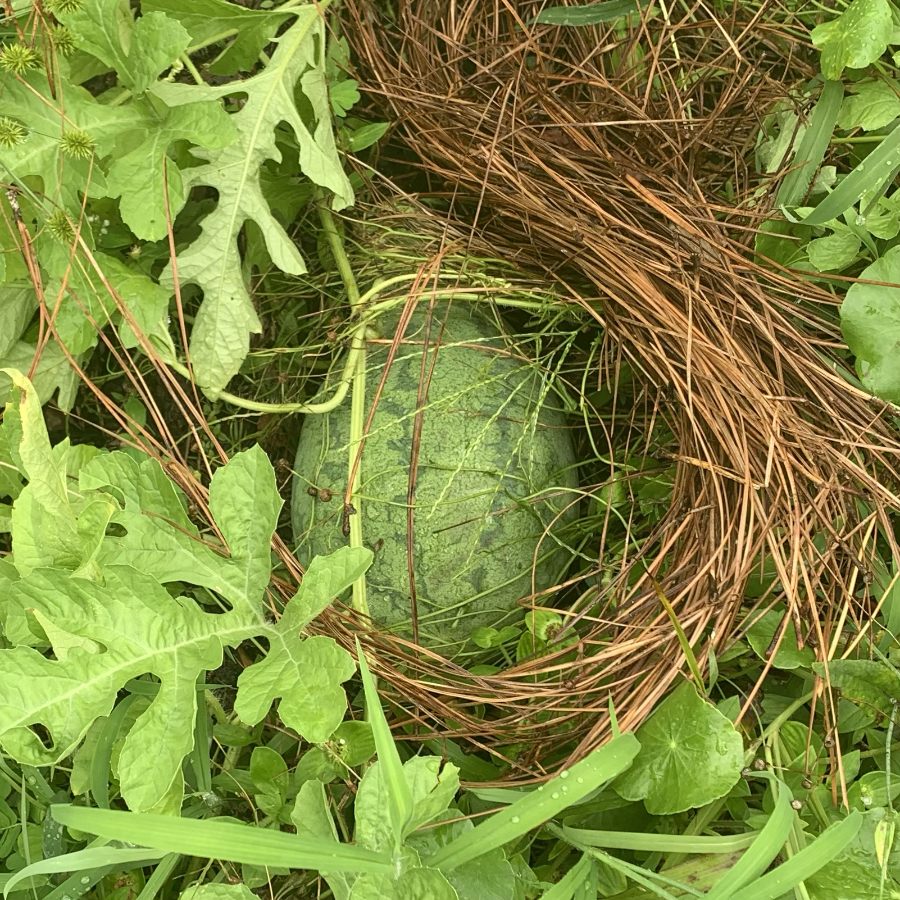
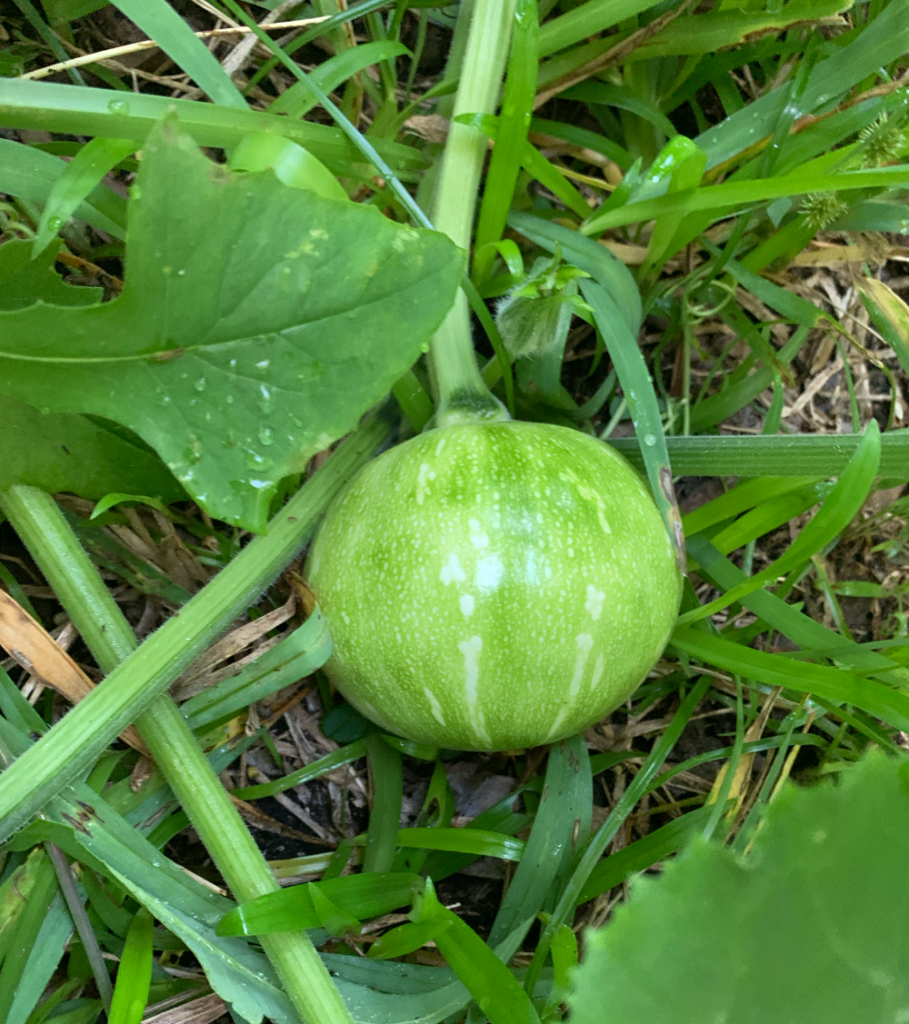
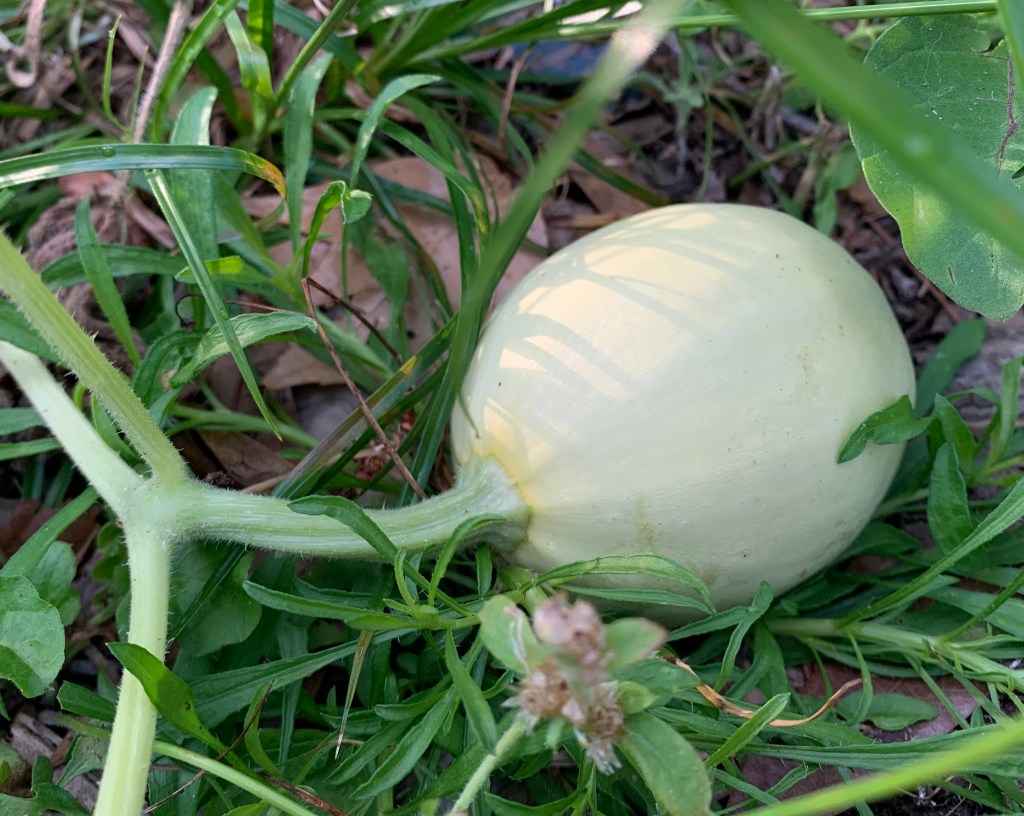
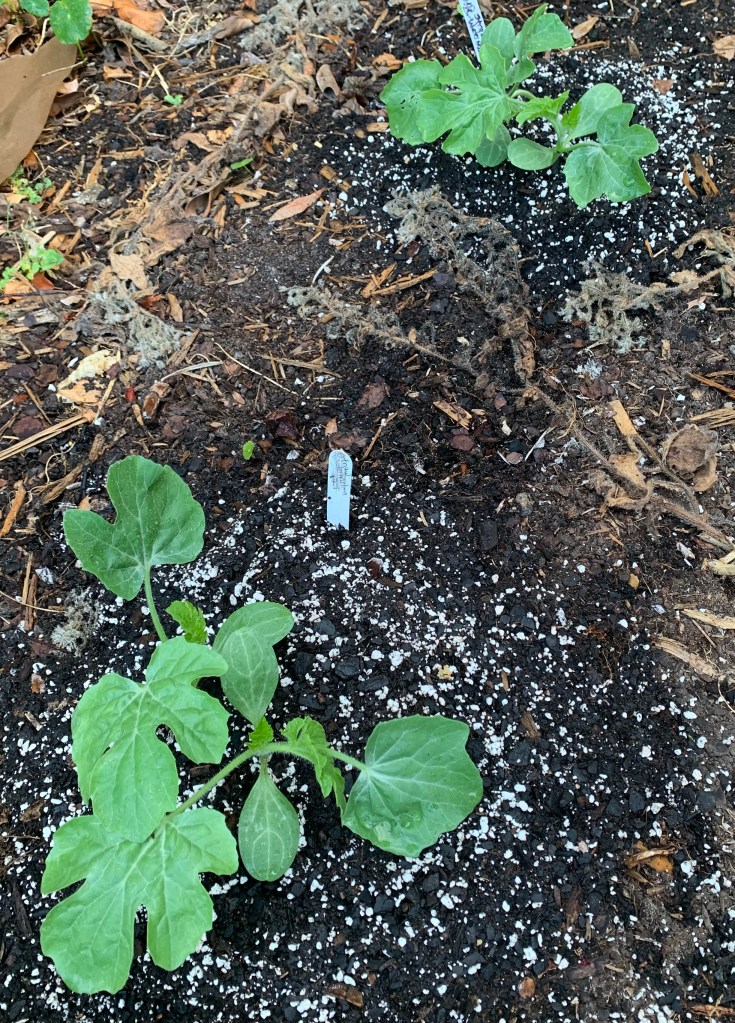
I had to pick my watermelon because the stem area was beginning to rot, for some reason. But, I also discovered watermelon #2 hidden under the vines. I covered it with pine needles to try to keep the raccoons away. I like to kid myself that I can outsmart them.
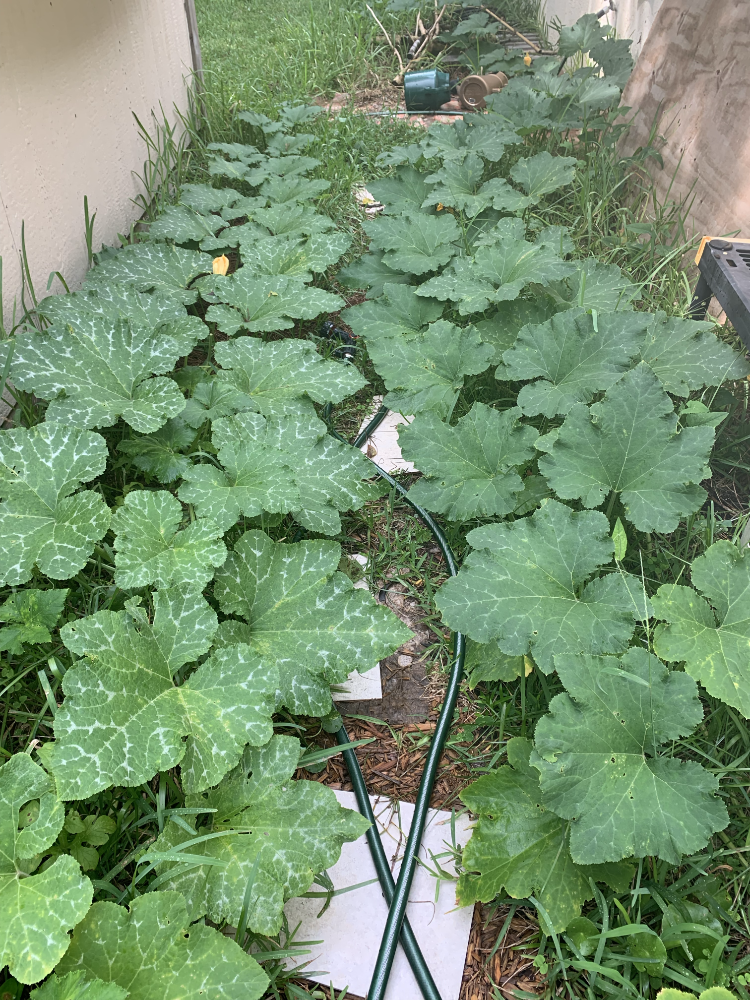
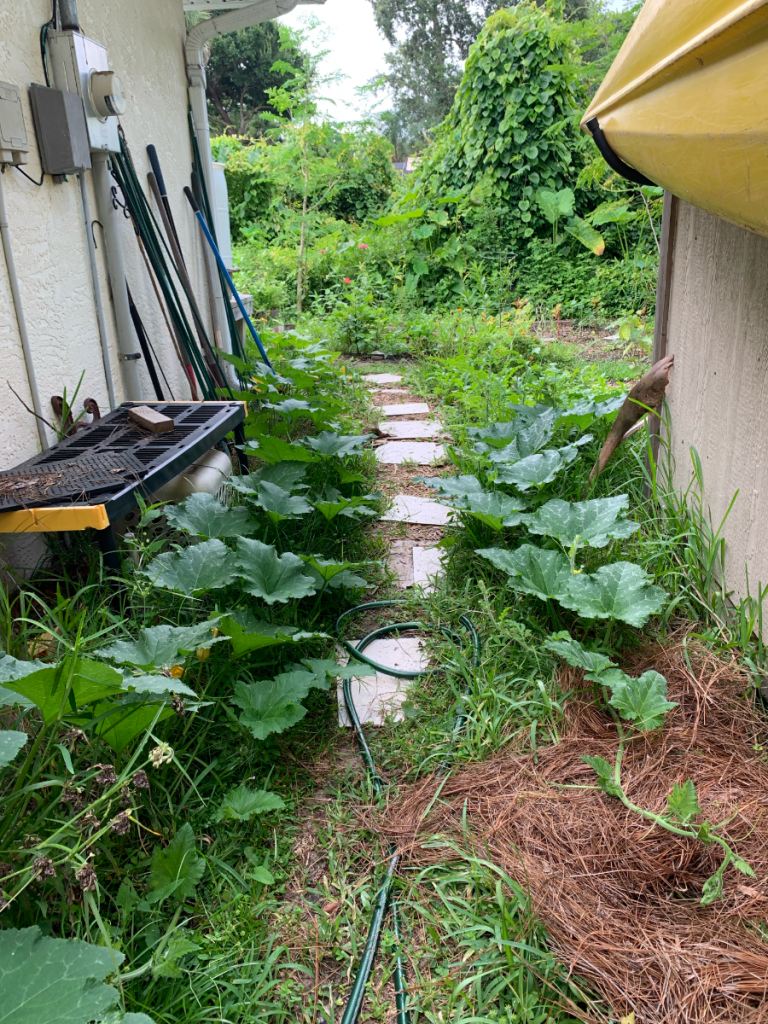
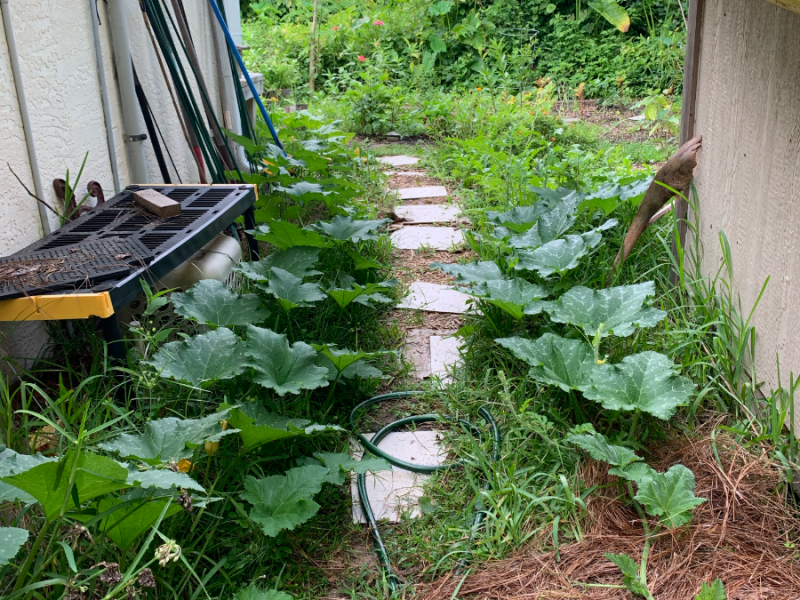
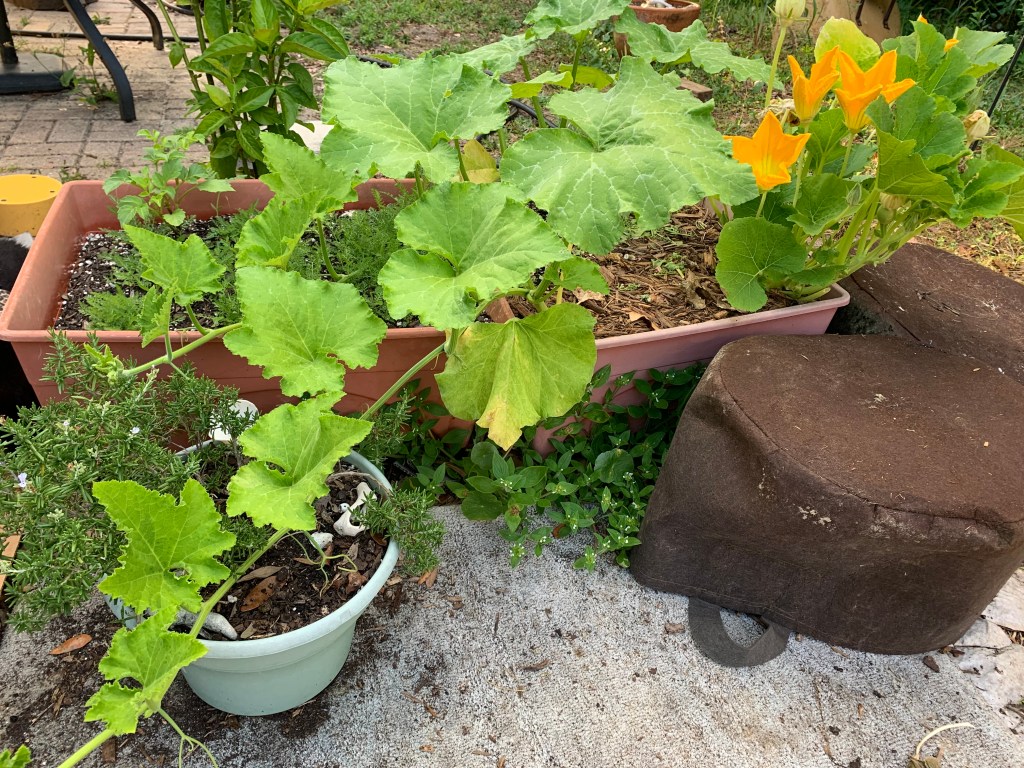
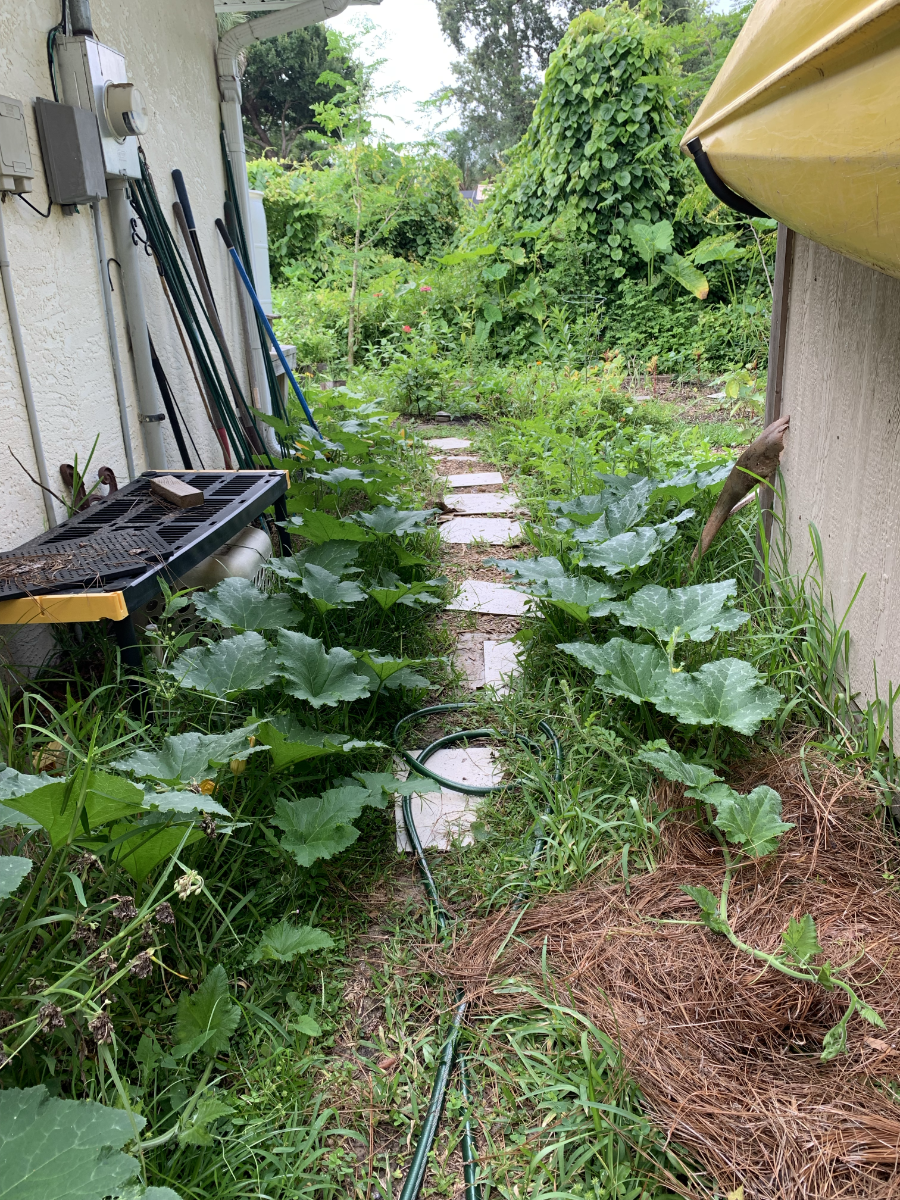
The pumpkin vines (first year) have nearly covered my walkway. I can’t easily move the hose so have to leave it in the middle.

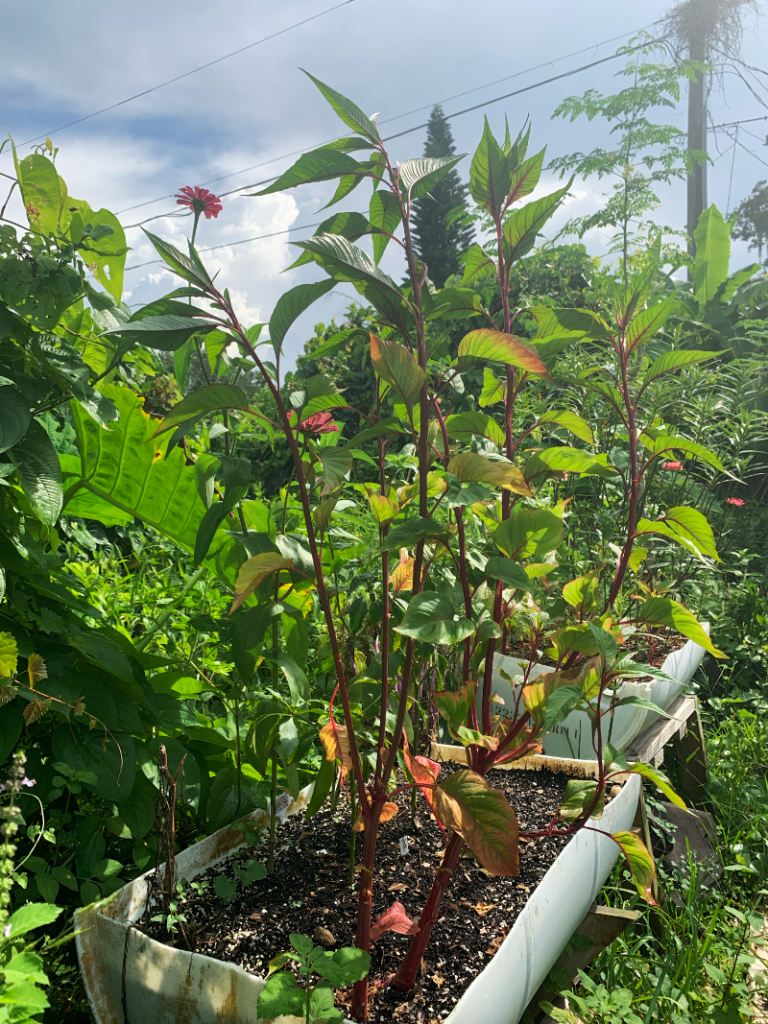
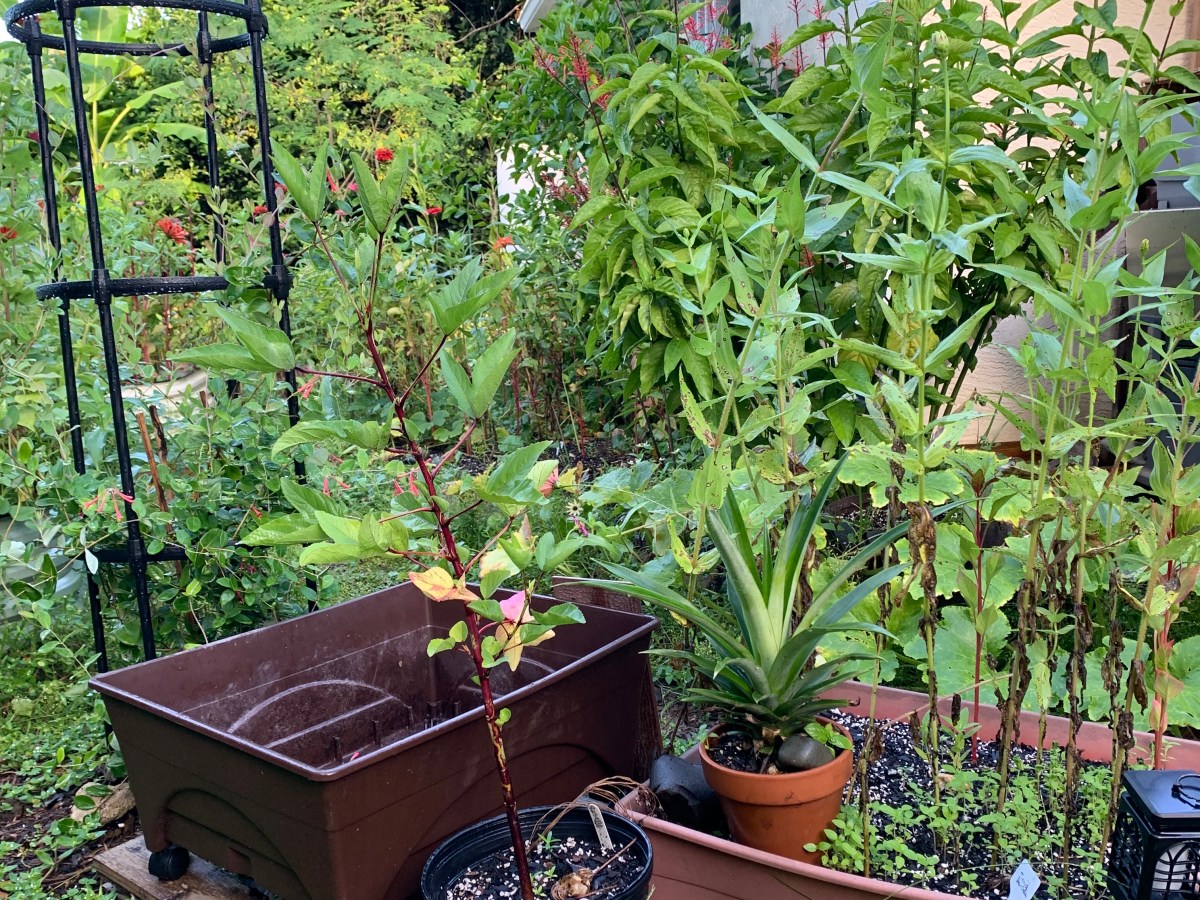
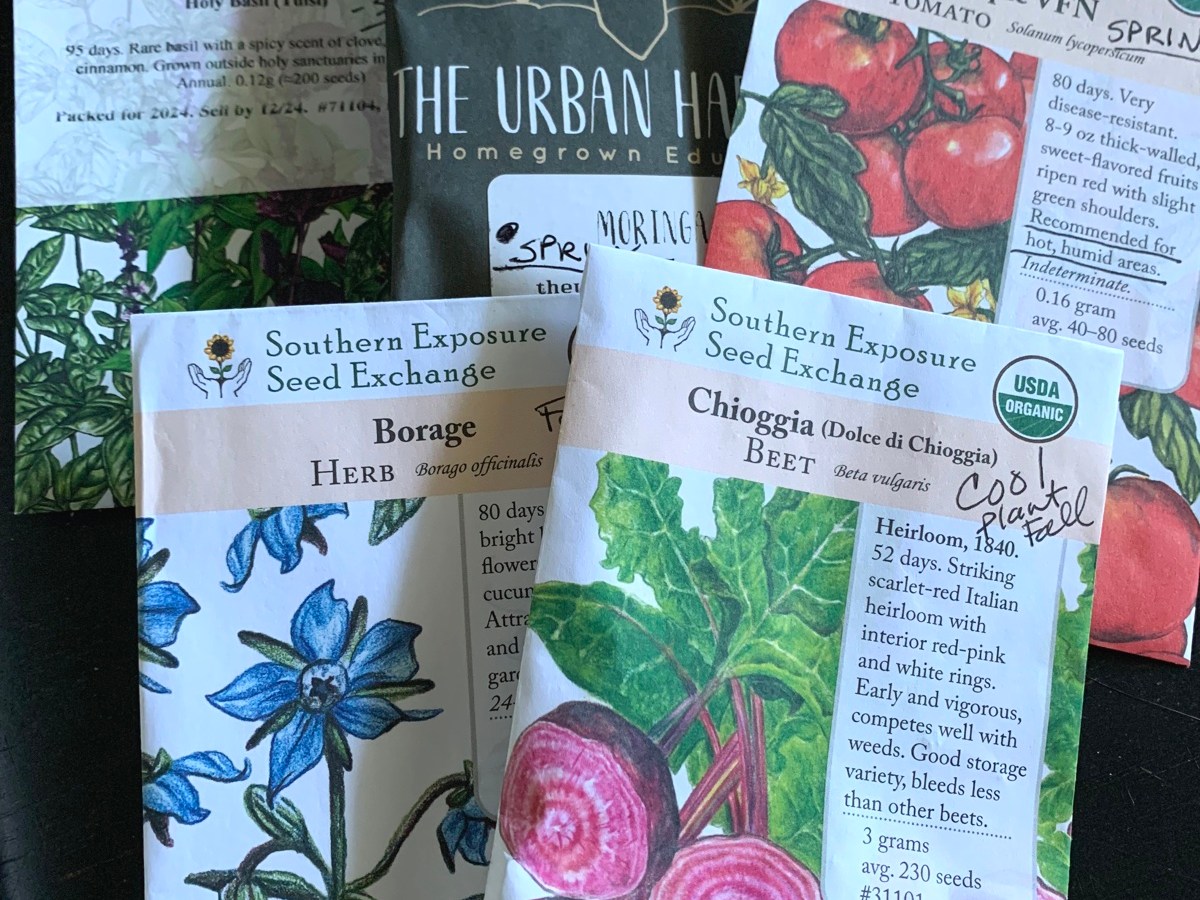
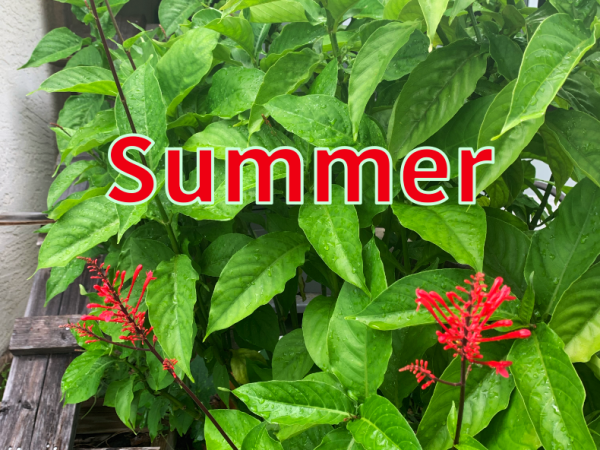
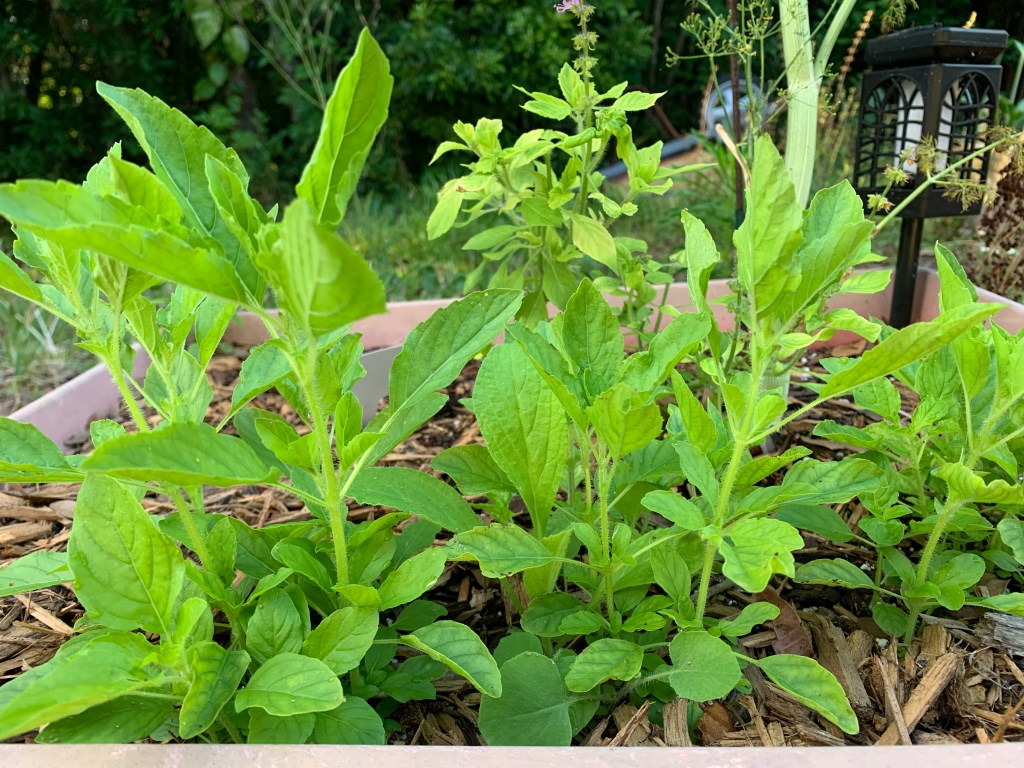
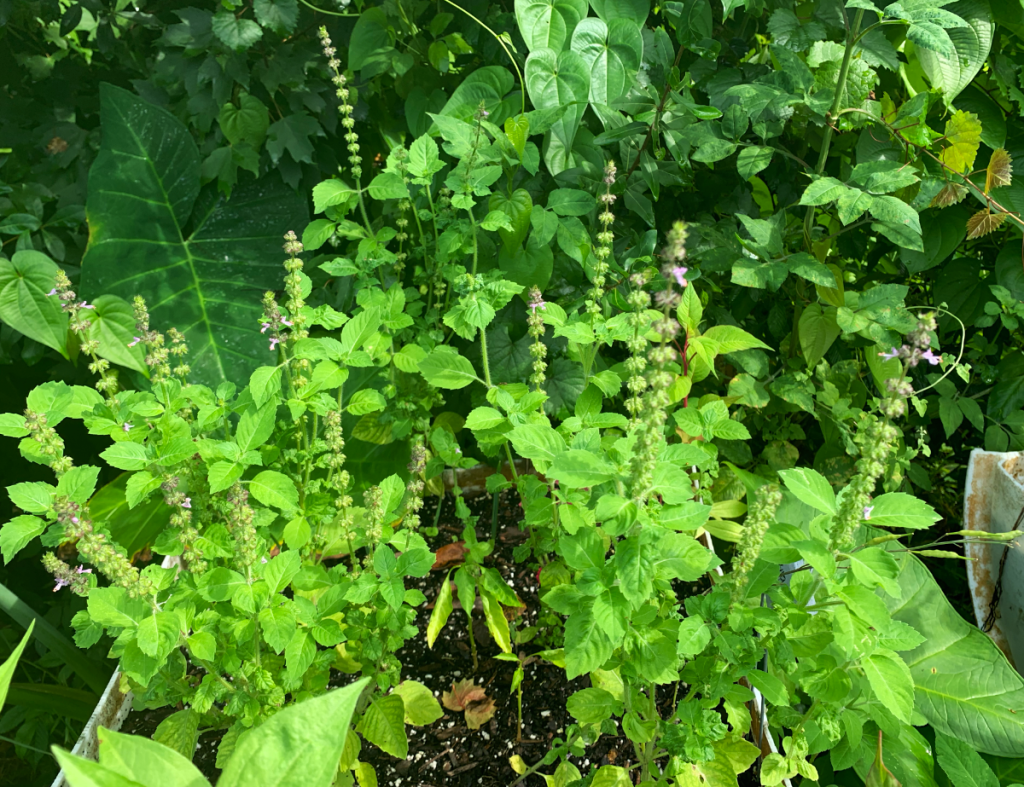
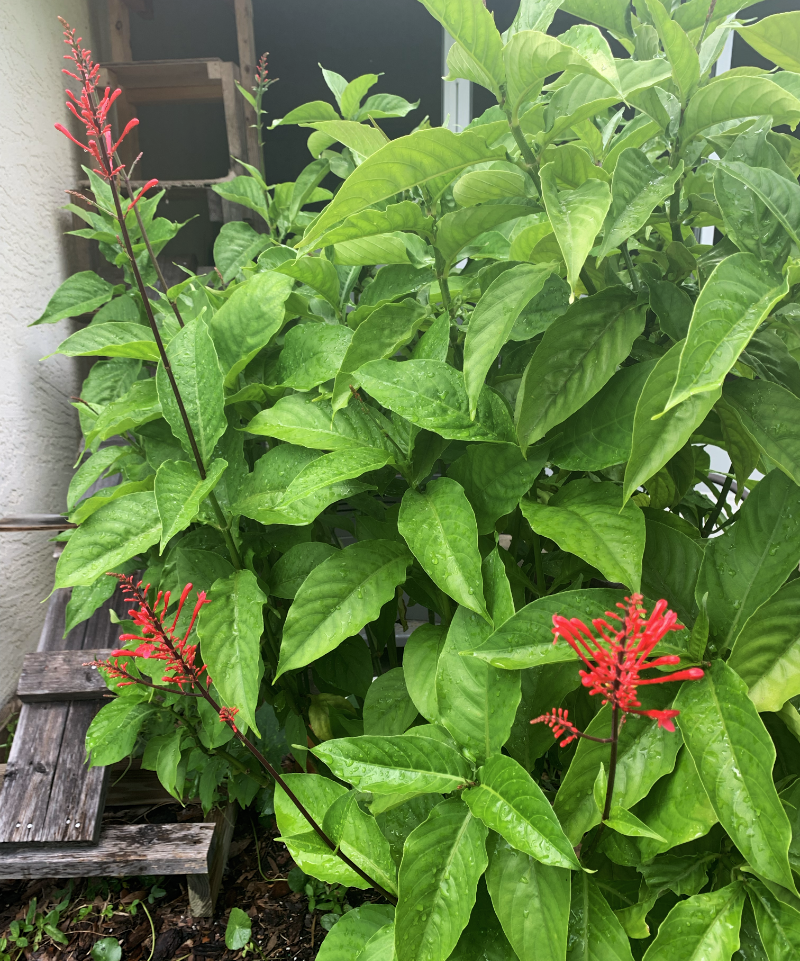
The Holy basil is growing and I’m using it regularly. Firespike flowers are coming out and that will keep the hummingbird happy. The celosia plants are getting tall and should be flowering soon.
Oh The Zinnias!

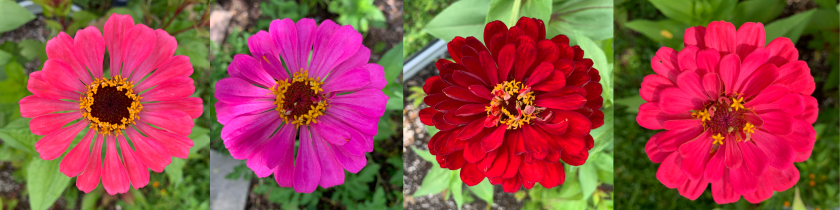
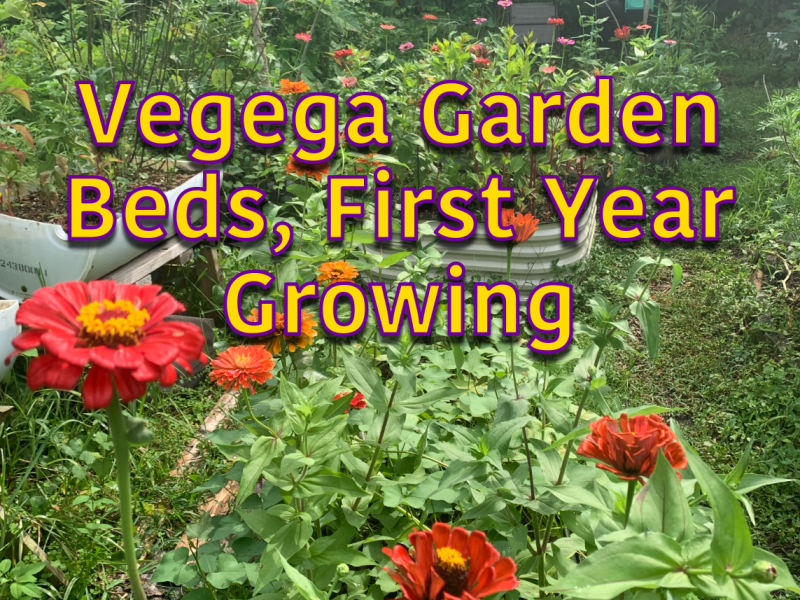
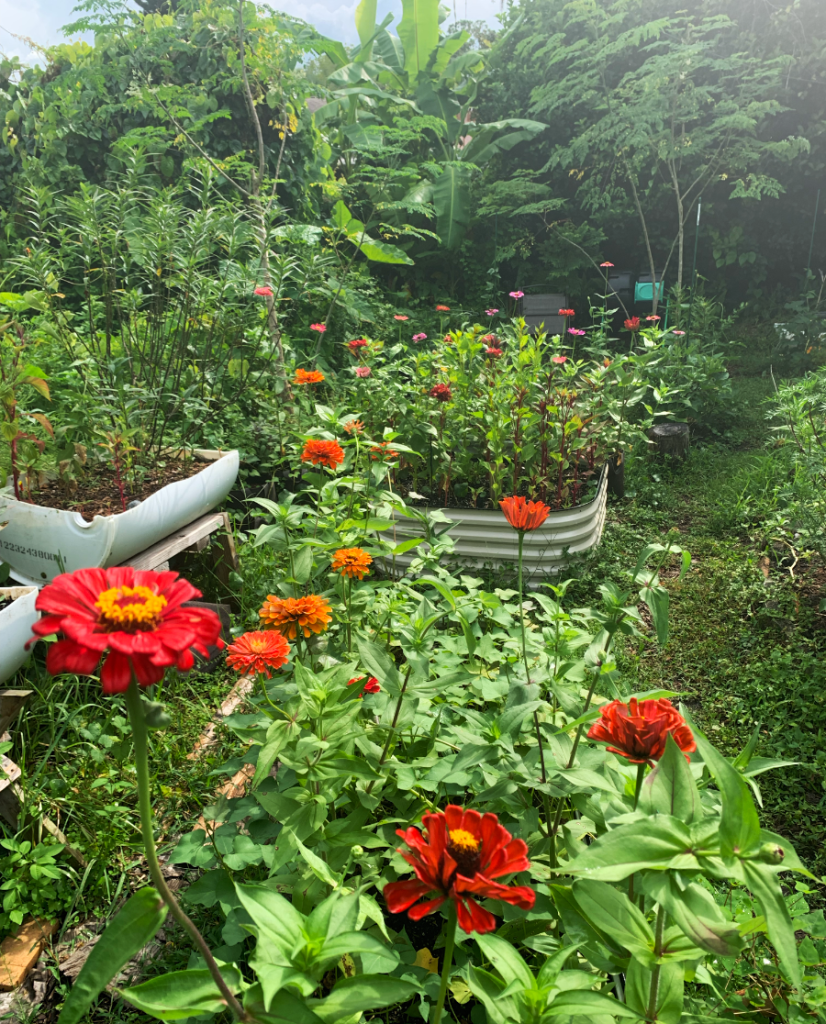
My garden is full of beautiful Zinnias. I look at each one when I inspect things. I can’t stop photographing them. I only began growing zinnias a couple of years ago, but they have become a favorite. I’ve decided to make dividers for this blog using all my zinnia photos.

This year I have lots of reds, pinks, and gorgeous orange. I have only one yellow, so I’ll be sure to save it. Honestly, I am saving many Zinnia flower heads. Some have grown from saved seeds, but many I planted from newly purchased seeds.
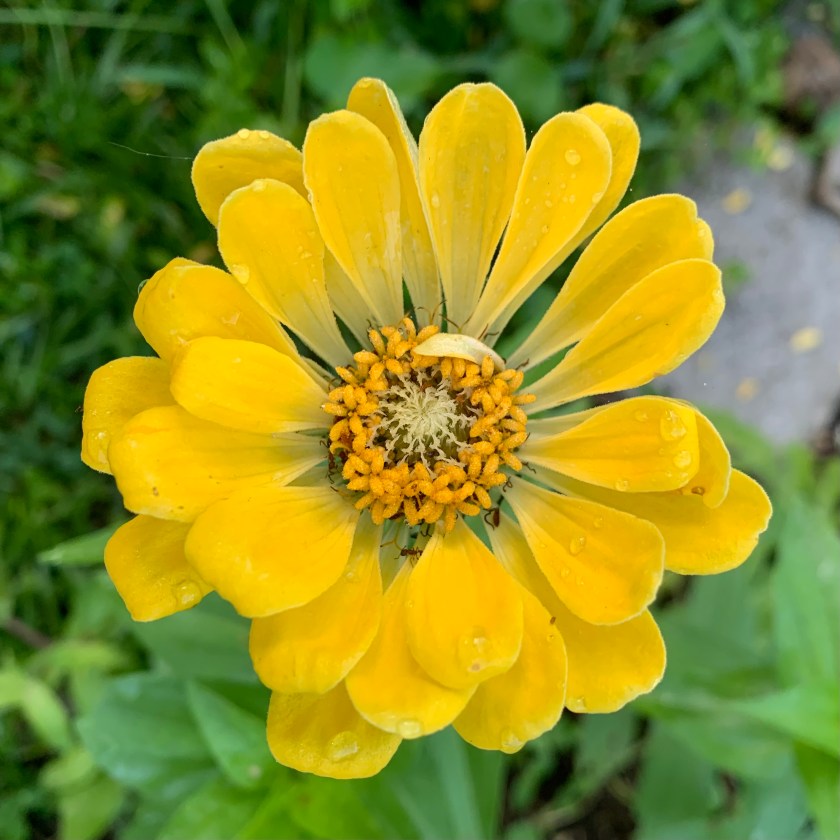
yellow zinnia
Only one plant is yellow.

Skittle

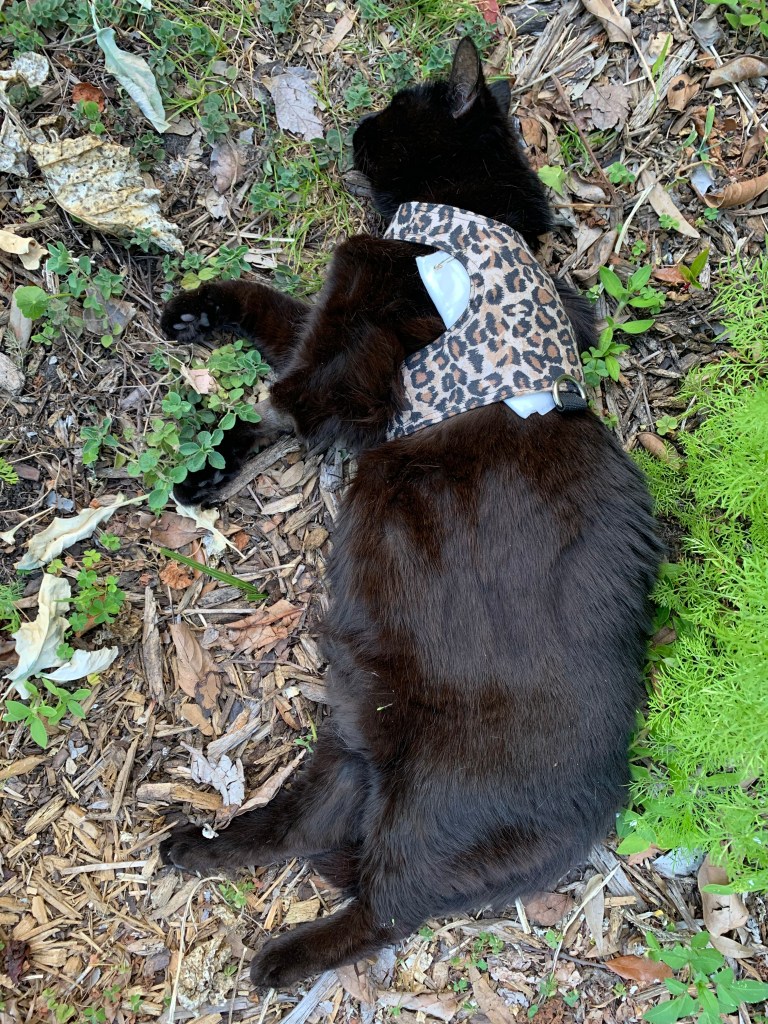
Skittle the cat has always been my shadow in the garden. She very much enjoys it when I inspect things. I can’t spend much time out there with her now because of the horrendous heat. She seems to love it. As long as she can find an uncomfortable looking place to sleep, she is happy.
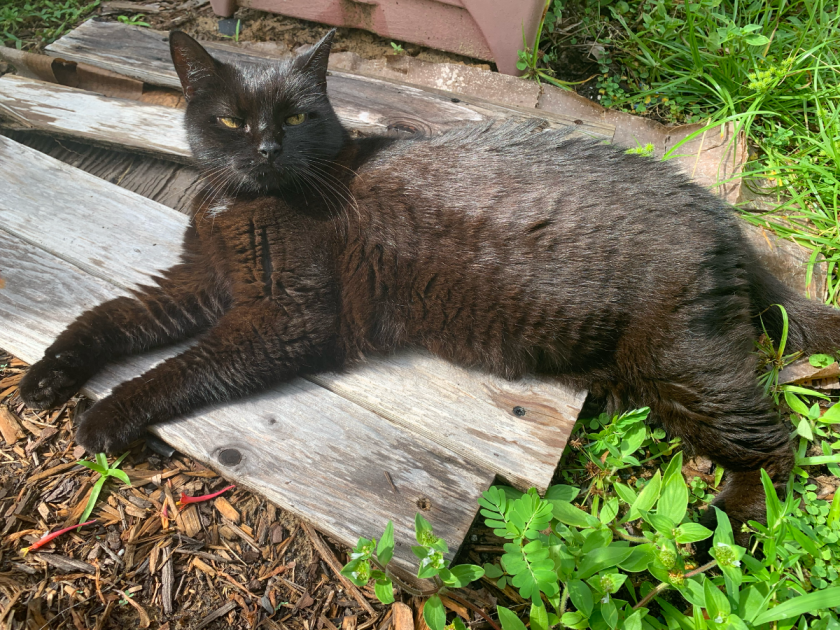
Skittle

I’m mostly quite happy as I look through the garden. Occasionally I get depressed at the lack of food, but there is always the grocery store. Good thing.

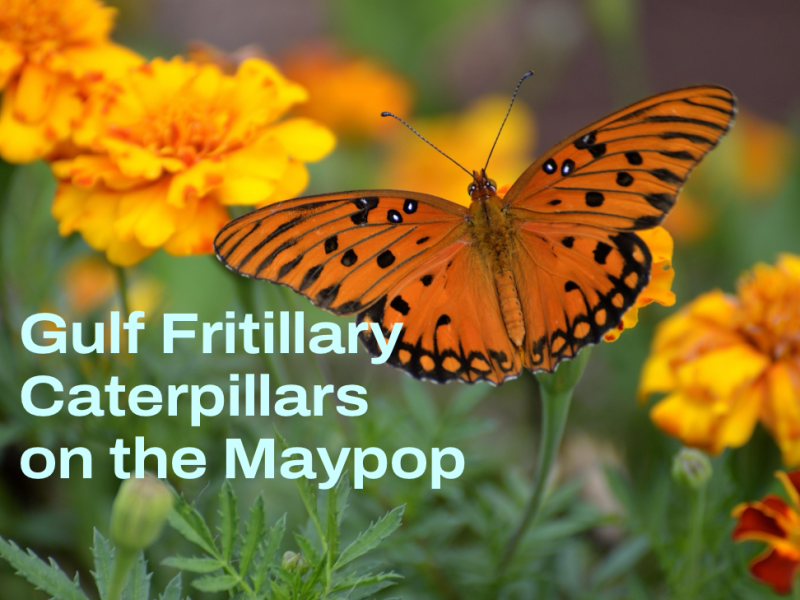
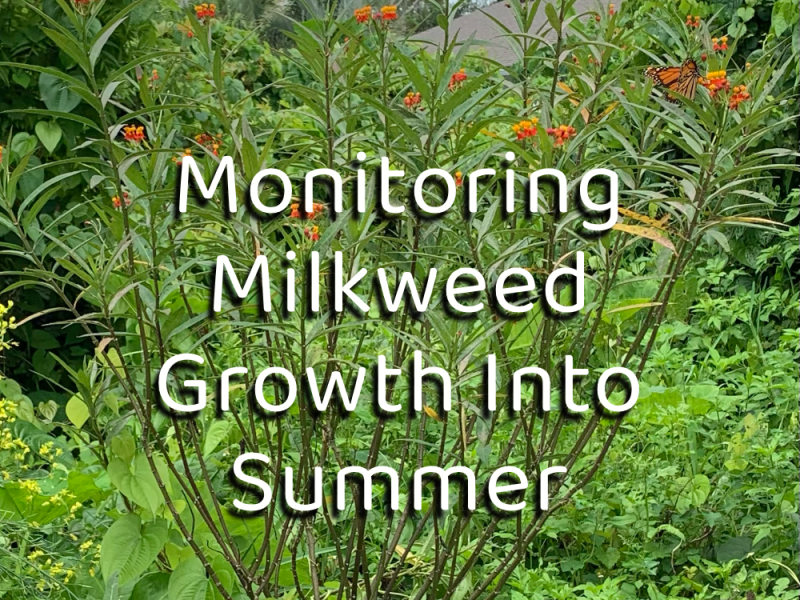
The Monarch butterflies are still fluttering each day. They usually show up around 9:00am. They land on the zinnias frequently. Their tropical milkweed is not flowering now, but soon the swamp milkweed will be.
zinnias divider

Thank you for reading.

Something went wrong. Please refresh the page and/or try again.

Good Morning, or Is It?

Garden troubles.

I am writing today to make you feel better. Yup, it’s a pretty depressing morning here, so I hope that will make you feel better about your bad start to the day. If you had a good start, yay for you. If you are having gardening troubles, you are not alone.

Here in the jungle, summer is the pits. It is too hot to be outside for long, and if I venture out, it’s either loaded with bug repellent, or covered in long sleeves and pants.

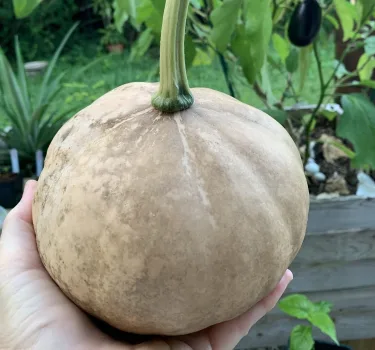
On top of that, there is very little in the way of food growing. All my Seminole pumpkins start to grow, then turn yellow and fall off the vine.

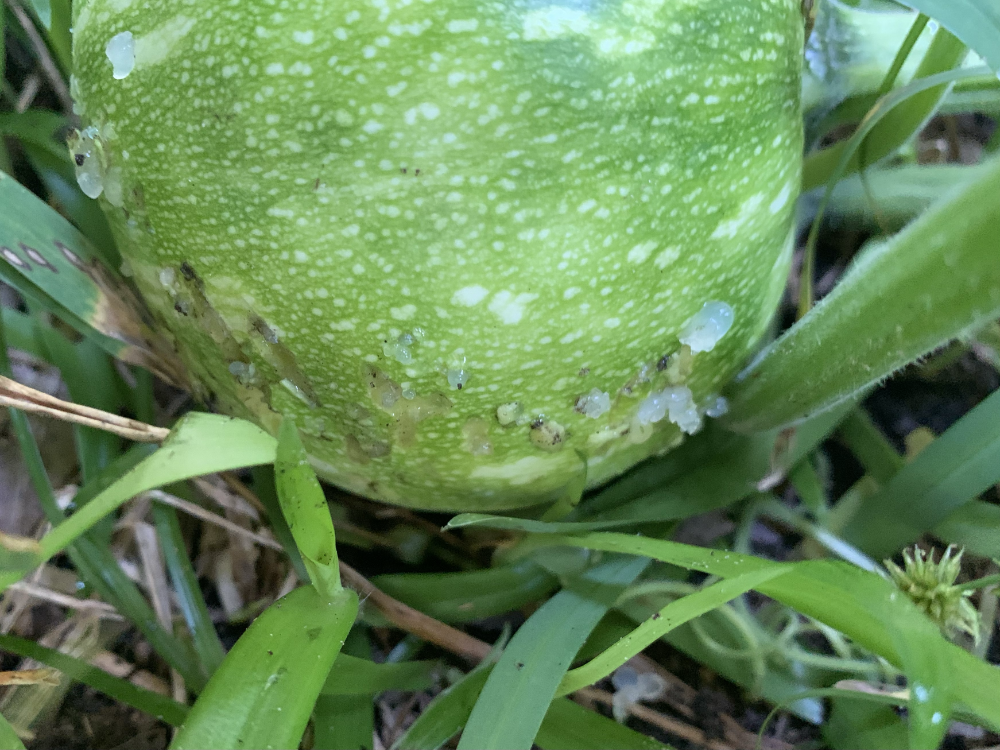
Finally, I have one that looks like it will continue to grow. And today I see that raccoons (my best guess) have scratched it all up!

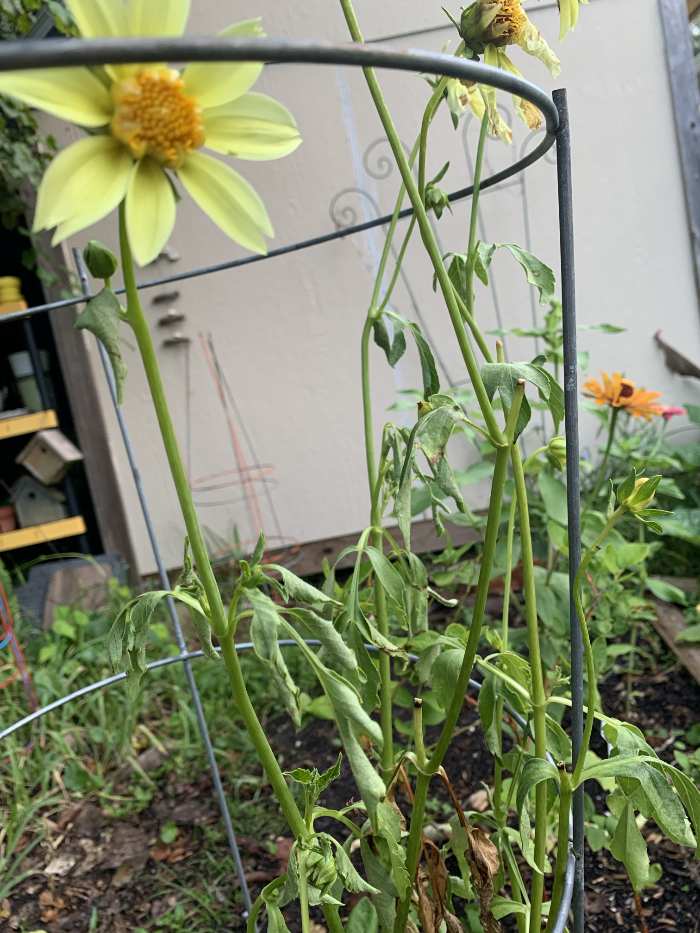
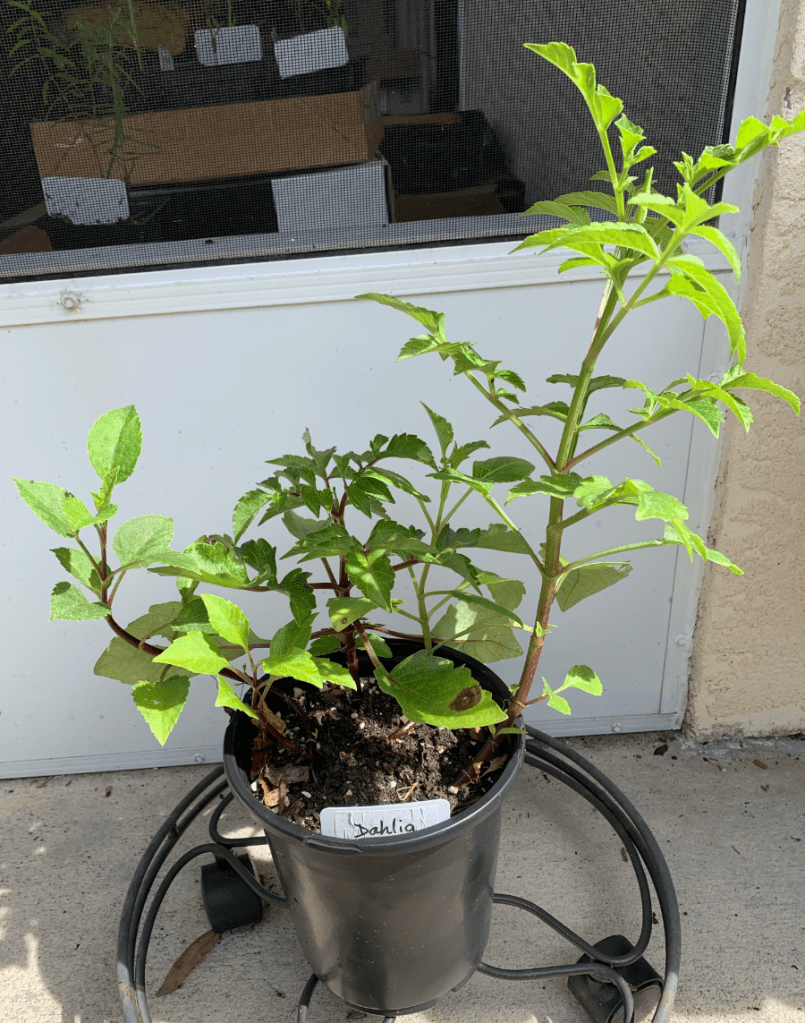
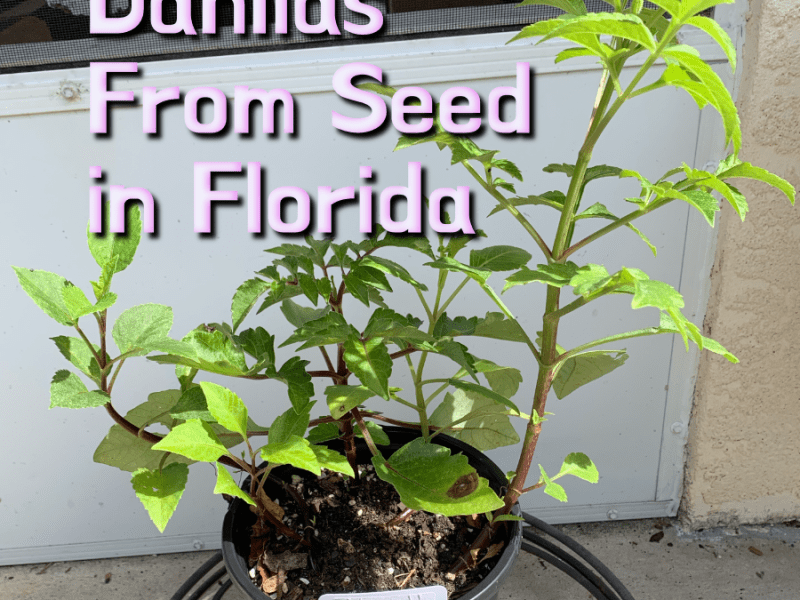
The Dahlia is wilting. We just had a little tropical system swirling over our area of the state and it dropped 4 inches of rain. We had minor flooding, which went away quickly. But maybe the dahlia did not like all that water. Maybe it doesn’t like July in Florida. I can’t blame it.

Dahlia wilting

The weeds, or should I say, grass has gone nuts. This is all getting away from me because of all the vines that are sprawling all over the yard. The squash vine is done, and I should pull it up. But it’s too hot and buggy.

The watermelon vines have 1 watermelon. The pumpkin vines – well, I mentioned that above. Those vines have nearly made it from the back of the house to the front. They’ve dropped about 10 pumpkins at this point.

pumpkin vines along the pathway

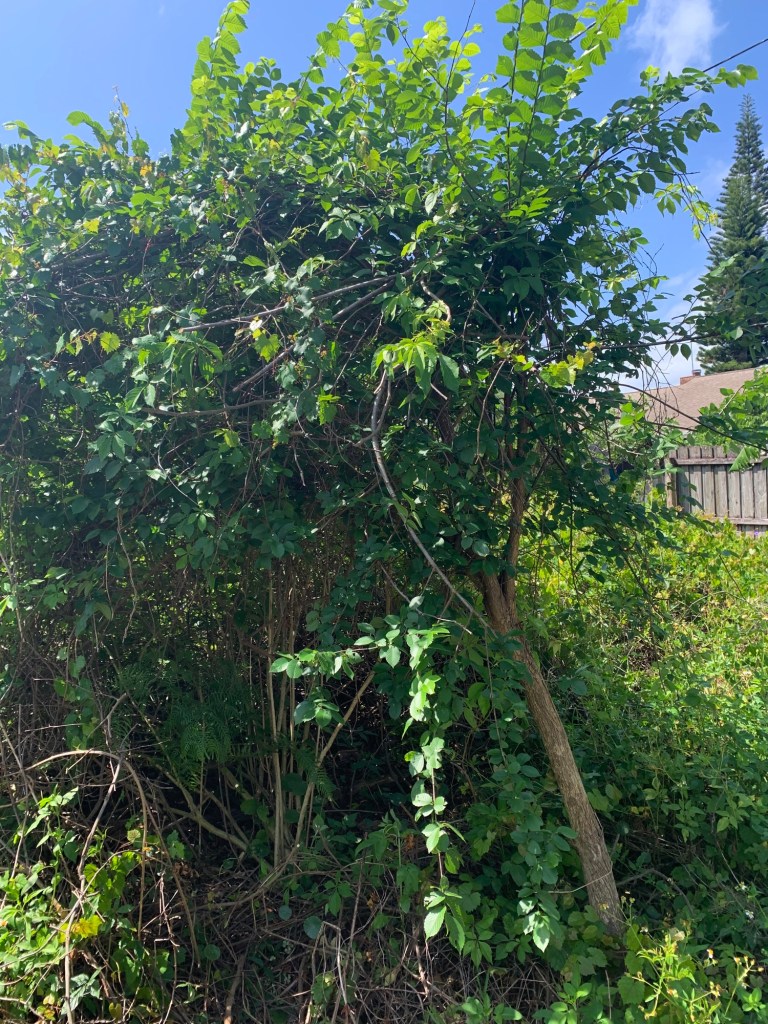
Speaking of vines. That mound in the distance in my photo above is an Elm tree next to a Beautyberry bush. Below is a photo of the two trees with most of the vines pulled off. I used to work at this, even though this is not part of my yard. I’d love to see both grow and do well. As you can see it’s a losing battle.

These are trying to grow under that mound of vines in the photo above.

Vines covering tree

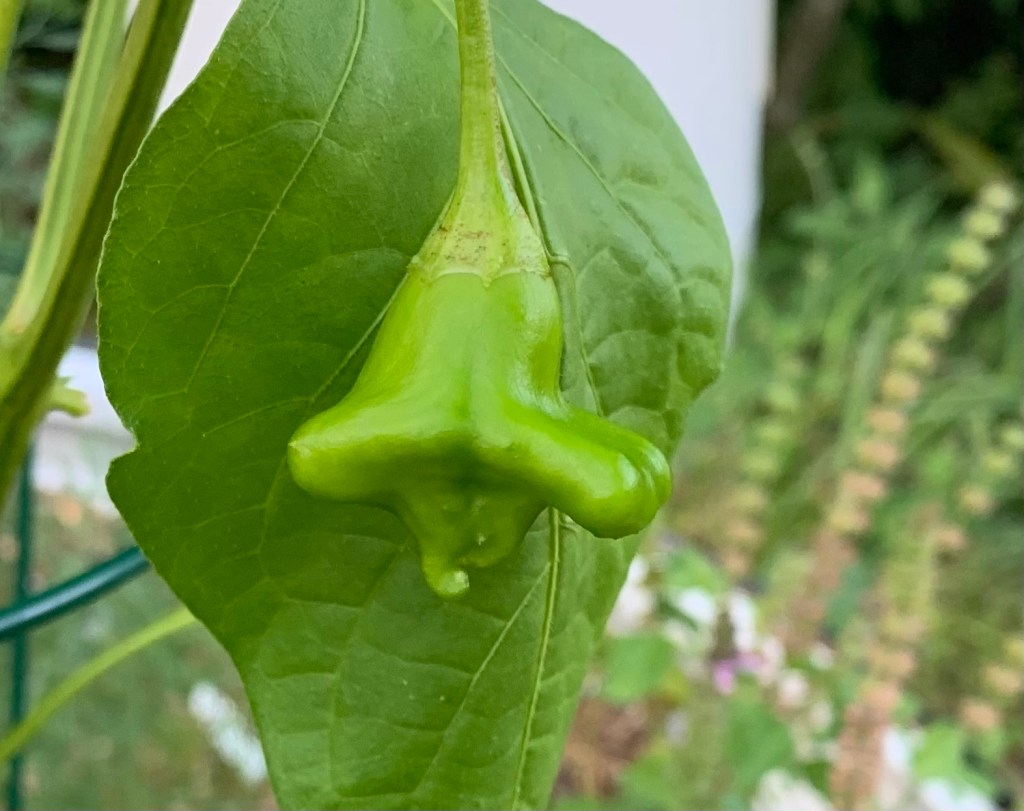
A banana pepper plant has died, and the other peppers don’t look so good. So it’s a depressing start to the day for me. I think I’ll stay inside.

Surprising Success: Growing Dahlias from Seeds in Florida

When my daughter gifted me a packet of Dahlia seeds, I had little hope that the plants would grow. I often feel that way about “normal” things trying to grow in this jungle. I live in zone 9b.

My daughter was a little bit obsessed with the Floret flower farm. It was (is?) a show on one of the networks, and focused on a young couple who began a huge flower farm in Washington state.

Their farm is impressive, and they have turned it into a thriving flower business. From what I can tell, the husband is behind the scenes doing all the heavy lifting, while his wife, Erin, does the social stuff, writing of books, and poses for photos. Photography of her holding humongous bouquets appears to be their trademark.

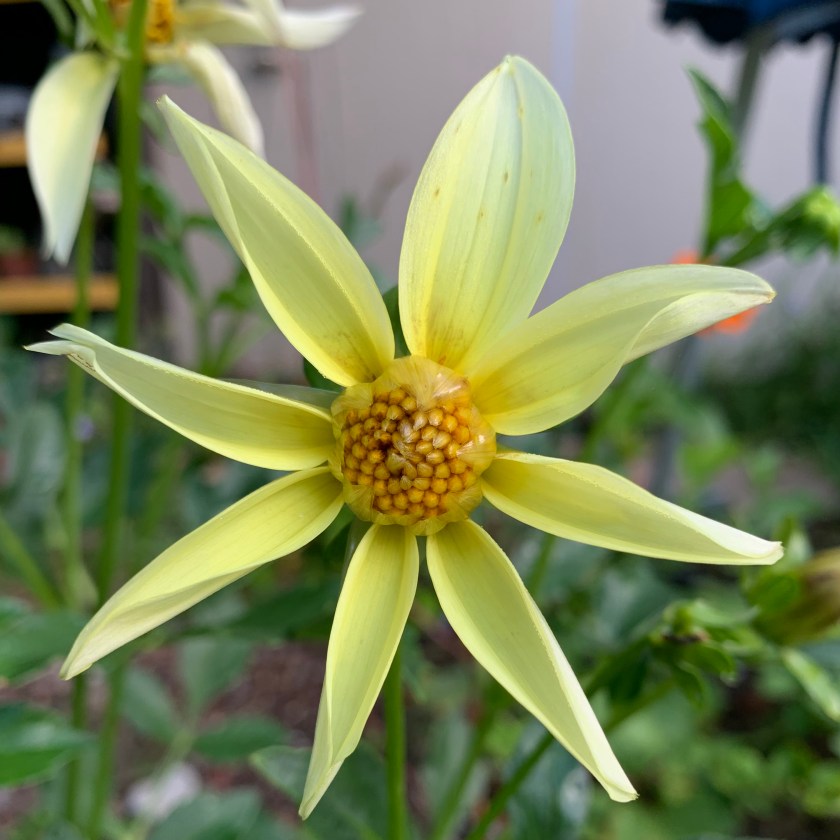
pale yellow dahlia flower like a star
My Dahlia has pale yellow flowers

Growing From Dahlia Seeds, Year One

I put the dahlia seeds into a shallow clay pot. I’d never grown dahlias, and had no idea how to do it. I’d always heard that dahlias were tough to grow. Between that and the fact that the seeds came from Washington, I honestly did not think anything would happen.

When I lived in New Hampshire a local farm sold them out of the greenhouse. Greenhouse plants generally mean they like it warm. But I bought a dahlia plant and put it in my yard. It died. This added to my doubts.

The Floret seeds came with a little booklet full of information about growing Dahlias, Zinnias, and Celosia. These three were the seed types my daughter sent. Floret also has a whole page online about How to Grow Dahlias From Seed.

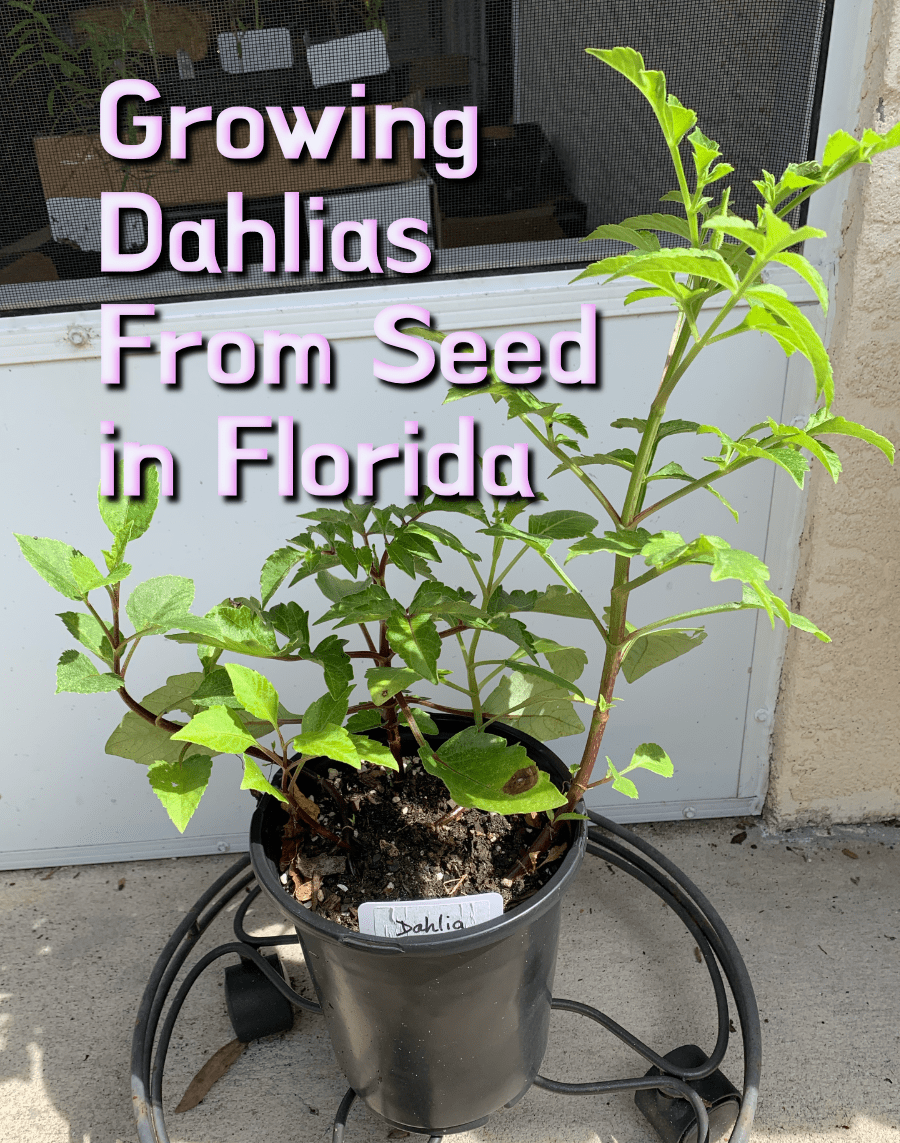
So the first year my seeds became small, scraggly dahlia plants. They grew about 4-5 inches tall in the shallow pot. When the season was over I pulled them up. They had some tubers at the bottom. Surprise, surprise!

In the booklet that came with the seeds, Erin (the writer) said that she stores her tubers in a cool place in ziplock bags. I was not going to bother with that. All I had was possibly the fridge for storage. So I yanked out the little plants with their tubers and tossed them into the compost barrel. I know, I am awful.

Unexpected Dahlia Plants, Year Two

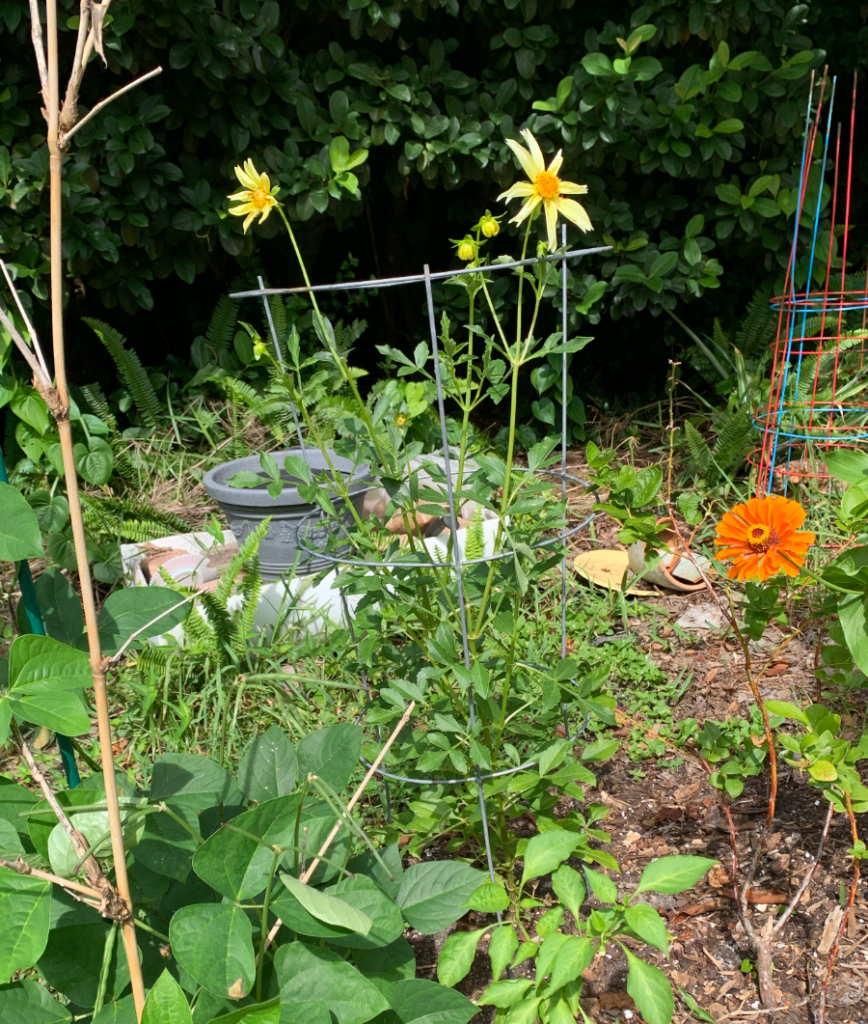
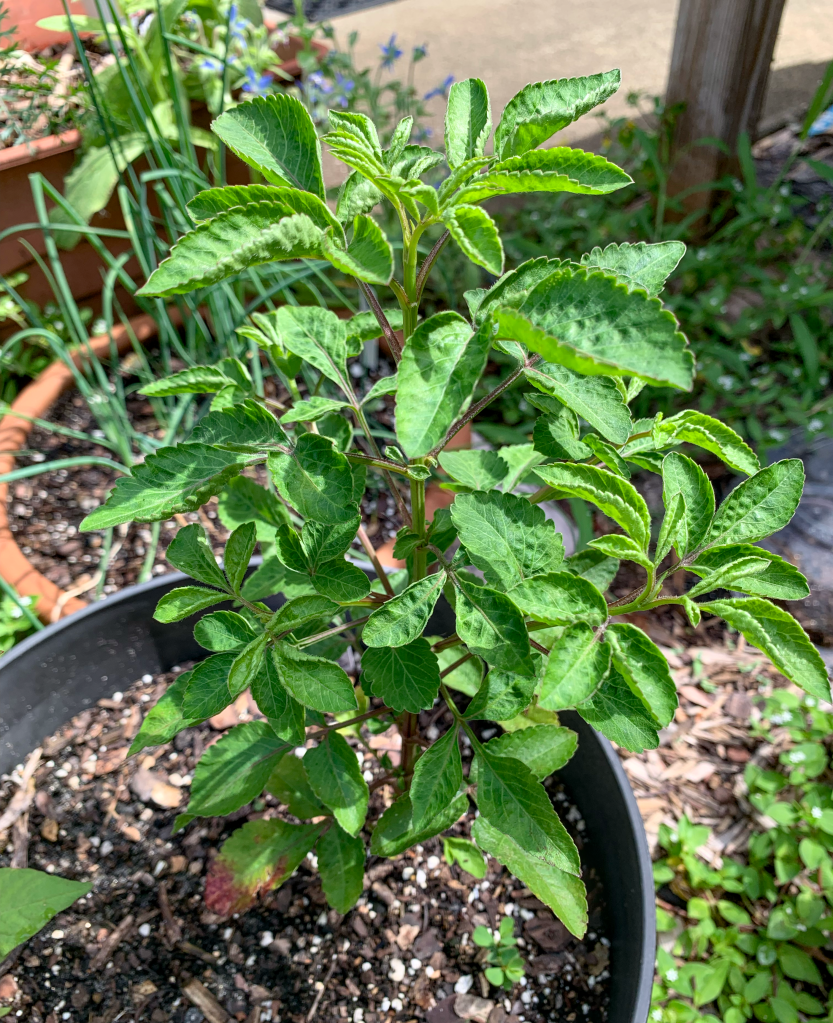
After months went by and I grew my “winter” crops here in Florida, it was time to ready the gardens for Spring growing. As I dug through the dirt in my compost bin, I found the dahlia tubers just laying at the side! They still looked okay, and I figured I’d just put them into the ground for the heck of it. And they grew. I never even marked where they were planted and now I am only guessing about some of them. Like the photo in the center below. I’m pretty sure it’s a Dahlia.

I now have some pretty nice dahlia plants growing! One is tall, and flowering with pale yellow flowers. I had expected the fluffy type bloom, but got this star shaped flower.

Year two, growing the tubers, is working out much better. I plan to leave the plants growing in the ground and see what happens over winter. If they go dormant and need temperatures that are not freezing, the plants should be okay. The ones in pots might just need transplanting to larger pots until next year. It is very hot to be gardening in July.

Flower Books From Floret

Amazon sells books all about the Floret flower farm (paid link). If nothing else, they are full of beautiful photos. Her books will show you how to grow, harvest, save seeds, and make arrangements from the flowers you grow. I do not have any of her books, and personally, I am not interested. I do not cut my measly little selection of flowers to make floral arrangements. I leave the flowers for the bees and butterflies.

Remember that the books are written by a woman who has a huge area of space, with greenhouses, and lots of help. Also, she lives in Washington, which is about as far (in the US) from Florida as it gets.

My Other Floret Flower Seeds

Along with the Dahlia seeds, I also received Zinnia and Celosia seeds. I grew the Zinnias and they were unimpressive. The colors were a pale blush pink. Zinnias, in my opinion, should be bold in color. I love my deep reds, bright oranges, and stunning pinks. I did not save any Floret zinnia seeds. This year I planted from my own saved seeds, and bought a few others.

four zinnia flowers border divider image
Zinnias in my 2025 garden

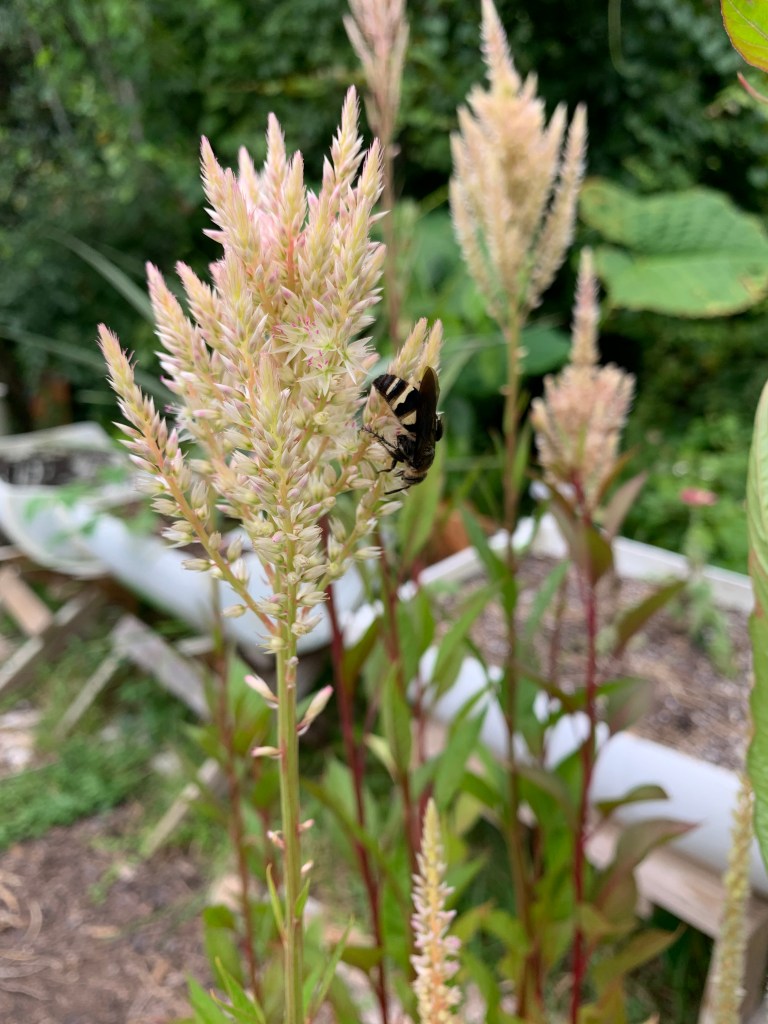
However, the Celosia were another story! Holy cow, these things are prolific. Celosia is another plant I was totally unfamiliar with, and let me tell you, they are beasts! Apparently they love the Florida climate and the bees LOVE the fluffy flowers. I will be writing a page about them soon.

In Conclusion

The secret to successfully growing things is this: Toss seeds somewhere, ignore them, treat them badly, expect nothing, and see spectacular results. (I am only partly kidding.)

Thanks for reading. Feel free to leave a story about your growing adventures in the comments.

Florida Native Coral Honeysuckle is Planted for Hummingbirds

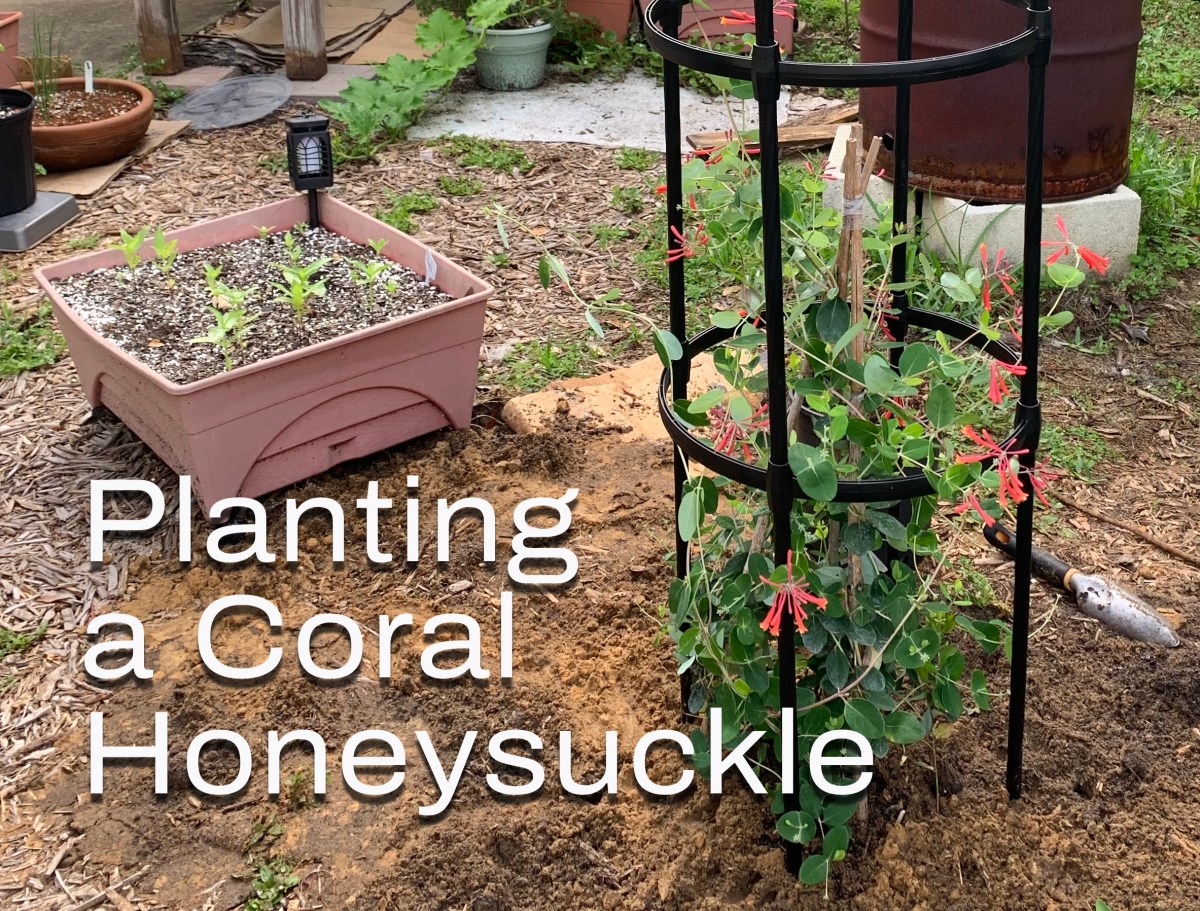
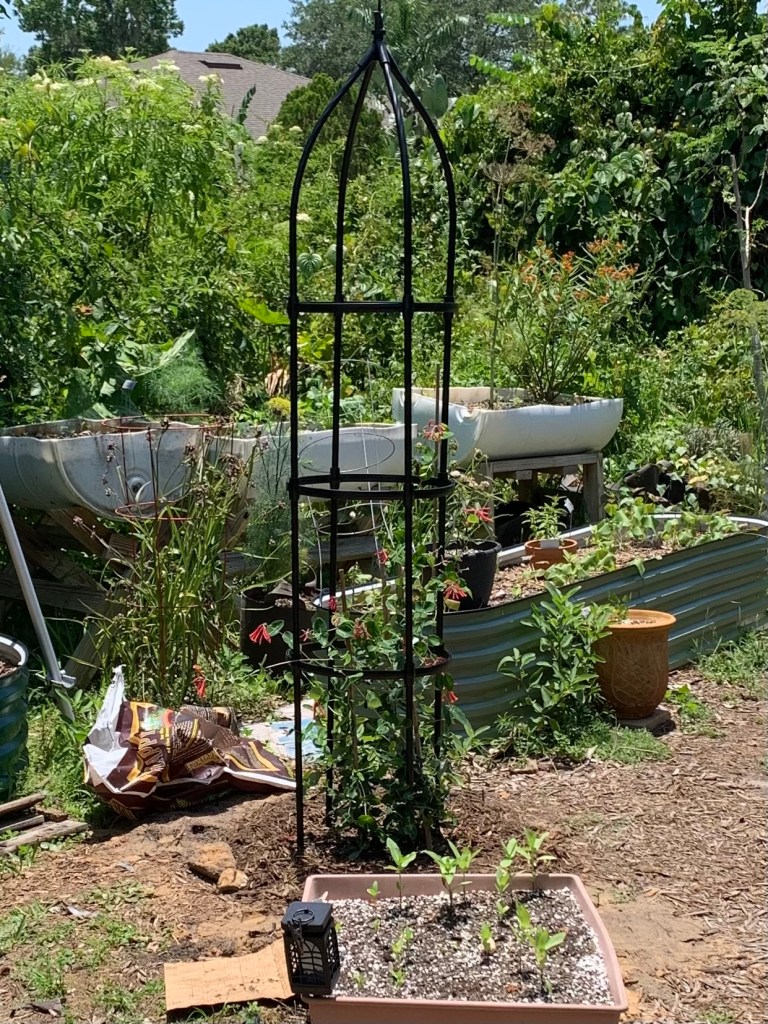
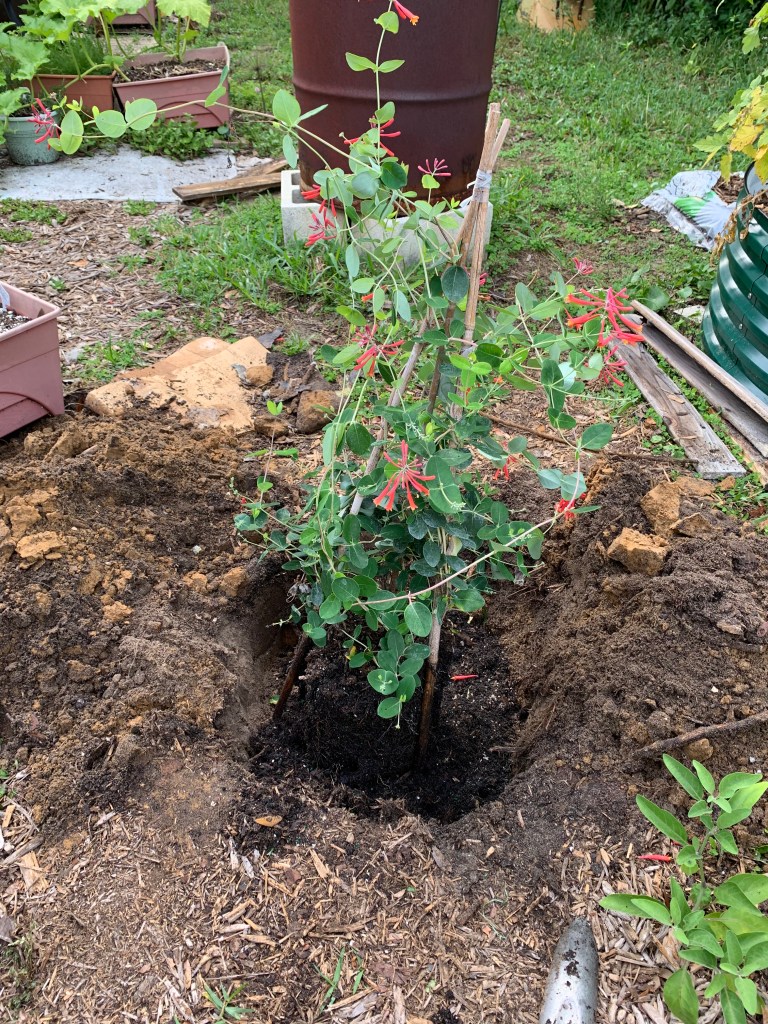
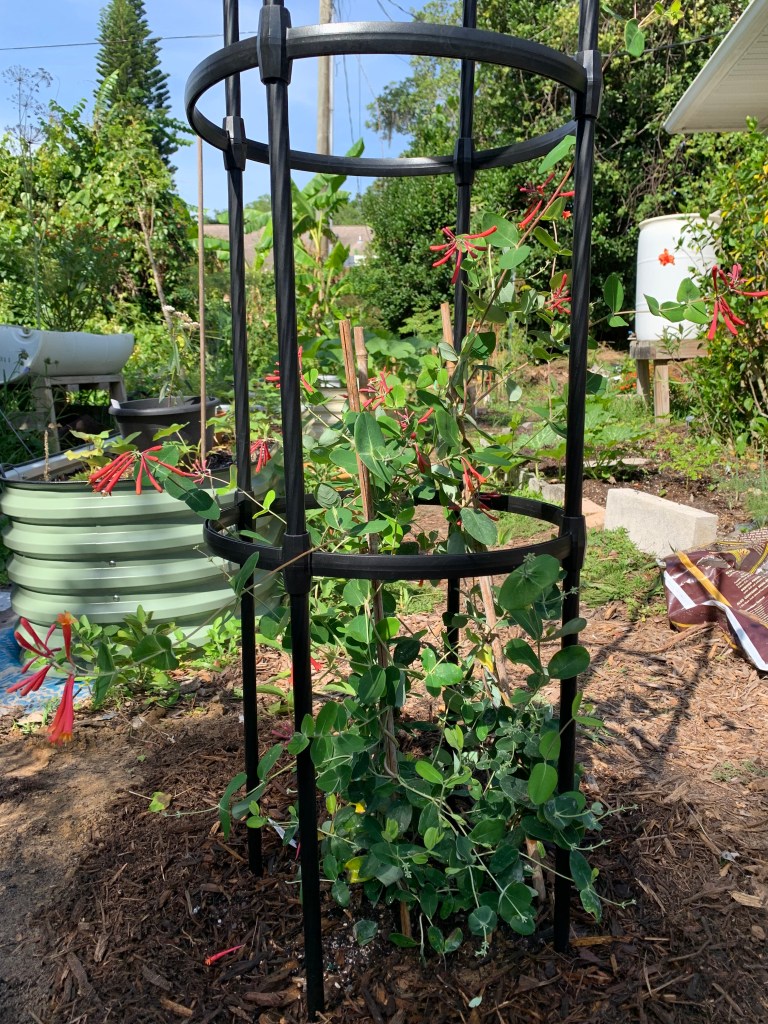
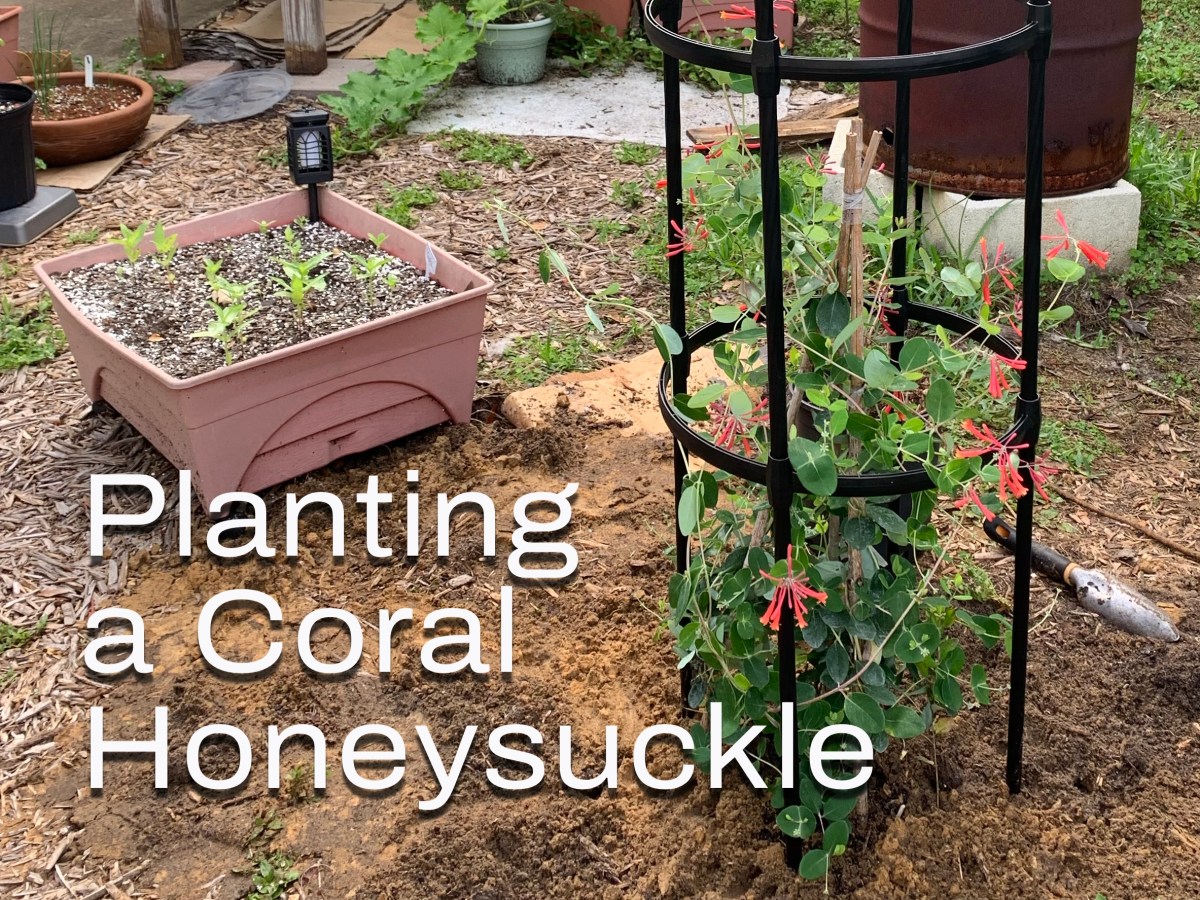
Planting the coral honeysuckle with a new obelisk for support.

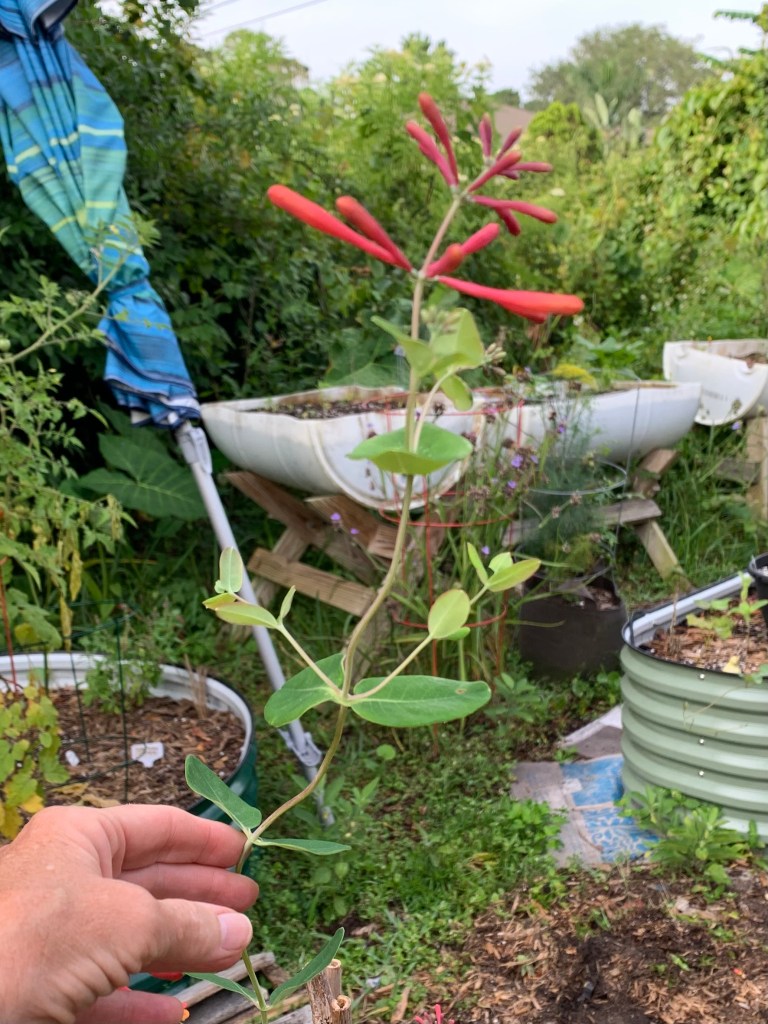
A Florida native plant that I’ve wanted in the yard for some time is the Coral Honeysuckle. A tiny plant was part of my mail order selection, but the plant arrived very tiny. I’m not sure I would live long enough to see it reach a great height!

After putting my Lee Valley Obelisk (large size) together, I needed a plant to go with it. At my local nursery there were many Coral Honeysuckle plants that looked great. I chose one, popped it into my little car, and planted it the following day.

How to Plant a Honeysuckle Vine

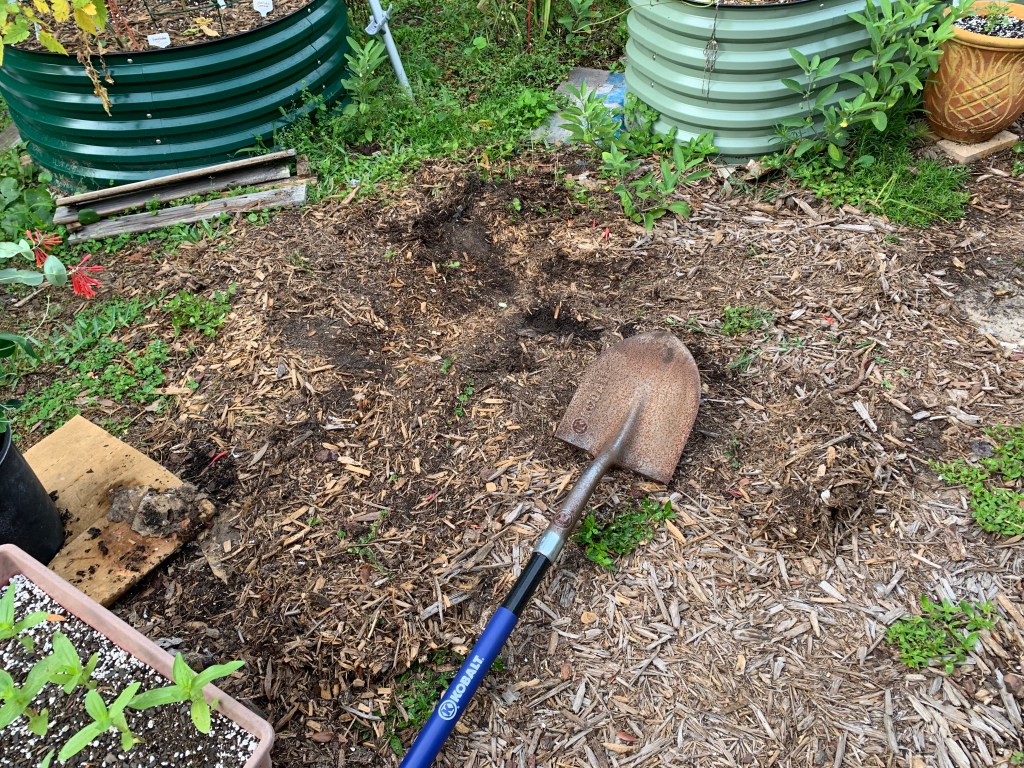
I chose a spot that would get lots of sun. This is a Florida native plant and it can take sun and heat. Read more about this vine at the IFAS Gardening Solutions: Coral Honeysuckle page.

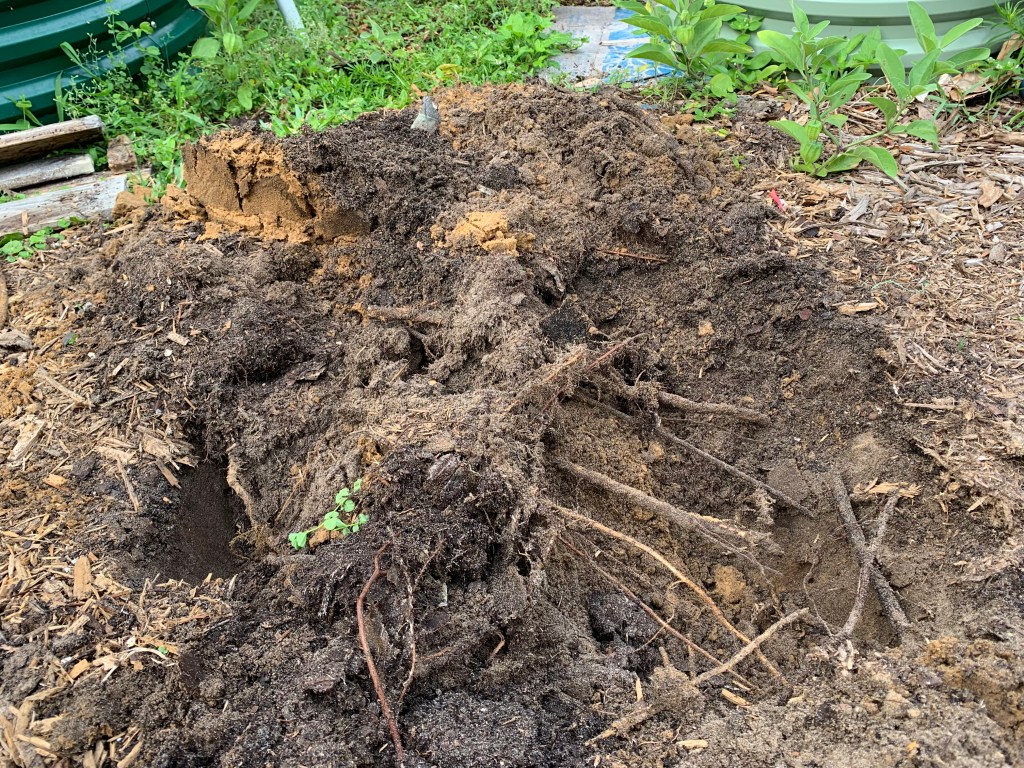
The hole was easy to dig, once I removed all the roots growing under the sand. Here in Florida, rocks are not a problem when digging, but you may come across pieces of concrete that were left behind from the building of the house.

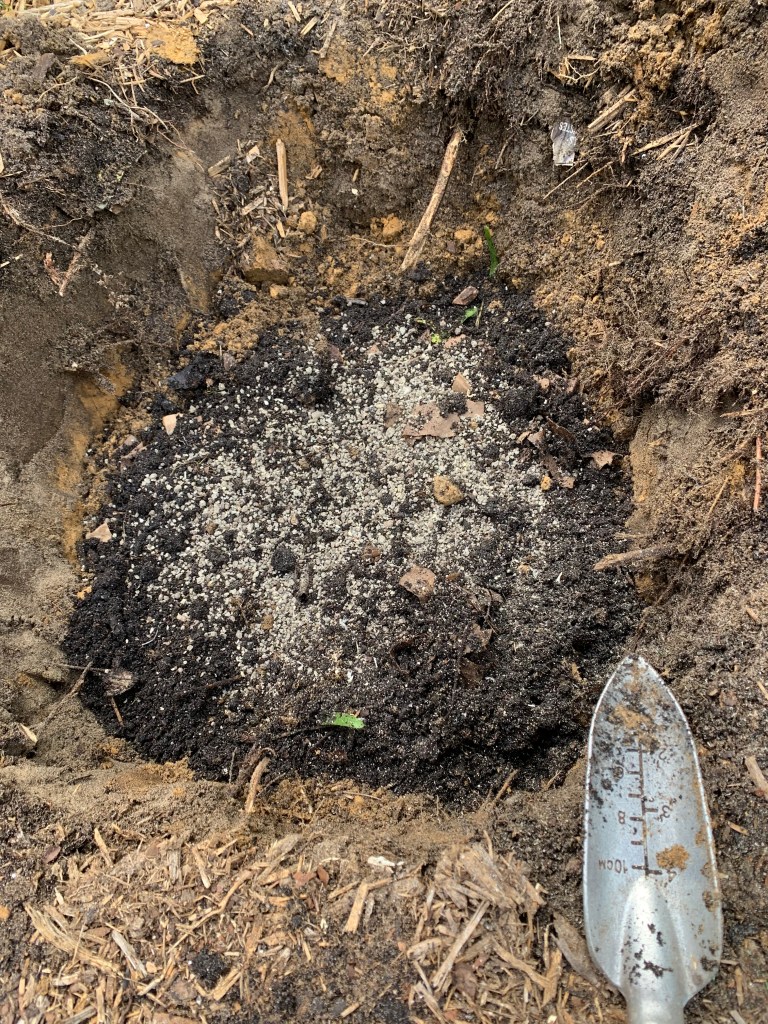
When checking out at the nursery, the woman talked me into getting a little bag of fertilizer to add to the hole. I also mixed in some of my own compost and a bit of Happy Frog, with the sand. BUT…. before I added dirt back into the hole, I placed my obelisk around the plant. That way the poles were down nice and far into the ground.

I also planted the tiny, mail order plant right next to the bigger plant.

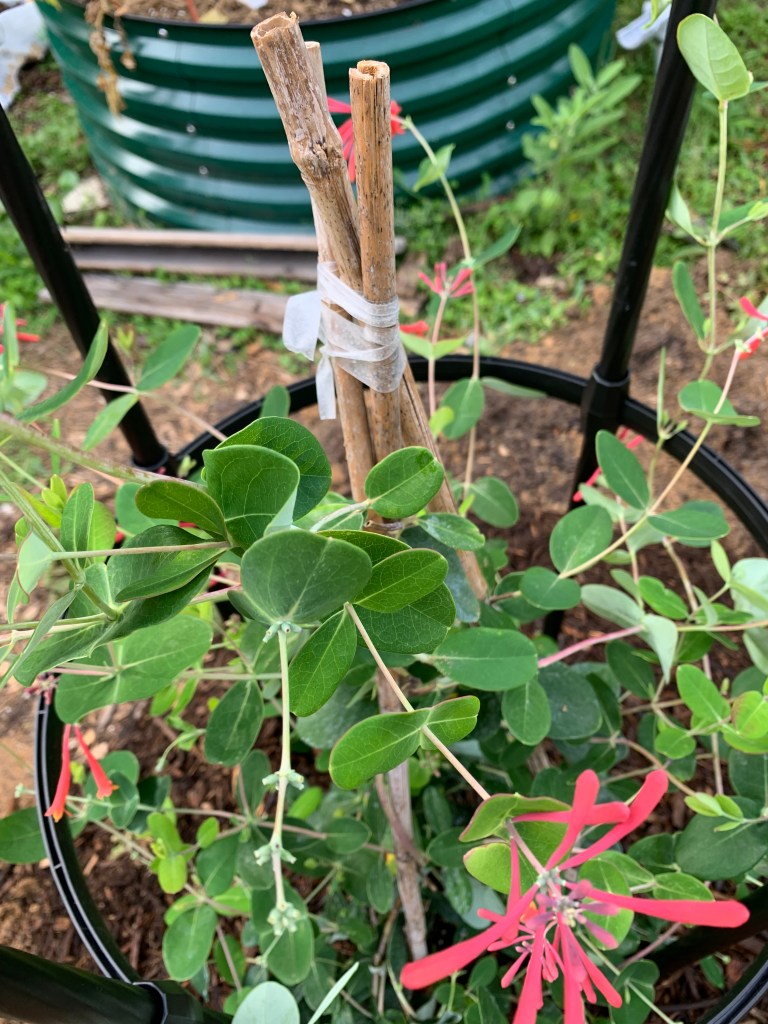
Once the plant was in the ground, I undid the ties holding the old trellis system. Three bamboo stakes were tied for the vine to wrap around. I planned to remove the bamboo completely, but decided to leave it in place. Much of the honeysuckle was already firmly wrapped around them.

I will train the vines to continue up the trellis. Once it gets tall, the hummingbirds should love it. I haven’t had hummingbirds since the Firespike plant lost its red flowers. Honeysuckle can loose its leaves in cold locations, but grows well in the entire state of Florida, Zones 4-10. It will bloom all Spring and Summer!

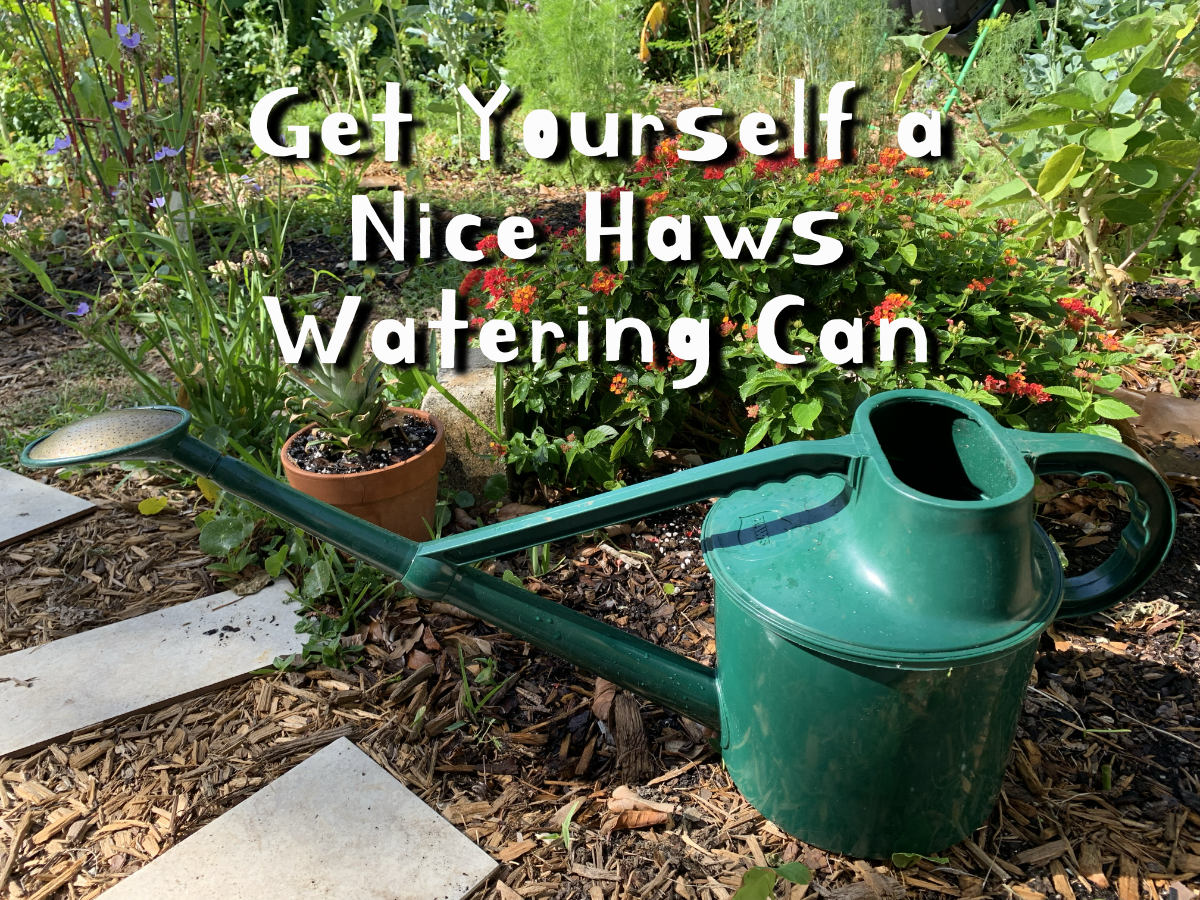
Once the mulch was down, I gave this new plant a good soaking with three fills of my Haws watering can.

Black obelisk over planted coral honeysuckle

Once the Coral Honeysuckle is established, it shouldn’t need much attention. I’ll keep it pruned to fit the round trellis.

The rainy season is here, and with our regular afternoon storms, this plant should do quite well.

garden divider leaves

Mail Order Native Florida Milkweed Seedlings Review

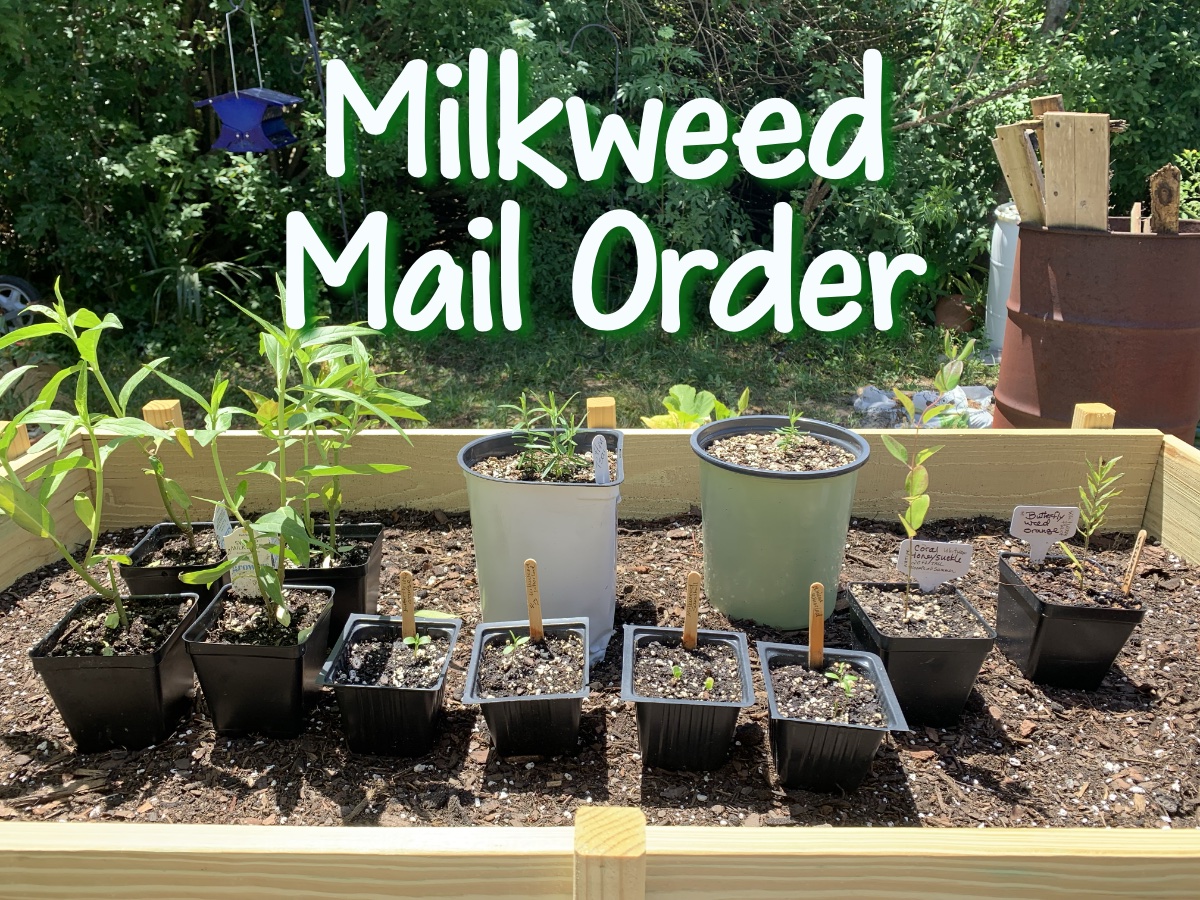
I’ve found a good place to buy milkweed plants online. Ordering plants online can be expensive, so the plants that arrive should be in great shape. Read my review of Whitwam Organics and The Growers Exchange.

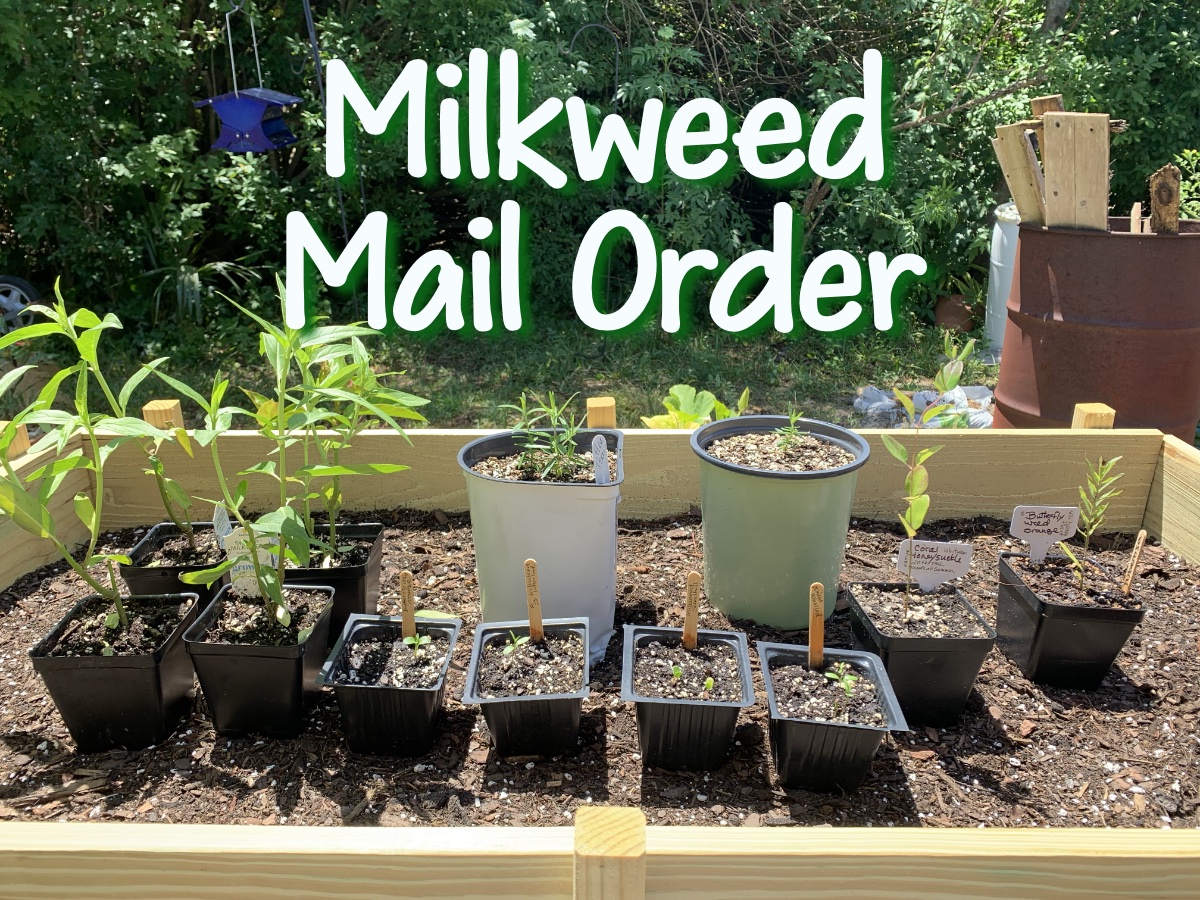
I need to get this recorded because I found a mail order company that sends nice plants. Here I am comparing the two companies that mailed me milkweed plants. The Growers Exchange and Whitwam Organics were the two I chose.

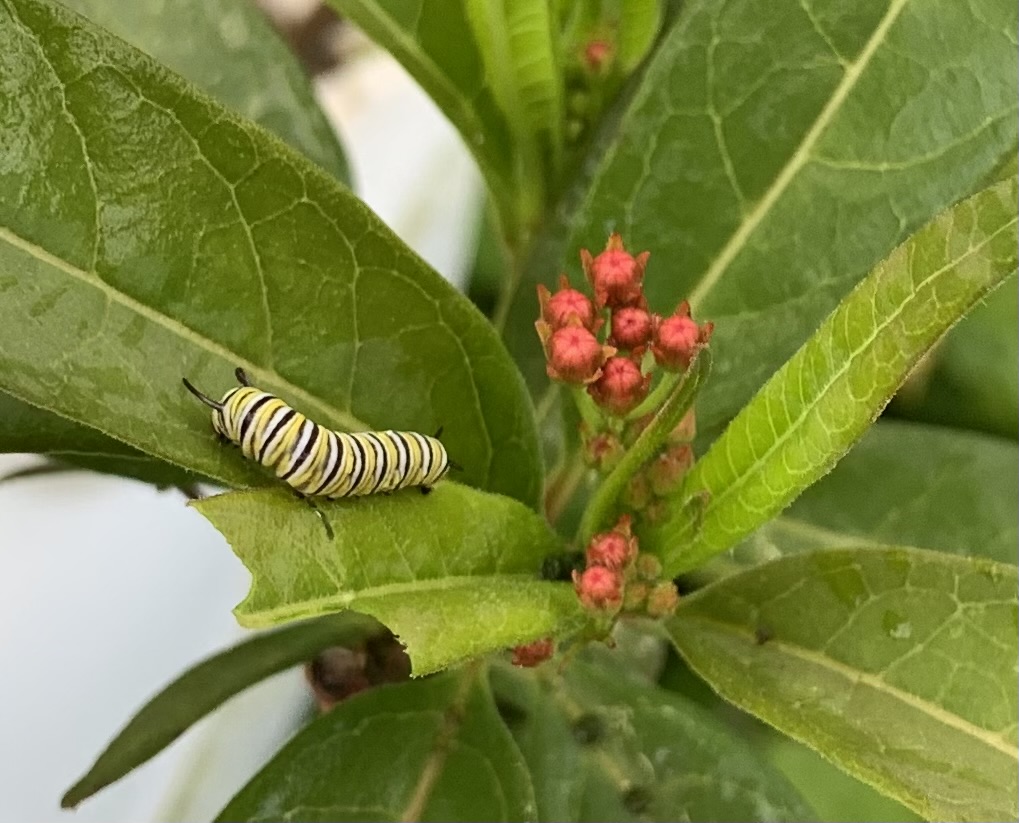
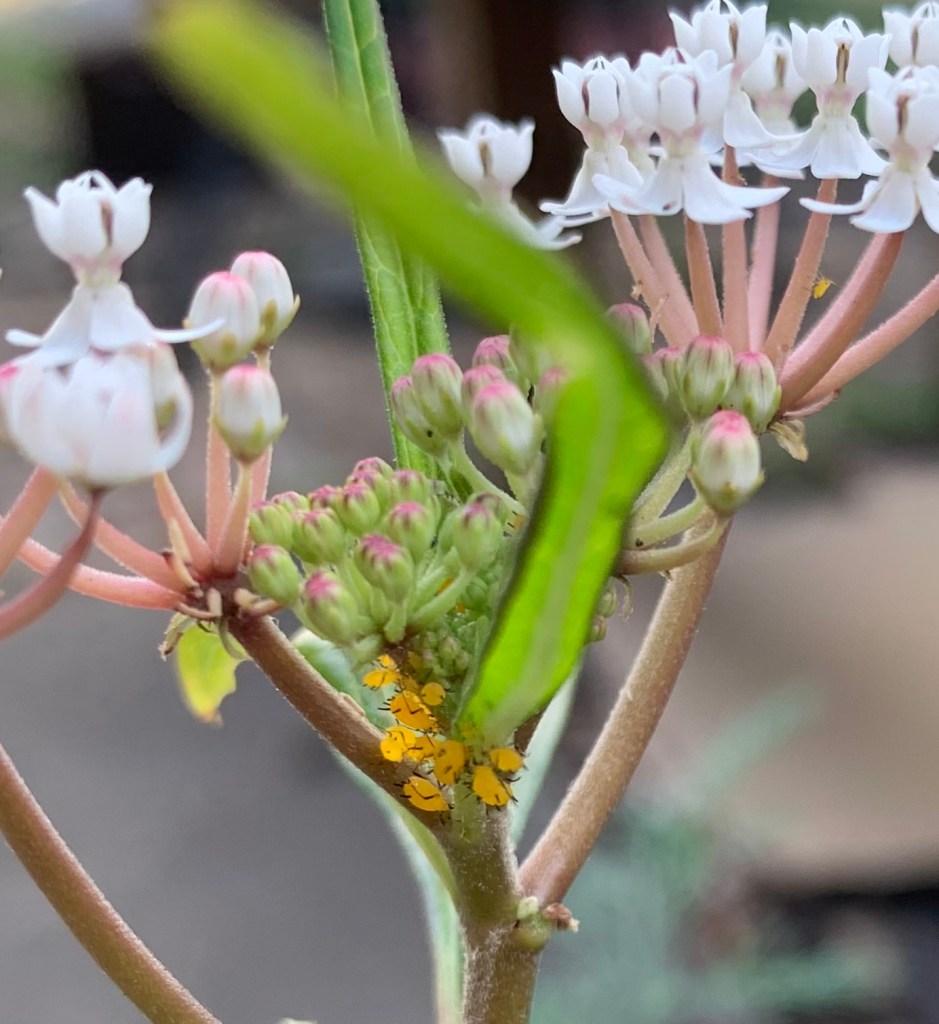
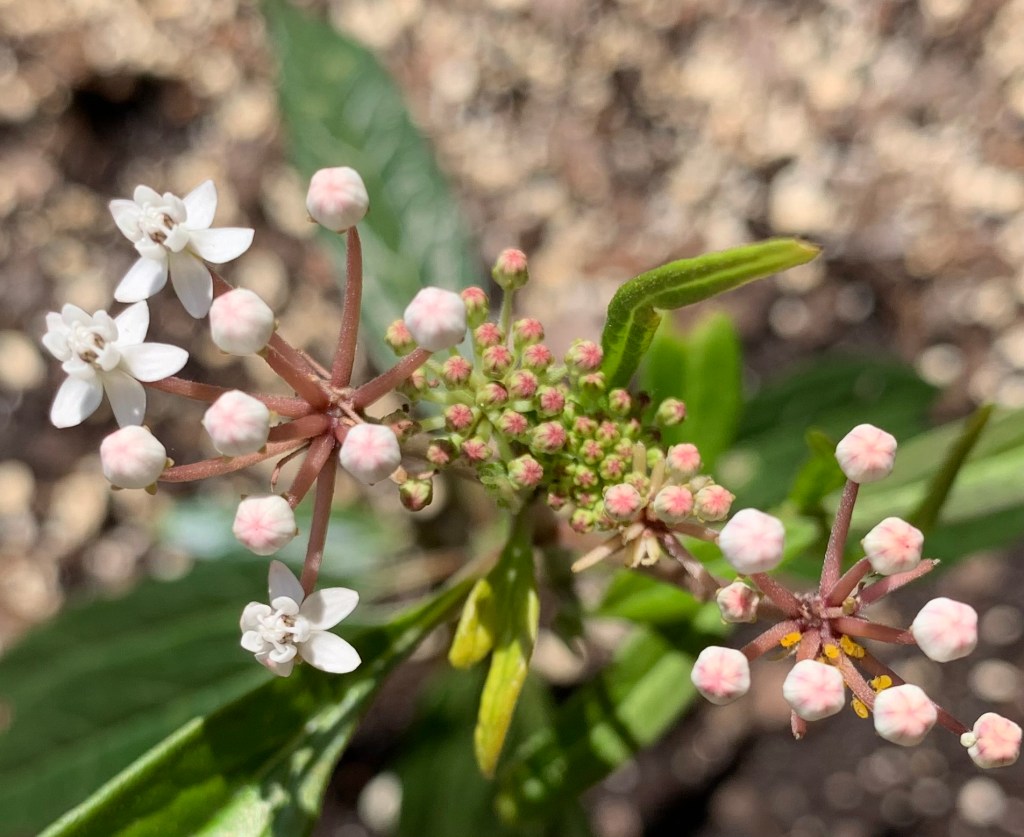
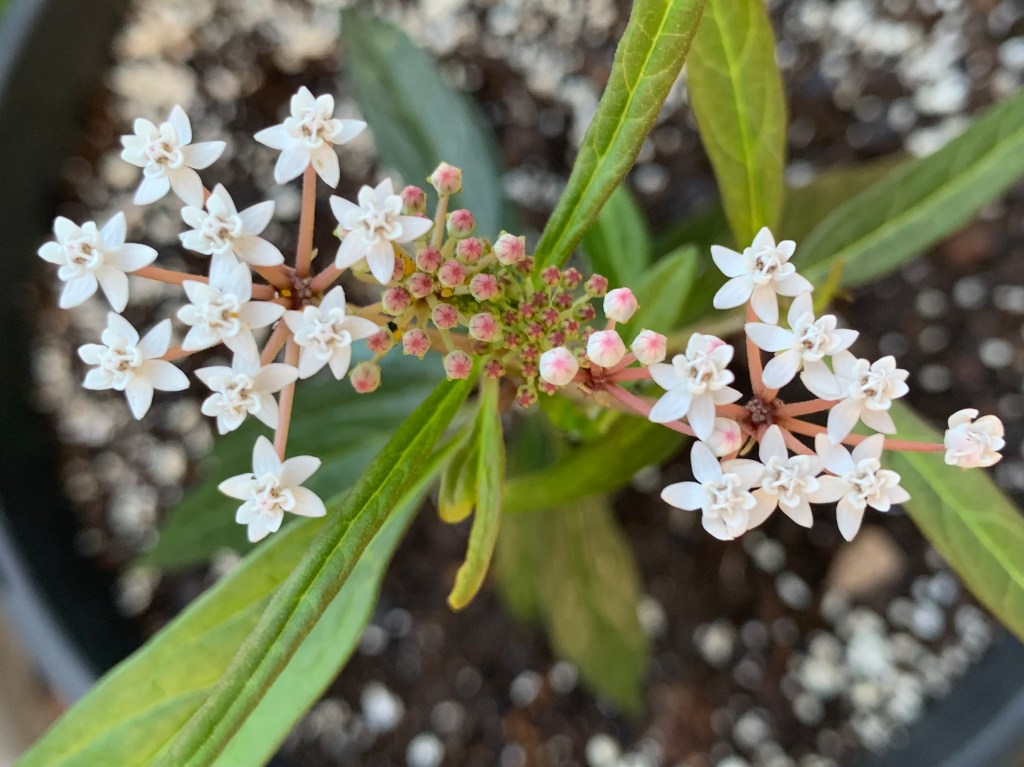
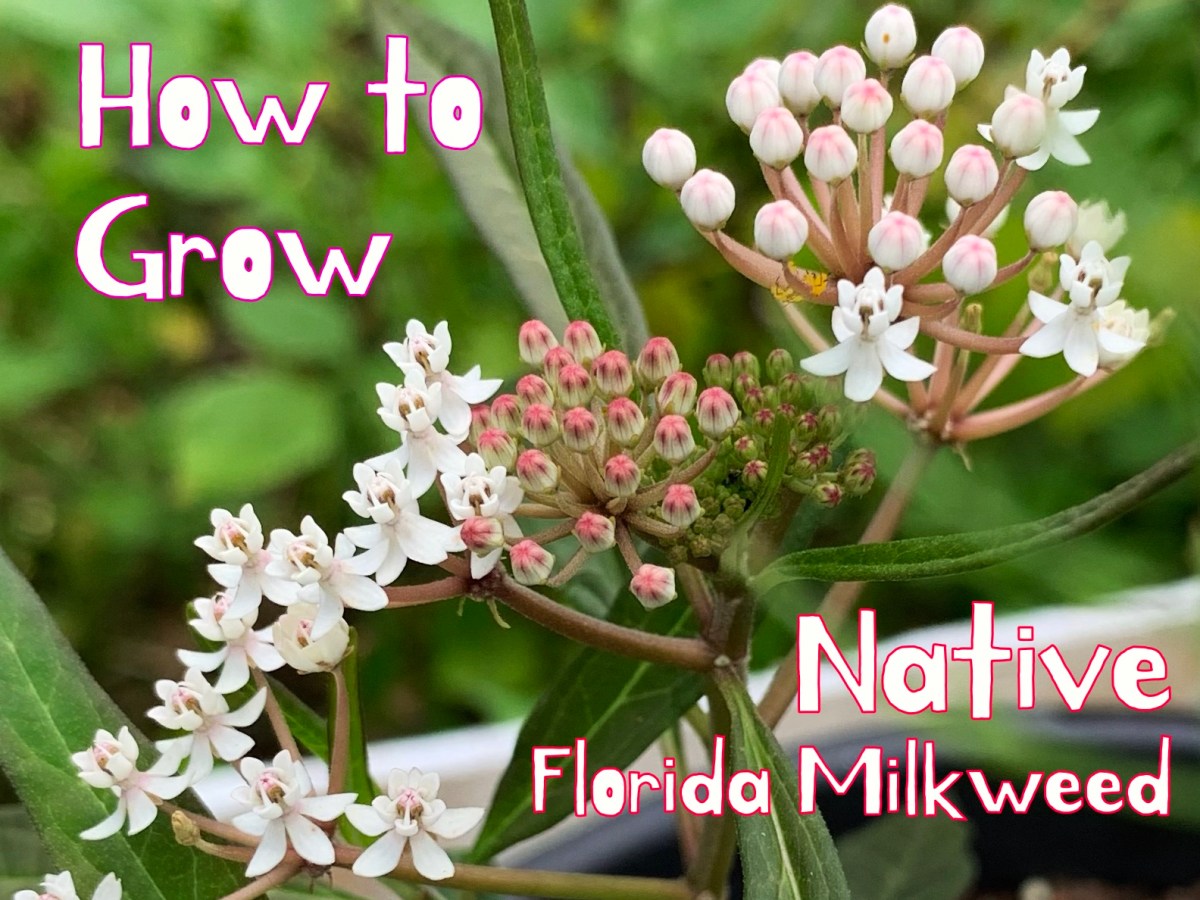
After my butterflies came out, I see all three of the Monarchs flying around the garden every day! The only milkweed currently available for them is the tropical type, and one small, blooming white Swamp Milkweed.

The more milkweed in the yard, the better chance for caterpillars to have enough food. At one time I believed that the Tropical milkweed was bad, but that may not be altogether true. Read more at the link.

The Need for More Milkweed

I ordered some seeds from Johnny Butterfly Seed. Those are popping up in small pots and beginning to grow nicely. Growing from seed can take a while. I wanted plants.

You may be wondering why I don’t buy local milkweed at a nursery. Well, for one it’s hard to find, and when I do see native varieties, the plants are not in good shape. The white flowering milkweed, in my first photos on this page, came from a local nursery. I bought the best looking milkweed plant and it was around $10. It’s looking good, but growing very slowly. I have no idea if it was grown organically, without chemicals. So, I began the online search for pesticide free plants.

Whitwam Organics

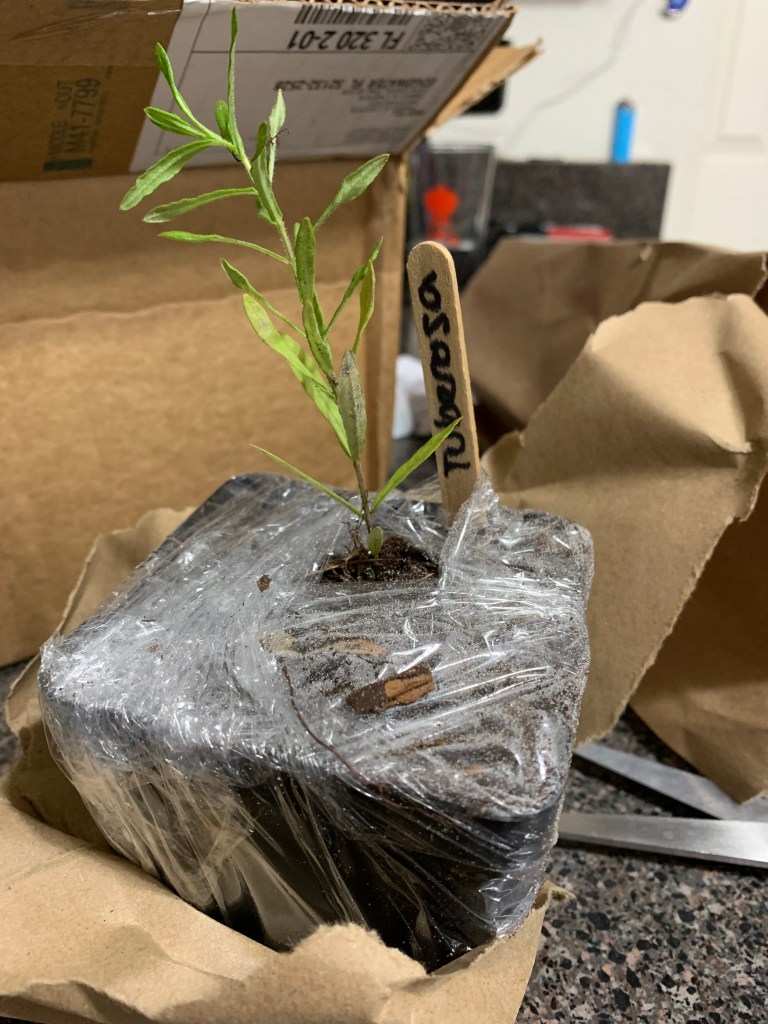
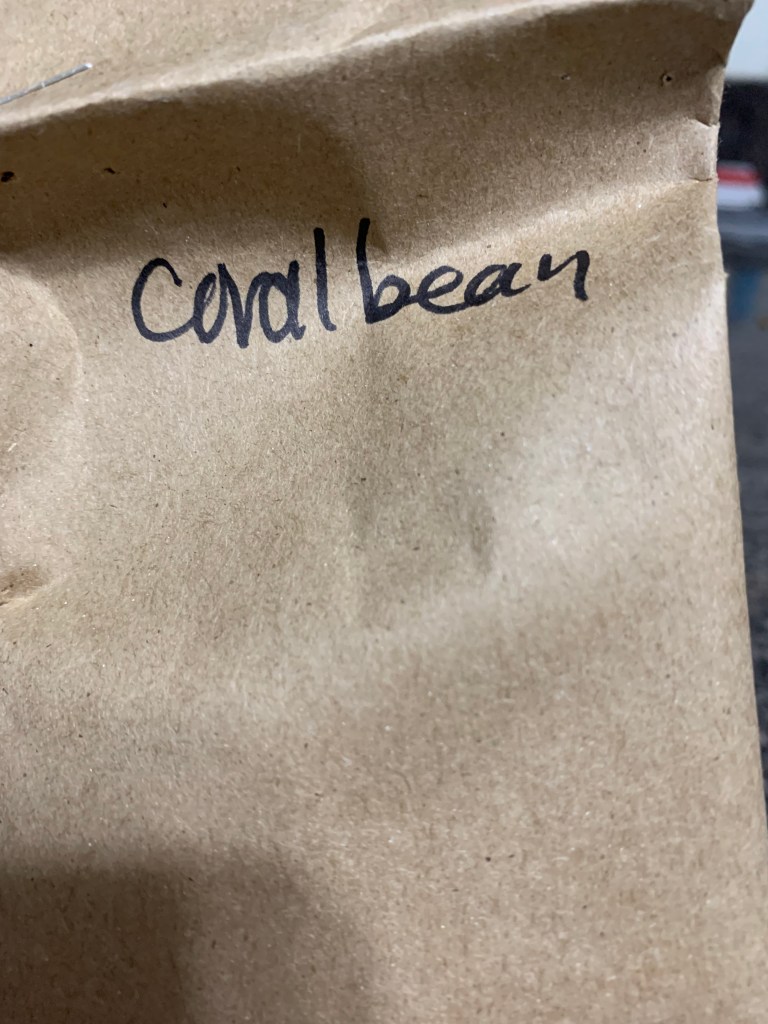
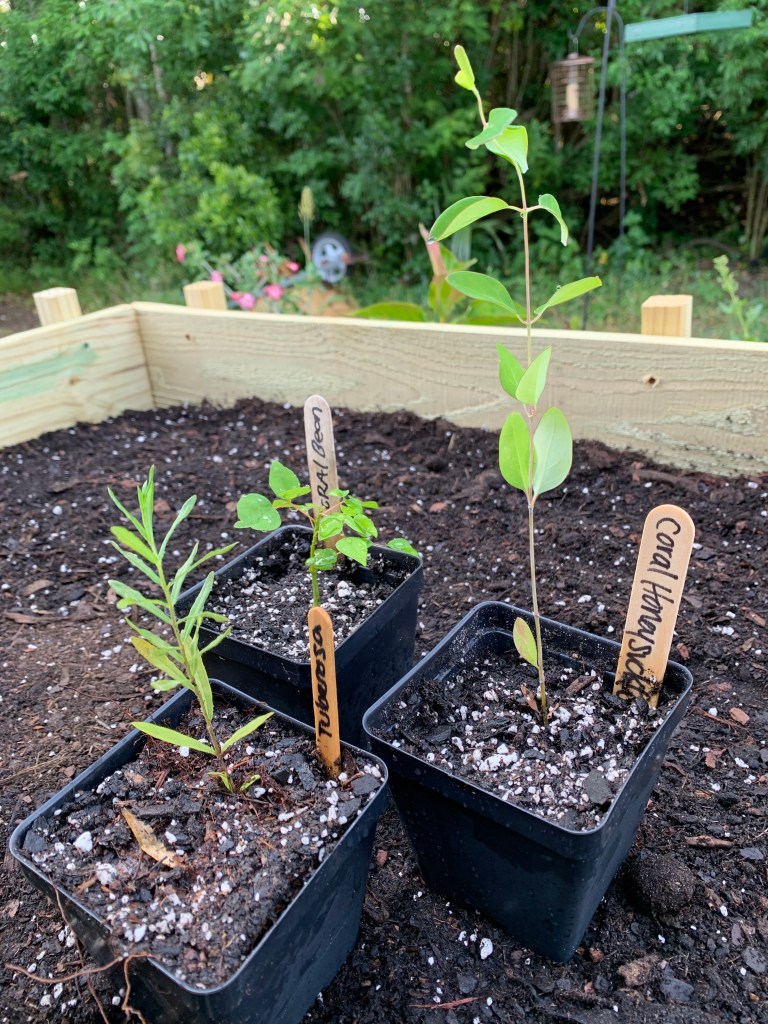
This post is about my order of live plants from two places. The first plants arrived from Whitwam Organics. They e-mailed a notice about delivery, and the plants ended up at my door at 8:00 at night! I suppose I can’t blame the company for the late delivery, but unboxing live plants at that hour really ticked me off. The plants are; a Coral Bean, Coral Honeysuckle, and Orange Butterflyweed (milkweed).

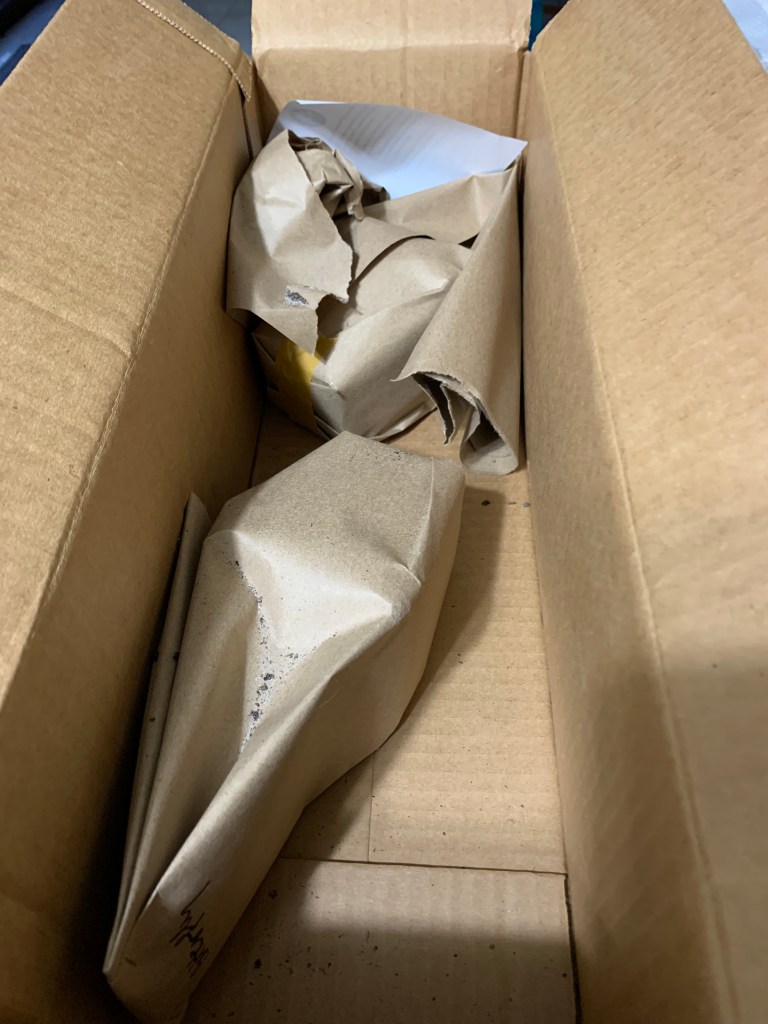
The Whitwam plants were unboxed in the house, until sand began to come out all over. I took them outback to finish and set them inside on the porch for overnight.

The photo above was taken the next day. The packing was sufficient, but nothing special. Plastic wrap mostly kept the soil in the pots and then the entire plant was closed up in a paper bag. The soil is more like Florida sand than potting soil. The dirt you see in the big photo is after I filled in what was lost when the dry sand poured out. All three plants look okay, but they are small. The Milkweed has lost a few leaves.

Cost: $42.57 which includes shipping and tax. Not really worth it IMO as these plants are very small.

green divider leaves long

Growers Exchange Milkweed Seedling Order

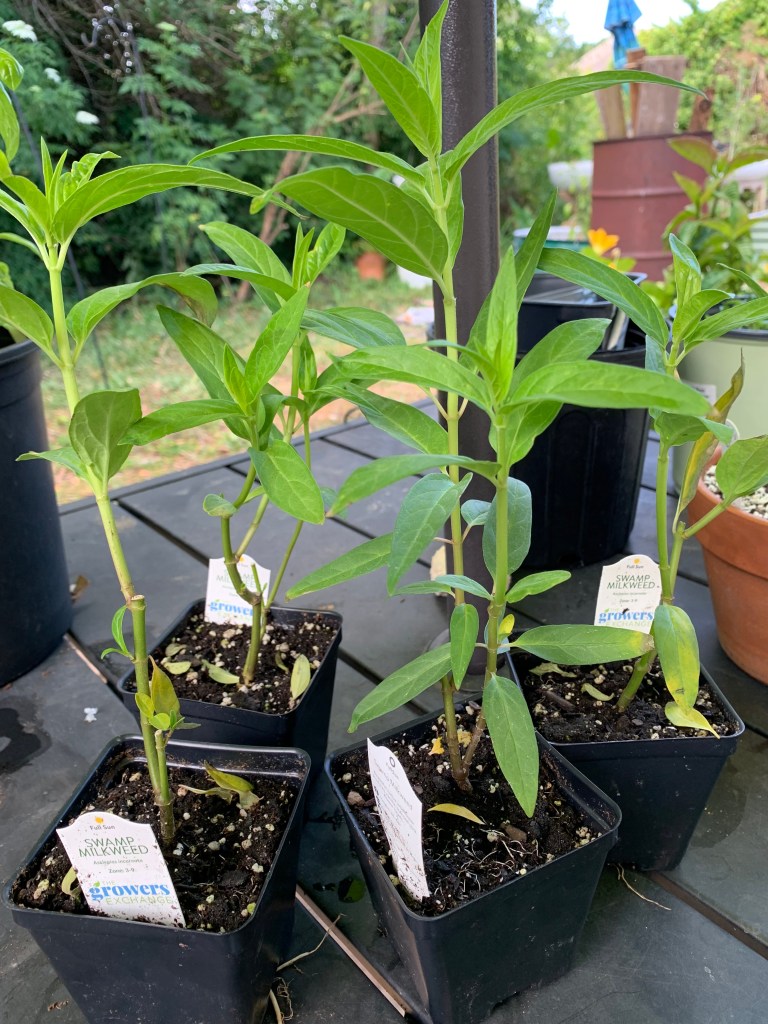
I ordered four Pink Swamp Milkweed from The Growers Exchange. These were not labeled organic, but the site says they do not use any chemicals when growing. The site offers lots of herbs and medicinal herbs, but they also have a few varieties of milkweed.

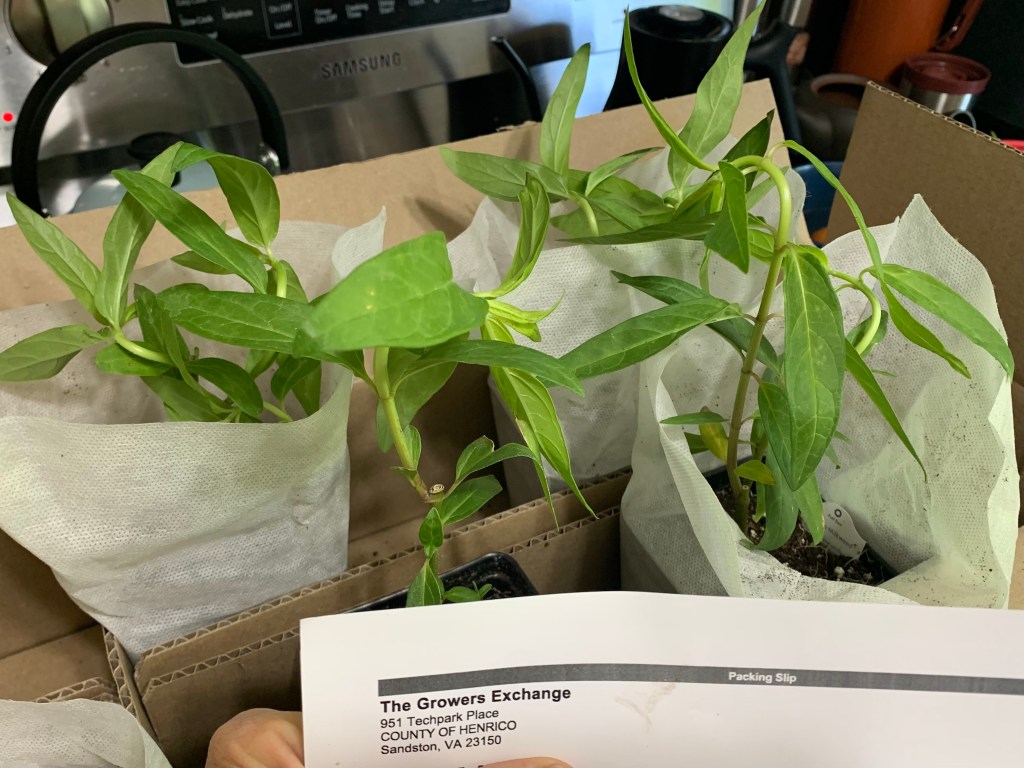
I was very impressed with the boxing and size of these milkweed. (This milkweed is a different variety than the one shown above from the other company.)

All four plants were wrapped around the pot to keep dirt in place. Each pot was tucked inside a cardboard divider which kept the pot in place during travel. The plants were so tall that the tops were bent over to fit. They straightened up completely within two days.

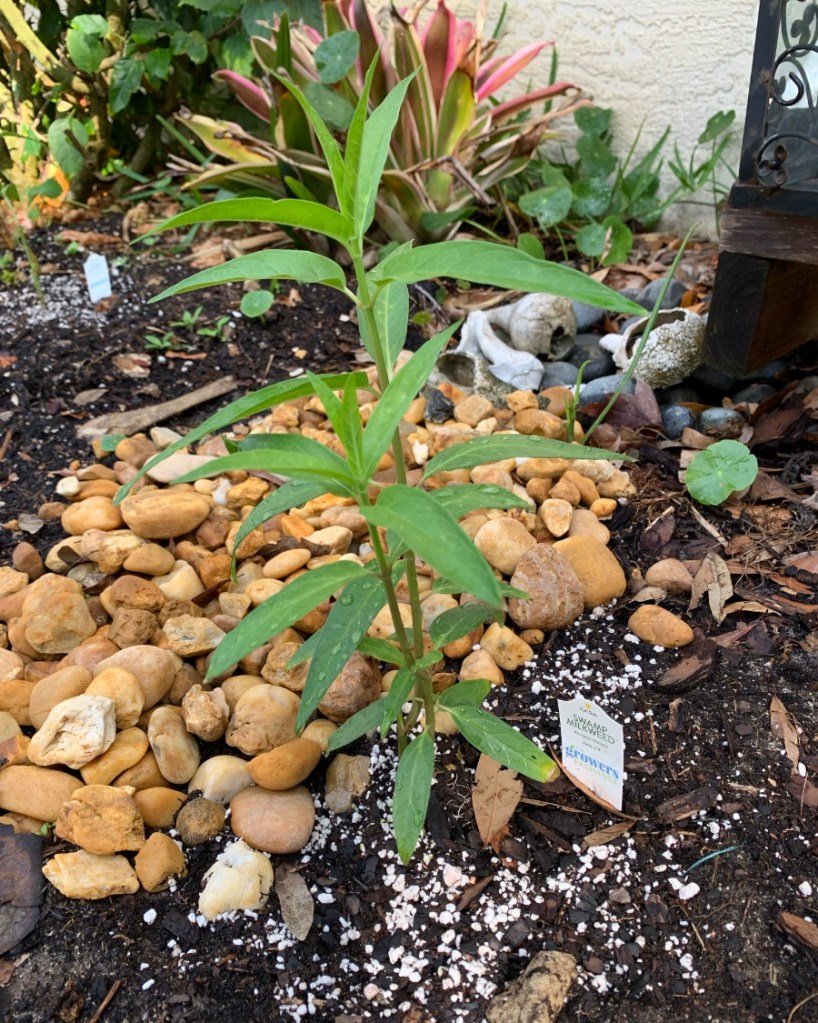
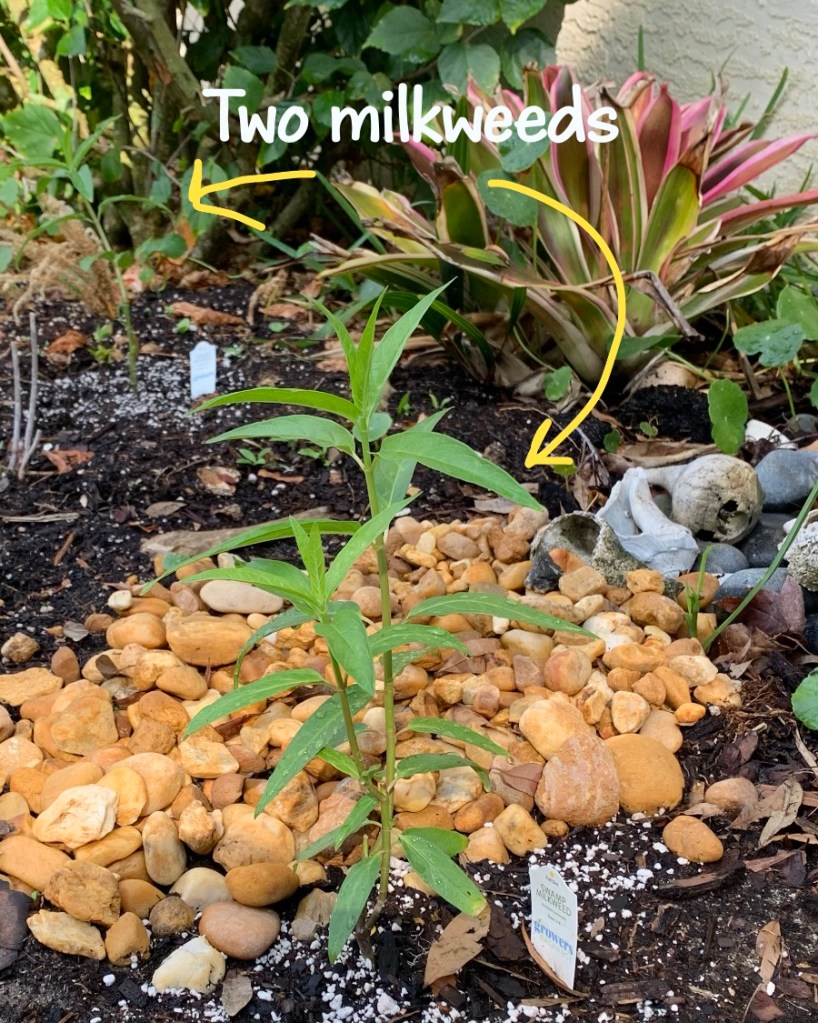
After unwrapping, I watered them, and set them on the porch, out of direct sun, for two days. After that they went outside for a couple of days. Now I have two in the ground, and two in larger pots.

Swamp milkweed likes it wet, which makes sense. Especially while it is setting roots, I want to keep it well watered. Our drought continues, which means I water every day.

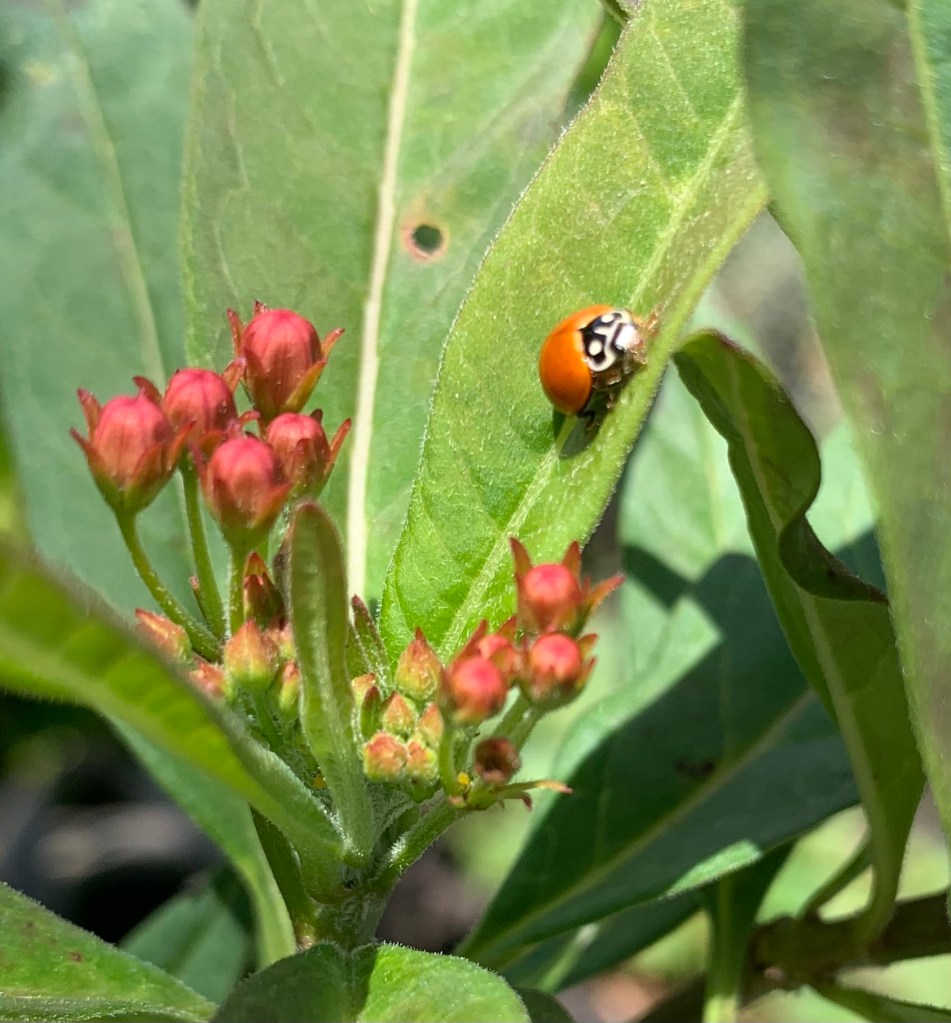
I am absolutely impressed with this milkweed plant order. They offered a discount of 20% (I think it was), and the total for these four plants, with $15 shipping was $50.89. The plants are healthy and large and I am happy. I’ve already seen lady bugs and the Monarch on these!

I’m considering having a herb garden in the future. I need to learn more about when to plant which herbs. The Growers Exchange might be my go-to shop for those.

How to Care for Live Plants

Both companies mentioned here has fairly quick shipping. I’d say the plants arrived in about a week’s time. Shipping also depends on the growing zone, and time of year. Each company has it’s own information.

I’ve pretty much mentioned on this page how I cared for the plants when they arrived, but here’s a recap. Unbox immediately. Check the soil and re-fill if necessary. Water them well! Here in Florida, do not set them out in the sun right away. Due to the stress of being packed and traveling for days, give them an easy life in the beginning. Give them light, but no direct sun. Keep them watered and watch for signs of disease.

Have you purchased native, organic (or chemical free) local milkweed – or other plants – online? Please leave us a comment on how it went.

butterfly divider flowers

Something went wrong. Please refresh the page and/or try again.
May Garden Photos With Plant Updates

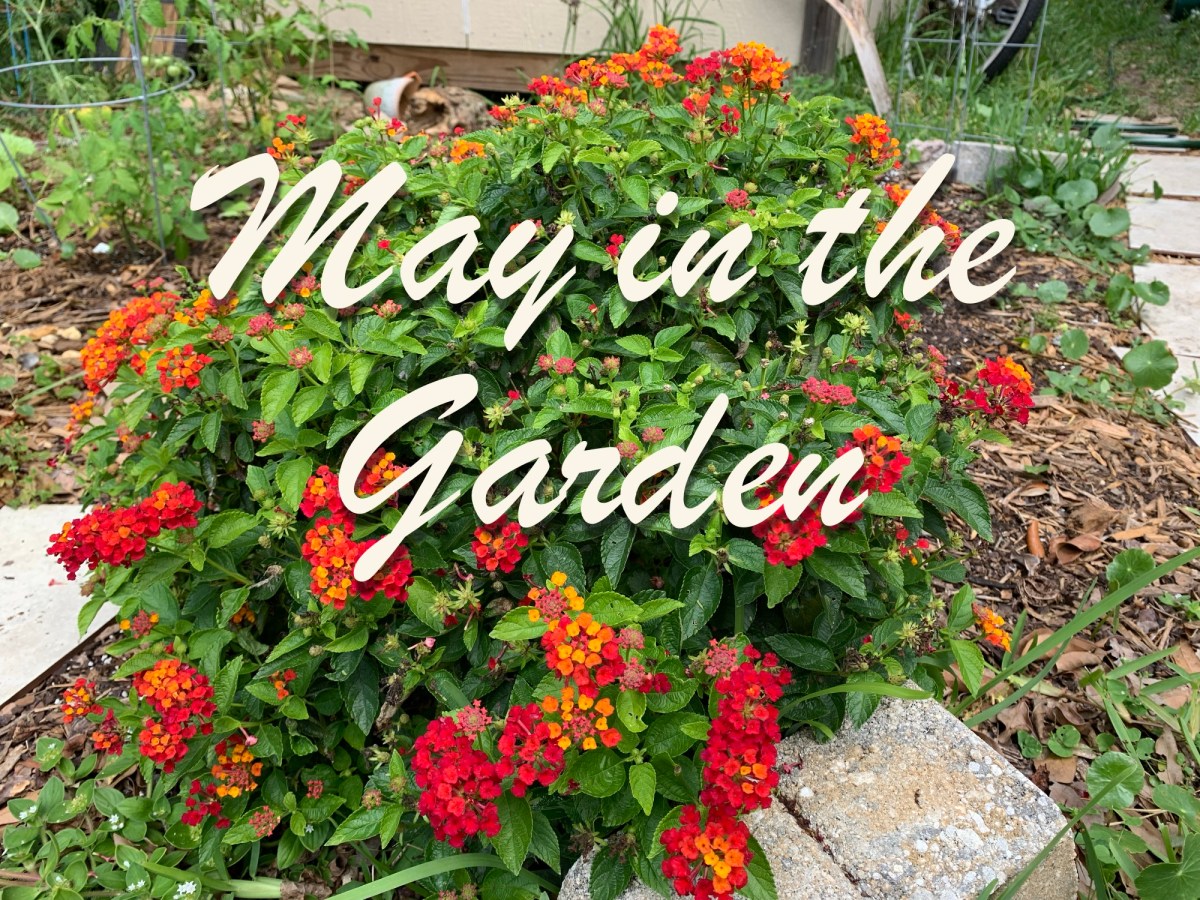
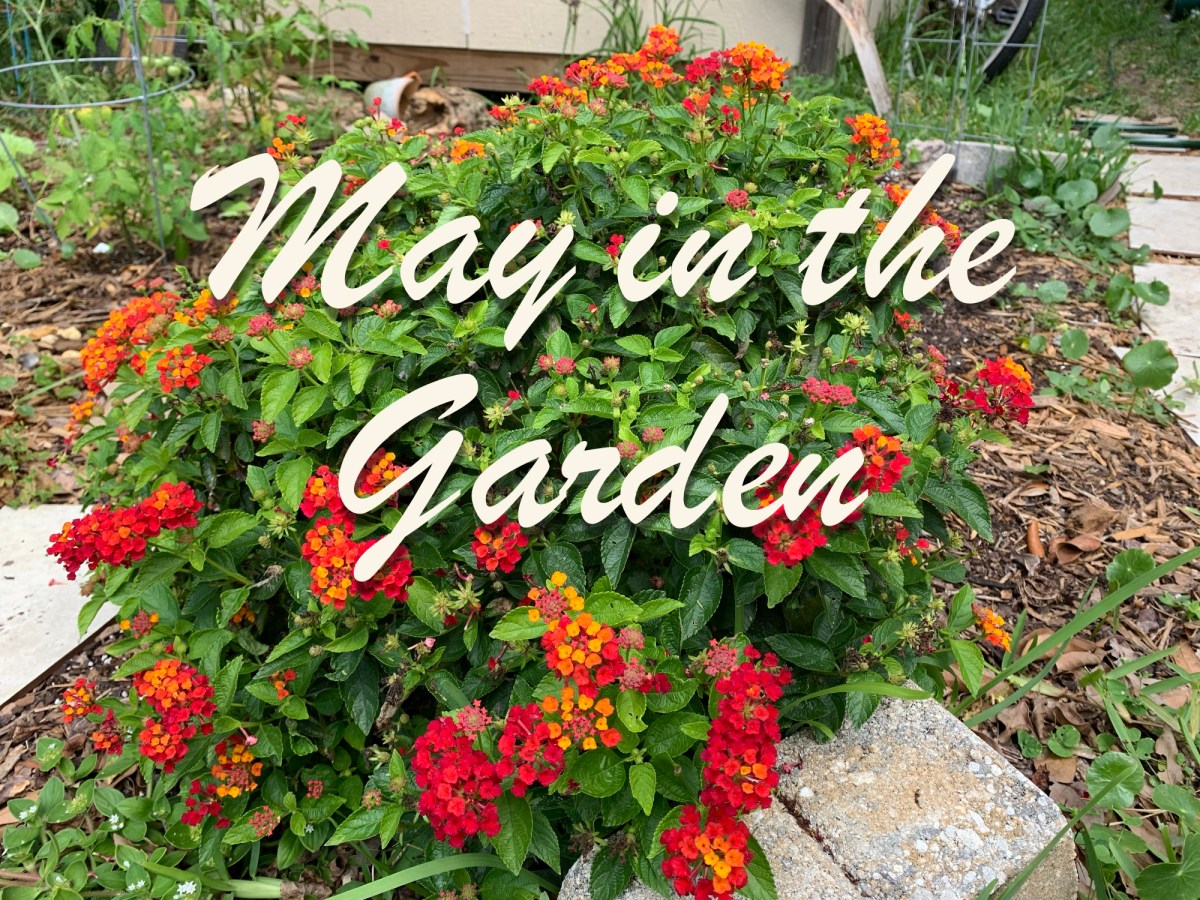
May in the garden is mostly about finalizing the switch from winter crops to summer. This quick post shows photos of some of what I have growing at this time.

Now that May is here, the super hot weather is not far behind. Hopefully it will also begin to rain occasionally! My garden beds are mostly planted.

I’ve been on a milkweed growing kick, so I have lots of little pots going. I do not love having to monitor tiny pots, and the smallest seedlings will stay on the porch. More about my milkweed later.

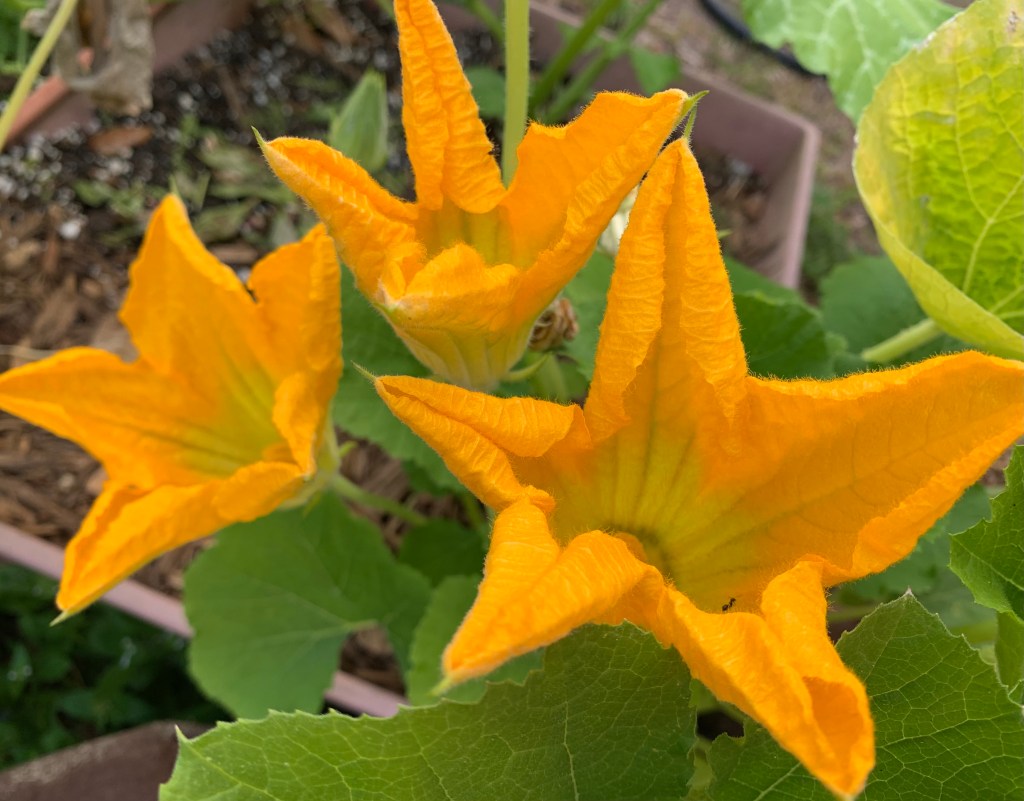
For now, the Seminole pumpkins are growing vines. I have a random (spaghetti?) squash that came up. However, the vine doesn’t look great. My winter basil is still growing, with Tulsi Holy basil seeds sprouting for summer.

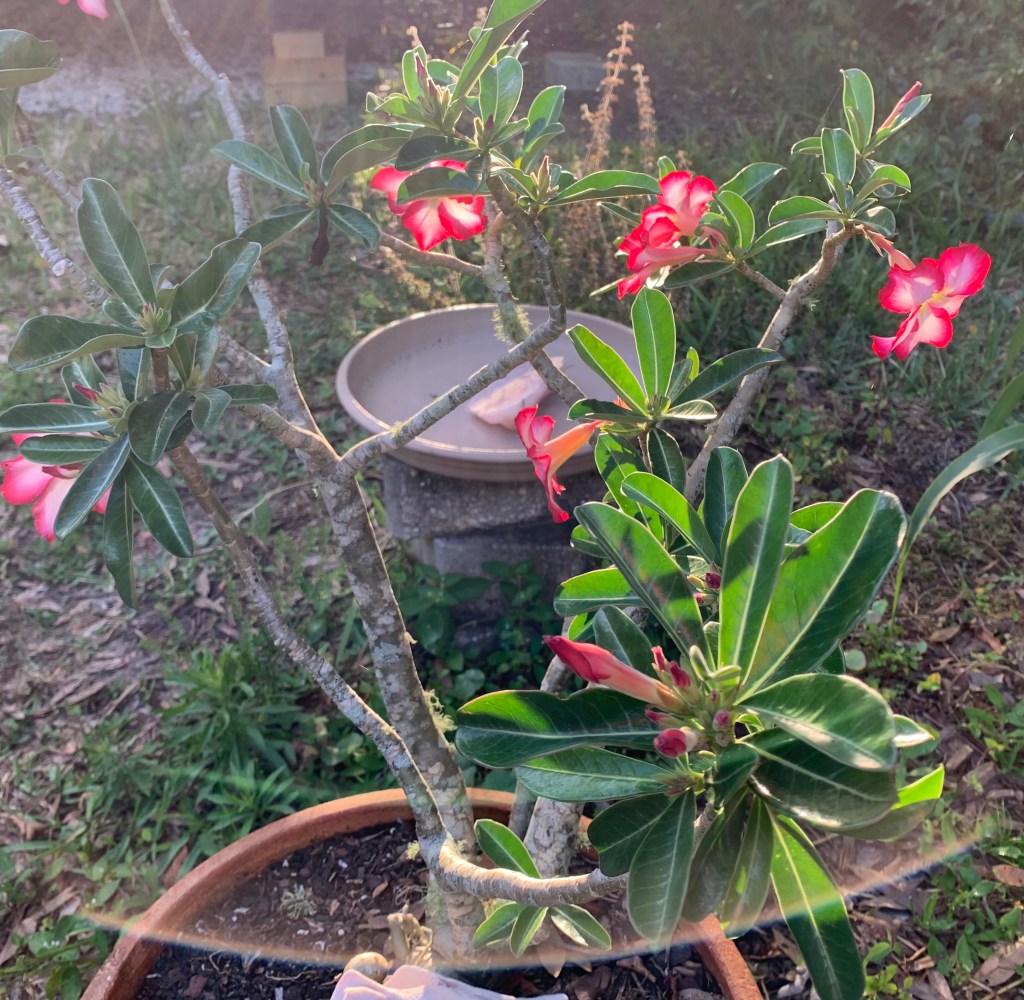
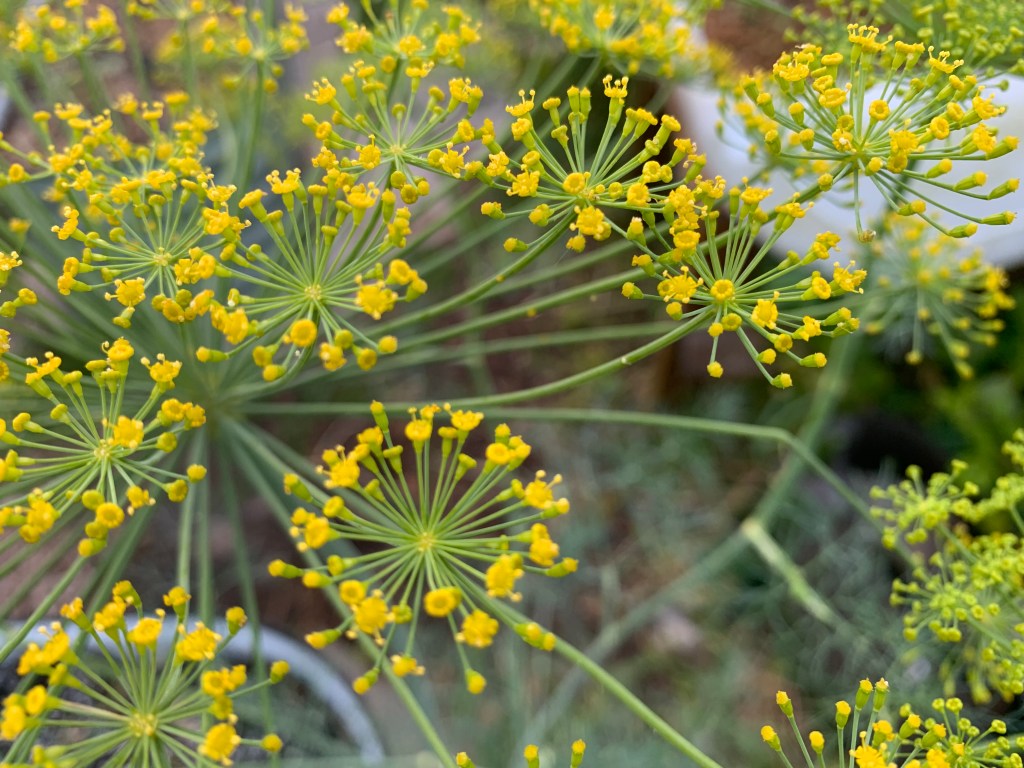
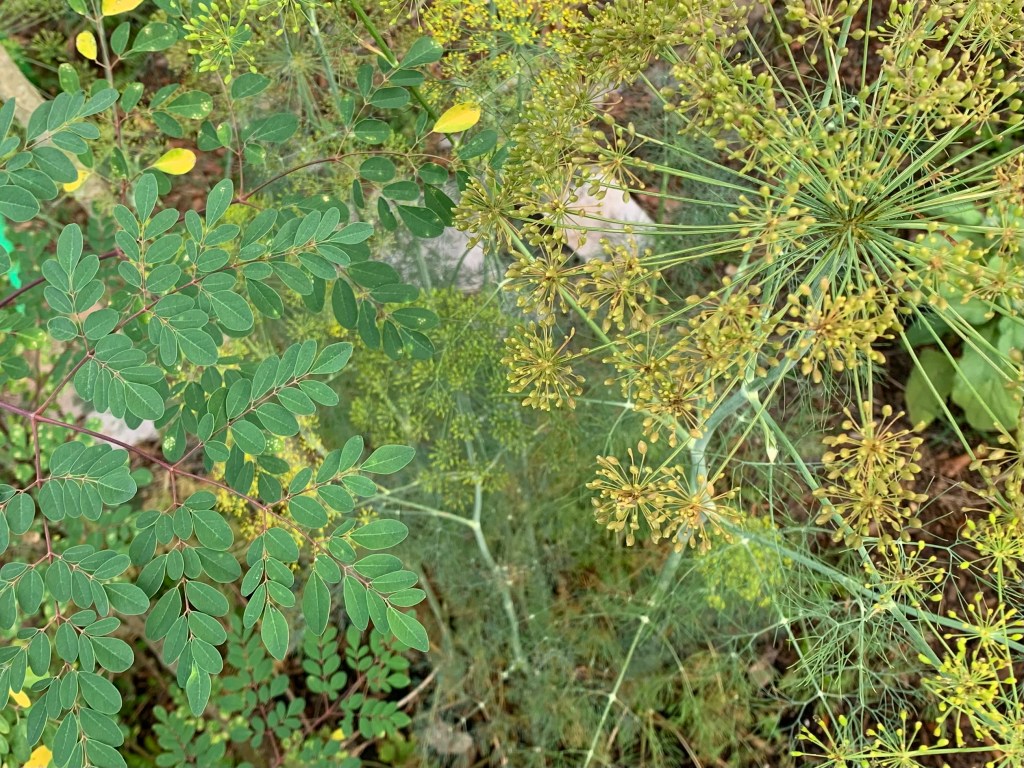
The Desert Rose has come back from the dead (dormant really), to give a pretty display of bright pink flowers. The dill plants are everywhere, and most are flowering, but some have already gone to seed. I’m hoping for black swallowtail butterflies to show up soon.
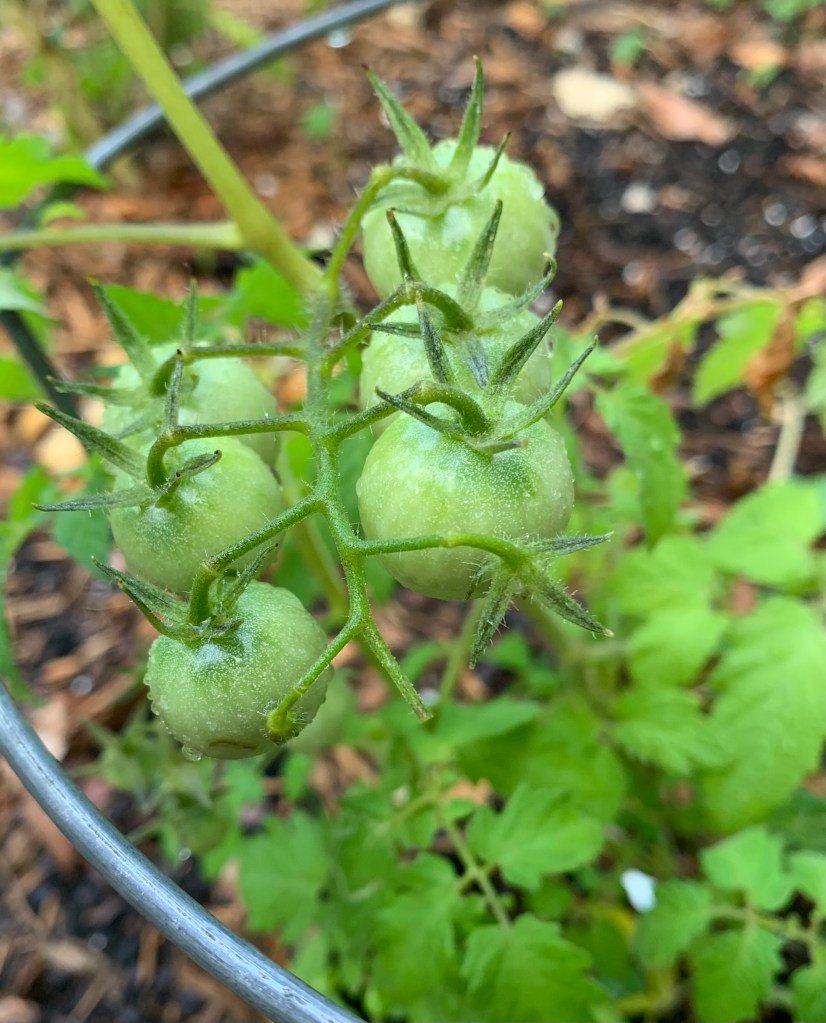
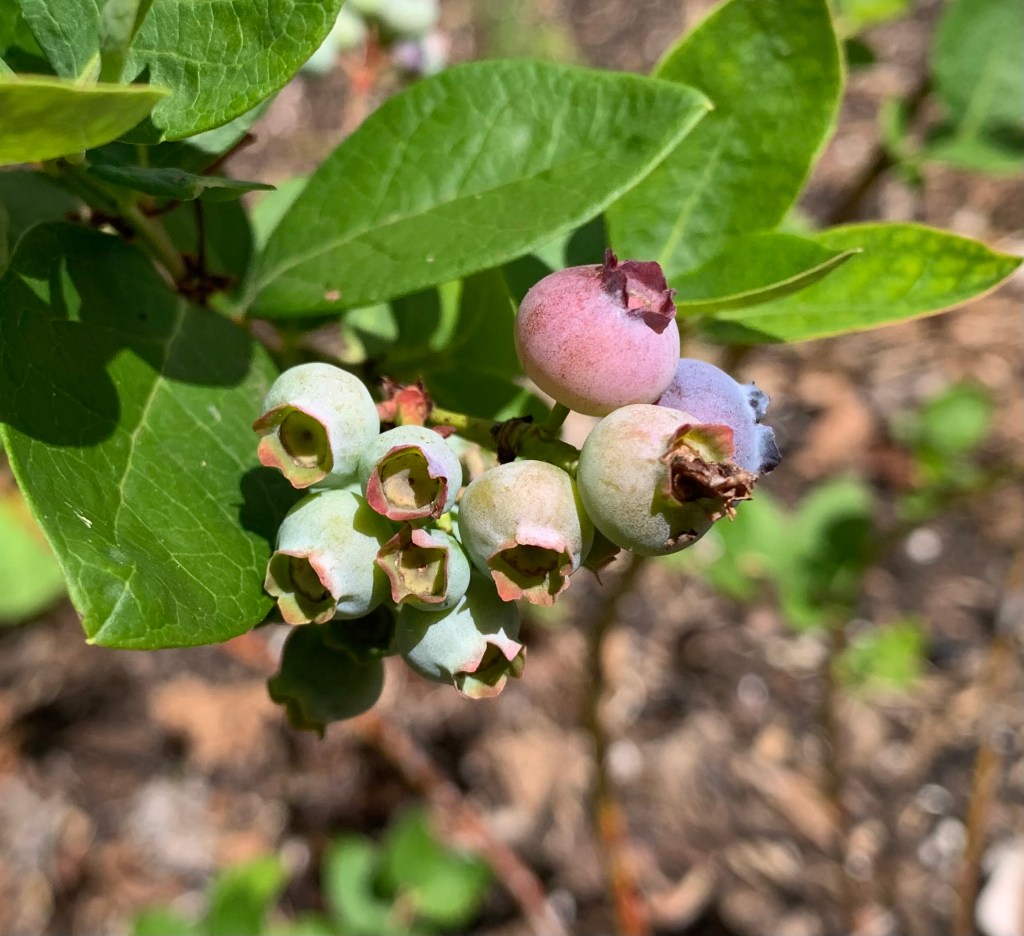
I ate three blueberries on May first! And more blueberries are on the one and only plant. I’m eating a few banana peppers, and waiting for the Ubatuba pepper to turn red. The cherry tomatoes are ready randomly, so I get a few here and there. I was finally able to grow an Everglades cherry tomato plant from seed.
No water is falling from the sky, so every morning I am out keeping the plants alive. The sun is very hot during the day and things dry out fast.

My cat had to have a growth removed from her back and now she is in recovery mode. Nothing stops her from wanting to be outside. The photo above shows her in one of her happiest places. In the garden path, with her nose in the oregano.

If you are in Florida, I hope your garden is in full summer mode. If you are just coming out of a long winter in the north, you will be planting soon.

Something went wrong. Please refresh the page and/or try again.