A Busy Spring Where Gardening Never Stops

Spring is a busy time for me with garden plans and life plans colliding.

In Florida we don’t get a break from the growing season. Something is happening year round in the garden and yard. In a way, this is good. What fails at one time of year can maybe be tried again in a few months. We don’t have to wait an entire year for the growing season to return.

It also means we gardeners stay busy year round, planning and planting. This is only my second year trying to expand and grow here in east, Central Florida.

Plans and Planting and Juggling it All

Every time the first of the year rolls around, I find myself swamped. This was true even before I began to garden.

After cleaning up from the holiday season this year, we had a few camping trips planned. Also, both of my cats had to go to the vet for their annual shots, AND I needed to get new eyeglasses. (Did I mention it is also an expensive time of year?)
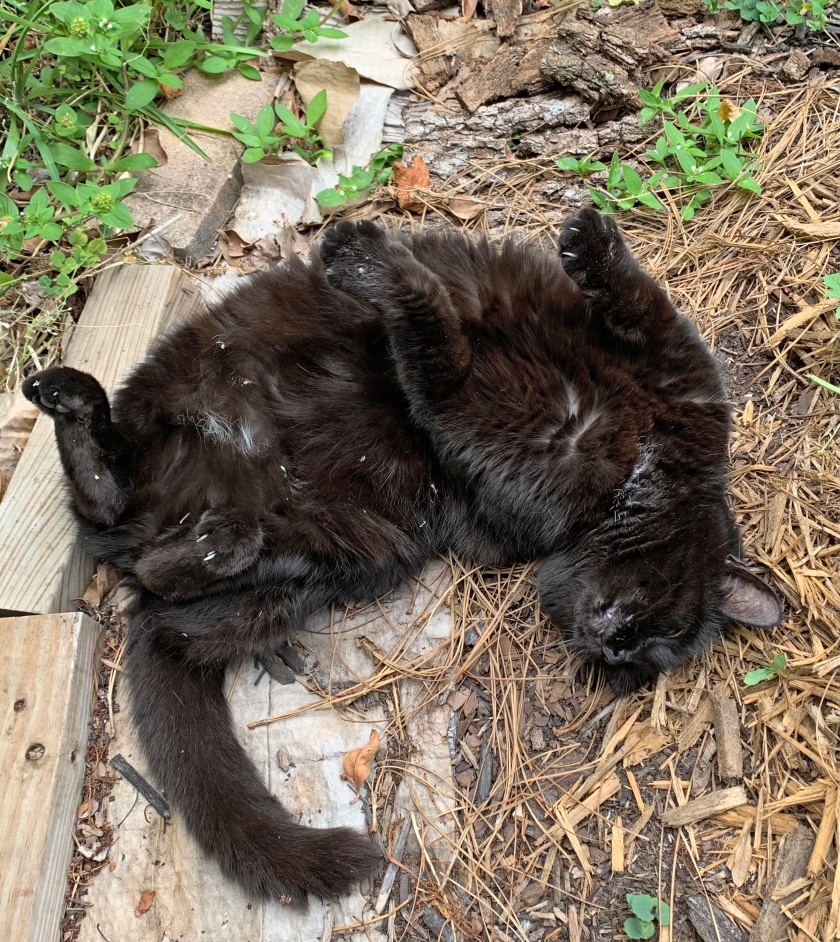
Skittle black cat on back
Skittle – Learn to chill like a cat

My high school class reunion (a milestone 50th, wow) was being held in April. I had originally planned to skip it, because it meant traveling to New England. My daughter wanted me to come up to New Hampshire for a visit, so I combined the visit with the reunion. But first, my youngest son came for a visit! Busy, busy.

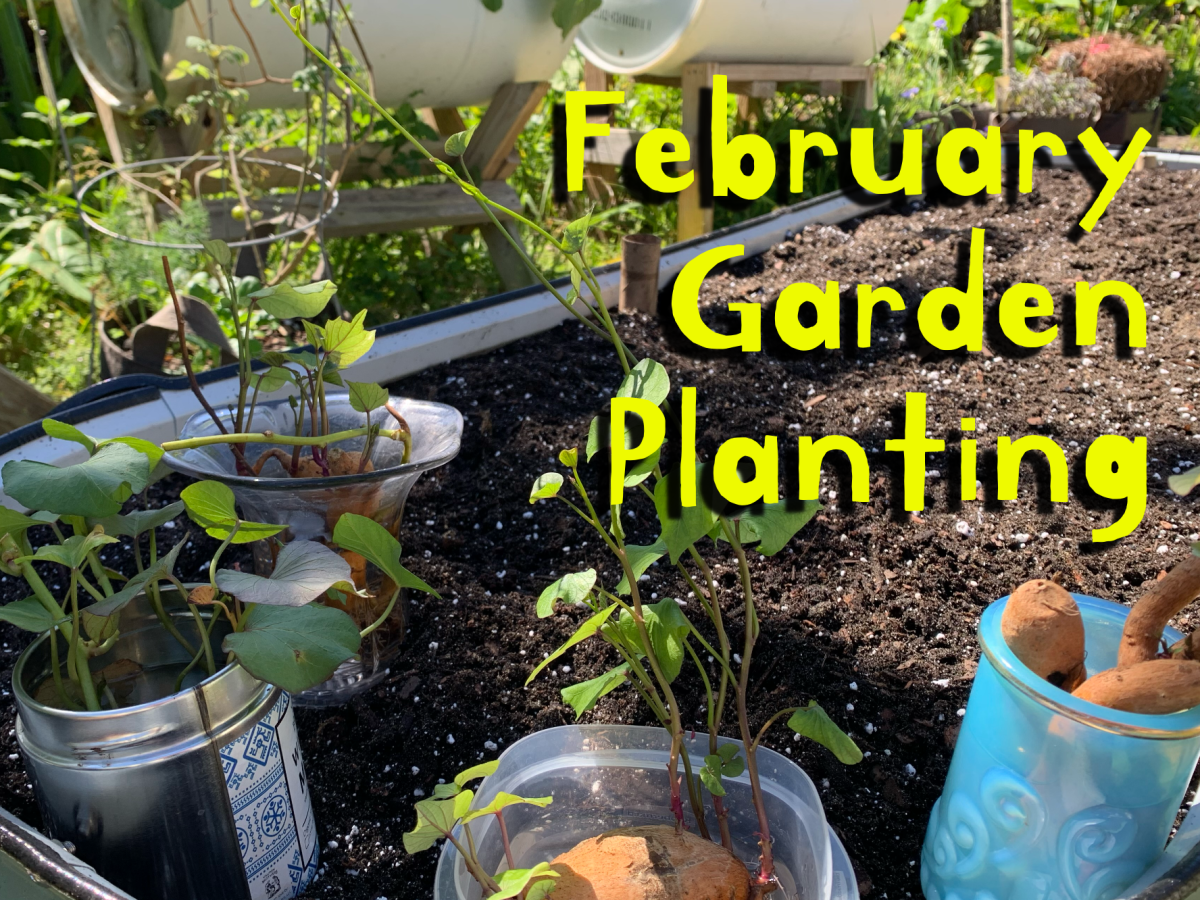
In between all these life plans, I had to do Spring gardening. I bought mulch, compost, and seed packets. Transplanted crops beginning in February, and did weeding, cardboard layering, digging and watering.
While I was up north for two weeks, we got ZERO rain in the area of Florida where I live! My son was watering, but without good soakings, the ground all dried out. Once I got back home, I spent every morning trying to get water into the ground for my plants.

Finally, almost a week later, we had some much needed rain.
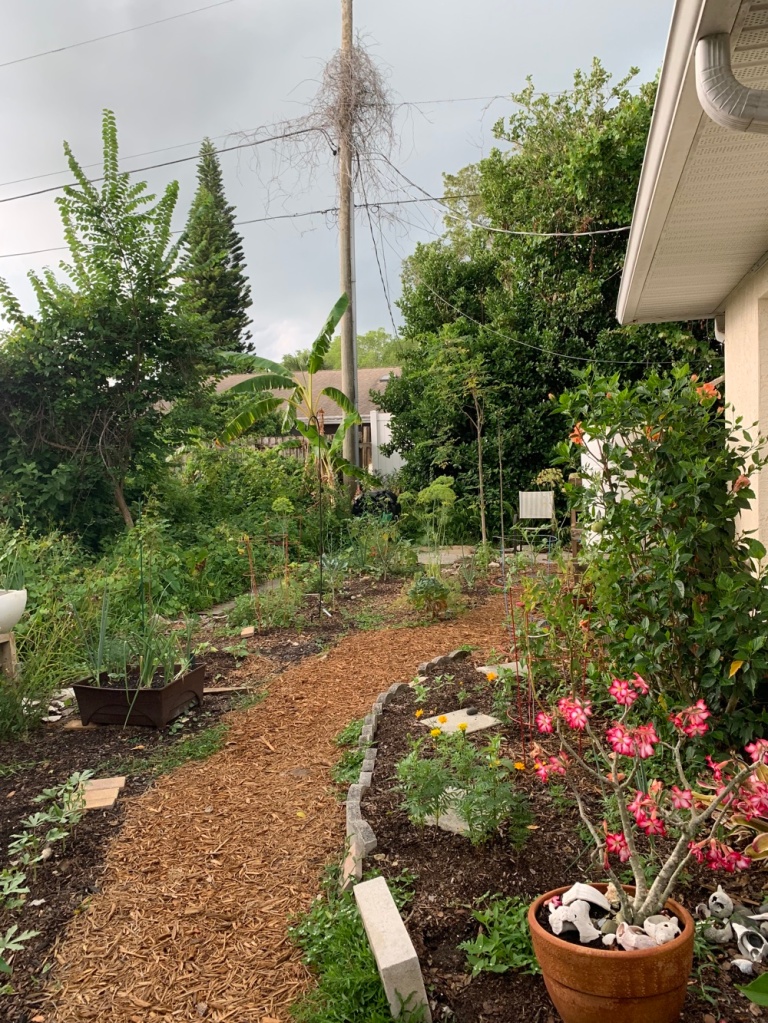
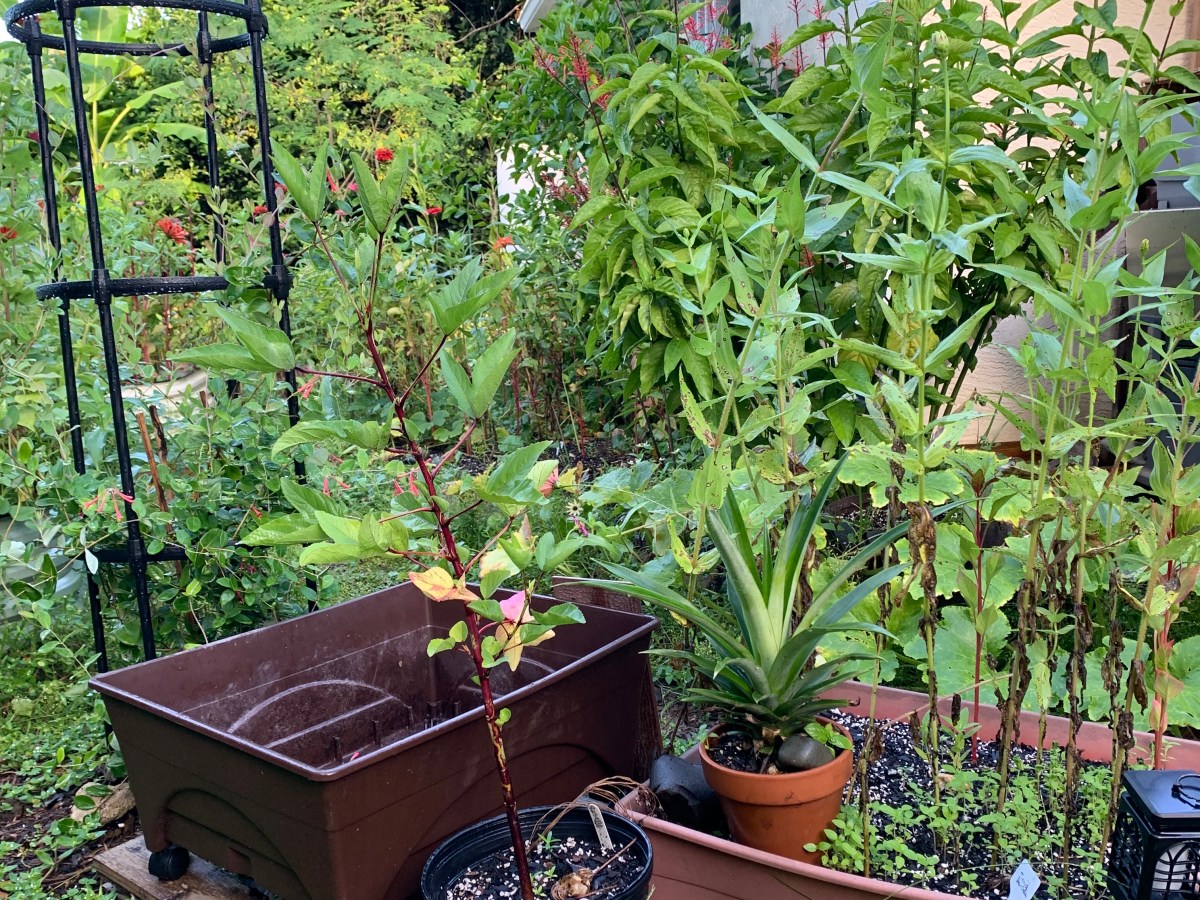
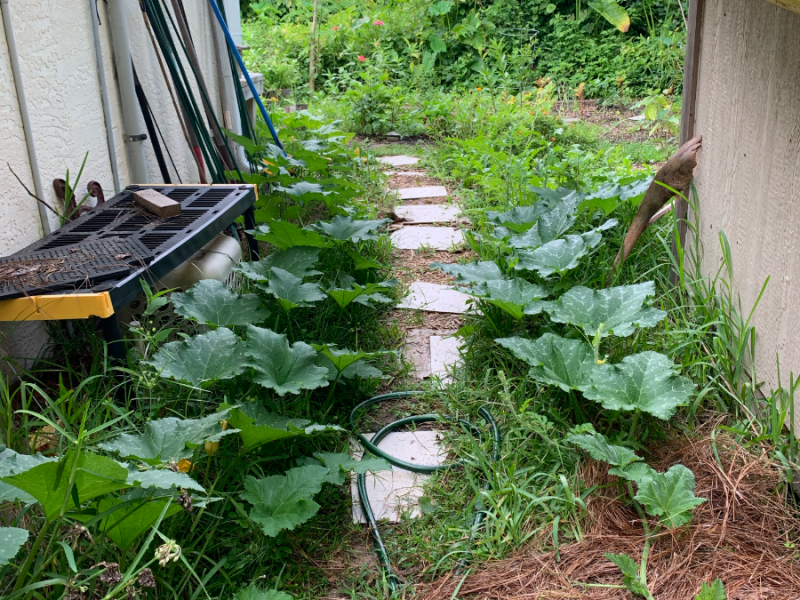
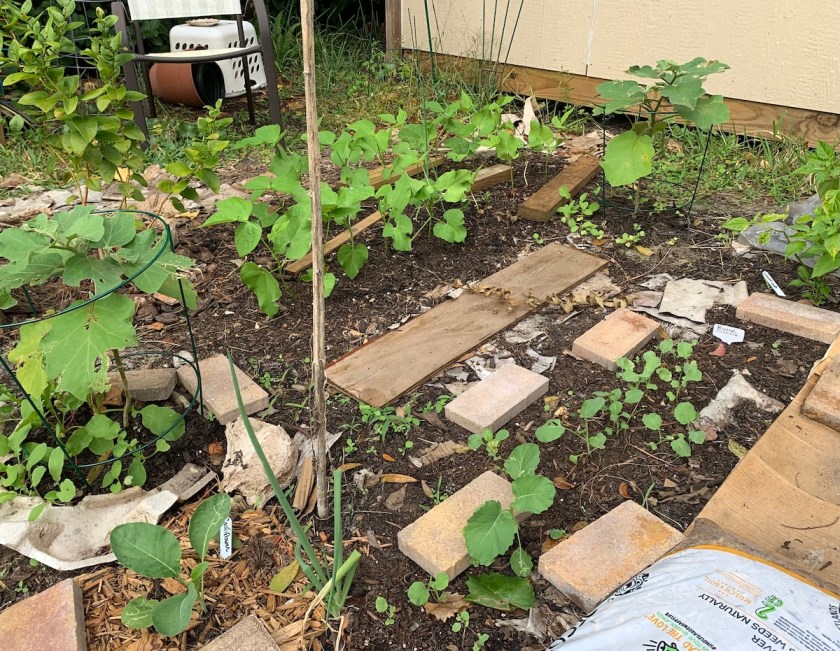
Spring garden and path
Rainclouds bring much needed rain to the area.

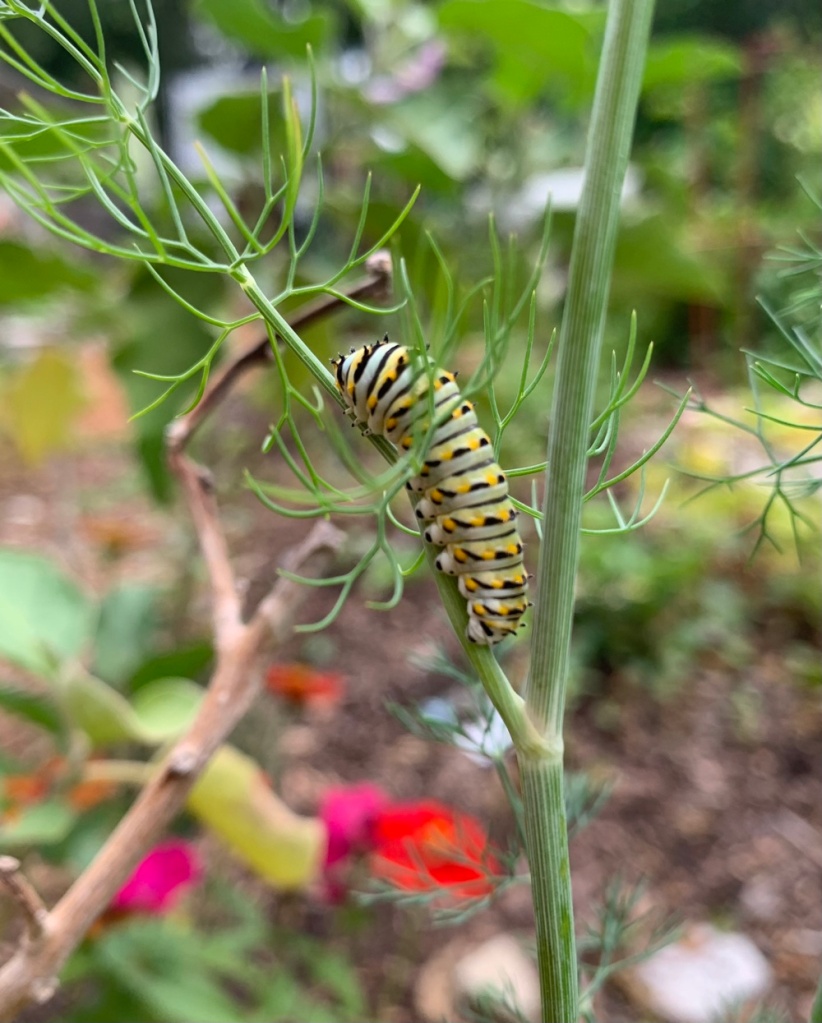
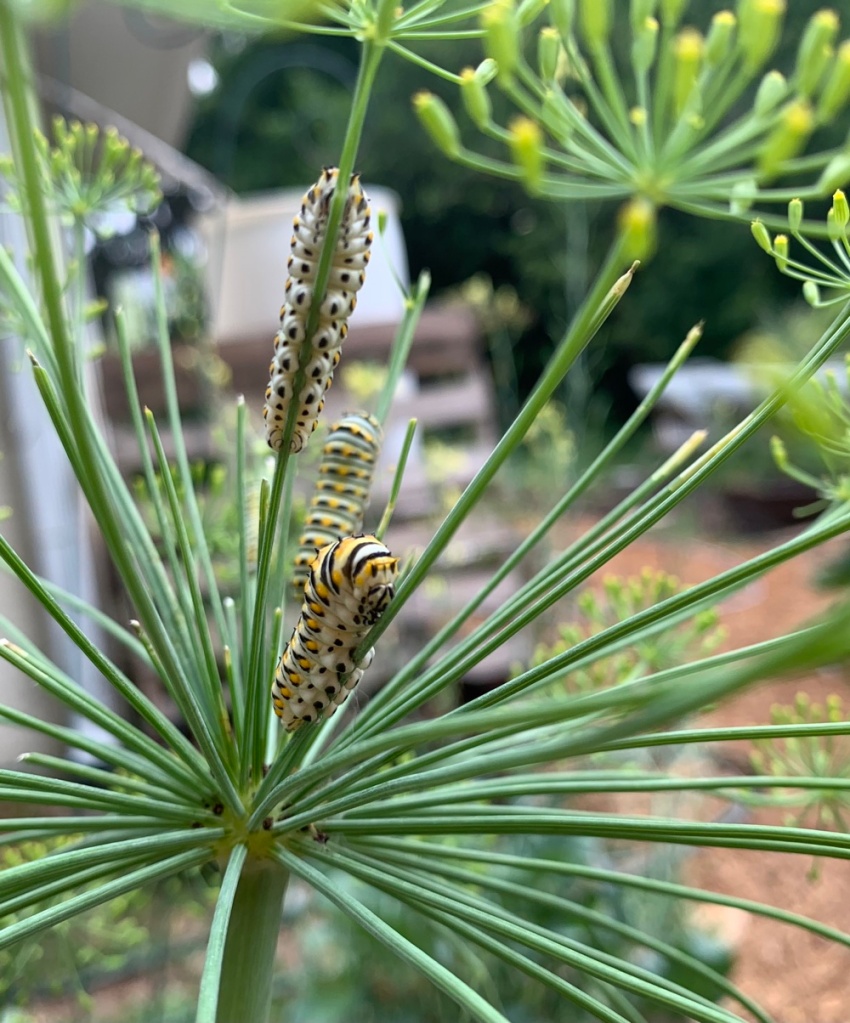
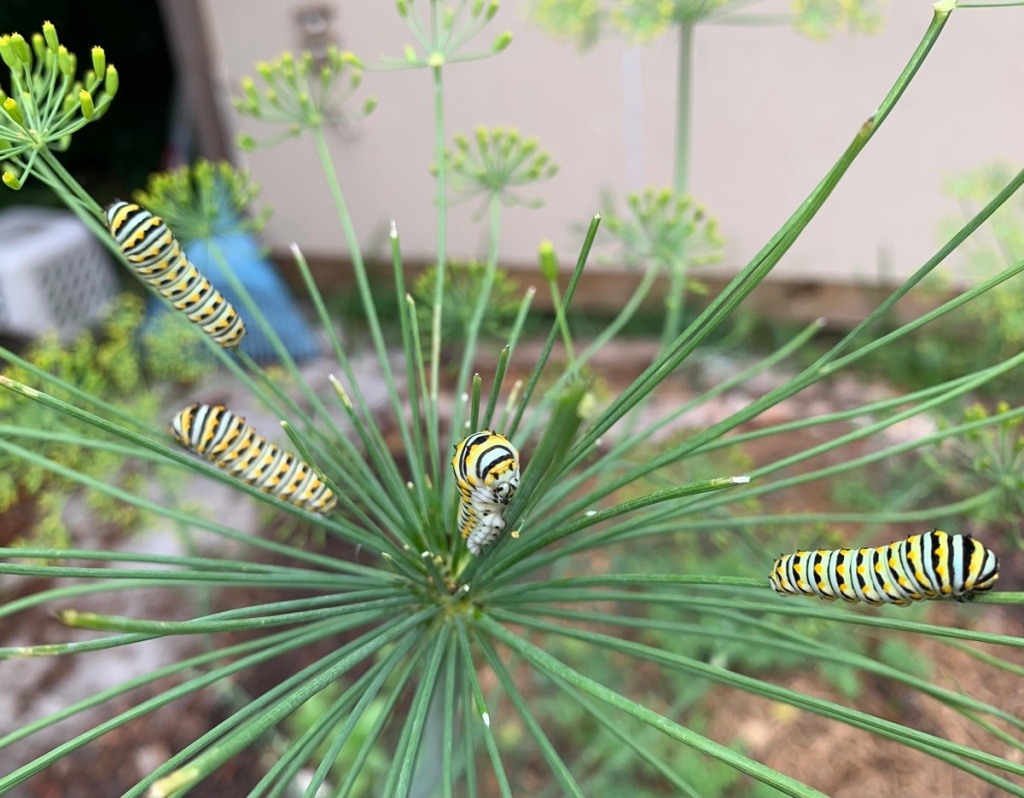
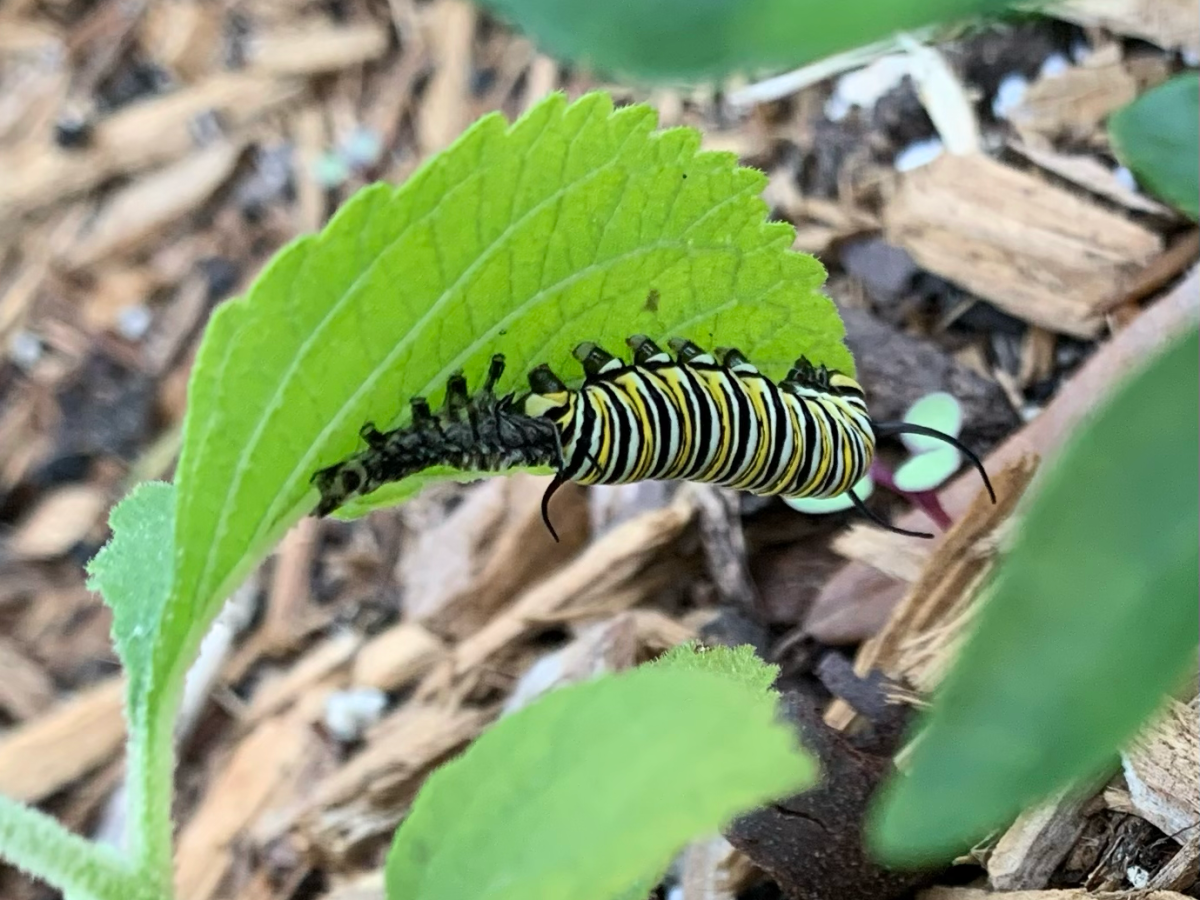
For the most part my plants have survived the drought. The hardy zinnias are blooming, caterpillars are eating the dill, and I’m even picking a few ripe blueberries each morning from the one plant in the garden.
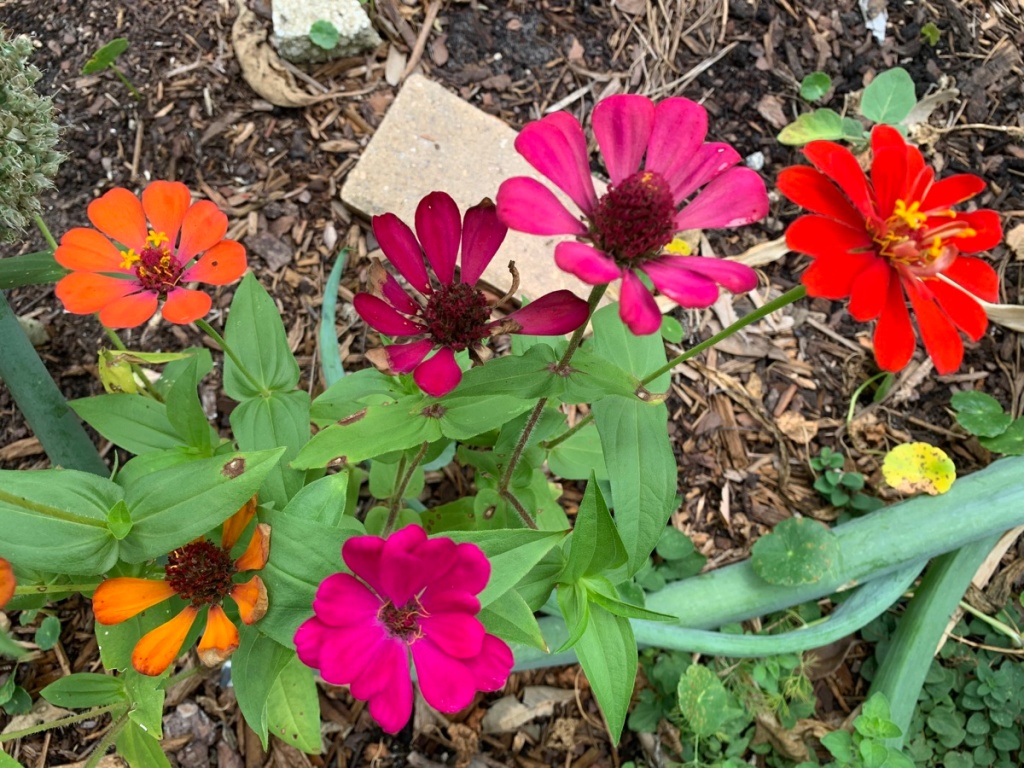
The crops that did not do well are cucumbers and spaghetti squash. I needed to get the cukes growing early to miss the moths that arrive in June, or July. Last year I battled the caterpillars that ate up my plants. To solve the problem, plant cucumber before the moths arrive in the area. Now, it’s too late to re-plant. I also tried a new type called “Ashley” but I may never plant them again.

Spaghetti squash was something new I wanted to try. The plants began by looking great. Just before I left on my trip, they began to get powdery mildew. I sprayed the leaves, but by the time I got back most of the plants had died. The drought didn’t help, I’m sure. It is possible that this type of squash won’t do well where I live.
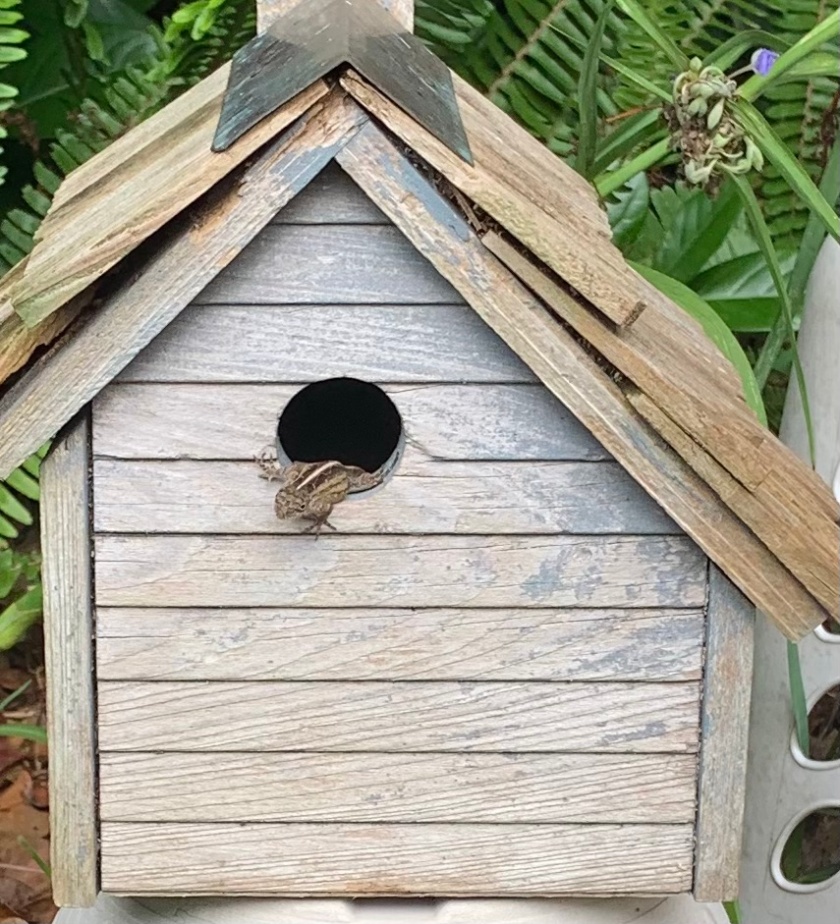
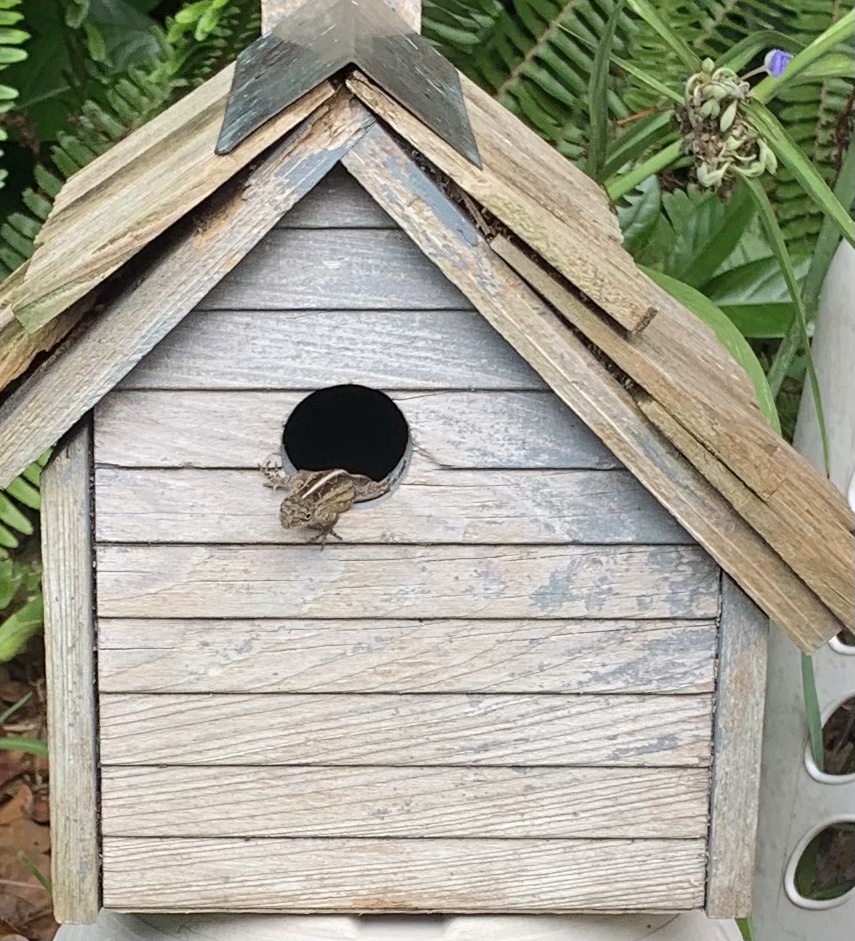
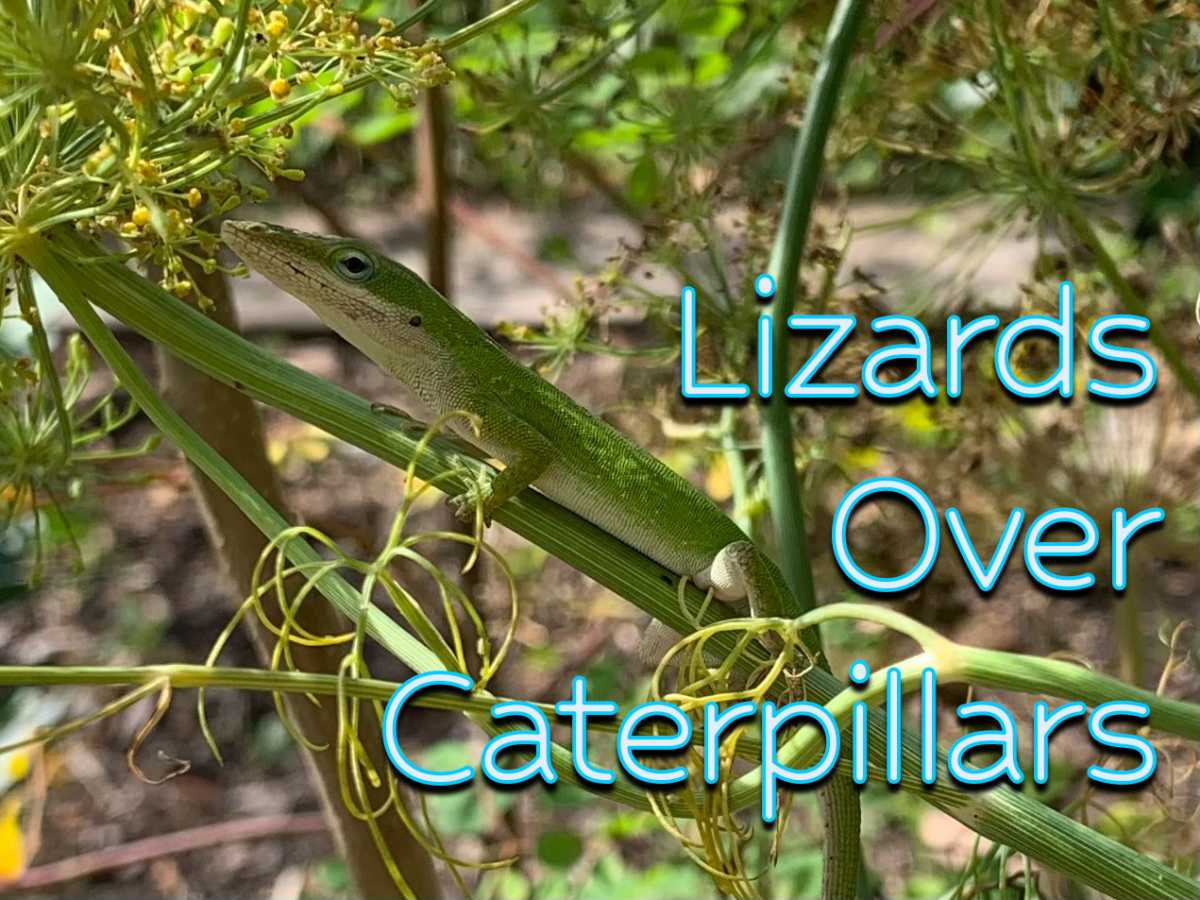
birdhouse lizard
Lizard

It’s good to be back h0me and now I will be gardening regularly once again. I’m trying to keep the watermelon and Seminole pumpkins going. Also, I am growing Egyptian spinach. Will let you know what happens with that.

Happy gardening!

Stories from the backyard…

Bulb Onions Grown Successfully Over a Florida Winter

First try at growing Texas Grano bulb onions in my central Florida backyard is a success!
A grower in Deland, Florida had posted about their success in growing Texas Grano bulb onions here in Florida. I hadn’t thought it was possible to grow onions in zone 9b. Now I have tried it over this past Florida winter, and have had some success. I look forward to growing even more next year.

Growing Texas Grano Onions From Seed

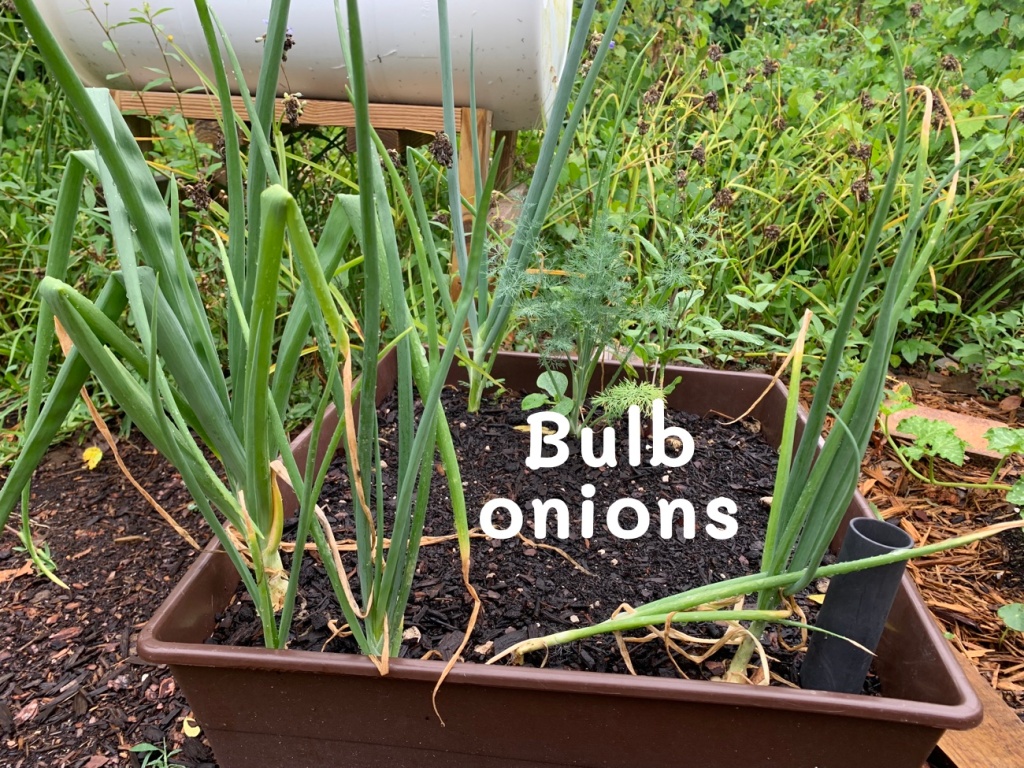
After purchasing seeds online, I went around the yard and planted them in raised bed boxes and in the ground.. I didn’t have high hopes for actually getting real onions from the garden. Truthfully, some are still growing and may not turn into anything. I did get a row that grew big enough to call “onions” and their stems just recently began falling over – signaling their end to growing.

Finding good advice for growing ANYTHING in Florida is difficult. But, you can take advice from growers in other zones. I can’t always do as they do, but things like “when to pull your onions”, is universal.

Watch this quick video, from The Rusted Garden, with advice about growing bulb onions.

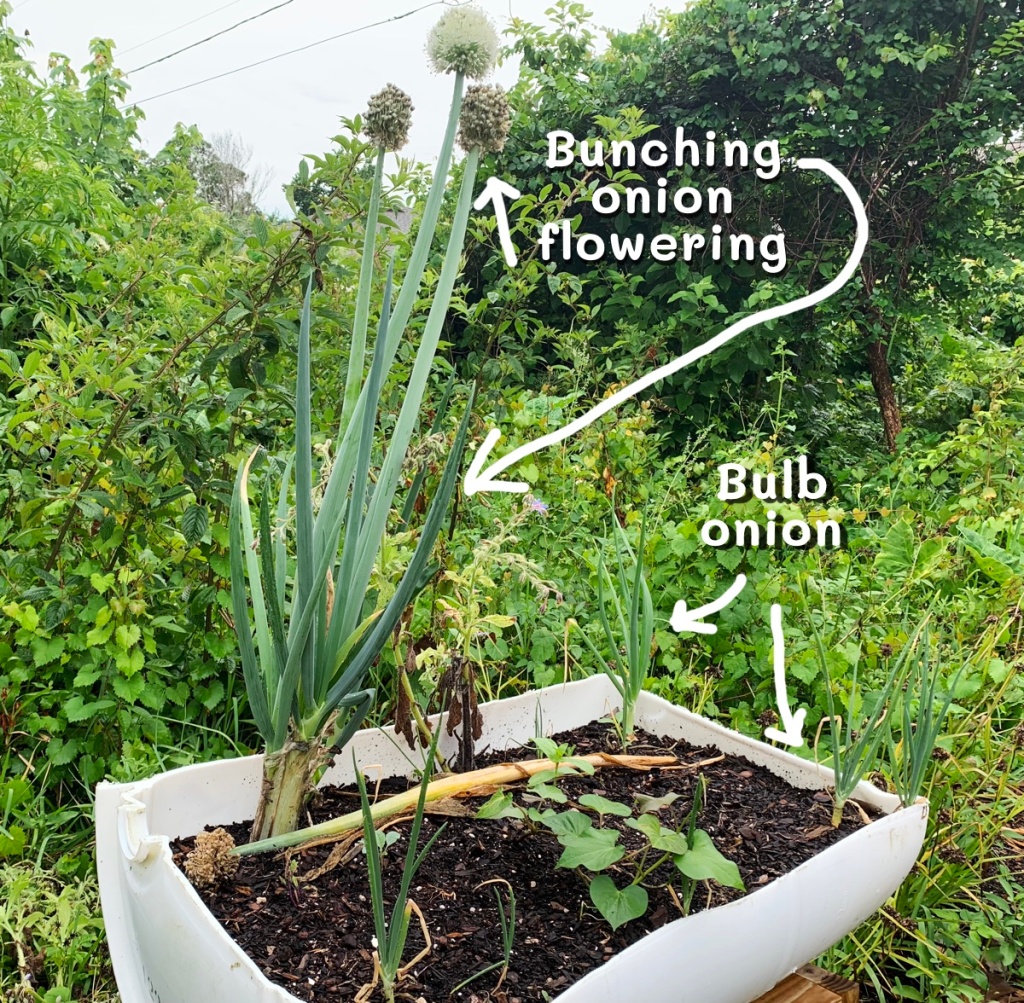
Here in Florida I easily grow bunching onions. Those are the ones that do not get big at the bottom and we use the green stems for eating… unless they are left to grow and grow. The white bottom gets large, and they send out a beautiful big white flower which is where the seeds will be.

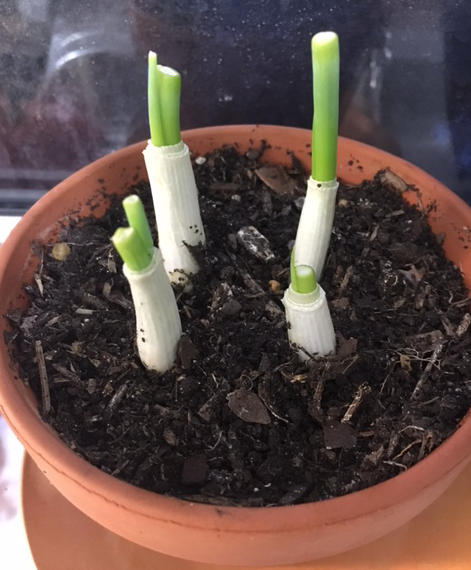
When I want to grow bunching onions, I buy some at Publix and save the rooted ends. Just stick the ends into dirt and a new bunching onion grows from that. I let them get big in my yard so they will flower, because they have gorgeous, big white flowers. Bees and butterflies love the flowers! Once the flower dries, it is full of seeds.

Bulb onions don’t do this – no flower

Why I Chose to Grow From Seeds

When searching for more about growing onions you will find “starts” and “sets”, but I have tried starts and they did nothing. It was a lot of work, for NO return. This was my experience. I decided to try growing from seeds, and it is the method I prefer, now that I’ve seen good results.

I will plant seeds – directly outdoors – once again this coming Fall. Of course, it takes longer for the onions to grow from seed.

My Onion Harvest

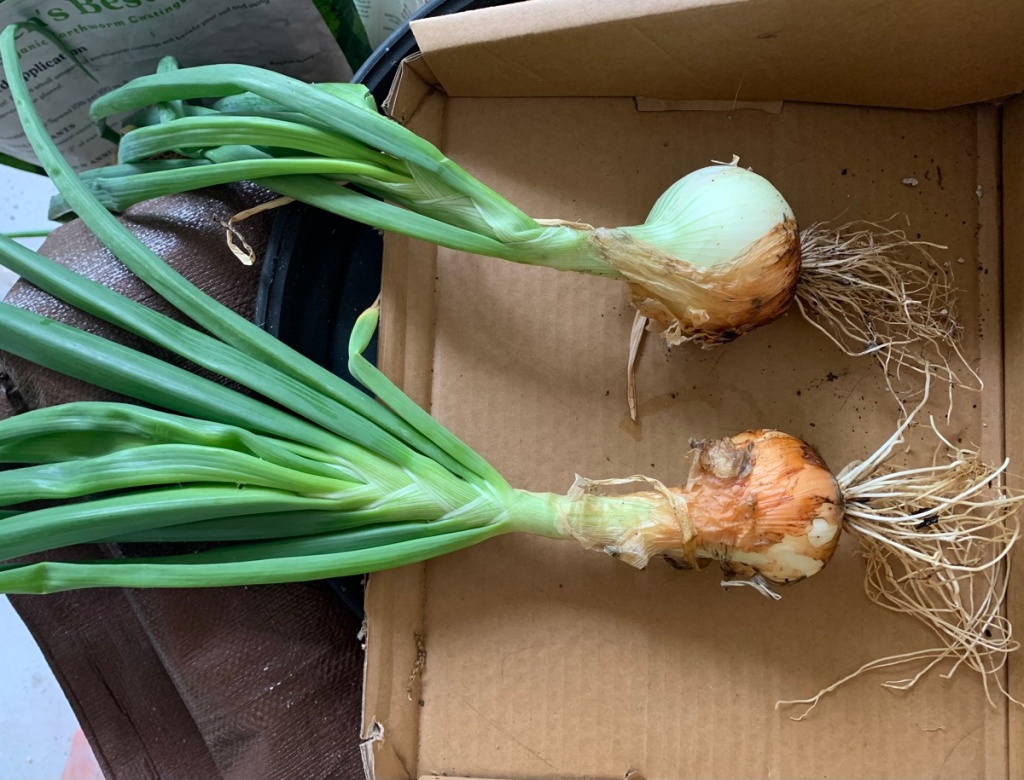
I planted my Texas Grano Onion seeds in October. I am now harvesting them in May. That is a long time – seven months! Not all of them grew, in fact I’d say most did not grow at all, or remain small. I’m waiting to see if the small ones continue to grow.

I purchased the seed packets for Texas Grano onions at SESE (southern exposure seed exchange).

I will admit to not taking good care of my seedlings. My mindset was that they wouldn’t grow anyway, so I pretty much ignored them. Next time, I will be more careful because I know it’s possible to get nice onions from the seeds.

Curing Onions to Save

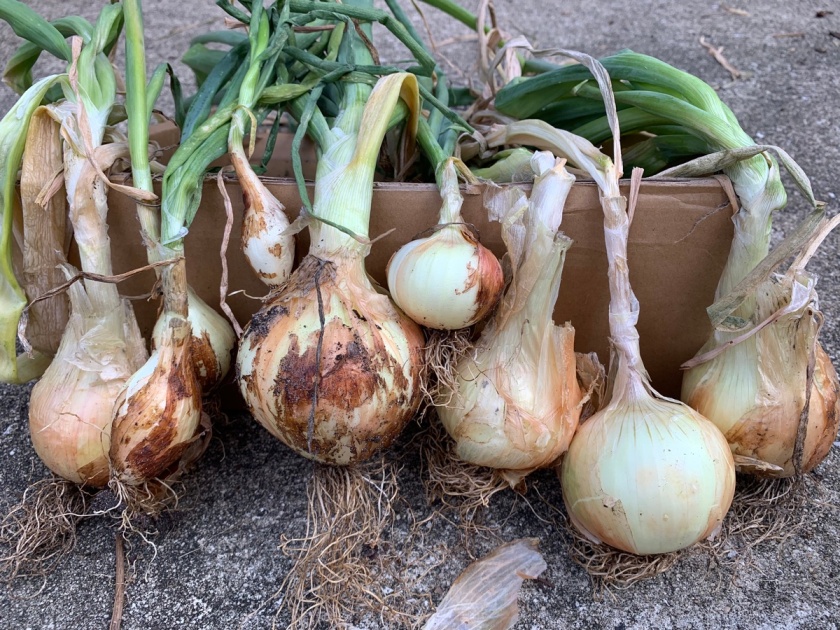
Once the onions are pulled up, I brushed the dirt off and put them under the umbrella. Now they are on the porch with the fan going. From most articles I’ve read, onions need to cure in a shaded location that is warm with good air flow. What I don’t have is low humidity, but I can’t change that.

Once the tops have dried, I’ll cut them off and bring the onions inside to store and use. A few of the smaller ones I’ve already sliced up to eat! Yummy. What is better than getting food from the backyard?

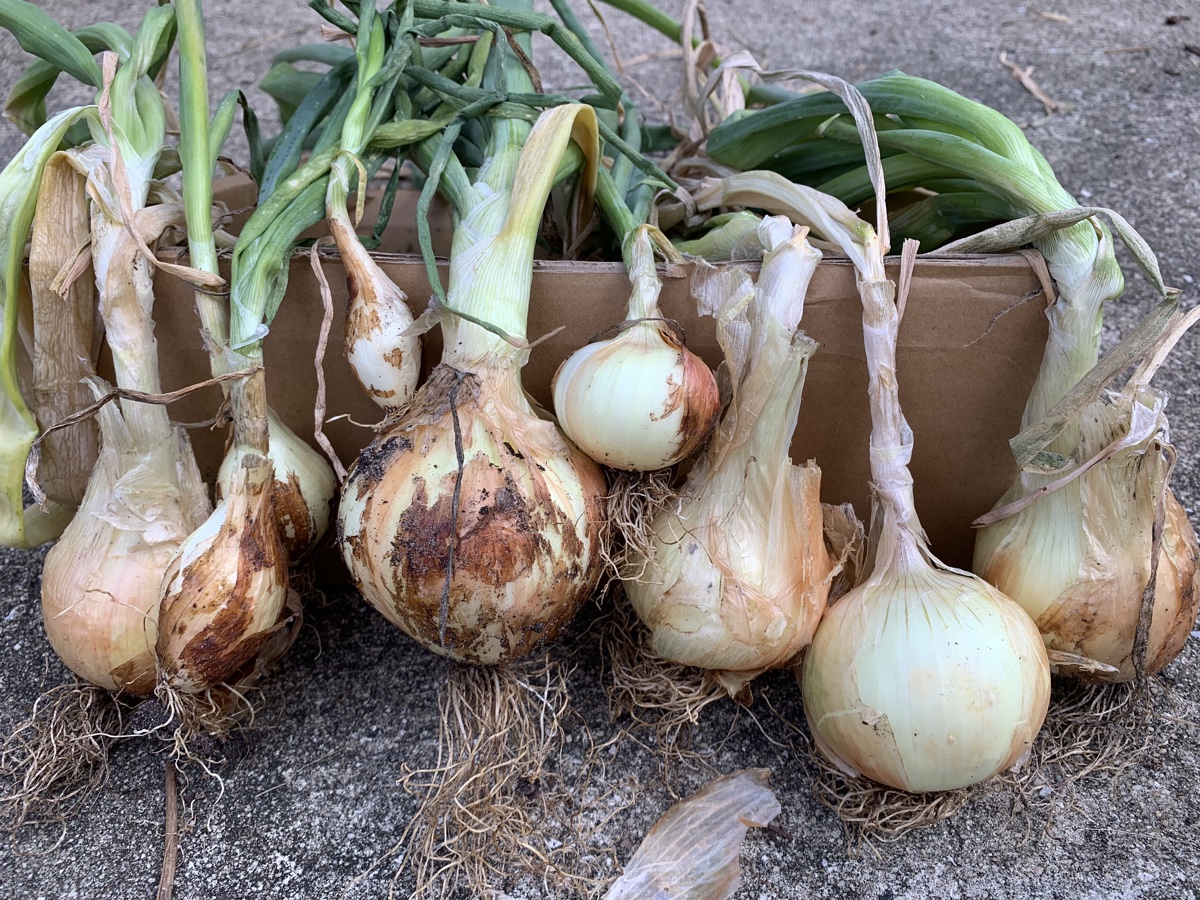
Texas Grano bulb onion crop
Texas Grano bulb onions grown from seed.

More stories from the garden…

Florida Winter Growing Success and Failures

After the long, sweltering summer, I was looking forward to planting crops for Fall and Winter. It has been fun, and definitely a learning adventure. Some crops have done very well and others are on my “maybe again” list.

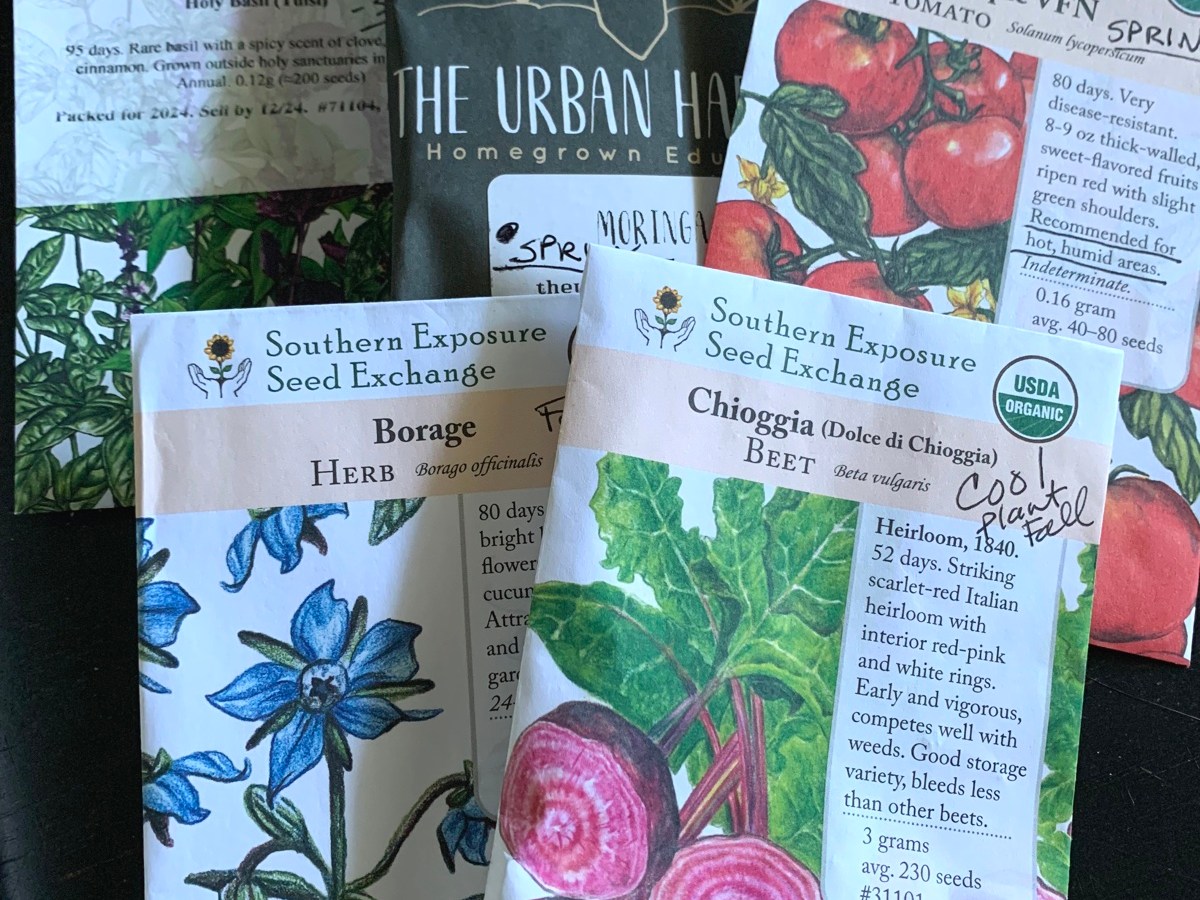
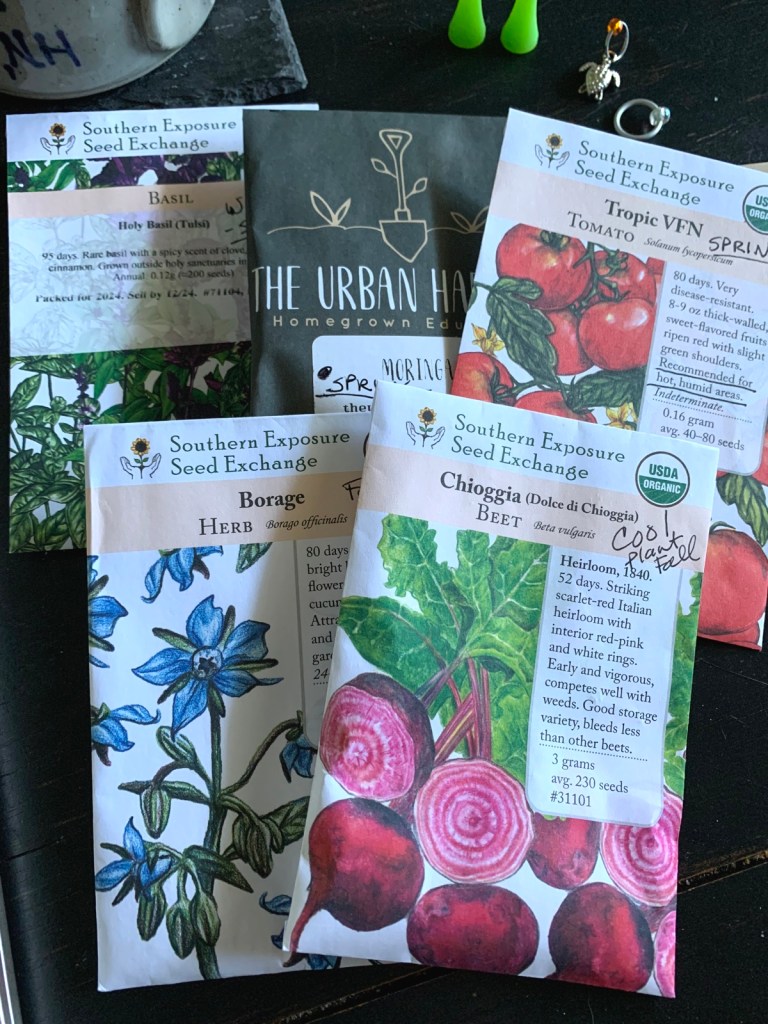
Most things were grown from seeds I purchased, either from The Urban Harvest, or Southern Exposure Seed Exchange (SESE). A few crops (and flowers) grew from my own saved seeds.

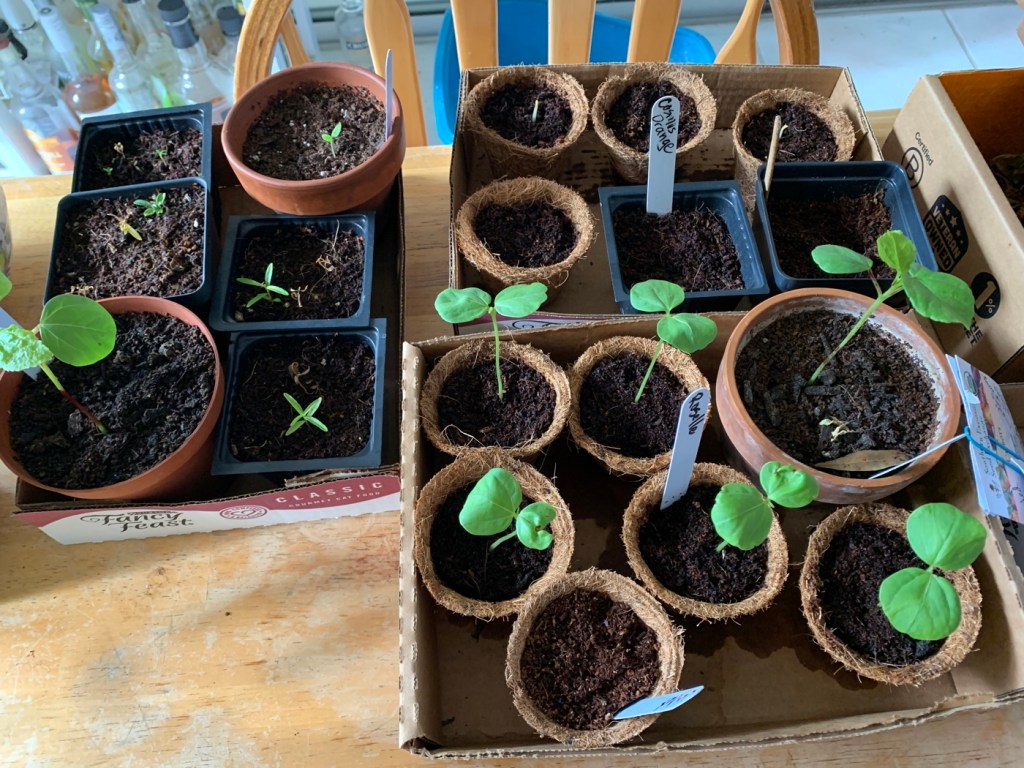
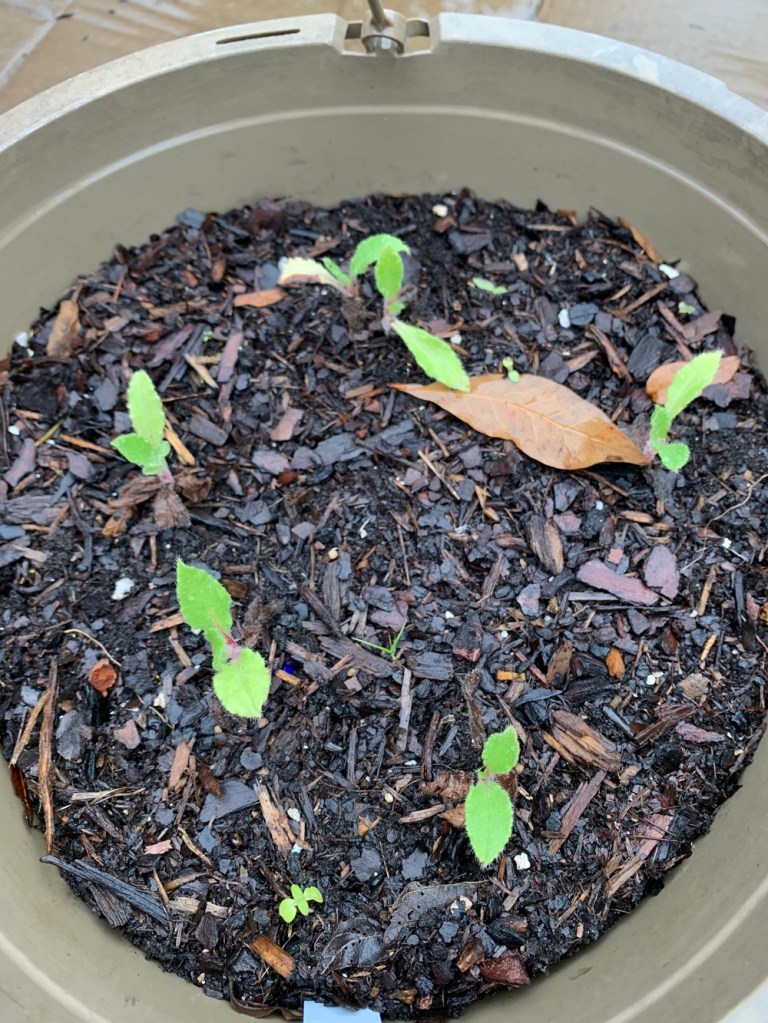
Growing plants from seed can be very annoying. There is lots of watering and moving into the sun / out of the sun. And lots of these little seedlings didn’t make it. I will NOT be growing plants in tiny pots again.

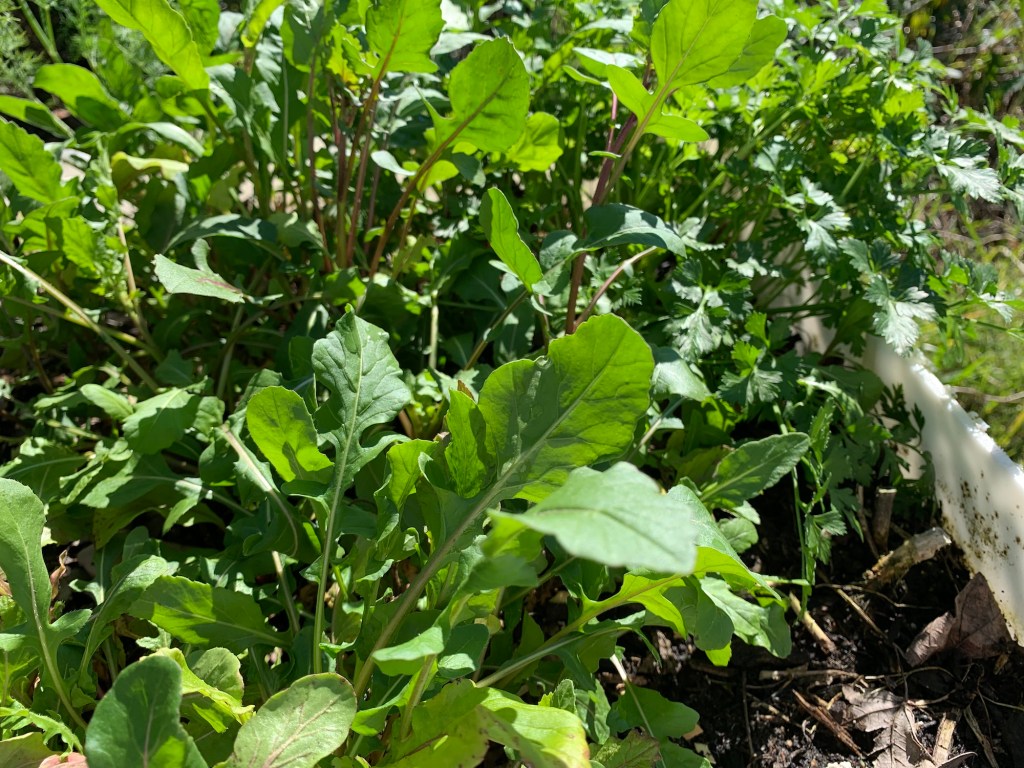
Arugula – Yes, Plant Again

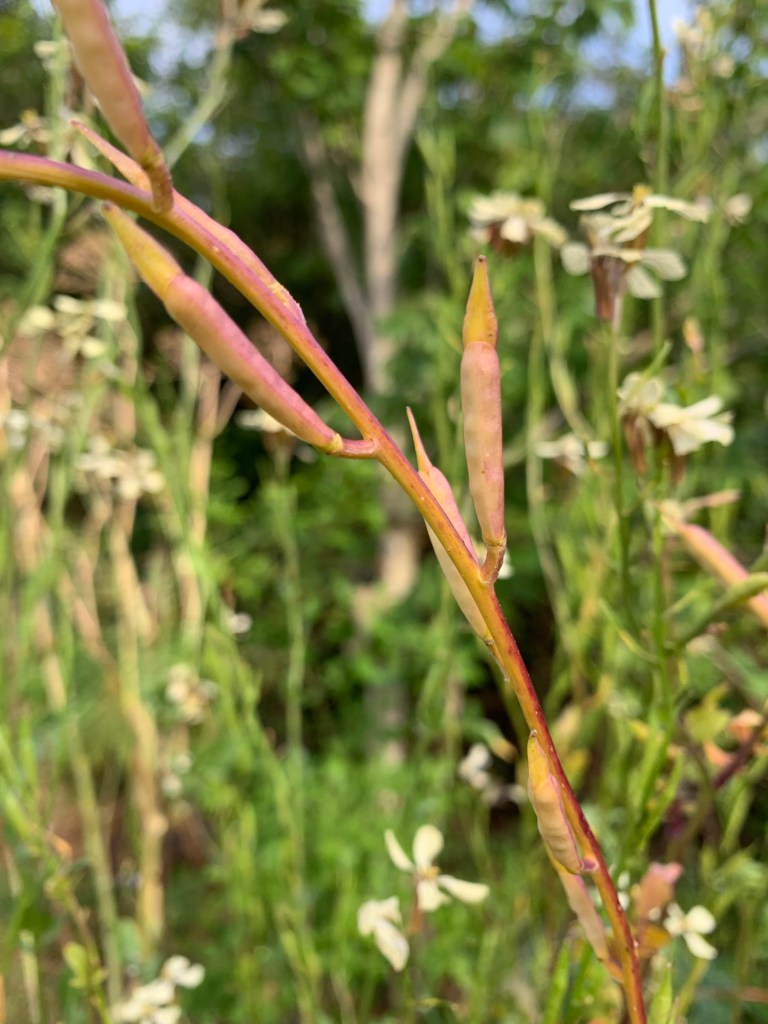
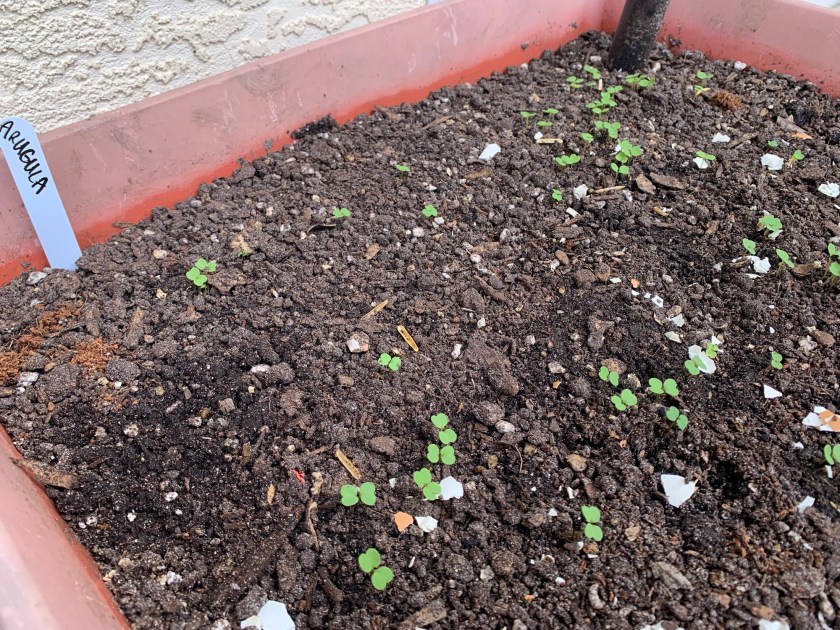
Last spring / summer I grew arugula for the first time. Not only were the leaves delicious, but I got to see how the seeds grow. Once the tall stalks dried, I picked the stalks and saved them indoors. Those seeds went into the ground in October.

The dried arugula stalks are so sturdy that they work as sticks. The flowers are also pretty, and good for attracting bees.

More Crops to Plant Again

My list of crops to plant again next Fall / Winter are:

  • Chijimisai – spinach (or mustard) grown from seed grew great and had wonderful dark green leaves. I never bothered to thin the seedlings and they all grew beautifully. I planted a new batch in February.
  • Green Beans – planted mid-October and had beans to eat by December. Got a few worms on the leaves, but for the most part they grew wonderfully. Contender beans have pink flowers. Blue Lake Bush have white. Contenders did the best!
  • Tomatoes – Even though I think tomatoes grow better in Spring here in Florida, Planting them in Fall has given me “suckers” to plant in pots for Spring. (More on that to come.)
  • Broccoli – I grew cauliflower, broccoli and brussel sprouts but only the broccoli did well. I boiled the leaves from all three, but only had a decent head of broccoli to eat.

These Didn’t Grow as Expected

  • Hon Tsai flowering broccoli was not a food I enjoyed. The two plants I started in a pot grew the best. The direct sow method didn’t seem to work as well. When the leaves were large enough to eat, I discovered I didn’t want to eat the stuff! I replaced the area with some kale seeds and onions. BUT… the bees love the yellow flowers that form on tall stalks. I’ll grow it again for that reason.
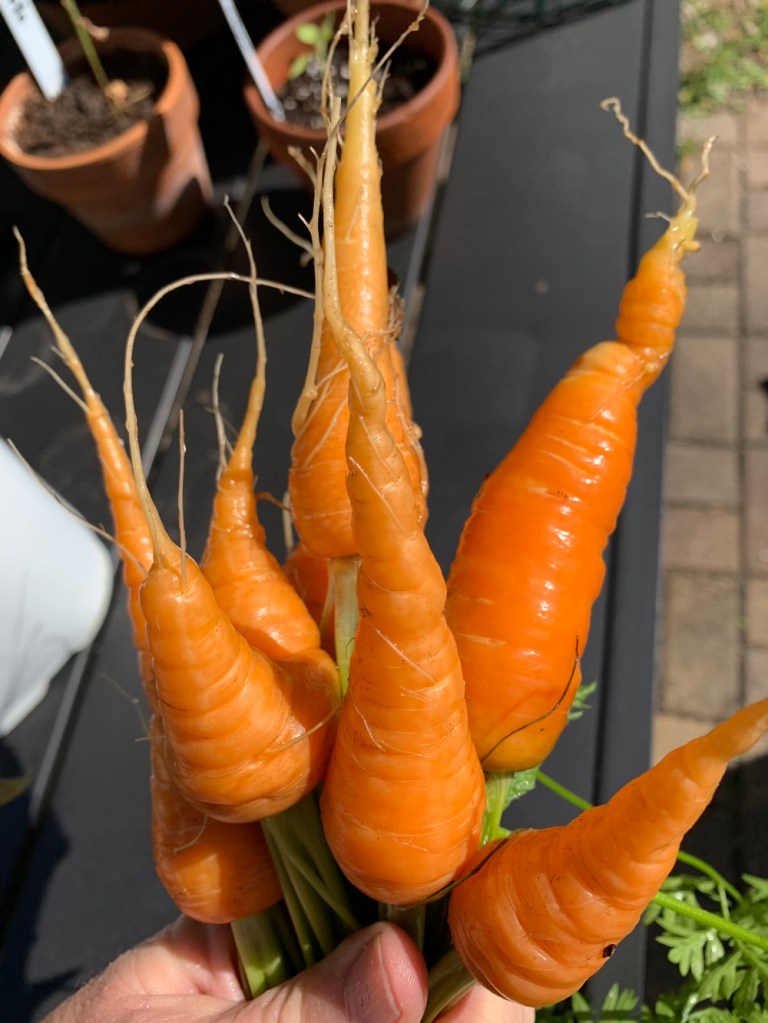
  • Carrots – I would love to be able to grow my own carrots but I have never (up north or down south) had any luck. After months (about 5) of waiting I finally had some carrots. In Feb. and March I was pulling carrots that were started back in October!
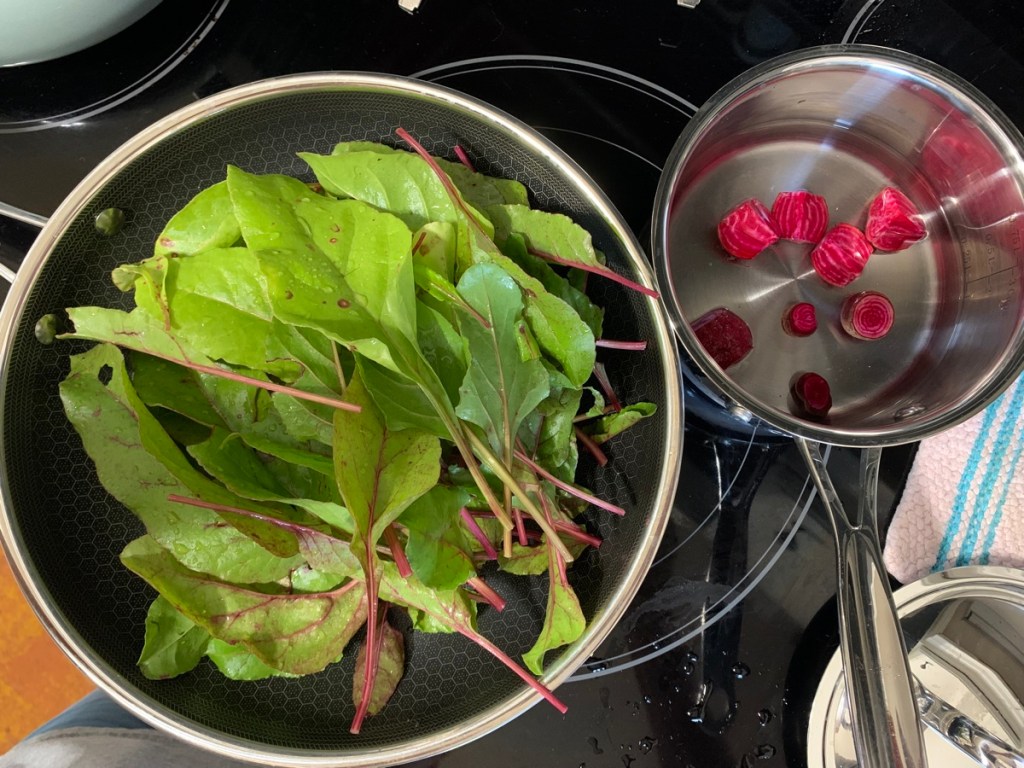
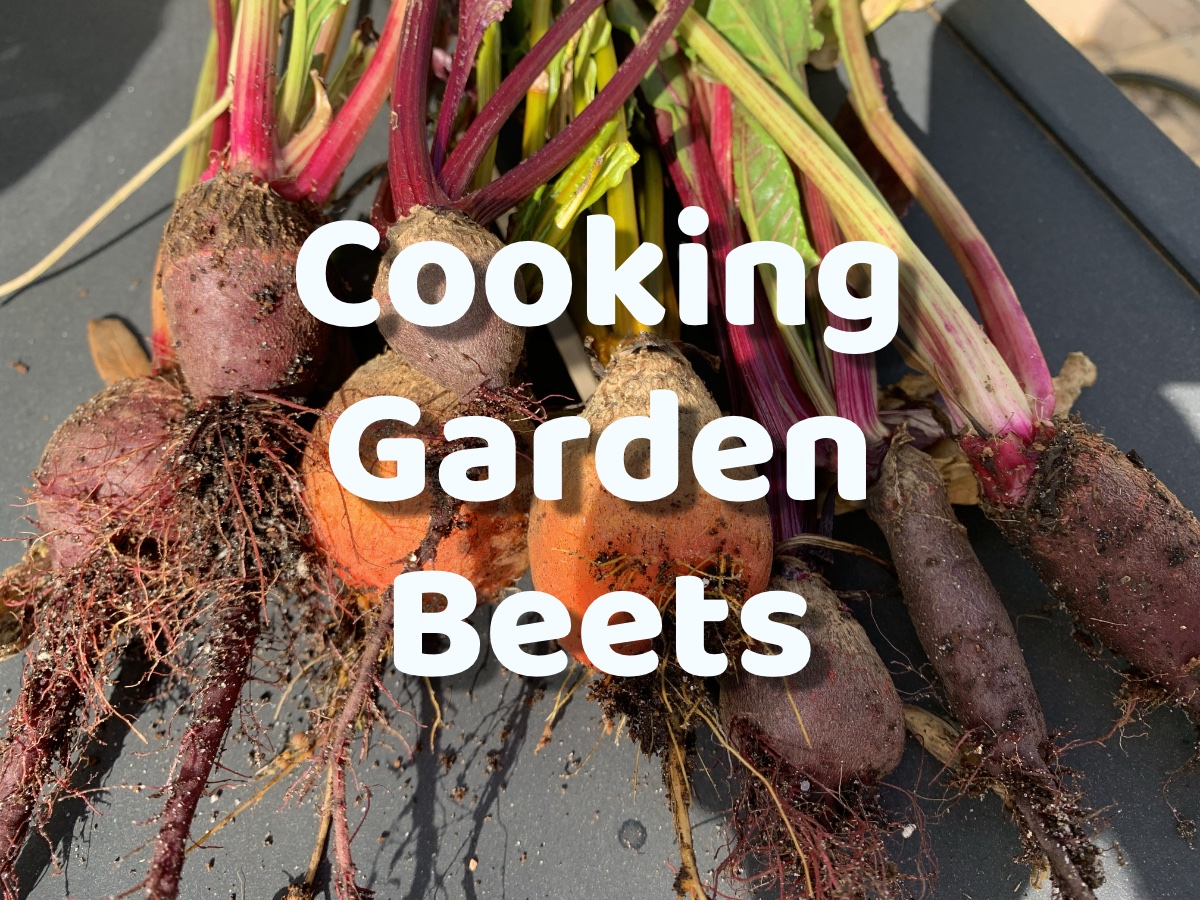
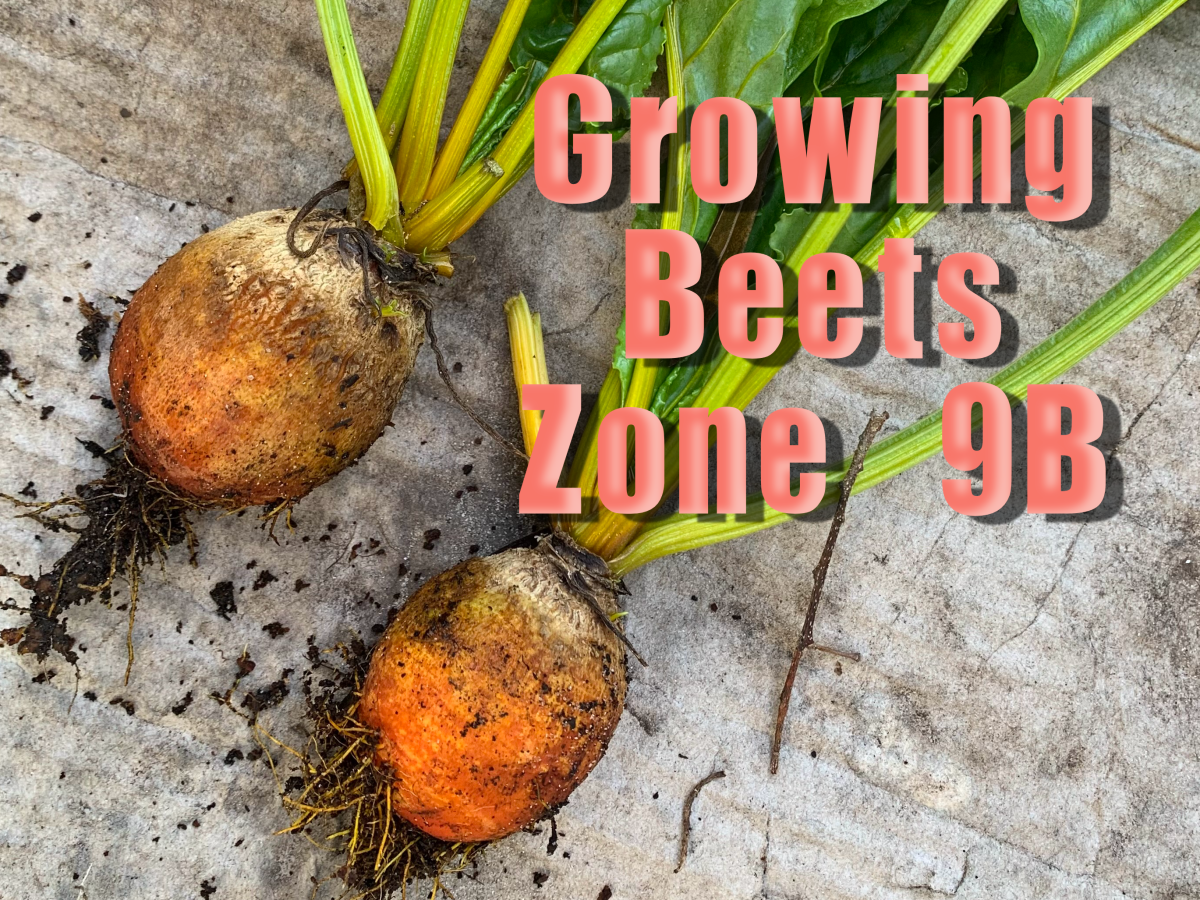
  • Beets – I love beets. The seeds were very slow growing and many of the little seedlings were lost along the way. They took a very long time to grow, taking up valuable space in my small amount of garden area. SO… I will grow them again, but for the greens.
  • Swiss Chard, Fordhook – I tried growing chard in Spring and it failed. So, I tried again in Fall, and it did not grow well. Not sure if I will try this one again.

Garden Growing Goals

Realistically, I would like to have some type of green growing in the backyard year round. I believe it is doable, but I need to figure out which ones work best for which season.

More stories from the garden…

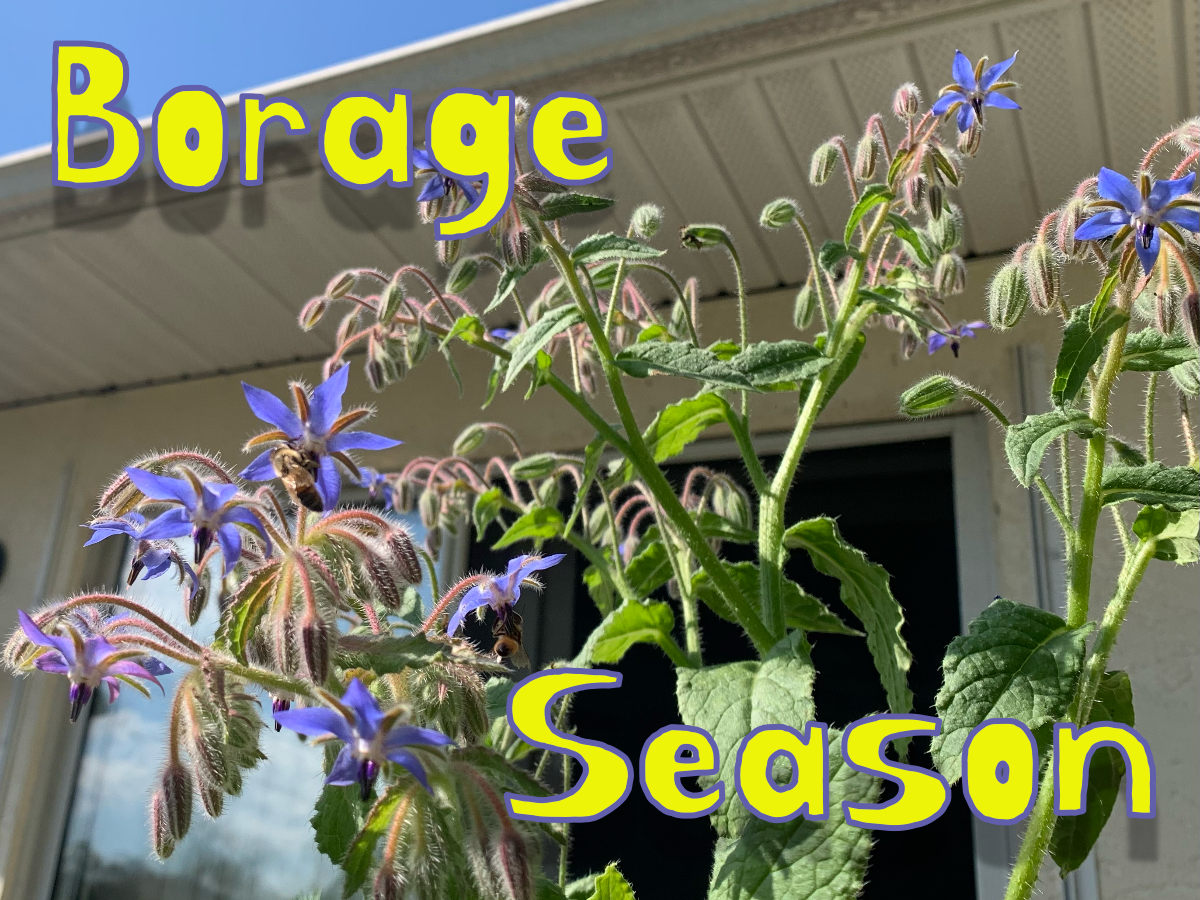
Can Borage Grow in Florida?

This winter I have been experimenting with growing various herbs and vegetables.

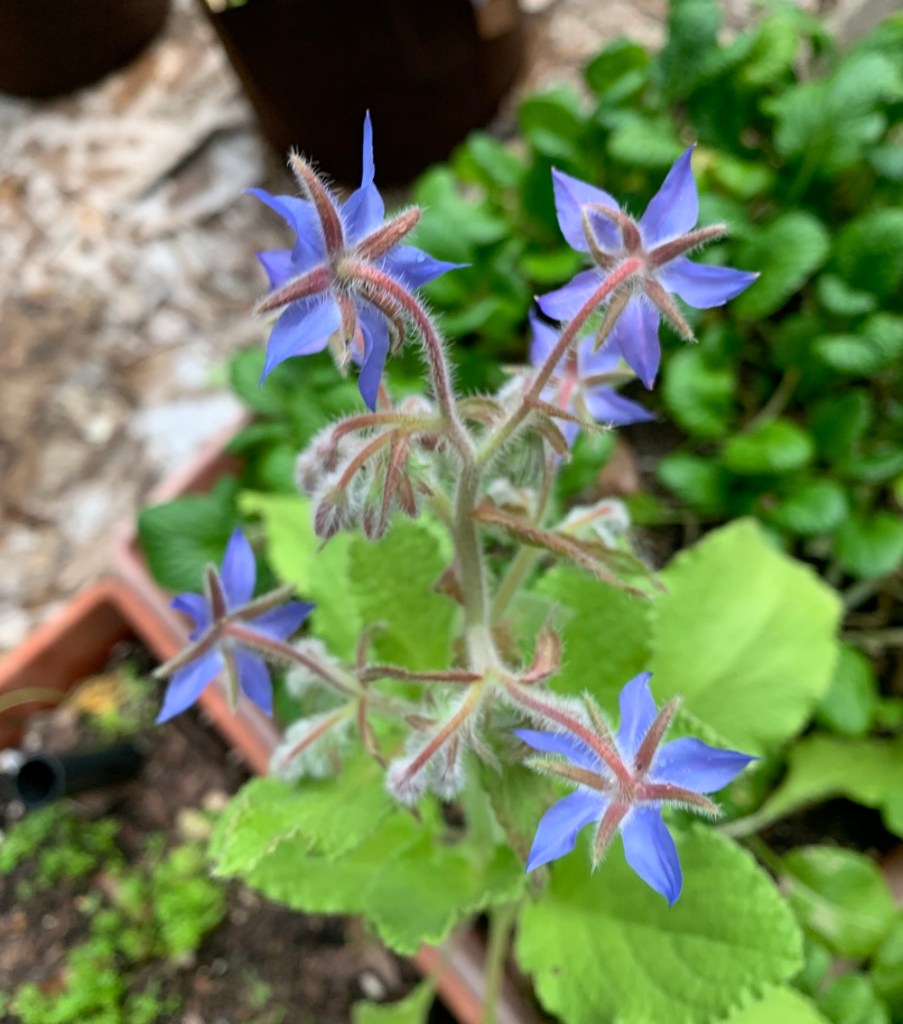
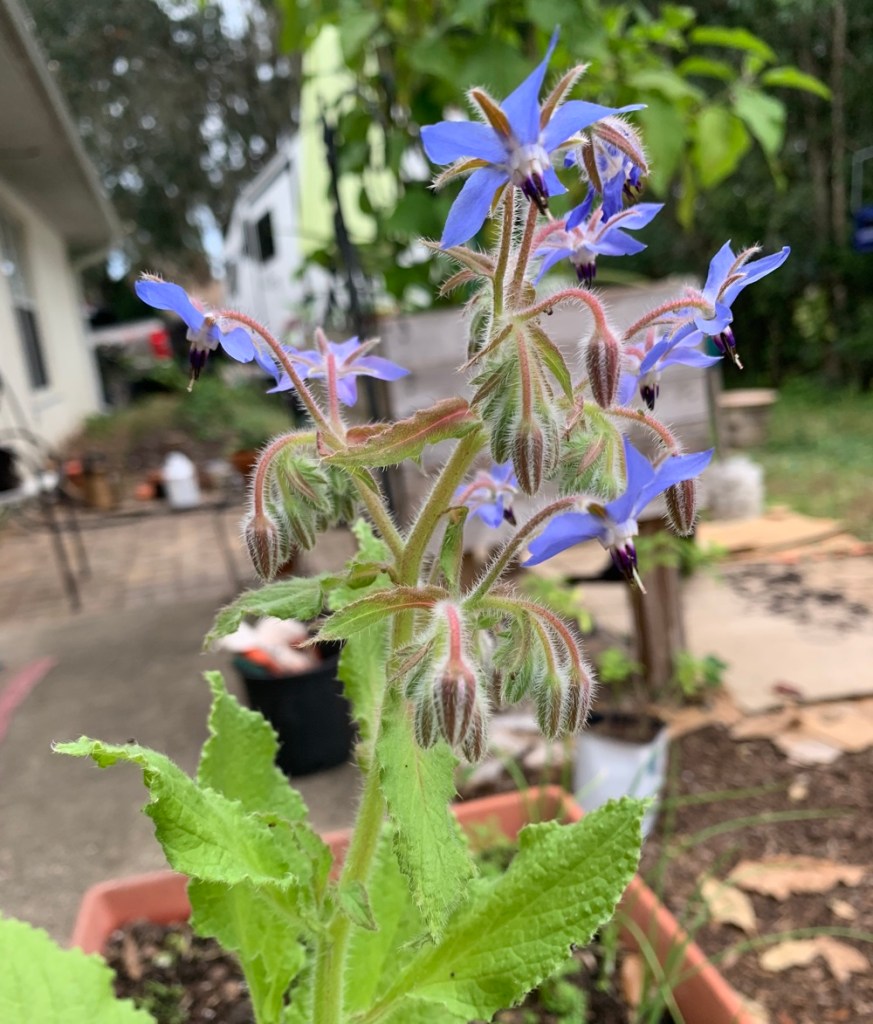
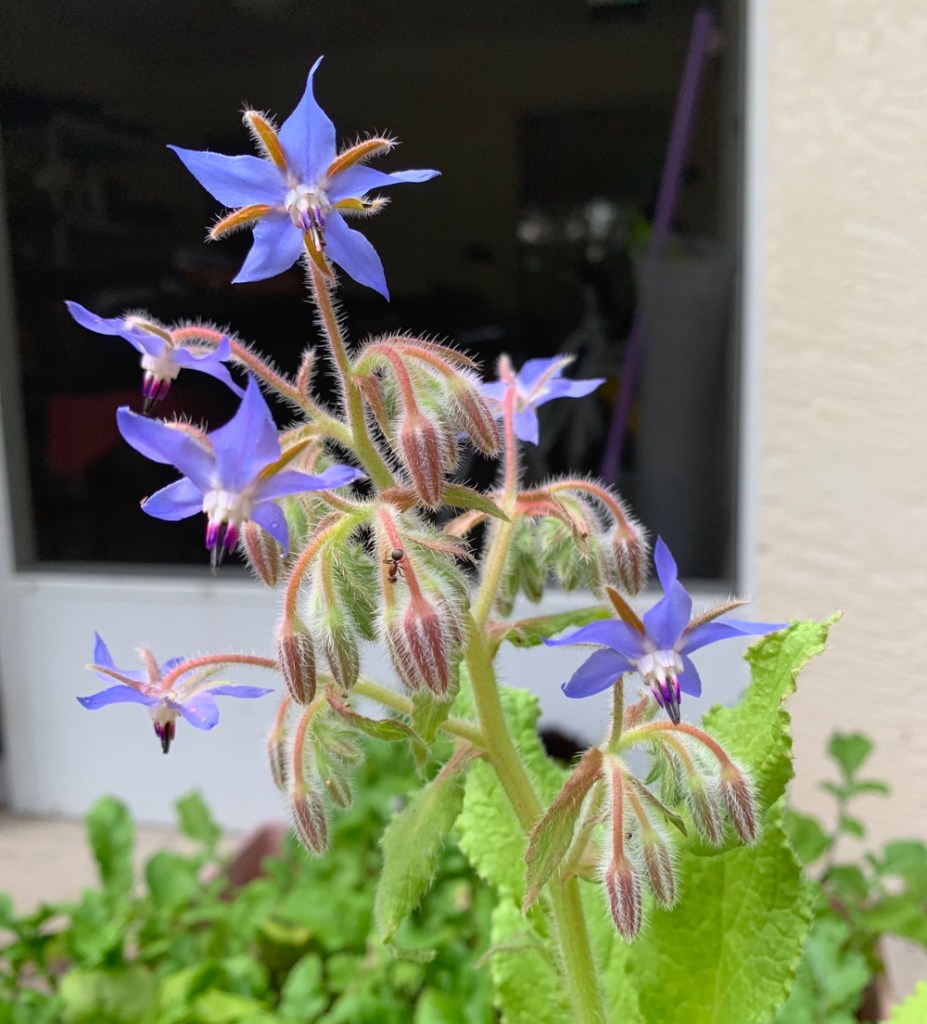
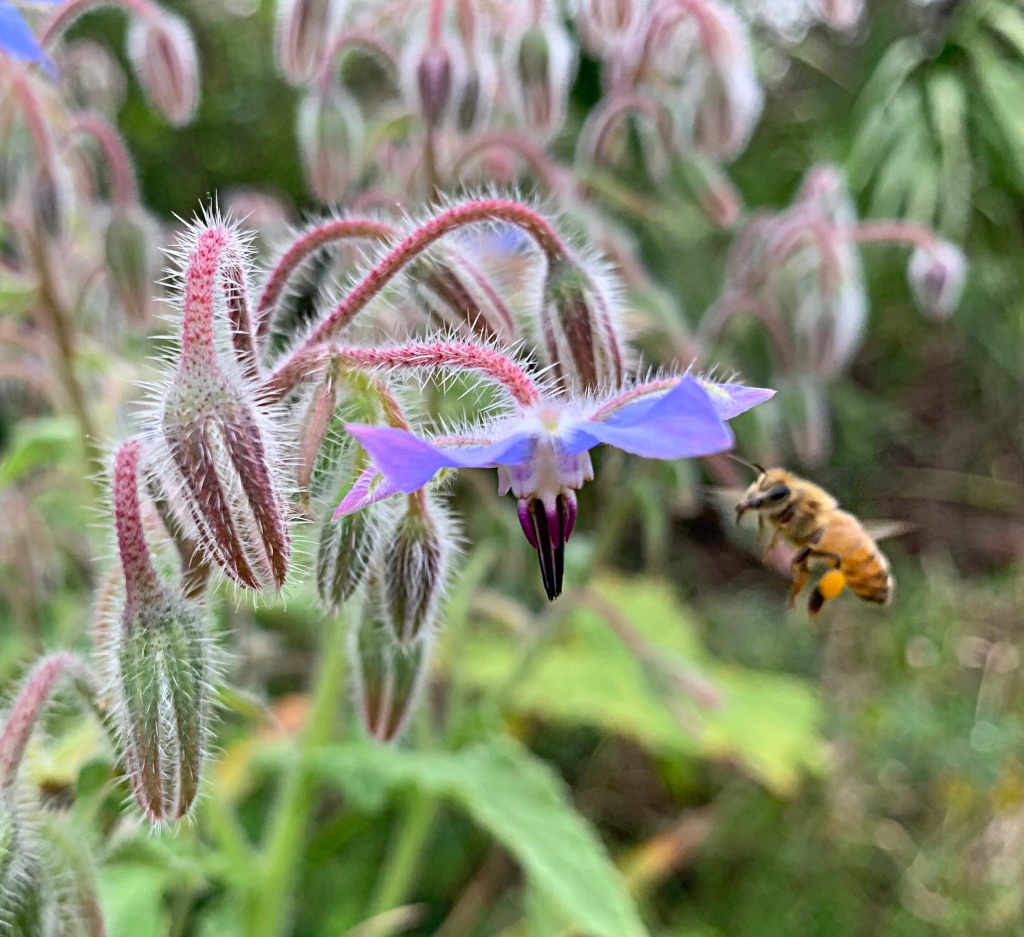
Borage is something I always loved in New Hampshire, but can borage grow in Florida? Well, yes and no. What I’ve found is that it will grow when the weather is nice and cool. 

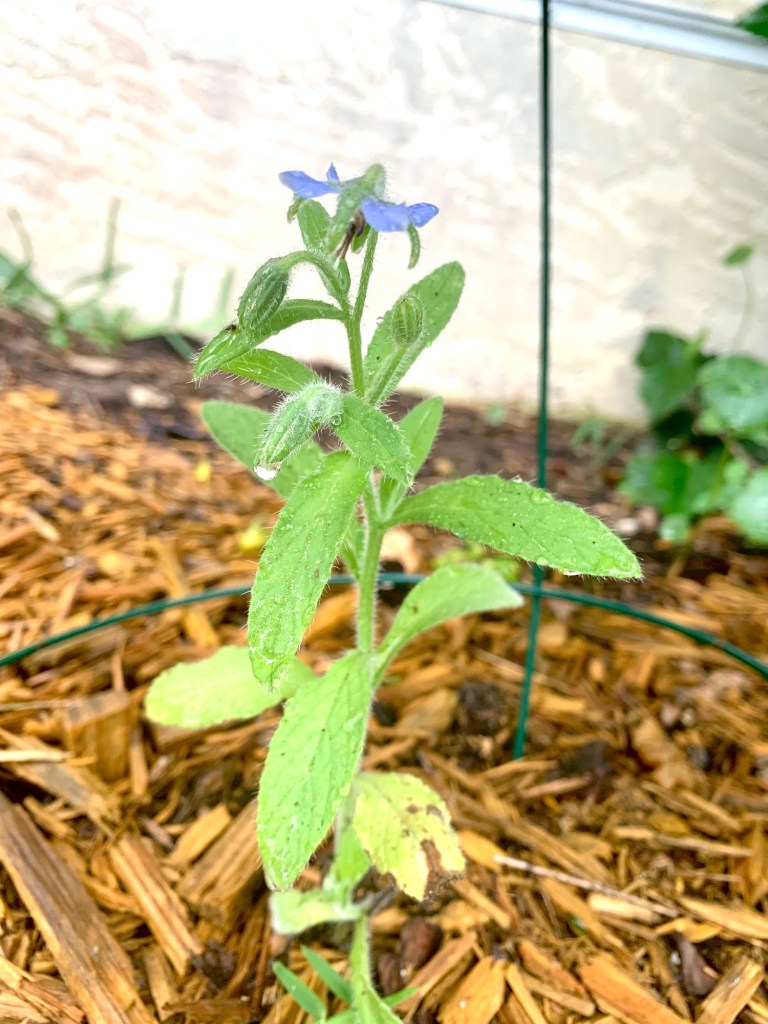
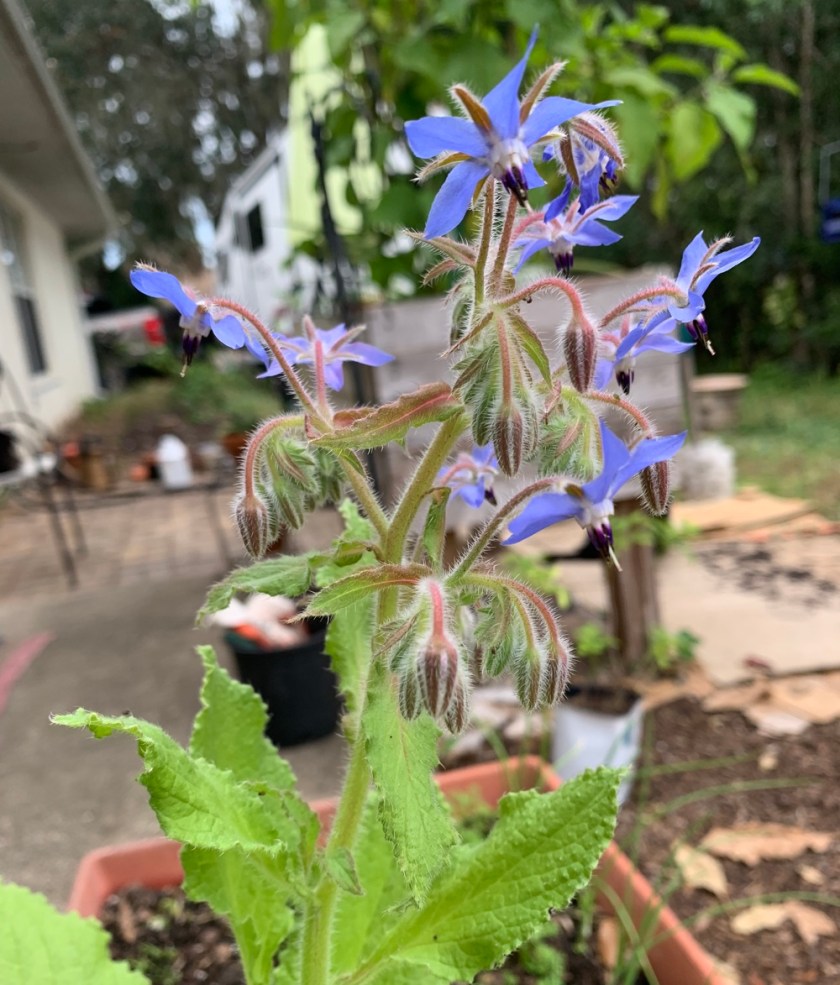
My borage seeds were planted in late October and by the end of November I had one flowering borage plant.

The borage seeds were planted all over my yard. Some were put into grow boxes and some went directly into the ground. I even put a few into a hanging basket.

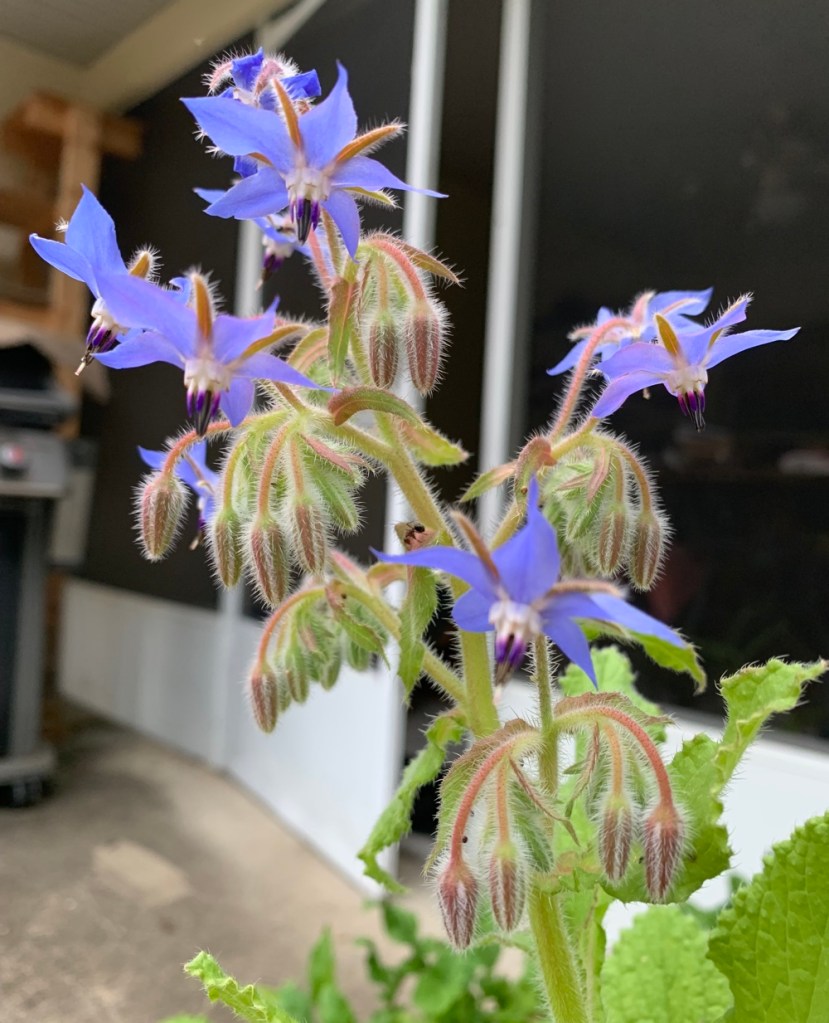
We’ve had horrible weather, but on nice days you may see bees at the flowers. I’m always happy when anything flowers in my yard.

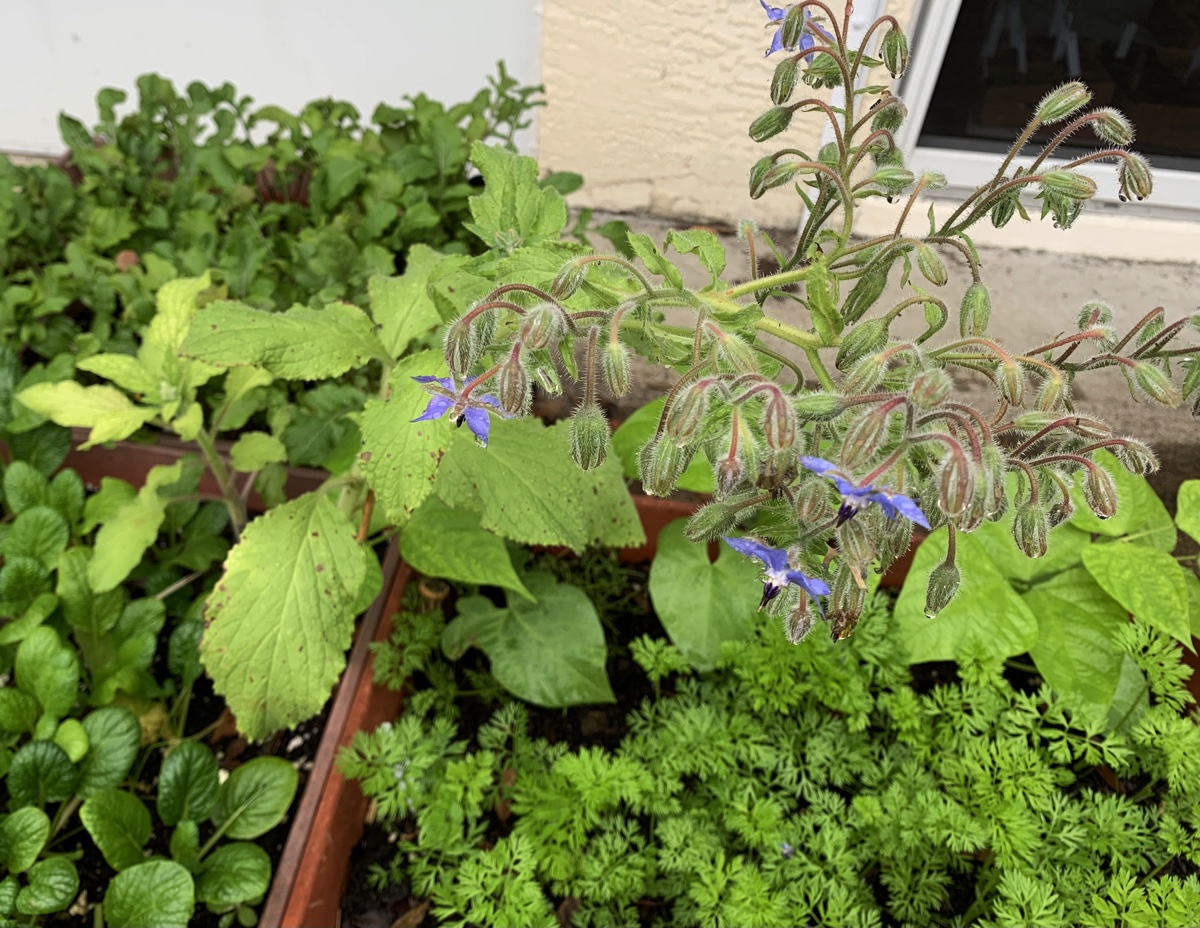
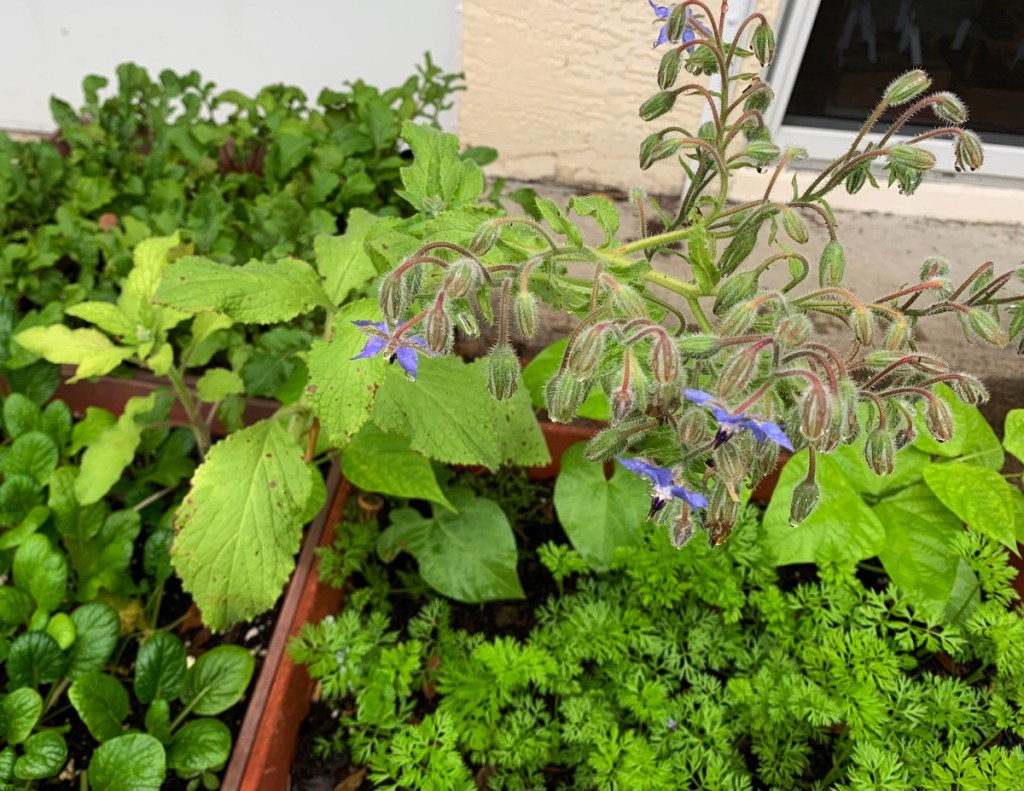
Two borage plants came up side by side in one of the grow boxes. This one has a bunch of flowers. It is growing among the Chijimisai spinach.

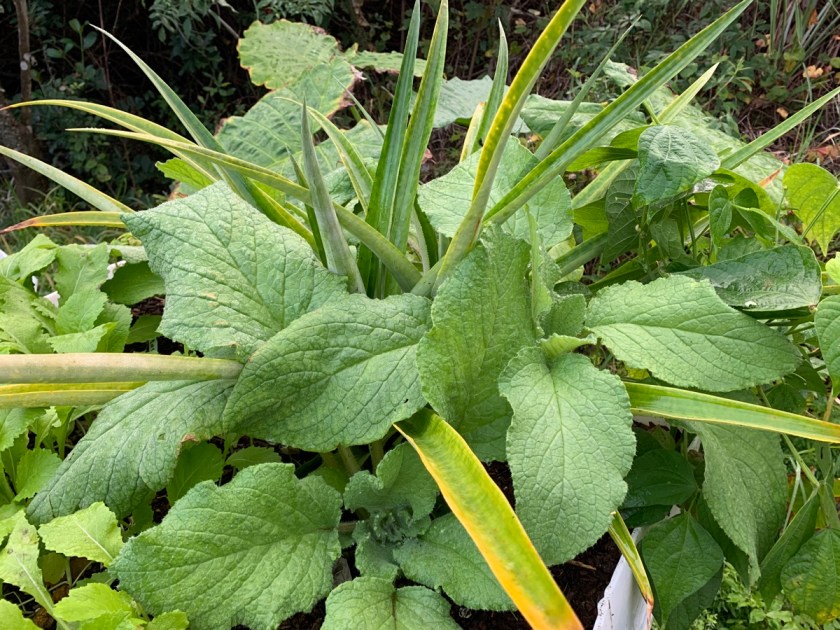
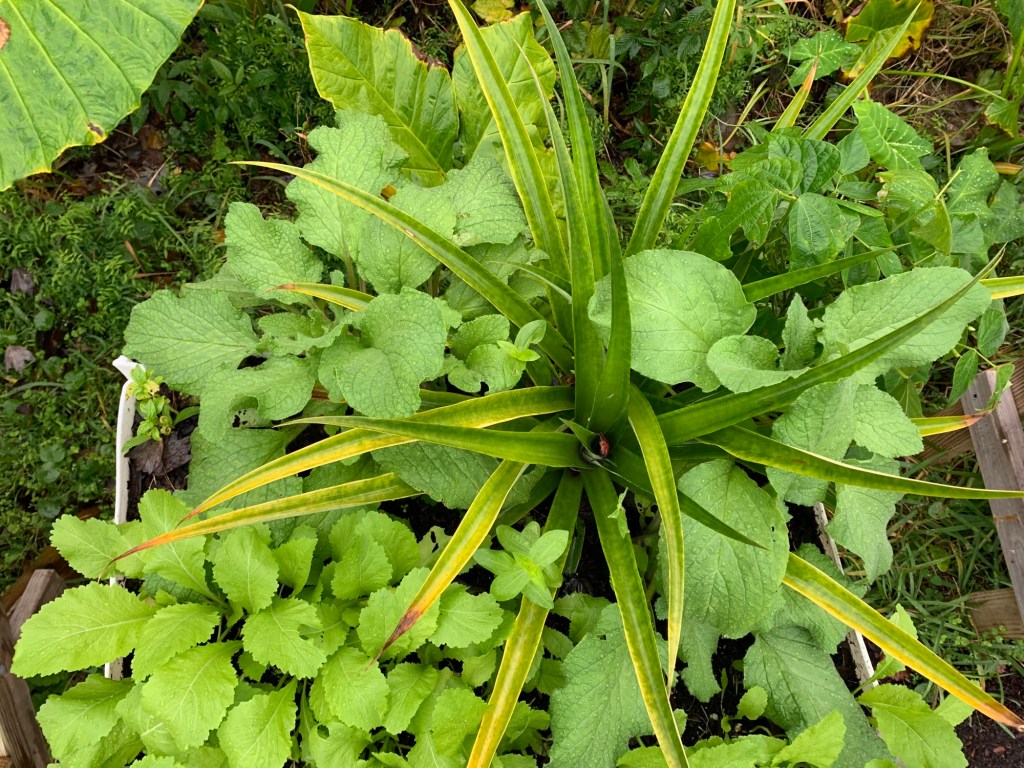
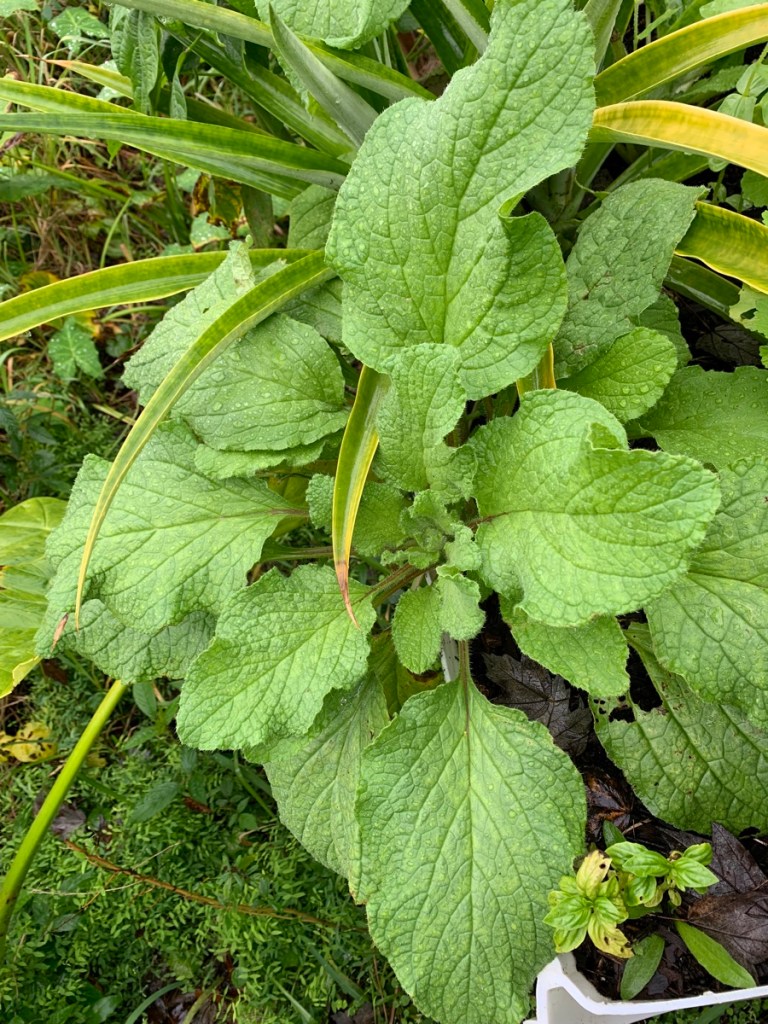
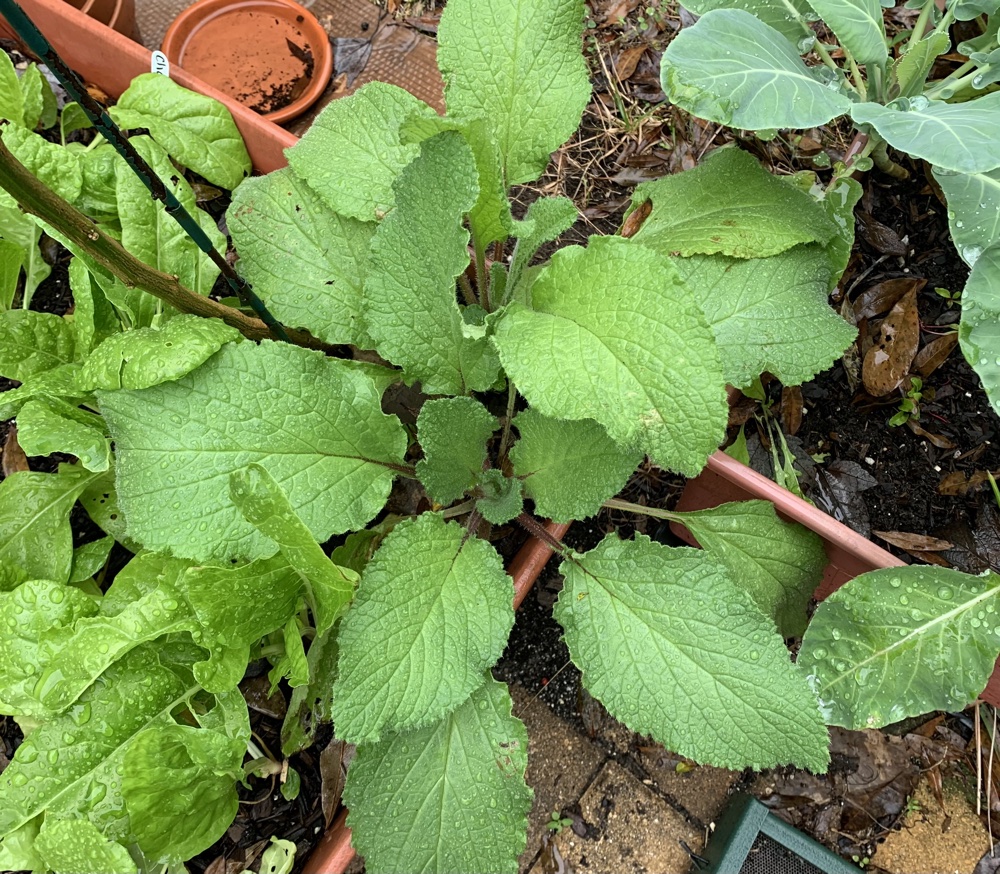
I didn’t have high hopes for the borage to grow, so I scattered some seeds beneath on of my pineapple plants (this pineapple ended up being a double) in a white barrel raised bed. The leaves are now huge, and at least one of the plants has flower buds. So of course, it would grow nicely when you don’t plan on it! Next year I will do better.

borage leaves pineapple
Borage and pineapple

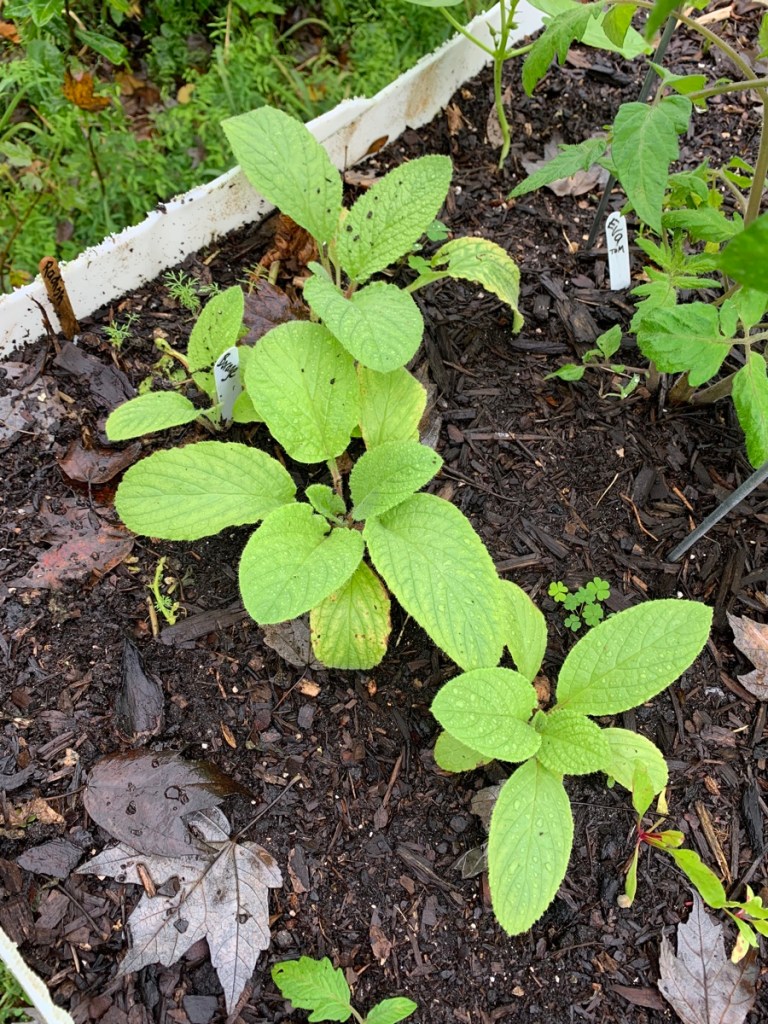
None of the borage seeds I planted into the ground are doing much. They are all still very small. The hanging basket plants are very tiny also.

All plants are getting about the same amount of sun. They are all outdoors and getting the same rainfall and water. All I can figure is that the soil is better in the boxes which is causing the borage to grow larger.

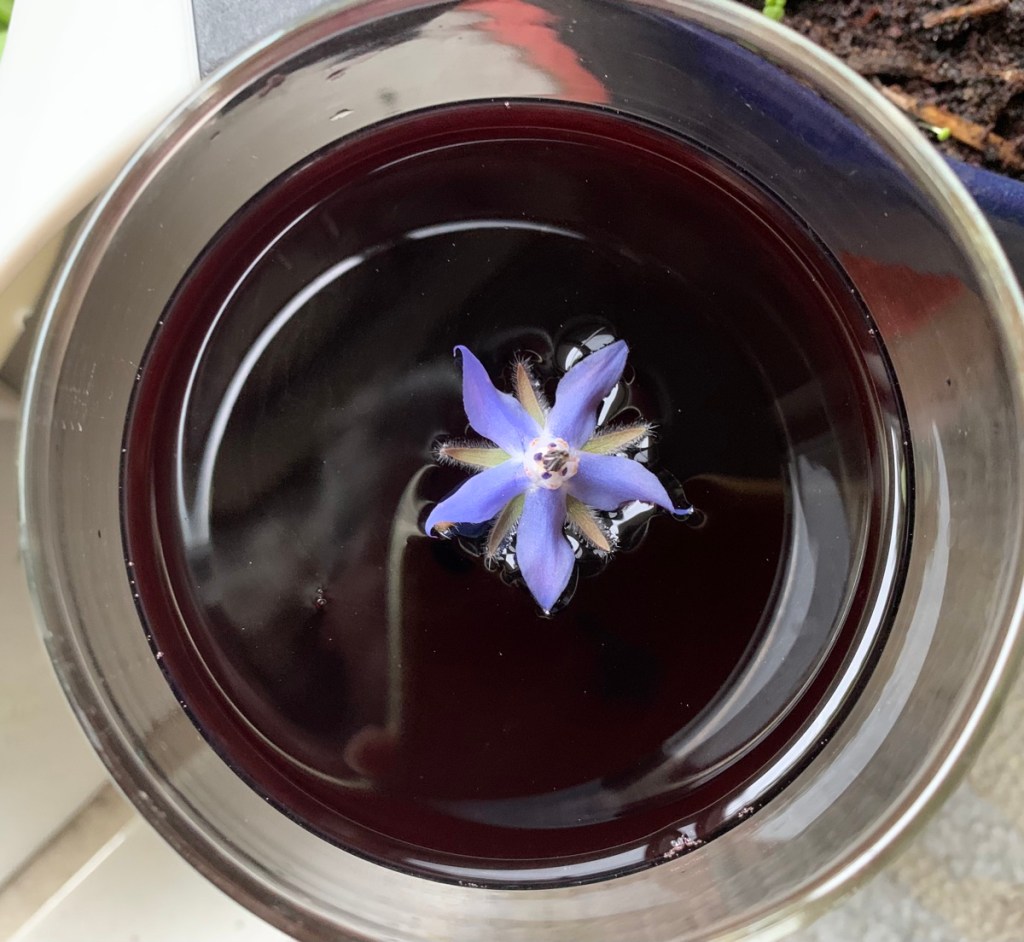
Borage For Tea

Borage in my December Garden

The growth of borage from seeds is random in the yard. The cooler the weather becomes, the better it looks. Don’t waste your time trying to grow this plant in a Florida summer! 

Yes, Borage Grows in Florida

I live in east, Central Florida and yes, I have grown borage. Choose cool months for planting and direct sow the seeds. Be patient because they may not grow quickly.

The seeds form up inside the hanging flower pod. If they ever dry in this weather, I will collect the seeds to plant next Fall.  It will be something to look forward to – enjoying tea and the beautiful, blue flowers once again.

Florida borage flowering
November Borage flowers

Keep reading:

Compare: Soil, Site and Seeds

When something doesn’t grow well from seeds, it’s easy to blame bad seeds. But take into consideration the location of the planting. Does the site have enough sun, or too much? How is the soil? Were amendments added and were they the right ones needed?

I’m not much of a soil tester – okay, I never test my soil. This is probably a mistake, but I’m not ready for that yet. If nothing grew, I would blame the soil completely, but I have had lots of success. I’m not ready to check my soil.

Soil

When the same types of seeds are planted at the same time, but in different locations, comparing growth should tell me something.

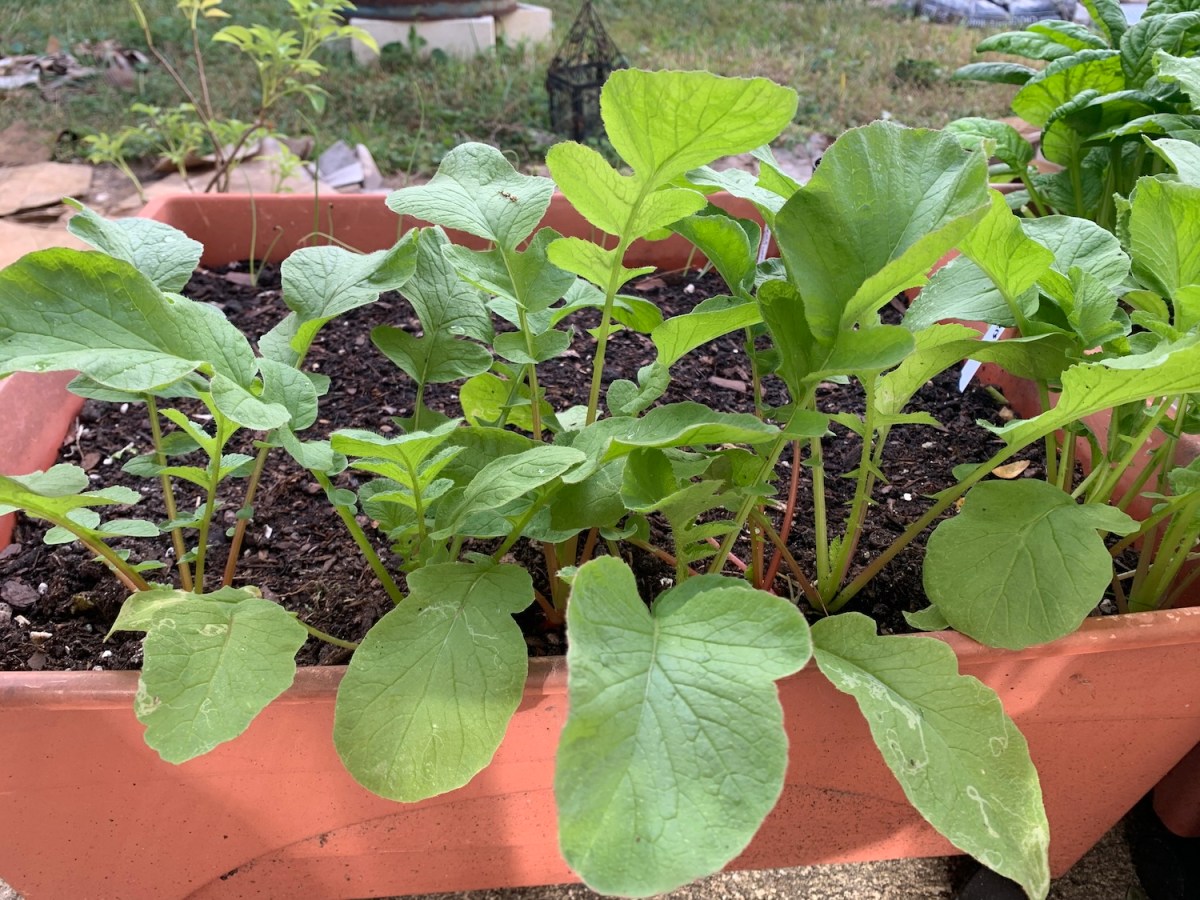
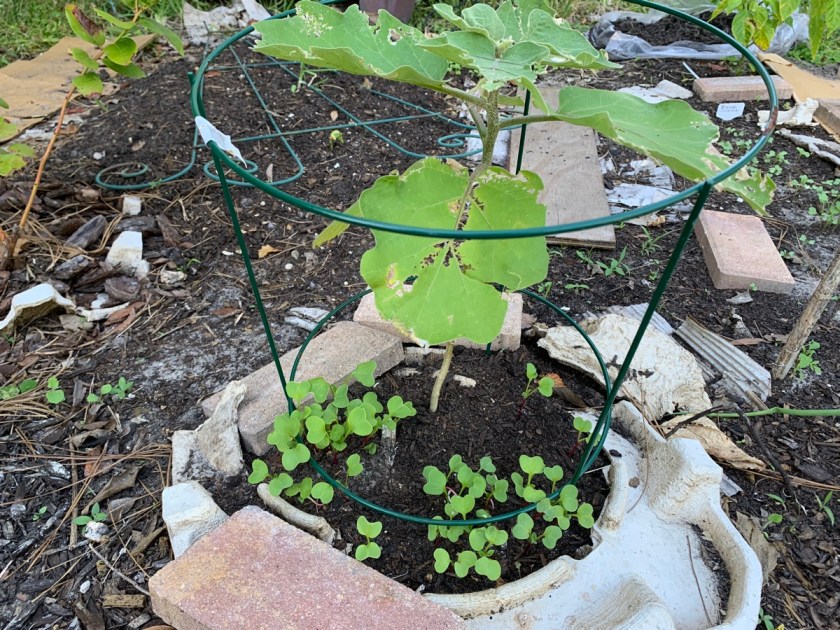
In the case of the radishes, which I planted only because I happened to have a packet of seeds, some did way better than others.

radish growing under an eggplant in the garden
Radish under the eggplant
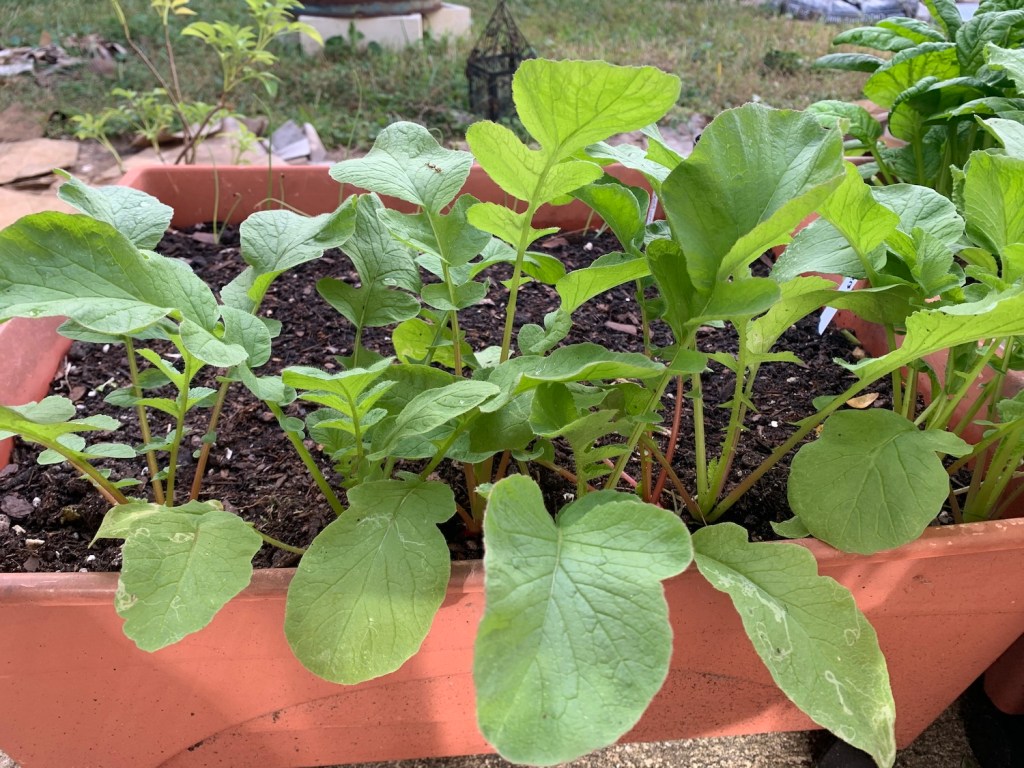
radishes growing in a box outside
Radish in the grow box

The radishes in one of my grow boxes have become very large. I have already eaten one small radish. None of the other radish plants, which grow everywhere in the garden and other boxes, are nearly as big. Most of them get the same amounts of sunlight, so it figures that this one specific grow box has some very nice dirt.

Lettuce was growing alongside these radishes, but it was from seeds I had saved, and the lettuce was bitter so I pulled it up. Now I have carrot seeds planted.

The Carrot Experiment

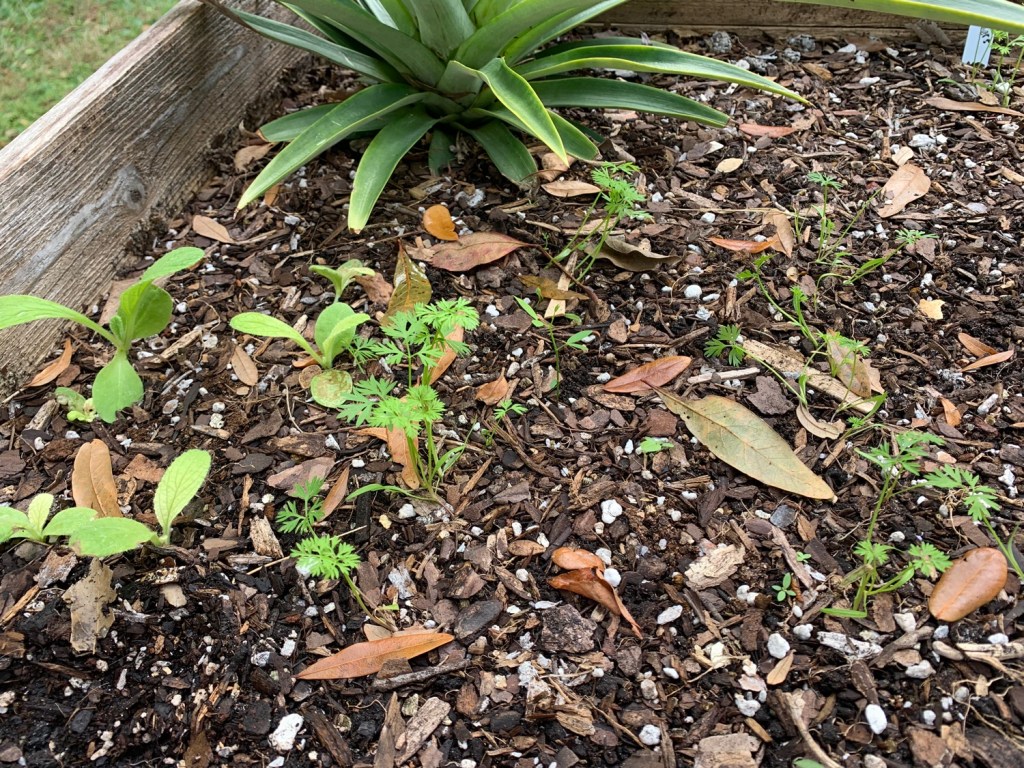
The carrots which were planted in my first choice bed are doing poorly. I choose the tallest grow box so the carrots would have lots of room for rooks. I had loosened the soil, and added some good stuff. I had high hopes, but they are barely growing.

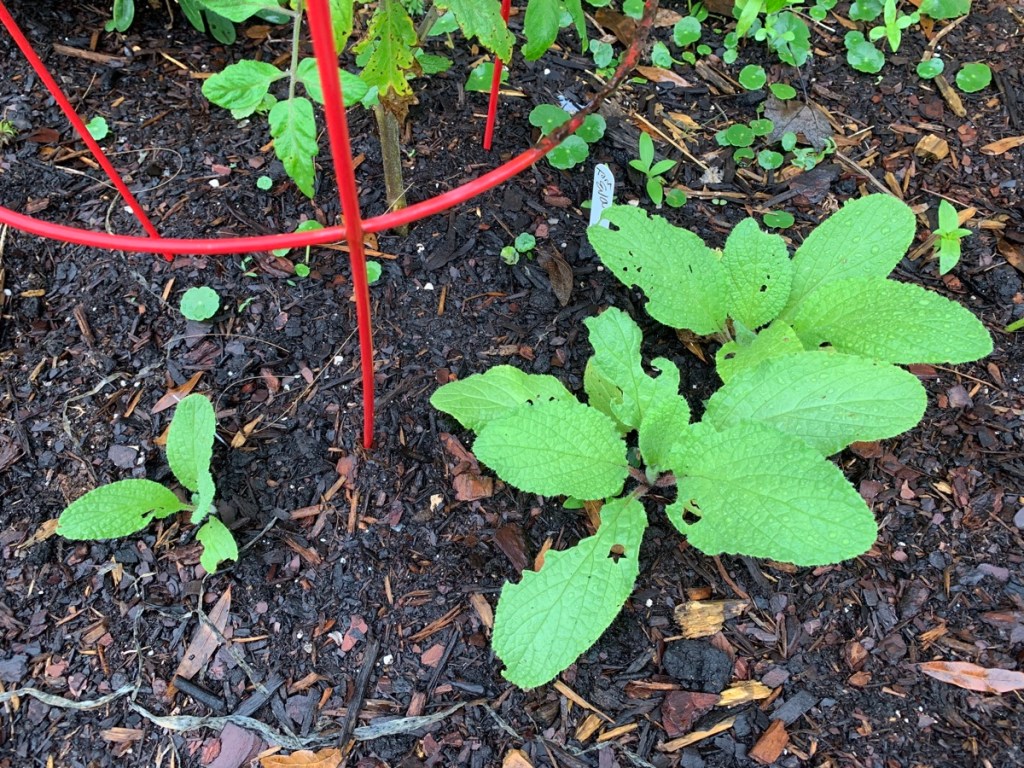
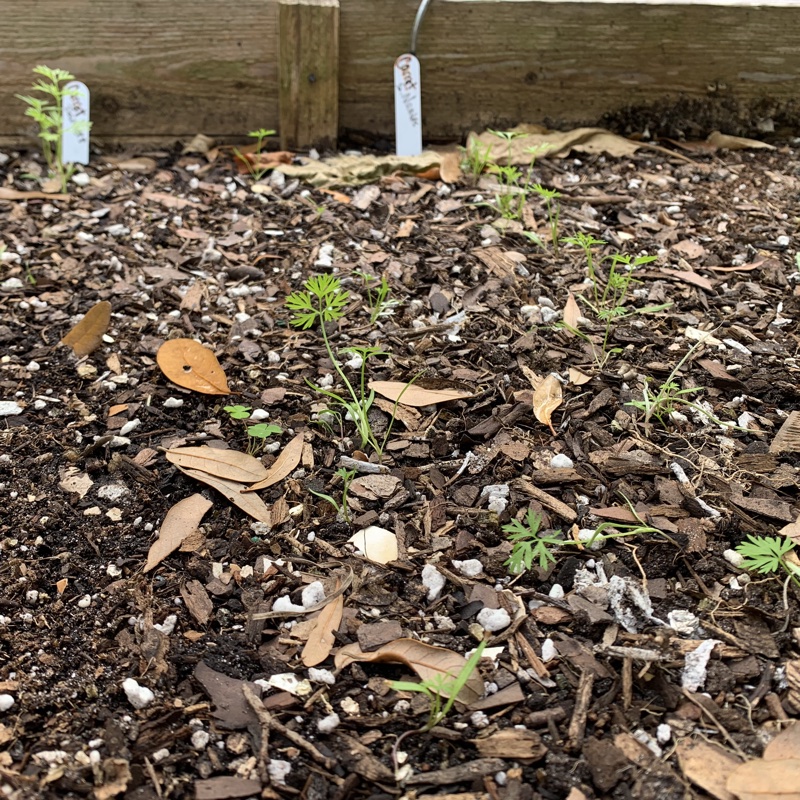
Carrot seedlings after one month, alongside borage and a pineapple. The borage is not doing well either, so soil problems?
carrots growing in the raised bed

The carrot seeds were planted just about a month ago. According to the packet, they will be ready in 65-75 days. It is hard to believe that these tiny things will be ready to eat in just over a month’s time! I seriously doubt it.

My second carrot planting is in that box with the radishes. I am very sure that the soil is good. If the carrots still don’t grow, I will blame the seeds. The weather is cooler now, and both spots get good sun.

Growing Sites – Choose Many

If you are unsure about growing a crop, select more than one place to try to grow seeds. Everyone knows that most things need sun to grow, so definitely choose sunny locations.

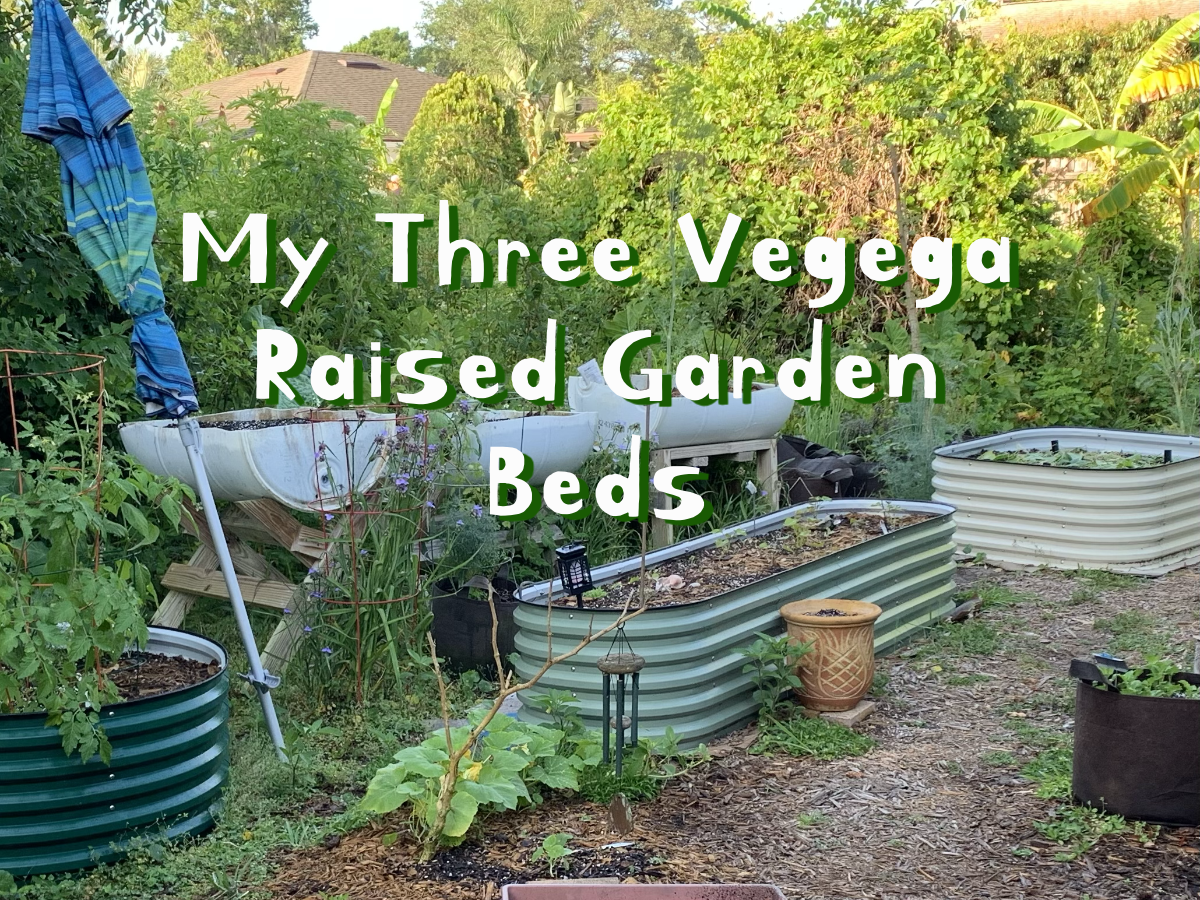
I have two ground garden areas and a bunch of grow boxes and “raised beds”. It is easier to manage the boxes, and the dirt has been amended over and over. I can move them to shade, or sun, as needed.

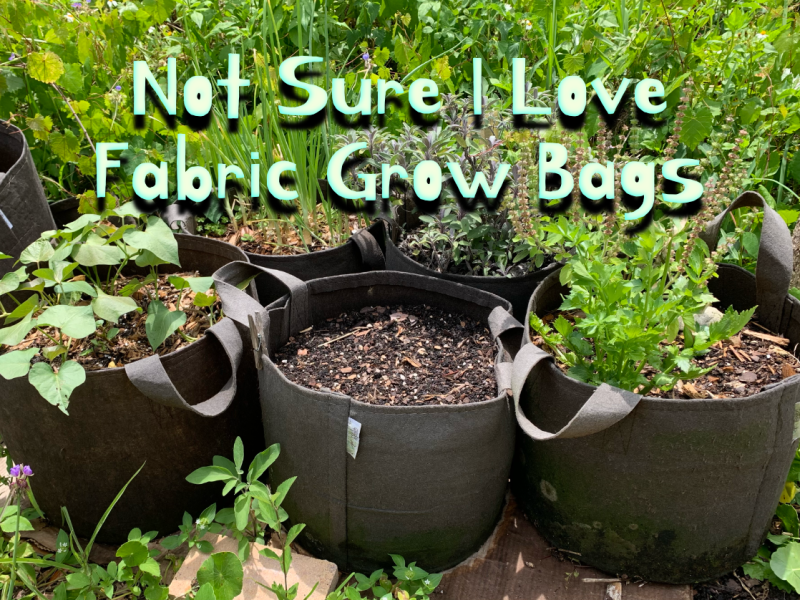
This year I also added some new grow bags as well.

Interplanting of Crops

This fall I am doing a lot of interplanting of crops. For one thing, I am not sure which ones will do best and which won’t grow at all.

This small garden in my photo contains snap beans, 2 eggplant, radishes, broccoli, 1 cauliflower, 1 pepper, and a blueberry bush! I know it is not optimal, but I am trying to make the best of a small space.

interplanting beans, eggplant, broccoli, cauliflower
Fall 2023 garden in the backyard

As was true for my summer garden, I am experimenting with fall and winter crops. Whichever vegetables do well, will be planted again next year. I’m keeping lots of notes.

Seeds

Sometimes it is best to grow crops from seeds. Big seeds can be planted directly in the ground, and I’ve had great success with watermelon and pumpkin in spring, and snap beans now.

Buy seeds as close to planting time as you can, in the hopes that they will be freshest. Packets should have a date. I try to use my seeds within a year.

But first I needed to figure out when to plant what in my central Florida location. Even the seeds from Southern Exposure can’t be relied on to give Floridians planting advice. SESE sells seeds to the southeastern US, which means many growers don’t live in a Florida climate. The packets mention “last frost” and freezes.

seed packets
Seed order from The Urban Harvest

There are a few things I’ve purchased that just haven’t grown. I’ve tried them at different times, in different locations, and been unsuccessful. It probably means either bad seeds, or the stuff just doesn’t want to grow in my yard. I’m not going to fight with it, I will move on and grow something else.

The South is Nothing Like the North

Although I would love to grow some of the same plants I grew in New Hampshire, the south is nothing like the north.

Borage is one of the failures. It hates the heat, and I do have a few little seedlings coming up, but none of them look great. I’ve read that borage grows great here in Florida, but I don’t believe it.

Nasturtium has also done nothing. Most of the seeds didn’t even sprout. In this case I am blaming the seeds. But I doubt that the plant will like this Florida climate. Sticking with what works well in my area if a good choice and I won’t buy these again.

Experiment and Take Notes

Do your vegetable gardening research for your particular area, and then plant what is expected to grow well. The UF/IFAS gardening site is a good place to start.

Eventually, I plan to have a list of favorites to grow for every season in my area. The mistakes I make now will only enhance my knowledge of gardening.

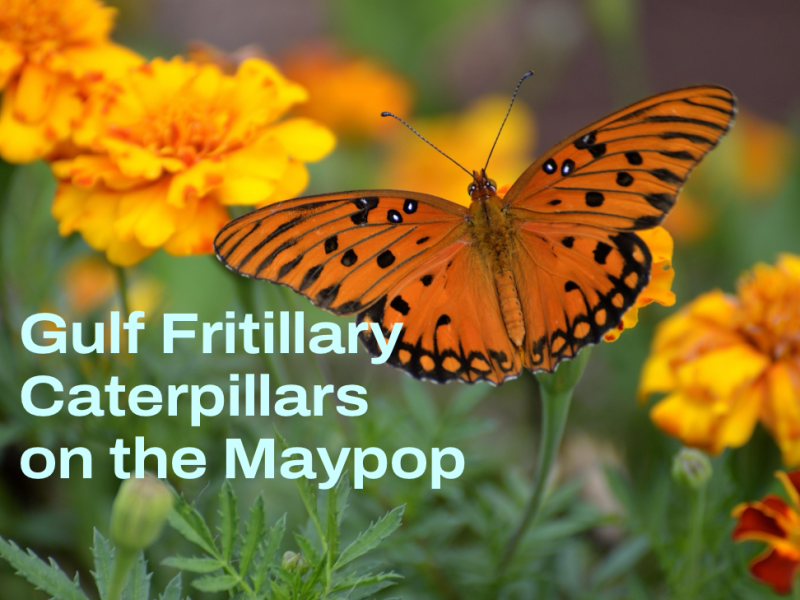
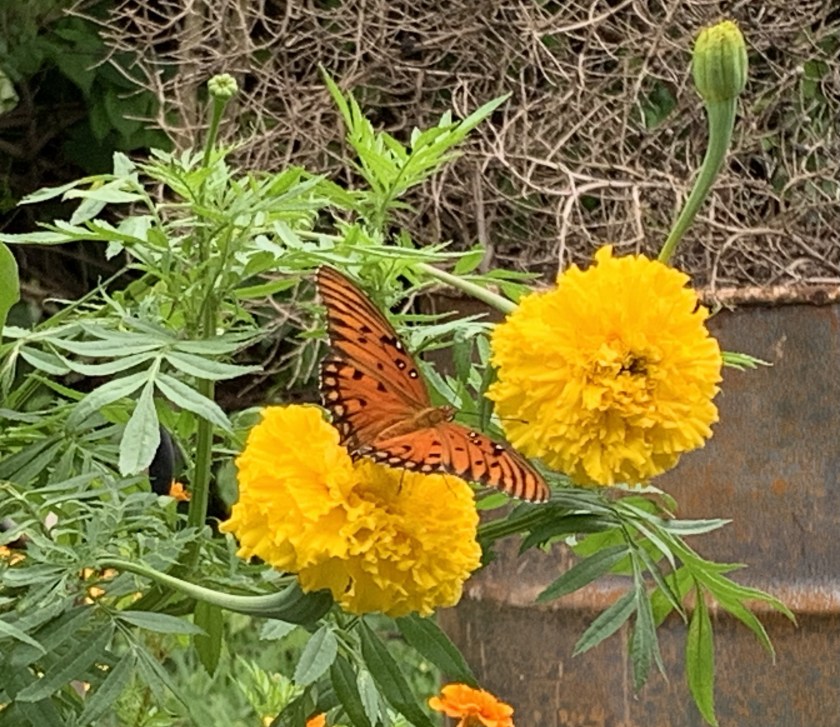
Orange Gulf Fritillary Butterfly

If you live in the southern US, that pretty, mostly orange butterfly in the yard may be the Gulf Fritillary.

I’ve seen pretty orange butterflies in the yard and never knew their names. It is the Gulf Fritillary butterfly and is seen in the southern US. My daughter in New Hampshire is getting into identifying her local butterflies so I took pictures of this one to show her.

orange Gulf Fritillary butterfly
Gulf Fritillary butterfly

Generally, trying to photograph moving creatures is something I don’t even attempt, but this beautiful butterfly was hanging around the flowers for so long that I figured I’d try.

When I sent the photo, my daughter did not recognize it – no surprise since she will probably never see one in New England. I had to search to identify its name. According to this page at the Butterfly Hobbyist they are abundant in Florida and Mexico.

The Gulf Fritillary especially likes Passionflowers, or Passion vines, which is where they prefer to lay eggs. But in the butterfly stage they visit many types of flowers. This one seemed to enjoy the marigolds.

Gulf Fritillary butterfly
Gulf Fritillary butterfly on yellow marigolds

More stories from the garden