February Garden Planting

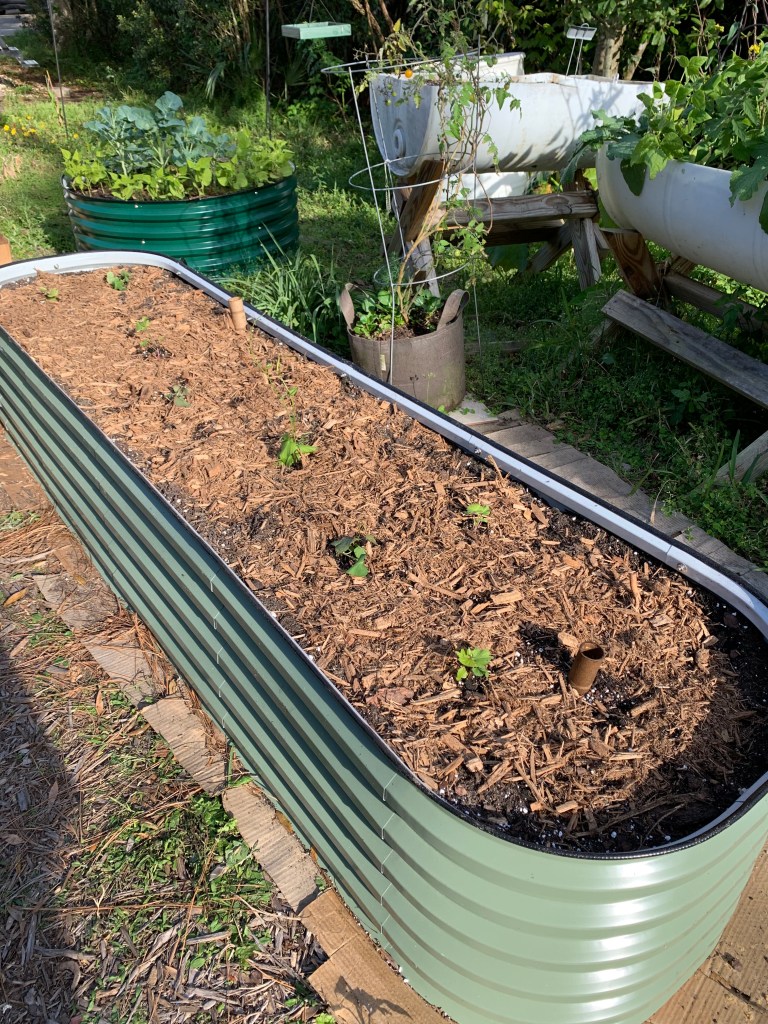
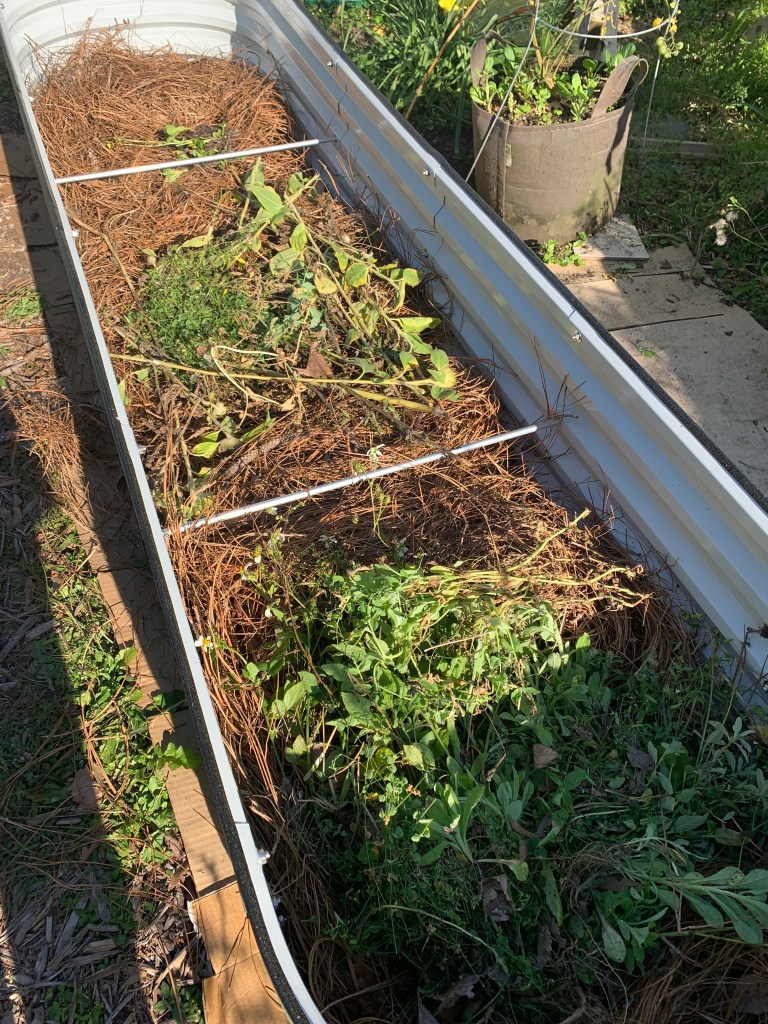
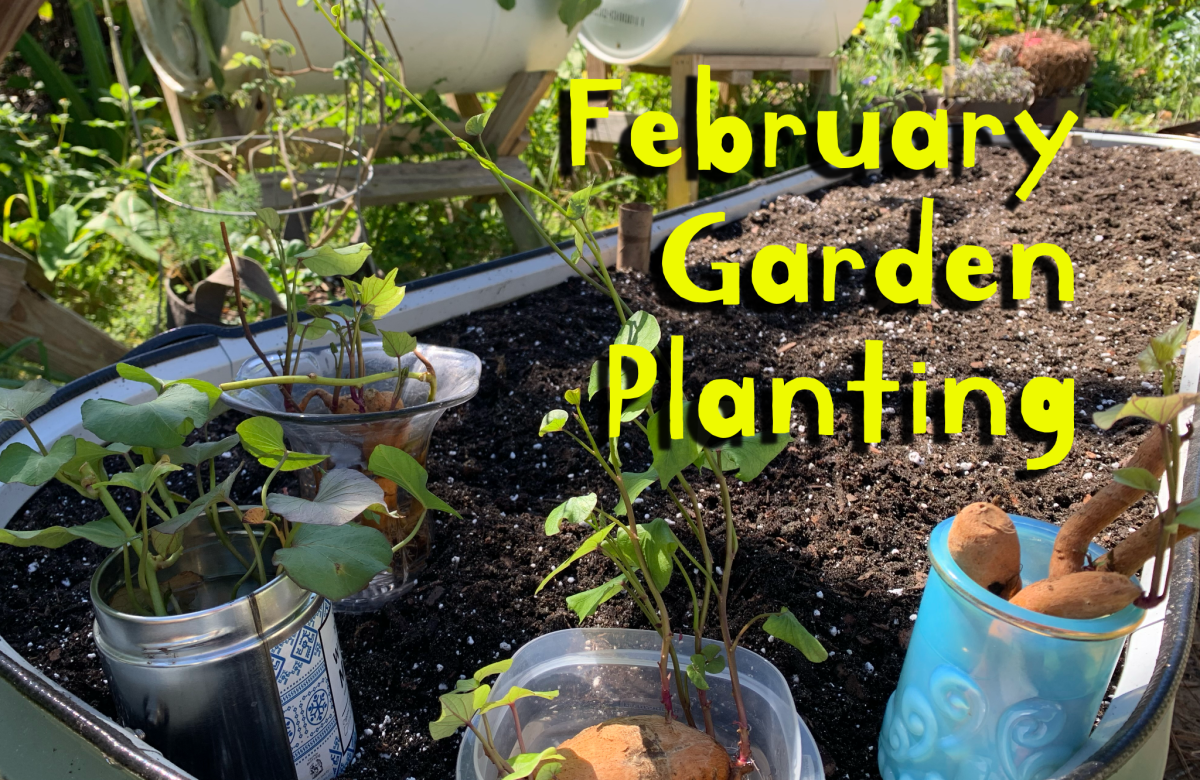
It is the end of February and here in Florida I am getting some seedlings and sweet potato slips into the raised beds.

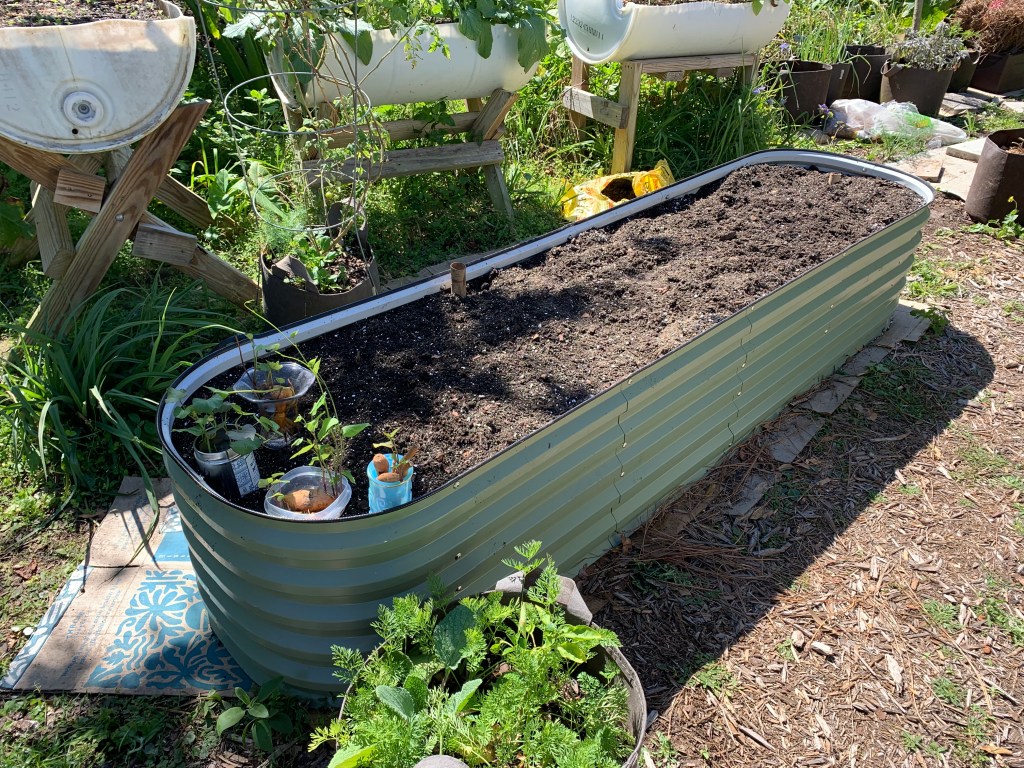
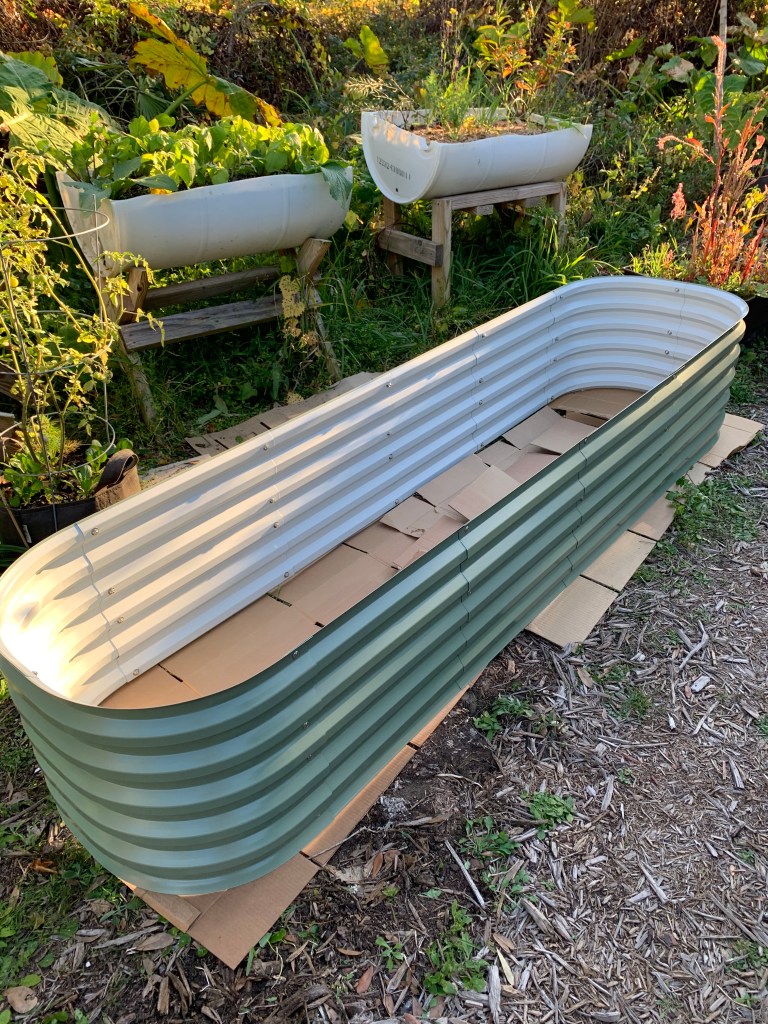
Finally I have filled my long raised bed. This took some real effort. The metal bed is from Vegega and is 17 inches high. It had 12 pieces to assemble and it was a hot day. It actually took me 2 days to put it together, and then it was time to fill. That took many days and a couple of trips to the Yard Shop.

The last push to fill it took 8 bags of purchased soil. I also mixed in some perlite, compost, and fertilizer. At last it was full.
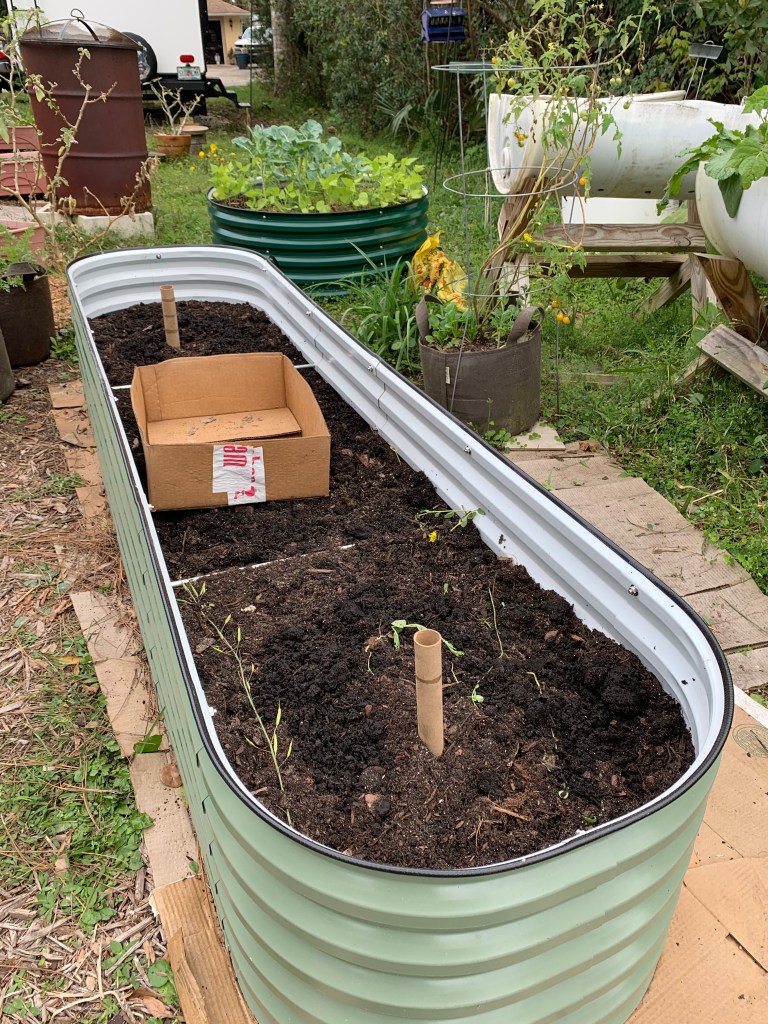
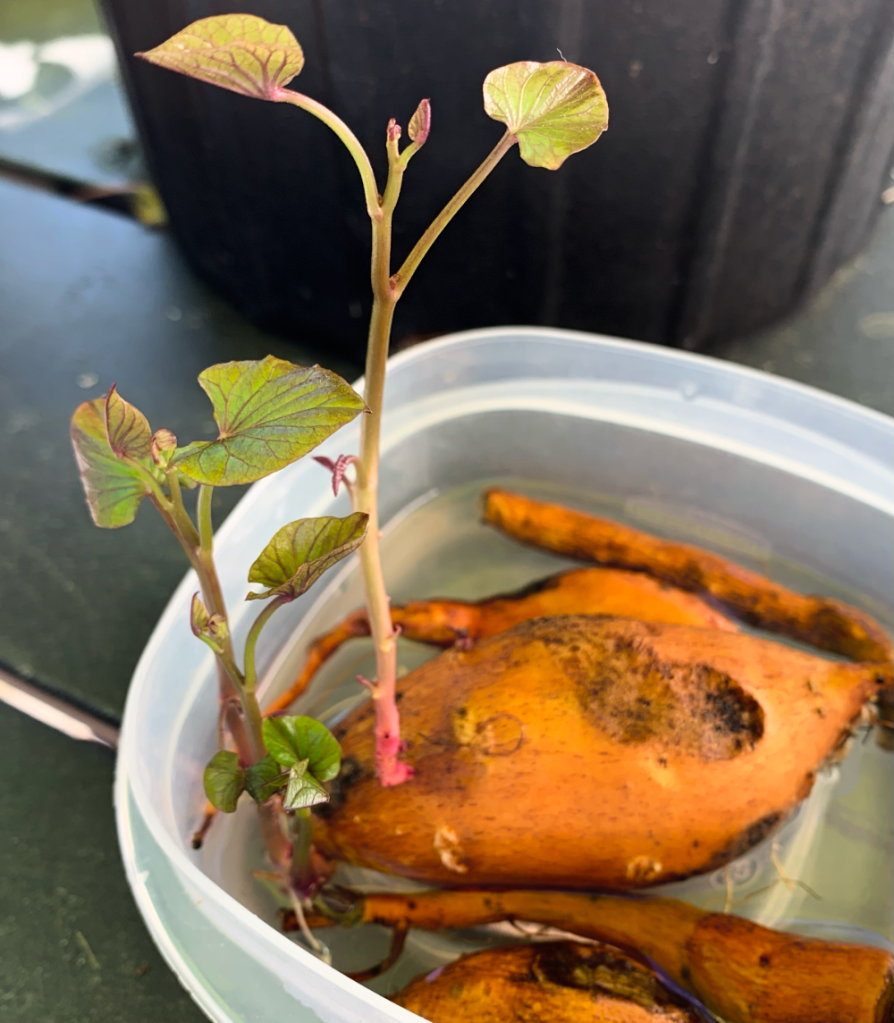
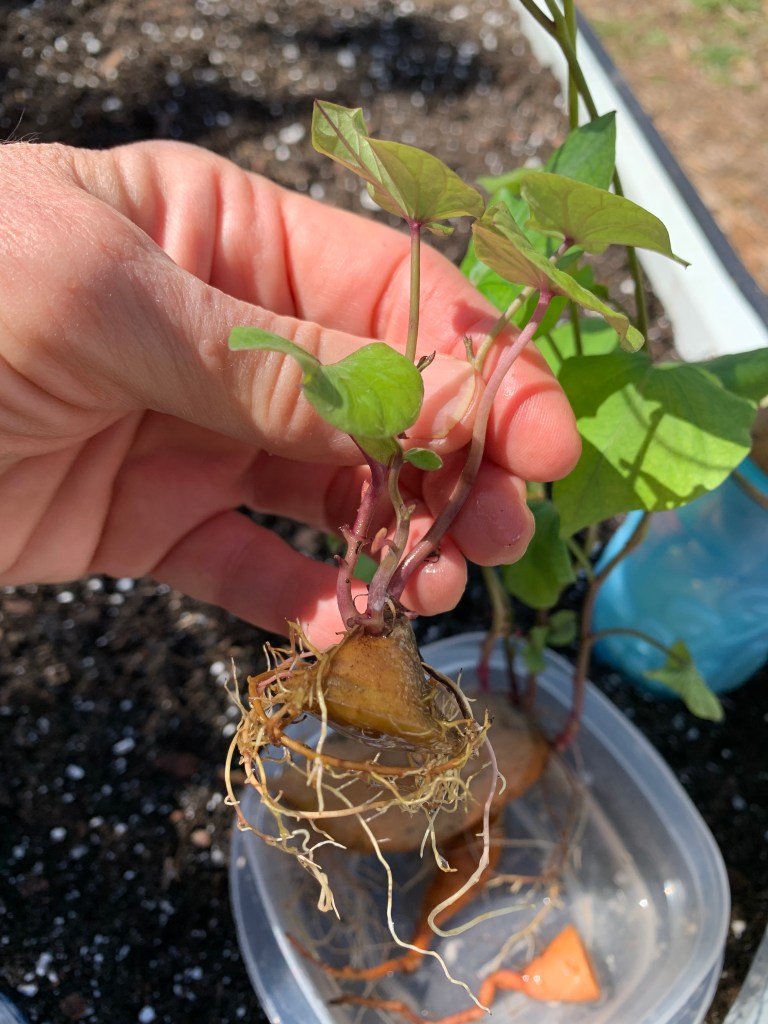
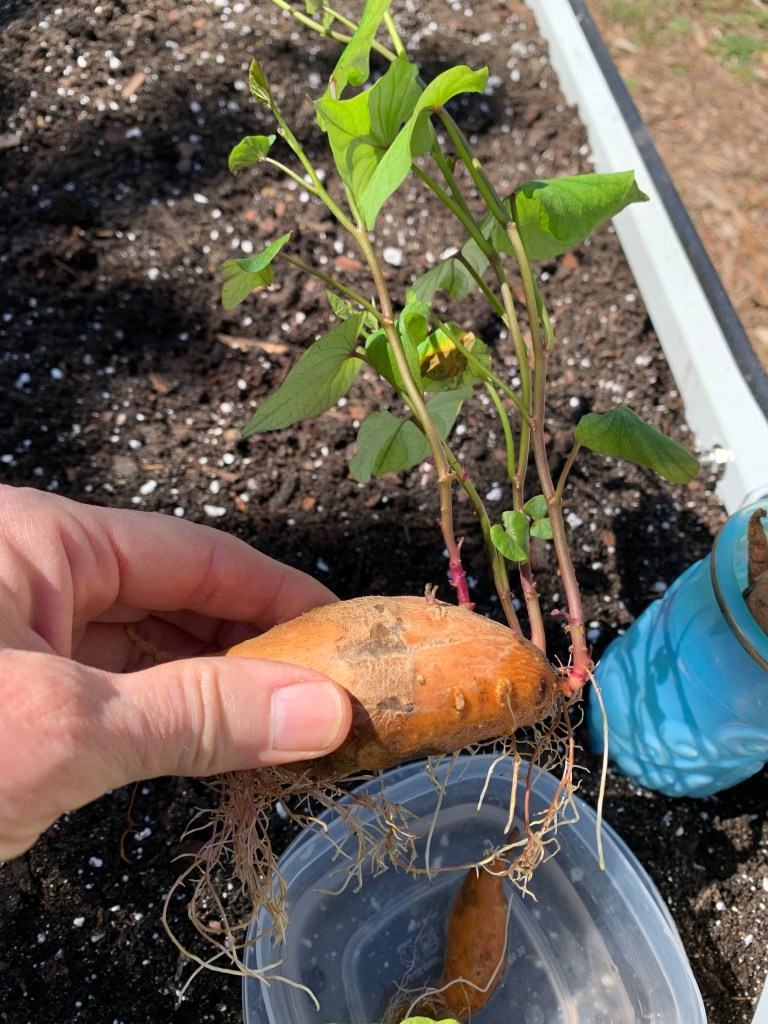
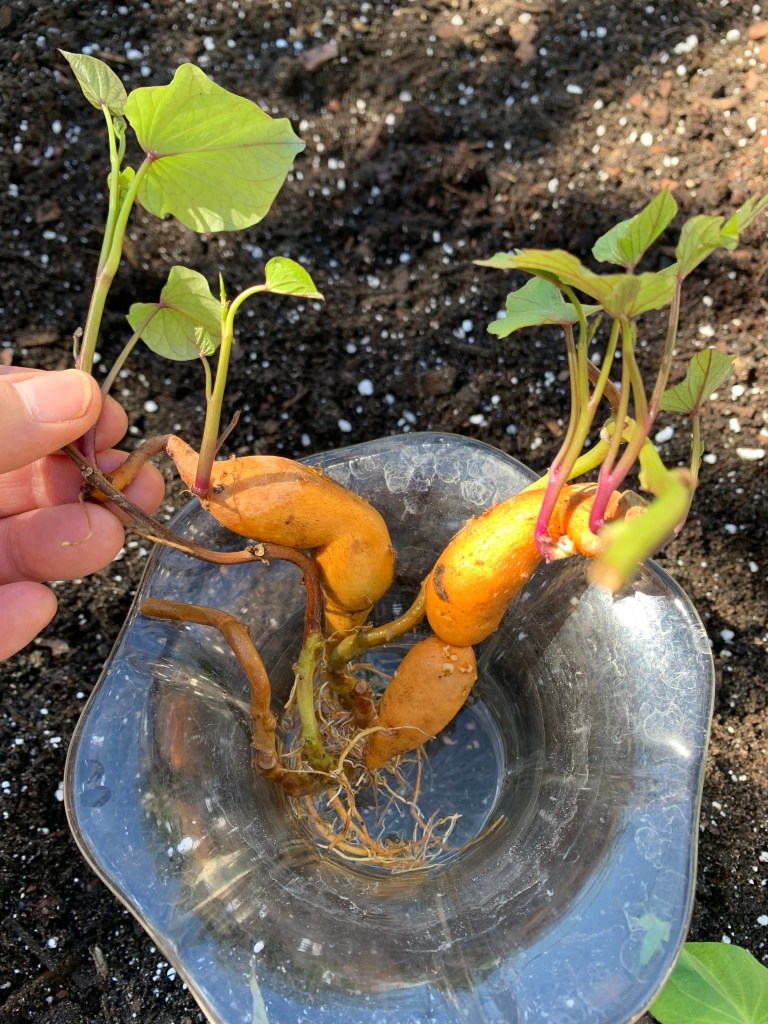
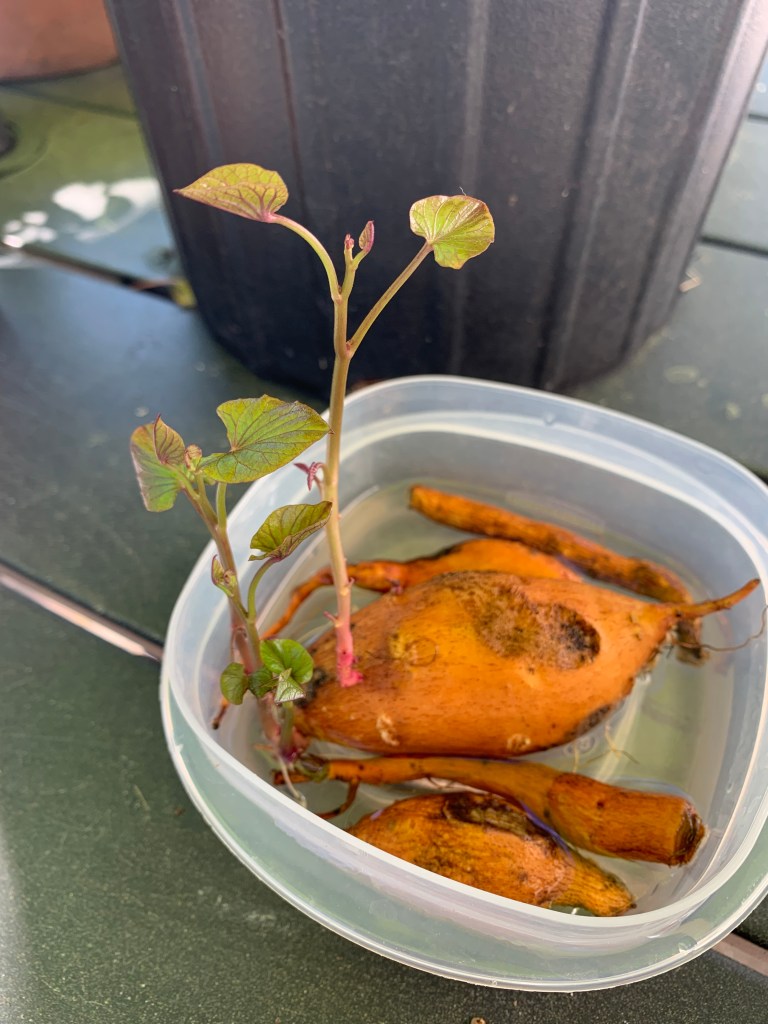
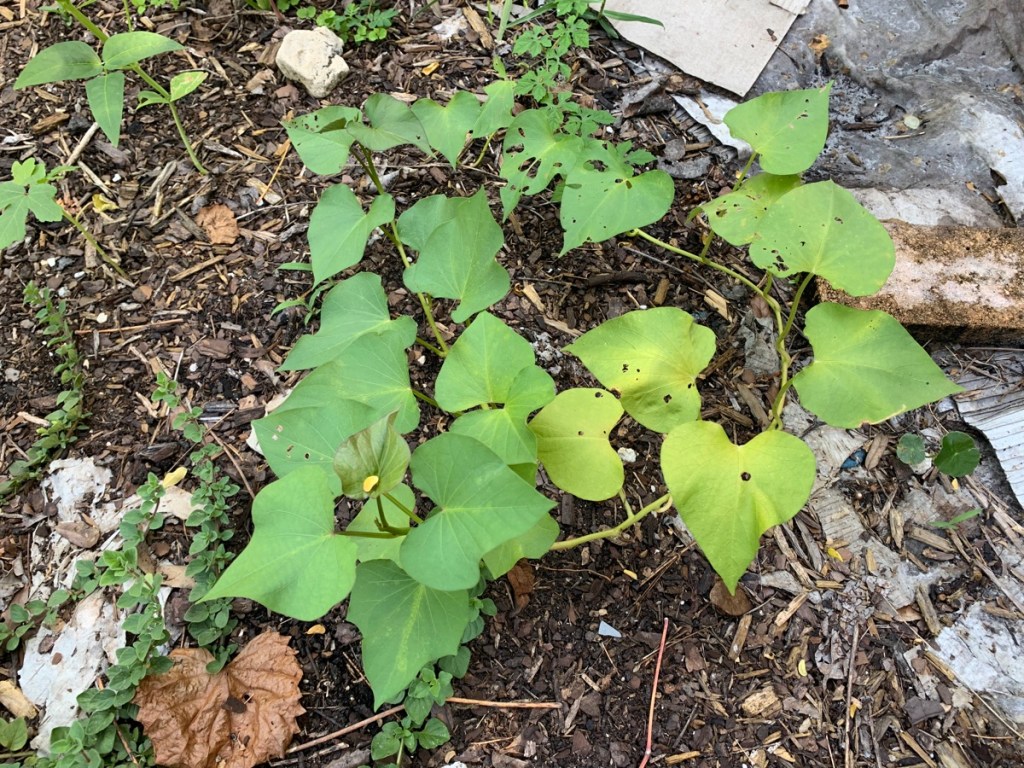
I’ve had some sweet potato slips growing on my windowsill for a few weeks. I kept finding sweet potatoes buried in the yard that were rooting. They really needed to get into the ground. Our weather is not super hot yet, but I figure the plants are better off in dirt than in water in my house. Also, we have an upcoming camping trip. The goal is to plant things before I leave.
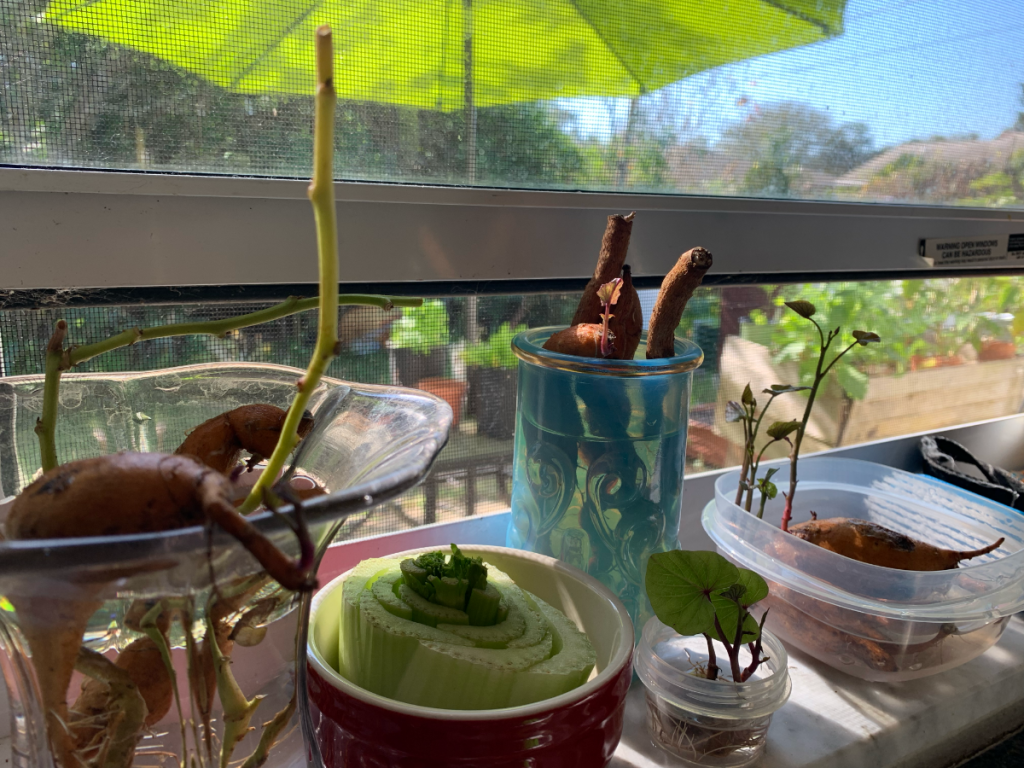
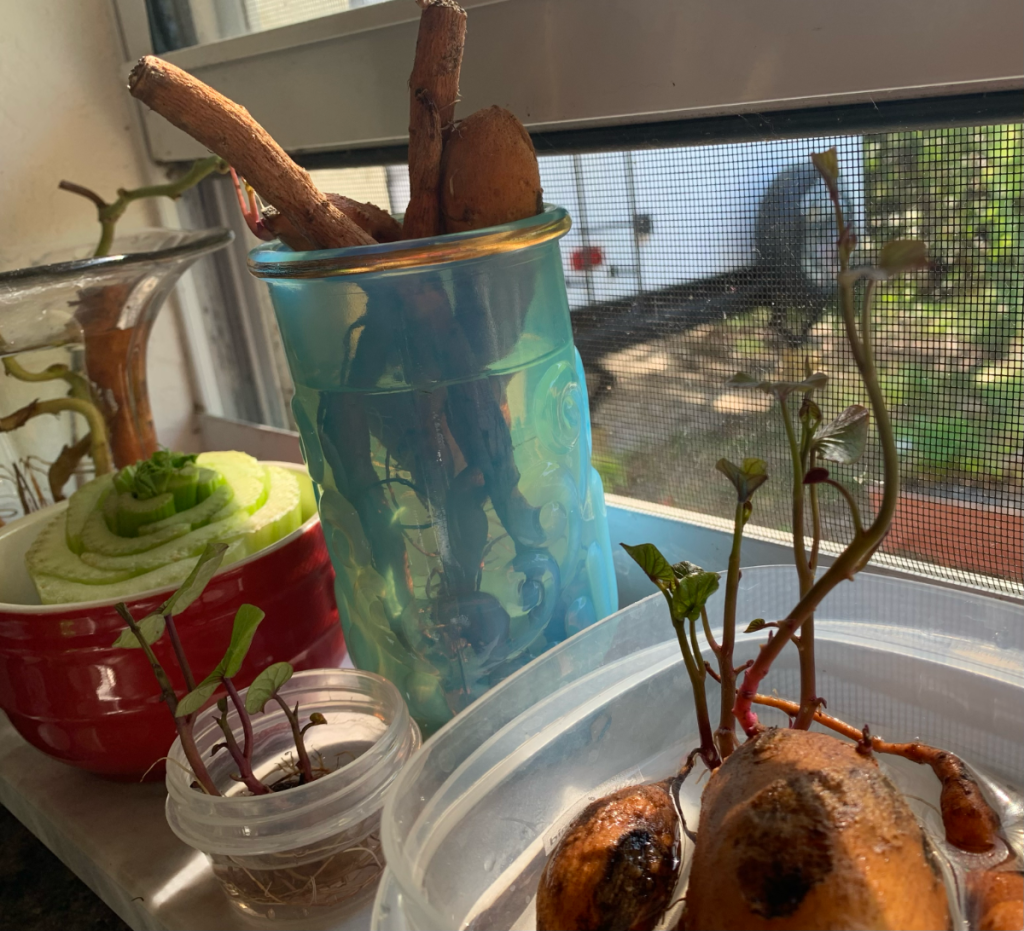
Originally, I had planned to order some sweet potato slips. When companies send out the slips, they do not specify when they will come. We have a couple of camping trips coming up and I’m afraid I will not be home when the slips arrive. Also, I found so many potatoes in my yard that were already growing, that I don’t really have room to plant more.

I have one more raised bed to set up. It could take me a while. I’m feeling good that this one is planted and hopefully I will have sweet potatoes to eat in a few months.

Peppers and Eggplant

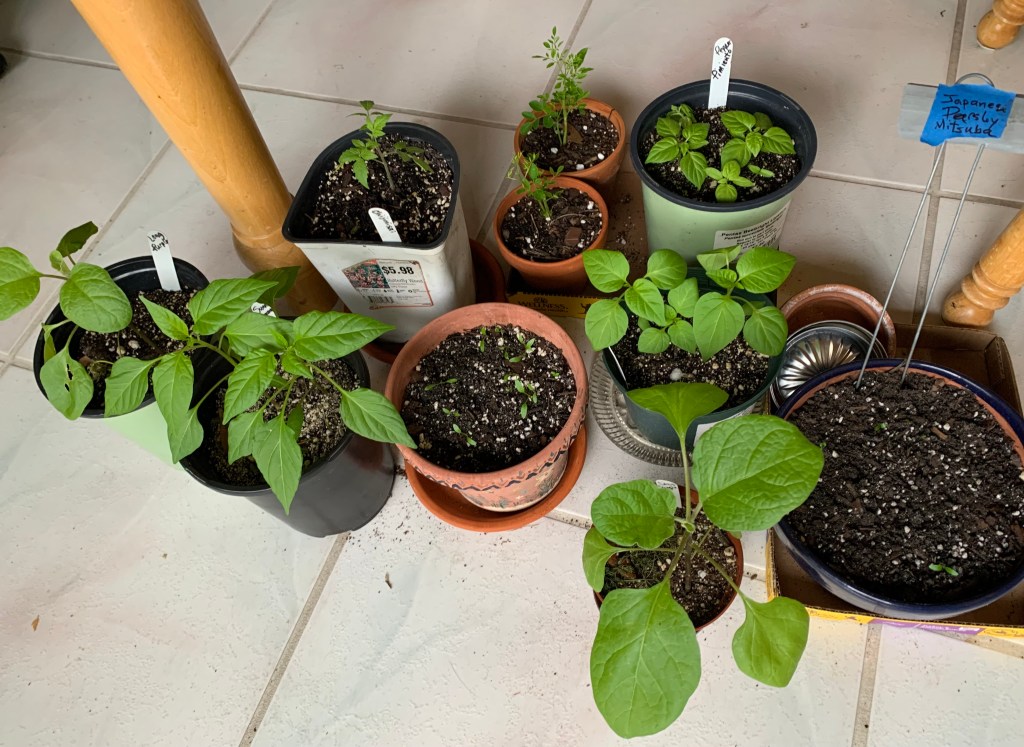
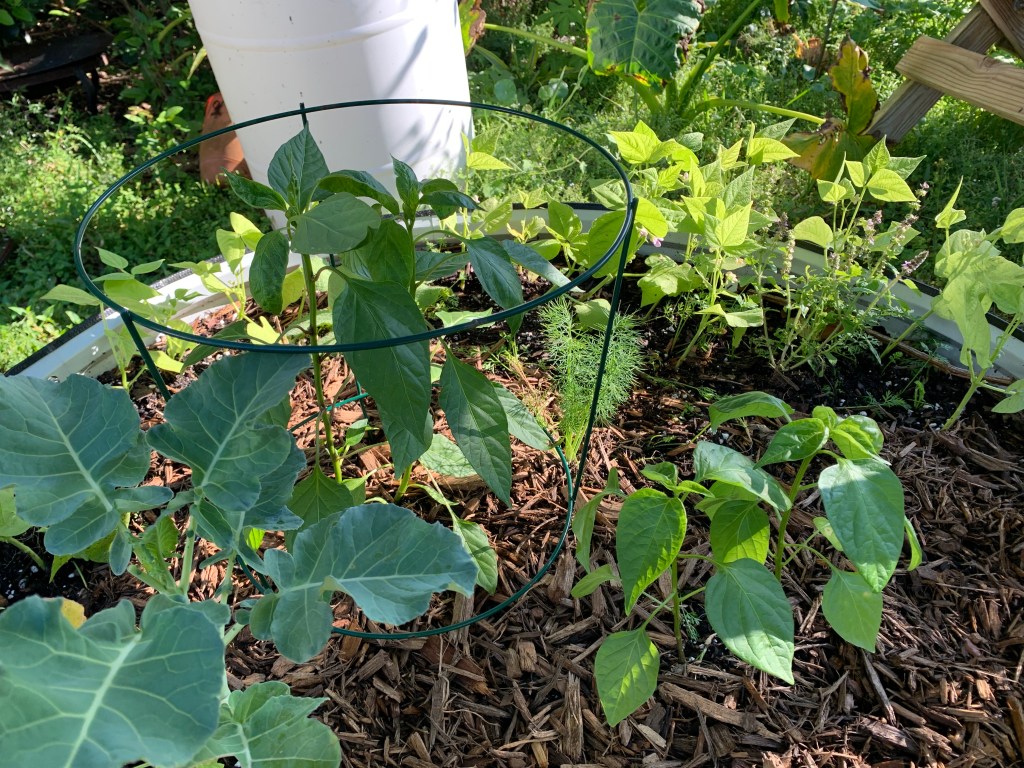
Both pots of peppers were doing nicely. I have not tried to grow either type before. I planted the seeds for the Sweet Banana and Ubatuba months ago. The seedlings were thinned to 2 in each pot. Have you ever heard that peppers like to touch each other? I remembered this so I left 2 together. I’ve always had a very hard time getting peppers to grow, so I don’t have high hopes for these.

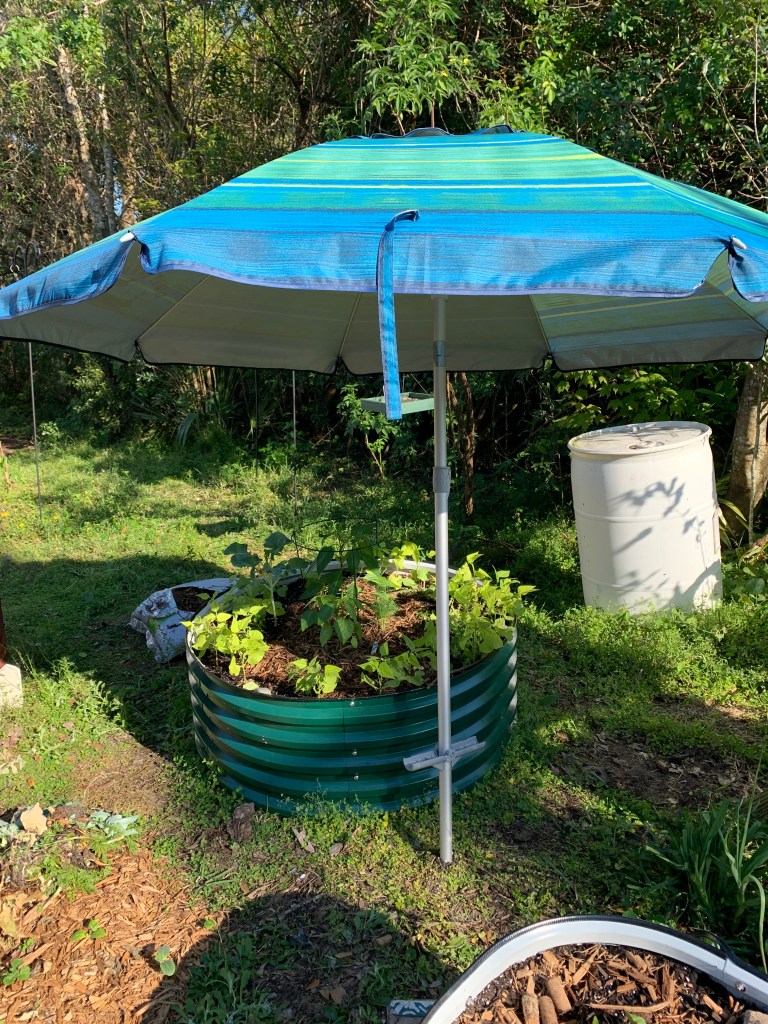
Now they are safely planted into the round metal bed. I had to set up my umbrella because it was very hot and sunny. I’ll let them have sun all day once they are adjusted to their new grow space, or if it cools off a bit. They will definitely need this shade every afternoon during summer.
In Hindsight

I’ve written about growing peppers often. Last year I had many plants that looked great for a while and then suddenly died. One had waterlogged roots, so I knew the cause of that. It made me empty my grow boxes and drill holes for drainage.

The other pepper plants were in fabric bags. I think there is a problem with these bags. First, I moved the plants from one area to another. I suspect the roots were damaged when I did that. Also, fabric bags dry out fast. I’m learning this from emptying them now. Even though I water like mad, there is lots of dry soil in every bag. I plan to write more about this.

Happy gardening! … to those who are lucky enough to be able to do it in February.

garden vegetables divider
Thanks for reading!

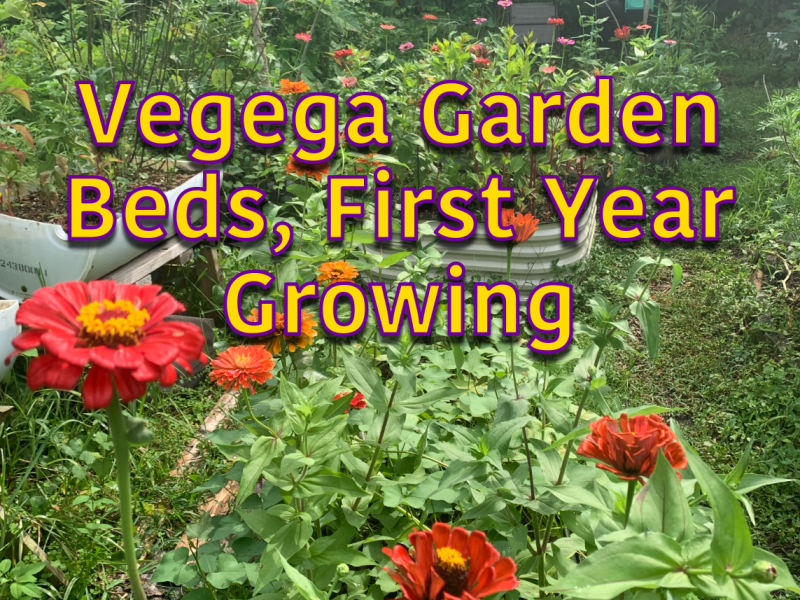
Setting Up My Second Metal Raised Garden Bed

My new, long raised bed came from the Vegega company. It is 17 inches high and 8 feet long. This one has been a challenge to set up.
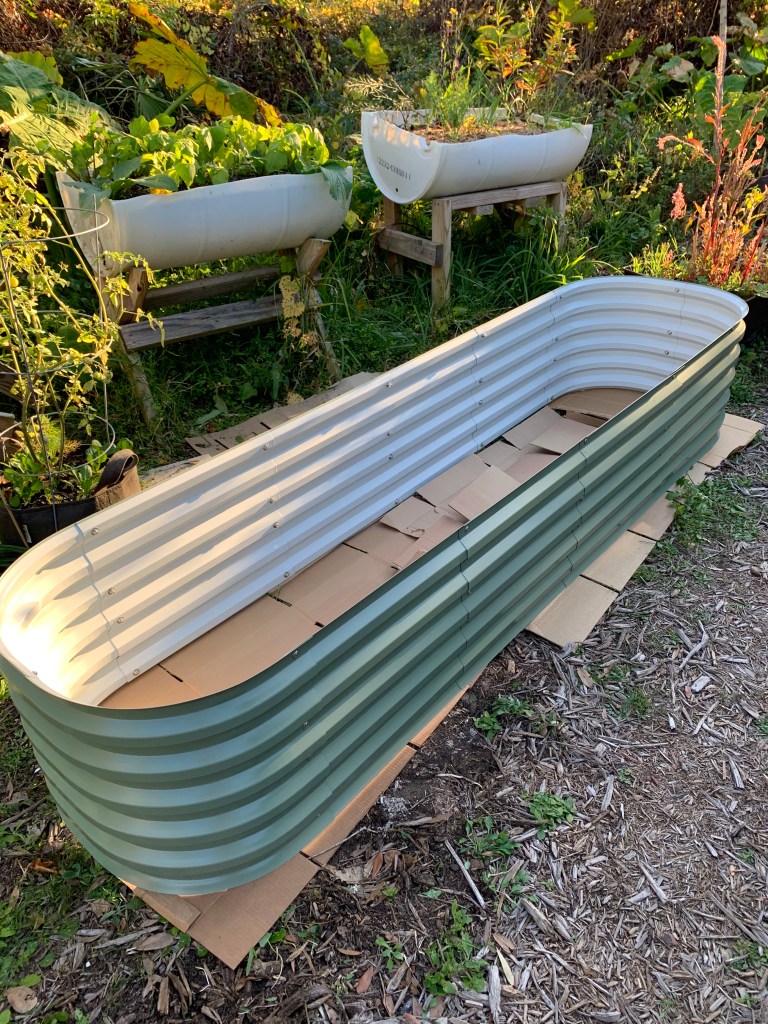
Today, and for days after, I have spent time putting together my Vegega raised garden bed. This is a metal, raised bed that is a long, skinny shape. The size is 8 feet long by 2 feet wide, and 17 inches high.

A while ago I bought a round bed and it was fairly easy and quick to put together. This new, larger bed was not nearly as easy. Having help, or better yet someone young, or a husband, to do it for you, would be ideal!

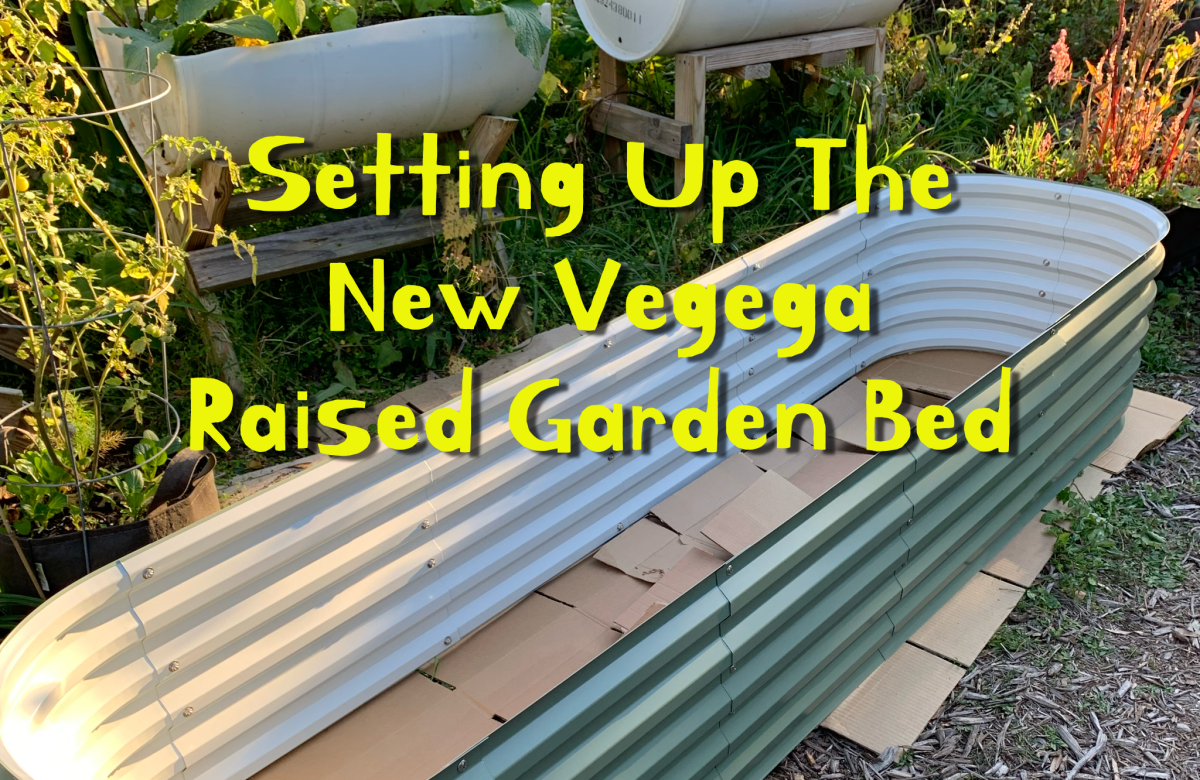
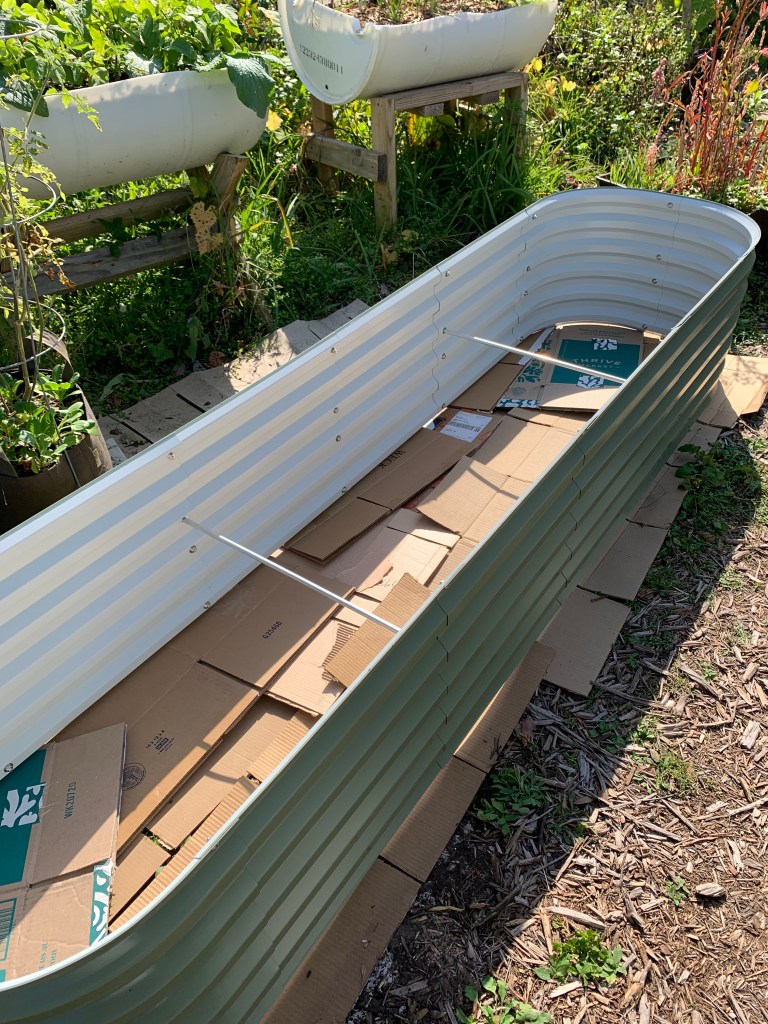
Vegega long garden bed made of metal.
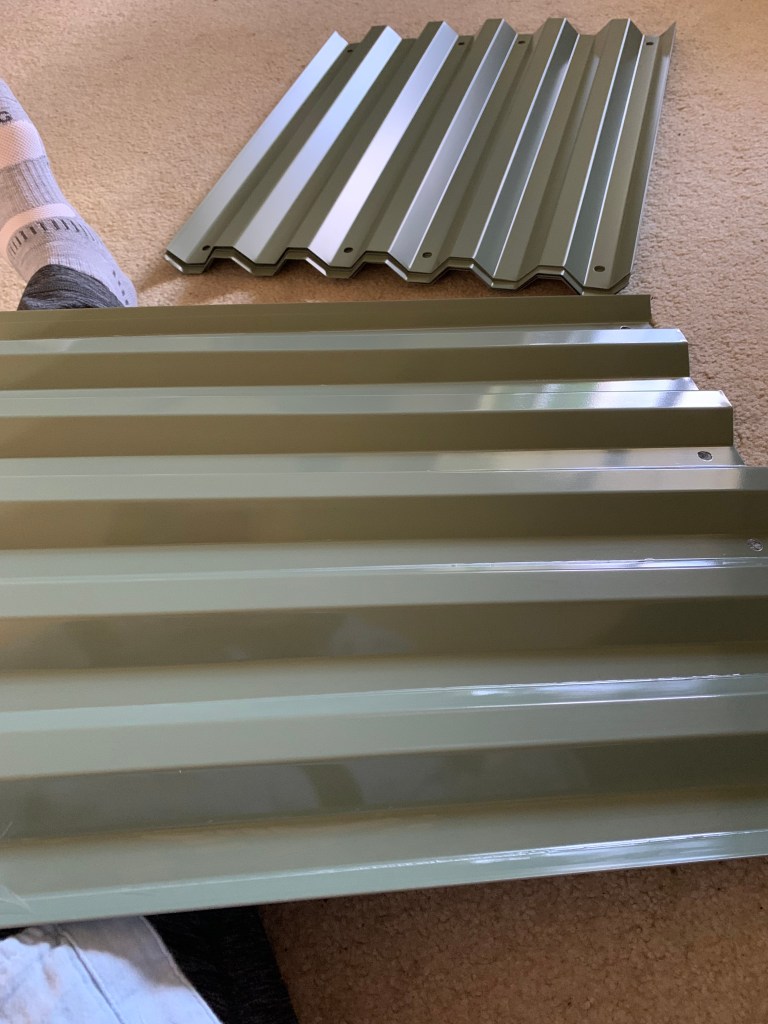
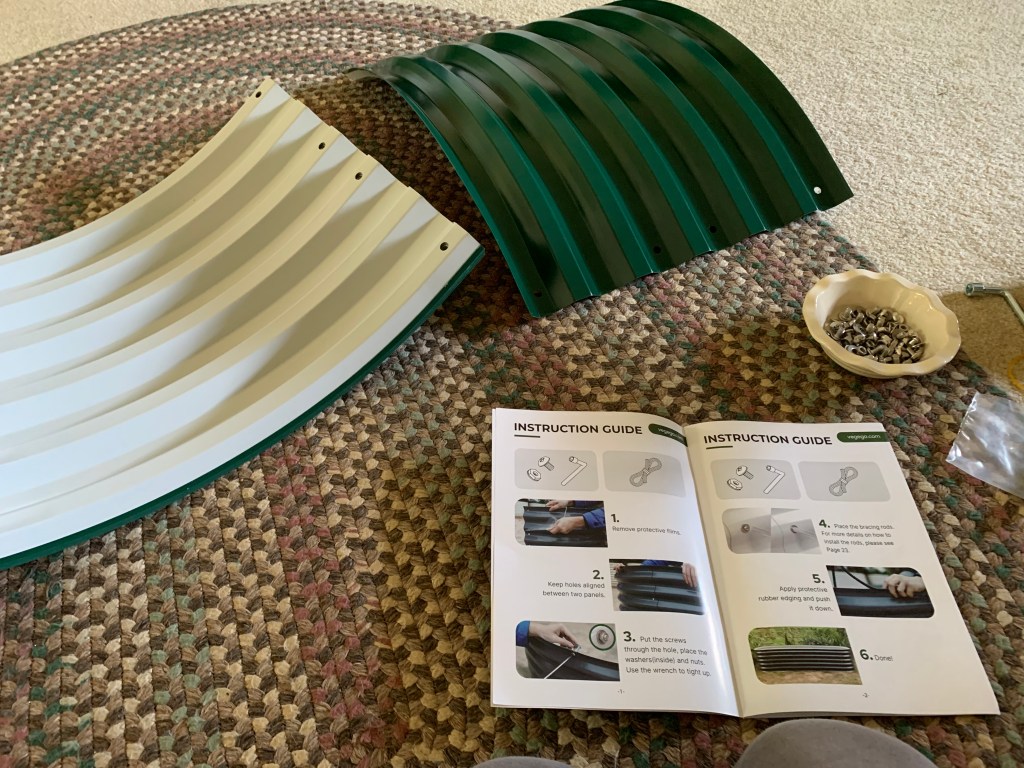
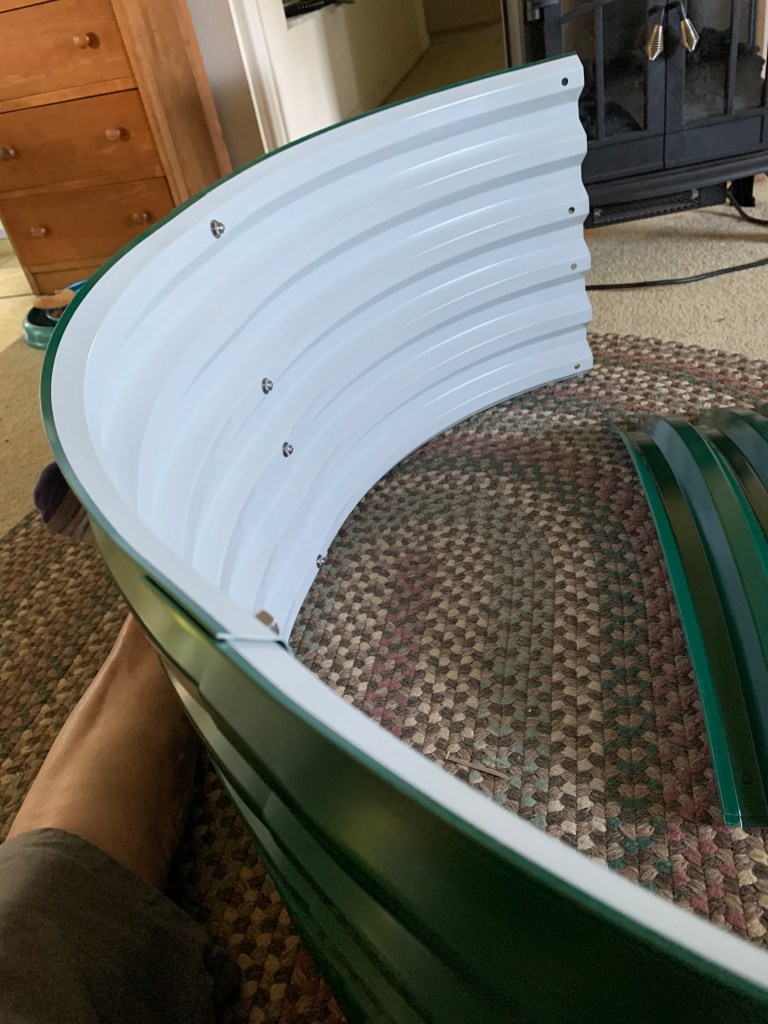
Pieces of the Vegega are up and loosely screwed together.

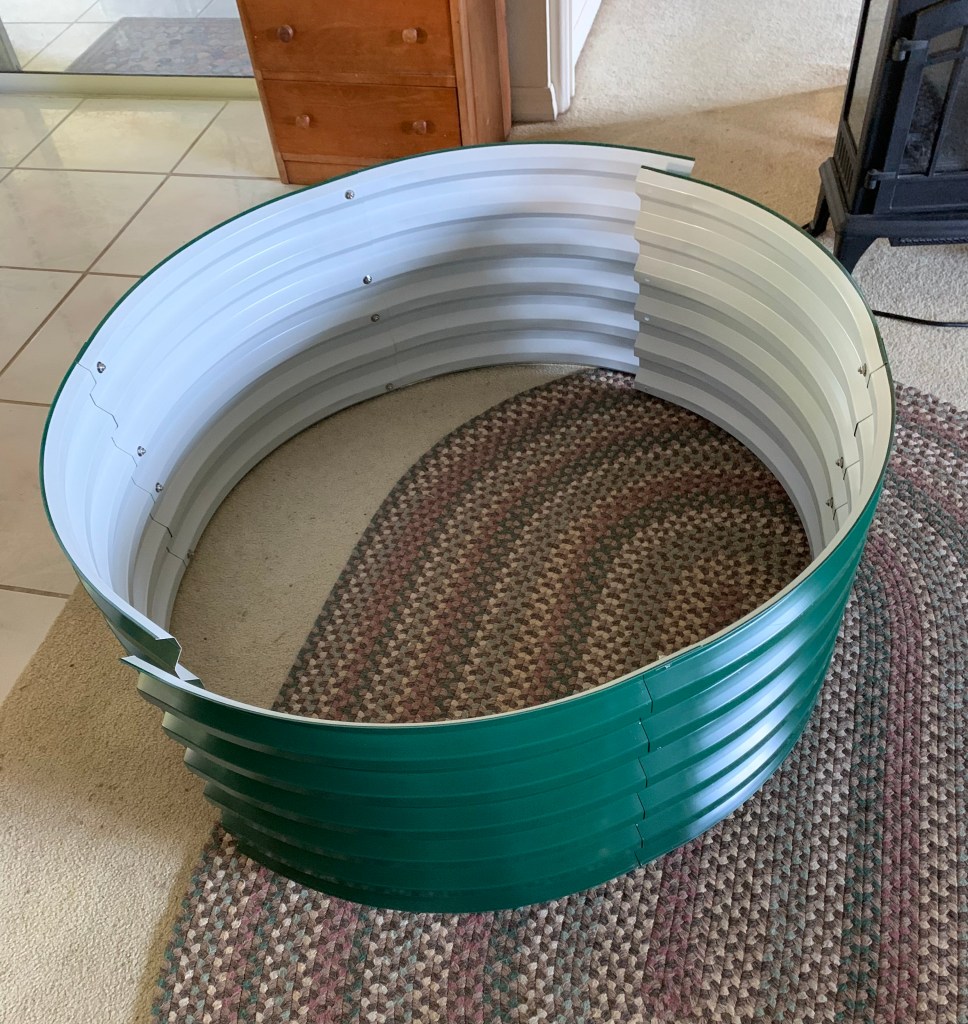
The round one went together fast. I did one half of the circle at a time, in the house. Then I assembled the two halves outside. I think I did it all in one day. The long bed took more effort because of it’s size and shape.

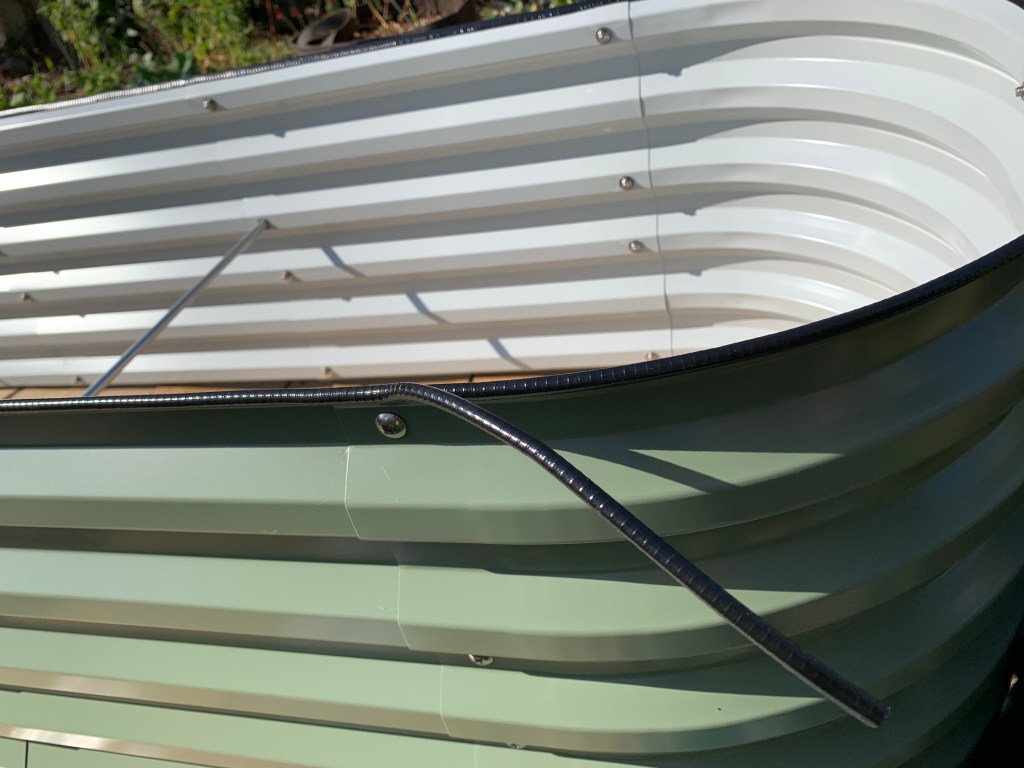
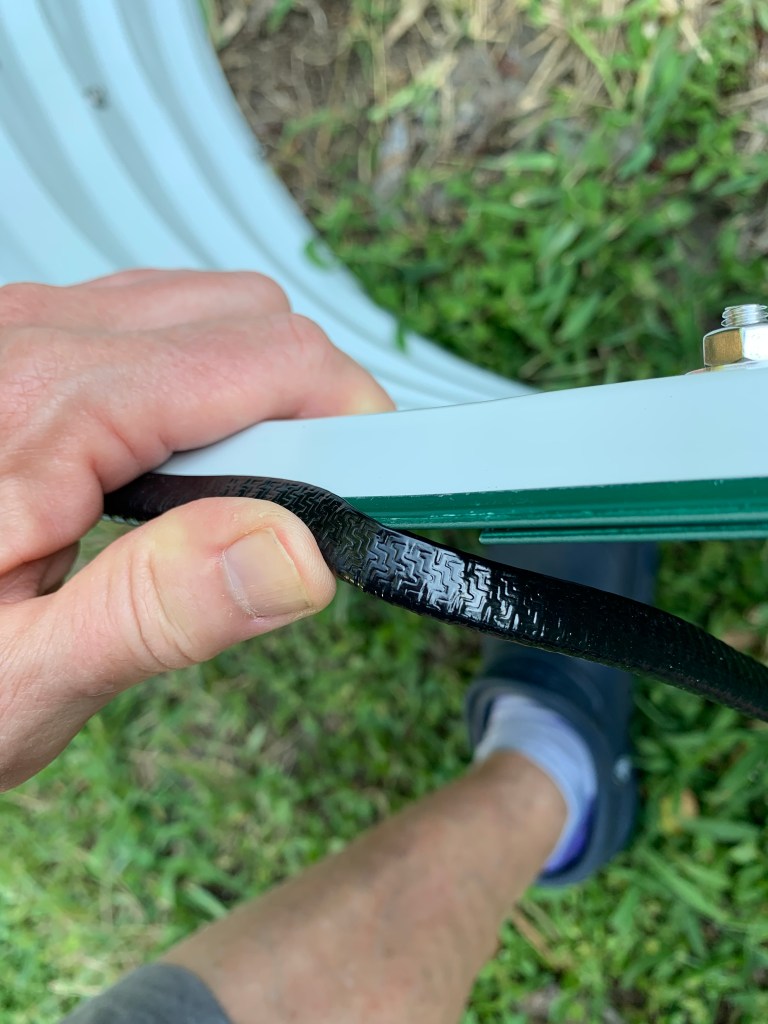
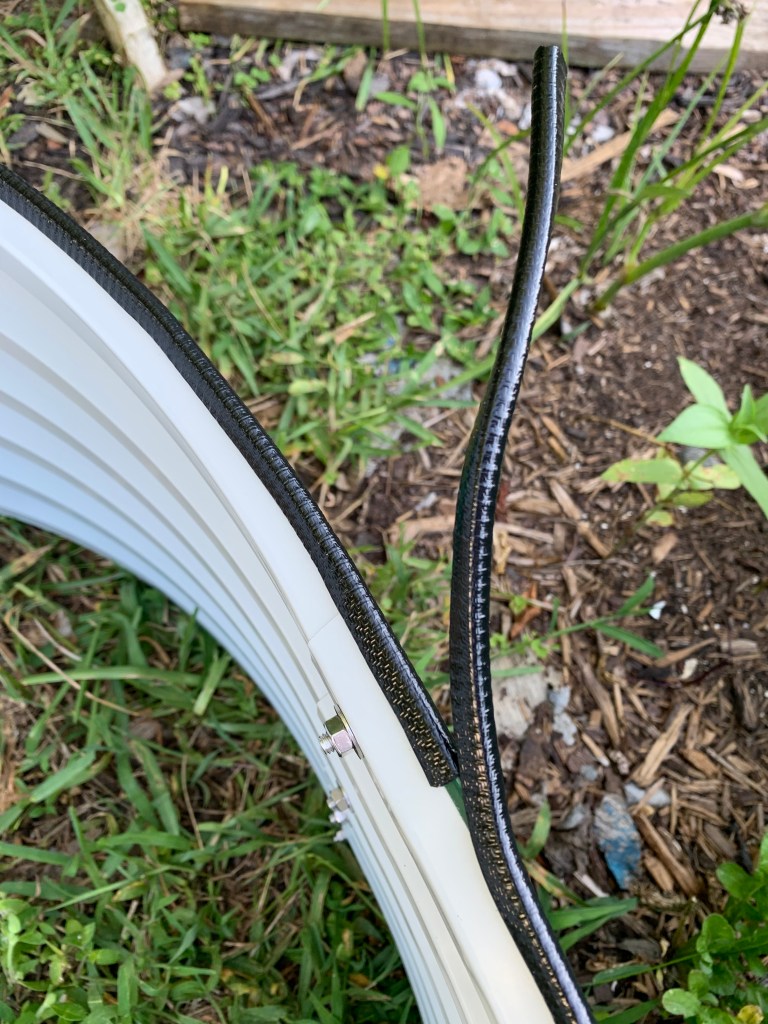
What is left to do? There are bars, to act as supports for the sides, that need to be placed. The directions are not great, but it appears they hook over the screws. – Nope, they take the place of the screws. A rubber edging needs to be applied all the way around to shield from sharp edges. I need to make sure it is fairly level, and then begin the filling.

The Beginning

I want my beds ready to plant by March. Time is passing. Not only do they (I have two) have to be set up and filled with dirt, there is prep work.

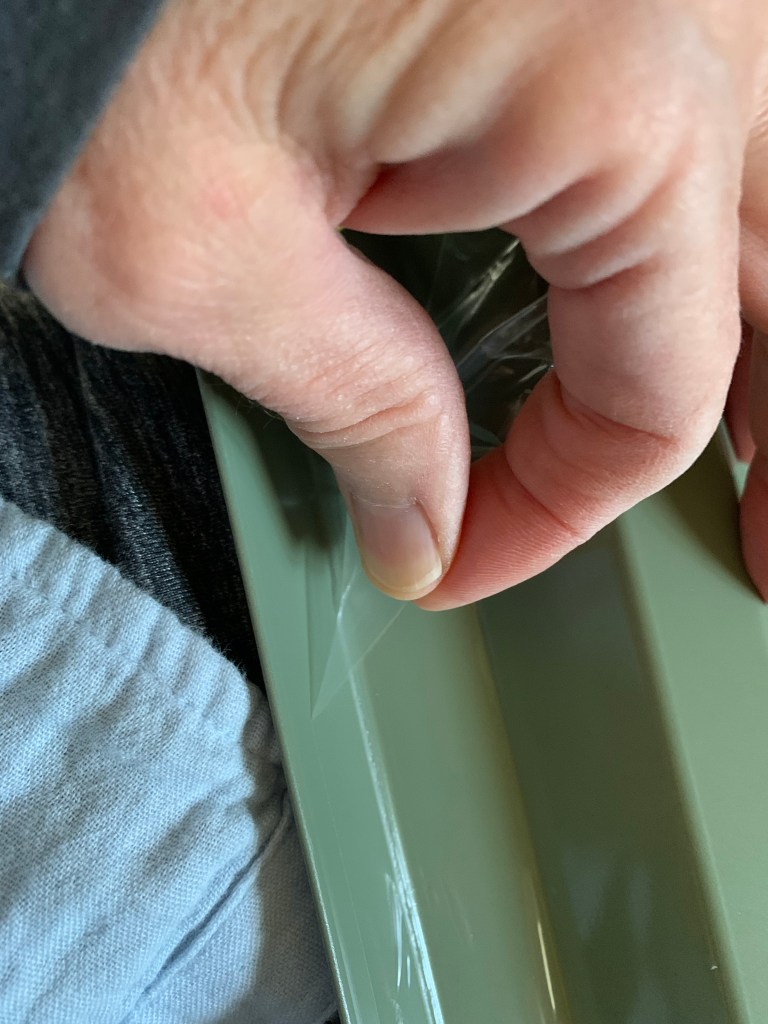
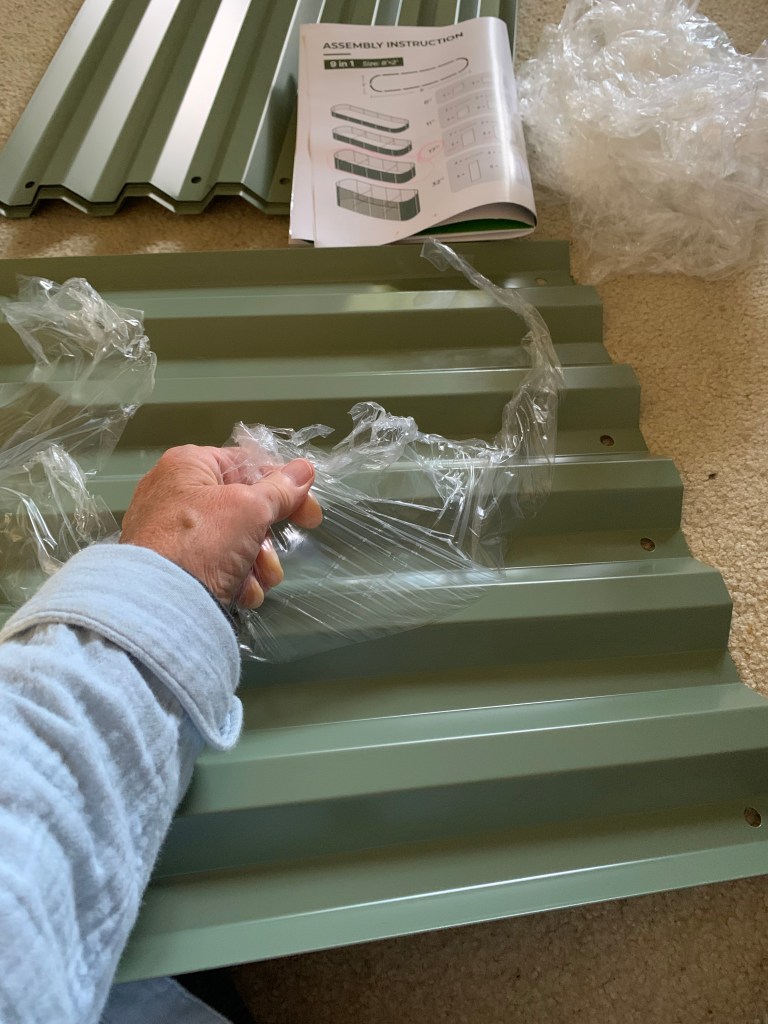
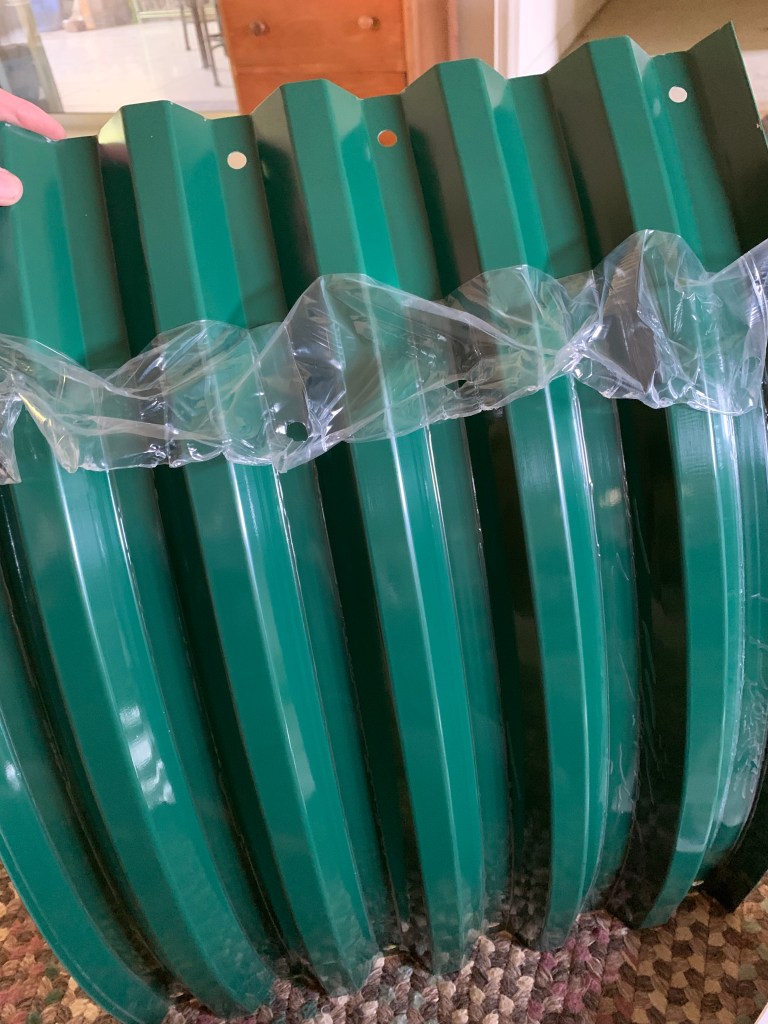
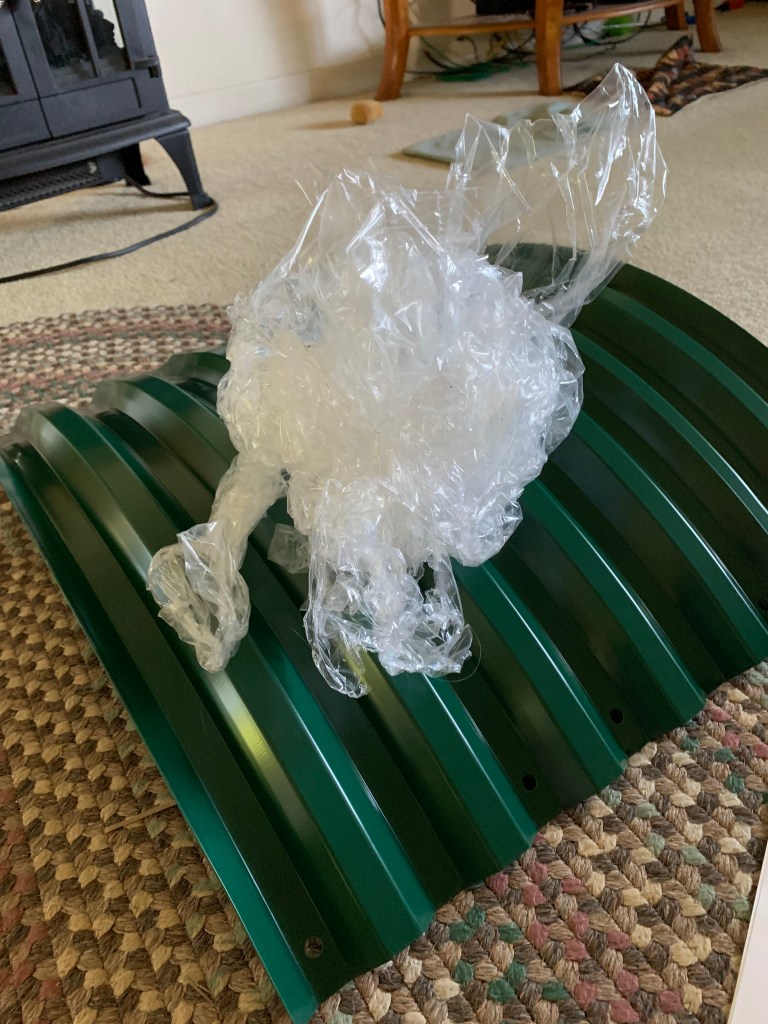
Each piece is coated. This bed has 12 pieces and the plastic coating needs to be removed from all of them. I did sit on the floor to peel all that coating off. This is almost the worst part. It comes off in one piece nicely, but there is lots of tugging to be done.

It took me 2 partial days to set up this bed, tighten the screws and add the two braces needed for this size. I did a few sections inside the house. I carried the sections out and attached them as I went.

A few days later I added the support bars – of which there are no directions, except where to place them (image). They take the place of the nuts in two sections. After that, I tightened all the 1,000 screws. Just kidding, but seemed like it. The day was quite hot, and my new Vegega is directly in the sun.

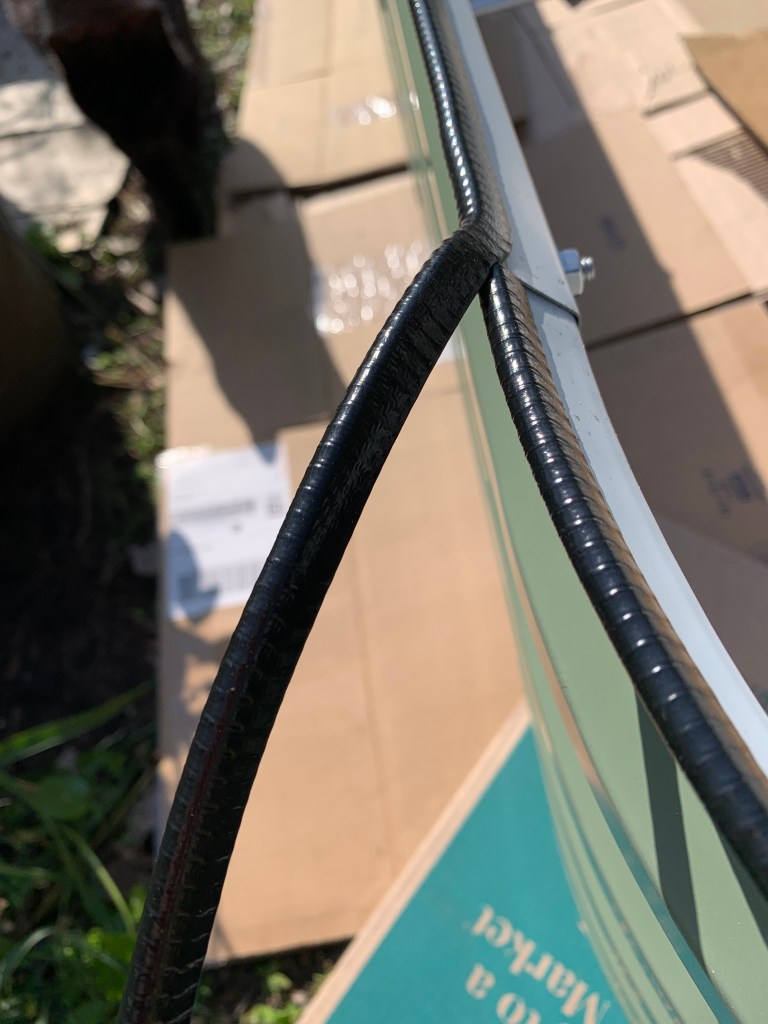
It took 7 minutes to put the black edging on (yup I timed it), and there was plenty of it with a bit leftover.

I feel like the round Vegega was a LOT easier to do. It’s smaller, was easier to set up and quicker to finish. I kept waiting for a good sale, but they never had one. Each bed is a different shape. The next one is 4×6 I think. Hopefully it is easy.

Screwing it together took a lot of bending over. I don’t have a real problem bending, but the angle to tighten the screws was awkward. Also, did I mention? It was hot.

Filling The Raised Bed

I’ve found that the easiest, and cheapest, way to fill a raised bed for planting is to use a variety of things. I want this bed ready to plant by March. I only have a few weeks.

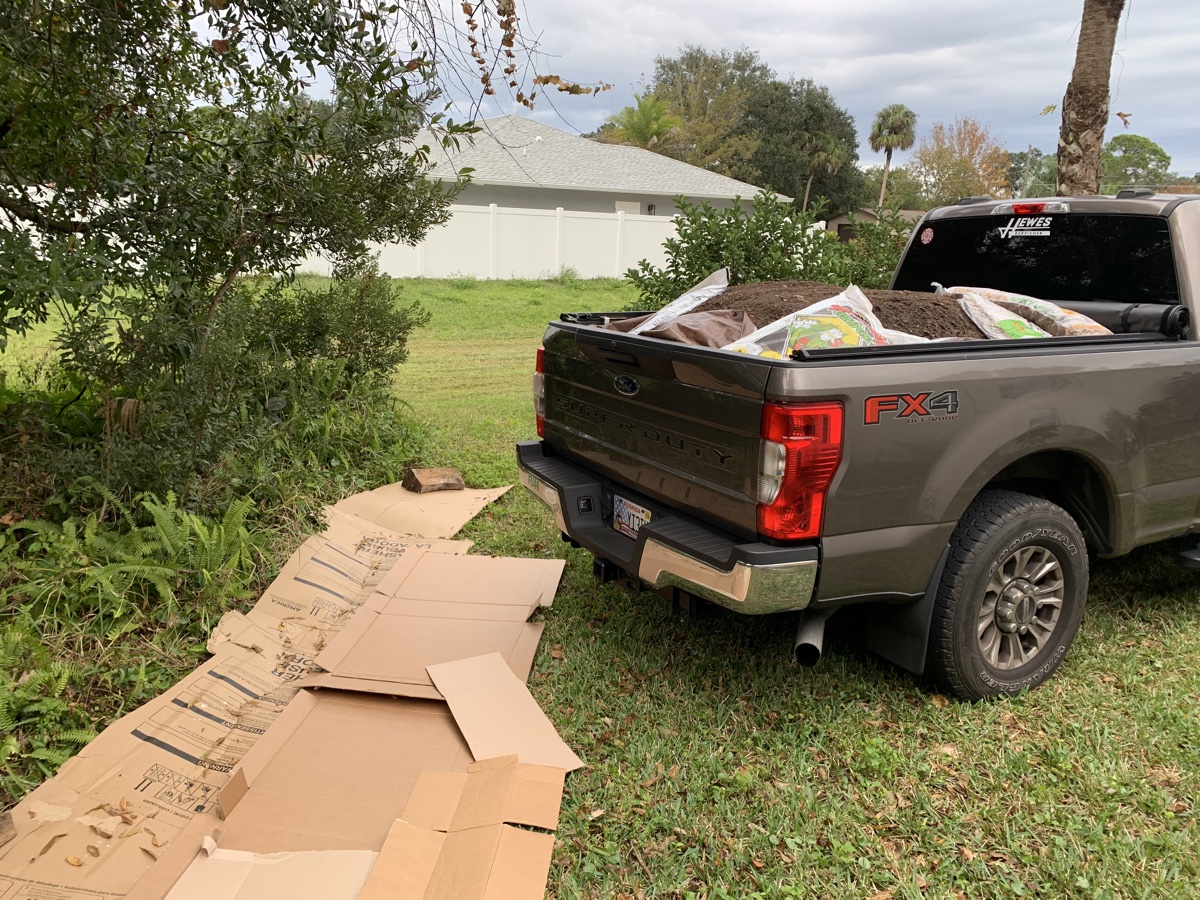
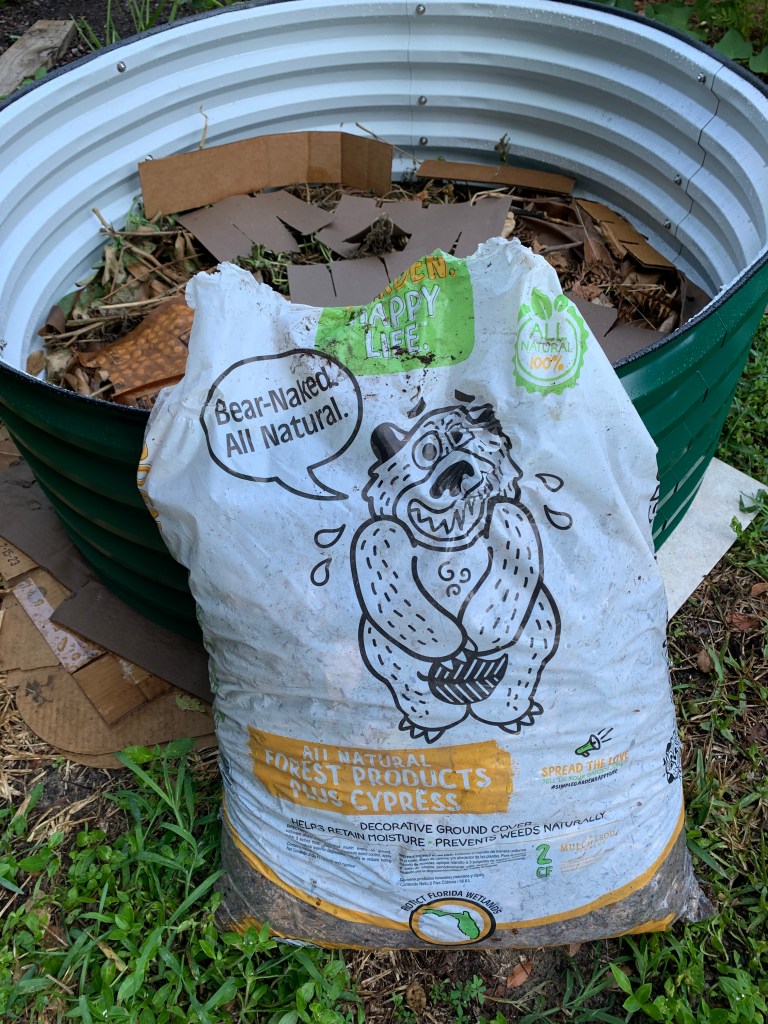
Cardboard boxes are something I save. They have been building up on my porch all summer. It is so hot that we don’t use the porch for much except storage, until the few winter months.

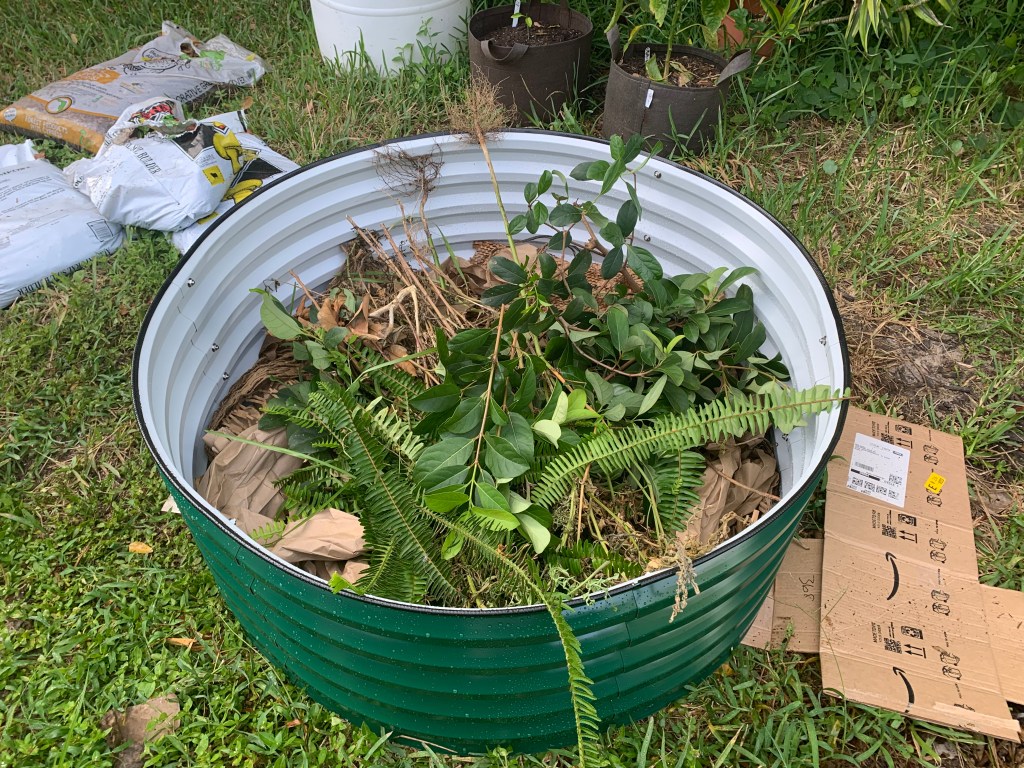
Cardboard works well to level the bed and fill the bottom. It is not there to keep weeds out! Weeds grow from the top, not 17 inches upward from the bottom. It amazes me that everyone puts black plastic under their beds to keep the weeds out! I like something compostable incase whatever I grow needs more root space beyond the depth of the bed. I didn’t do anything to the ground beneath the bed.

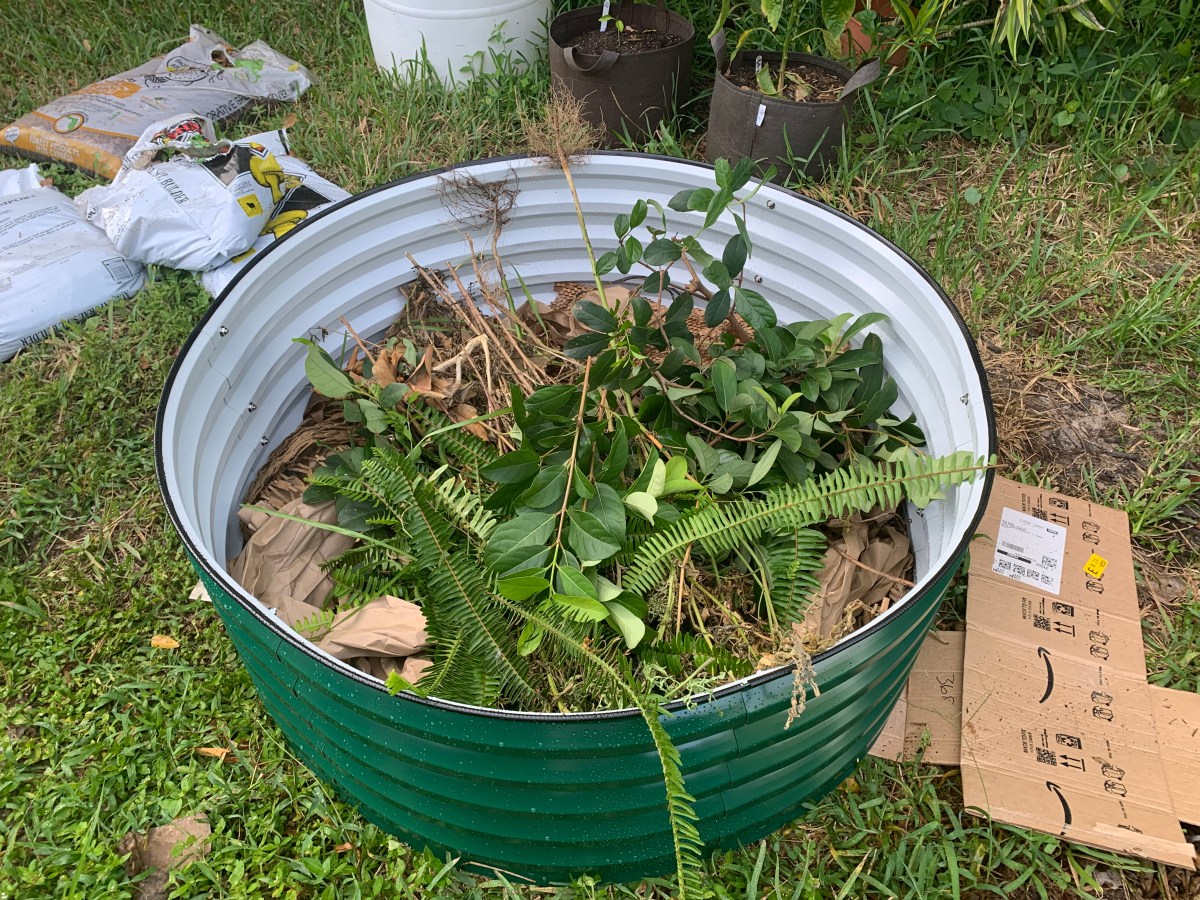
Next I added some paper filler that came in some deliveries. On top of that I added pine straw. The local Yard Shop only sells this and not regular straw. It will be flattened once the dirt is added. Pine is acidic, but it will be way down in the bottom and will eventually decompose.

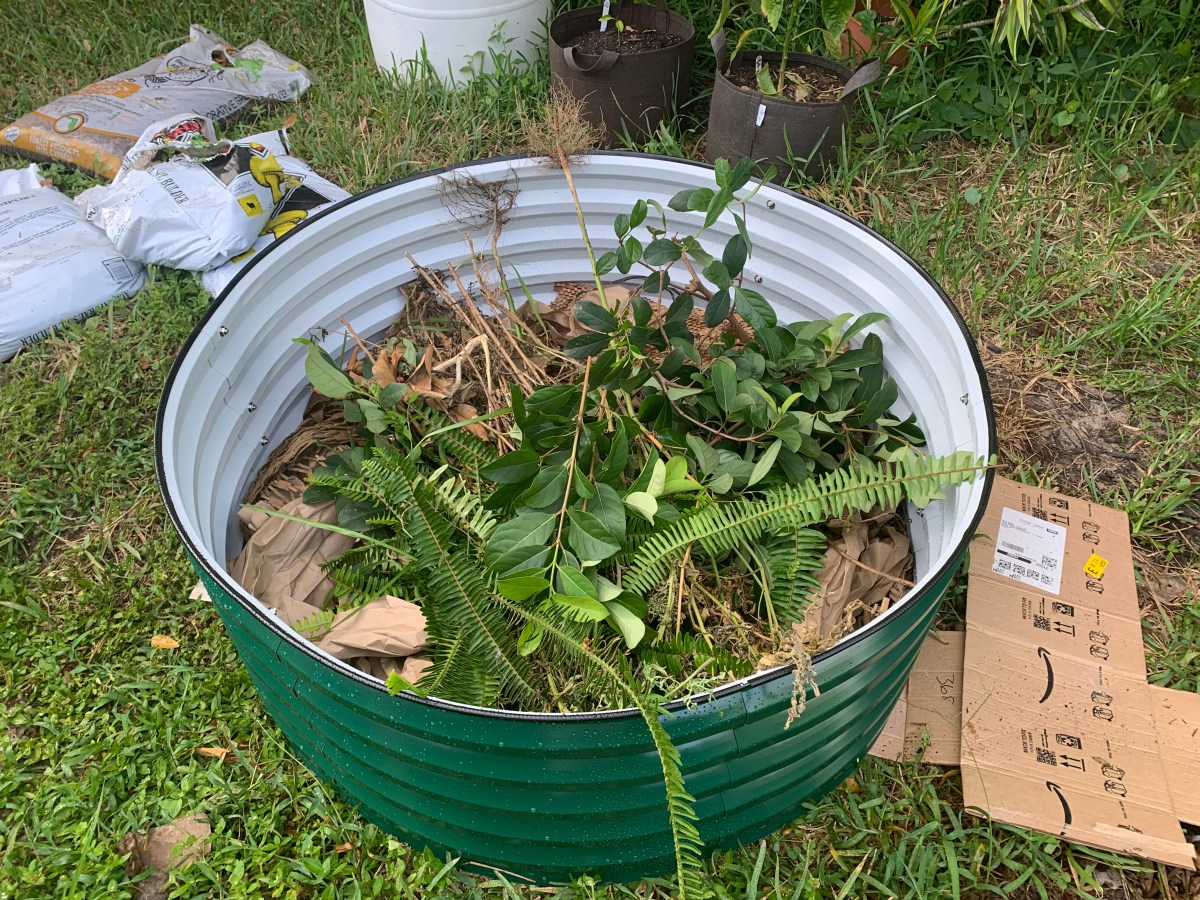
Cuttings from old vegetables, flowers, and shrubs are added next (nothing diseased). Sometimes I have dirt from a box or pot to throw in. I’ll be buying and adding more new dirt, along with fertilizer and homemade compost. I’ll mix the cuttings with all the other dirt to fill this bed. Some Perlite will be added to keep the dirt loose.

Vegega metal raised garden bed

All of this will compost over time. It will break down and become part of the bottom layer of soil.

Mid-February: Still adding dirt, compost and cuttings to this bed. It’s taking a lot to get this thing filled. I still have to buy more dirt. In the end, I will have a nice, big bed for planting.

metal raised bed being filled with dirt

This metal bed is 17 inches tall, so most of what I grow in it will not have roots that deep.

Ideas For Planting in This Raised Bed

I have one idea for summer planting in this new raised bed. I will grow sweet potatoes. Maybe some Holy Basil plants will work next to the edge. Not much else grows in summer. At least nothing I would plant in this bed.

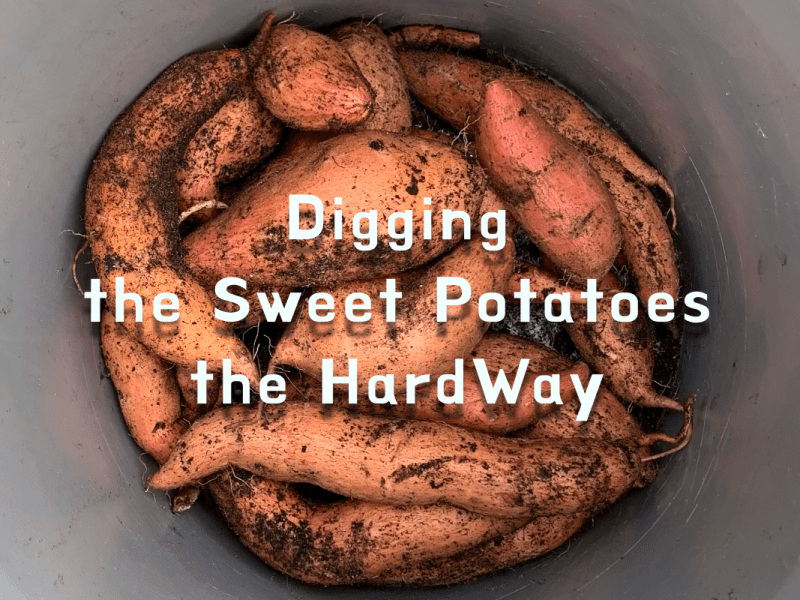
sweet potato sprouts

Next winter I will use this new bed for planting broccoli, onions, and carrots.

Keep Reading

Splurged and Bought a Metal Raised Garden Bed

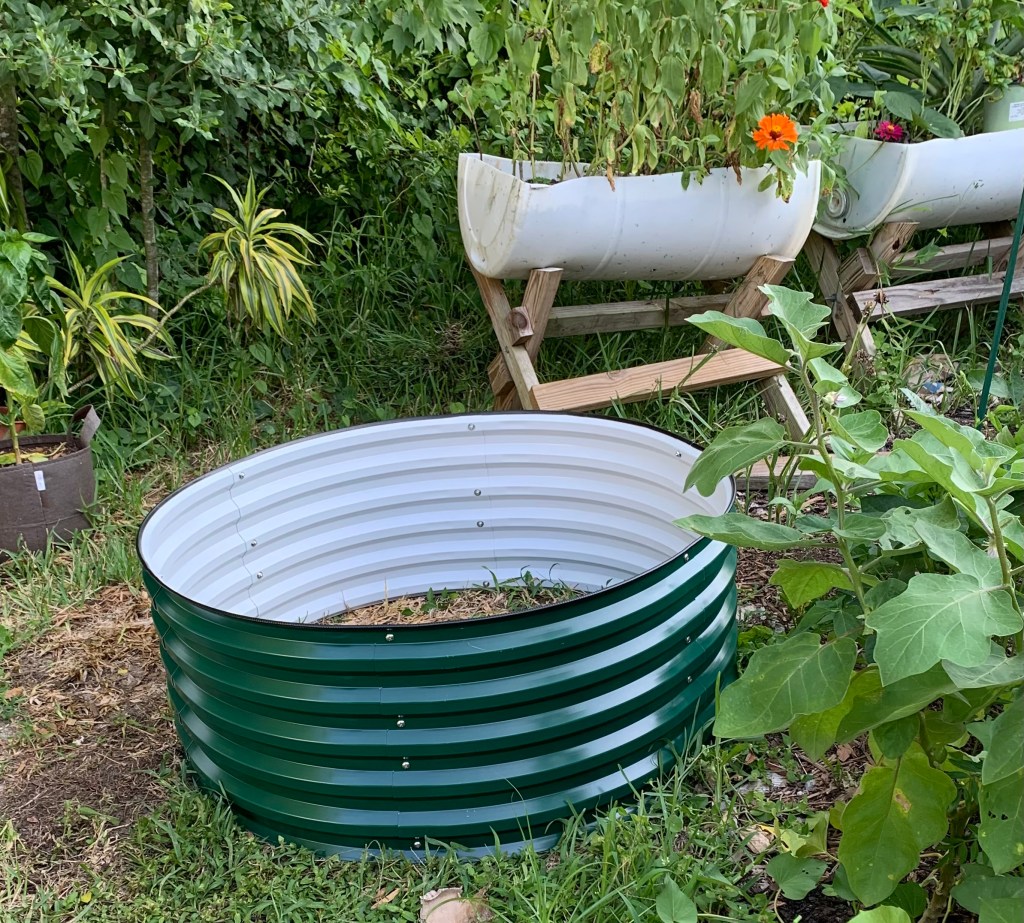
I’ve wanted a permanent (not made from wood that rots), large raised garden bed for a while. Raised garden vegetables are easier to manage than in the ground planting. I have better luck in a bed usually. This metal, round Vegega bed seems perfect.

Every time I have searched for metal raised beds, they have seemed way too expensive for me to buy. A few hundred dollars for one bed is way out of my budget. I had no idea of the quality either, until I found a review of the Vegega brand.

At Wild Floridian, I found a nice video review, and she offered a discount code to use for buyers. Her video convinced me to look into this brand further. See the review Vegega bed video by Wild Floridian where she has had the bed for a year and compares it to another type she had problems with (not named).

When I browsed the Vegega site, I liked the bed shape options. They offer sets that can be shaped as you wish once the product arrives – called 9-in-one, 10-in-one. Some of the pretty light colors were not available when I shopped, so I chose dark green.

My yard is small, and I was not sure where I’d put my bed. The round shape seemed perfect and I chose the 17 inch depth. This is a perfect depth to grow all kinds of vegetables including the ones with longer root systems like tomatoes, watermelon, and pumpkin. At this point, I have no idea what will be planted in this bed, but I will not be restricted by depth.

Putting The Vegega Bed Together

Assembly of the garden bed was fairly easy. I did it by myself in the house (it’s hot here). I think I spent the most time removing the film that covers each section! Screwing the pieces together was very easy. I decided to complete each half of the circle so I could move it outside in two sections to complete the assembly.

Once the sides are all screwed together, a rubber strip is added to the top. This also was very easy to do, with plenty left over.

How I Am Filling My Raised Bed

I’ve read all about various ways to fill a garden bed. This is part of the expense, but it’s worth it to create a good environment for the vegetables to grow. I’m not in a hurry, as I won’t be using this bed for a few months.

I have cardboard, so I am using it to level the bed. I also have added packaging paper, along with cuttings from the shrubs, and mulch to begin the fill.

Don’t try to make your raised bed into a restrictive “container”. Leave the bottom open just in case roots want to expand. Also, think about water drainage. Everything I am adding here will eventually break down. Soon, the greenery will turn brown and decomposition will happen. All of this will become a layer of nutrients at the bottom of the bed.

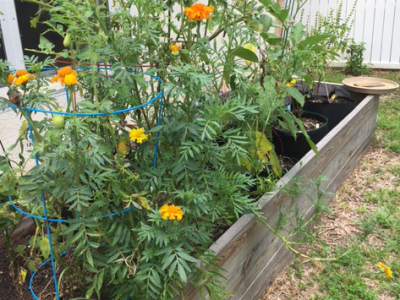
As my marigolds die, I will cut them off and add them here. The same with any other flowers. I’m growing cowpeas now, and some of those plants may end up as a layer.

*FYI: I read someplace that using rocks in the bottom for drainage may not be a good idea, especially if you want to move the bed later on. The rocks will have become part of the earth and will be difficult to move / remove.

My Reason For Wanting a Raised Bed

I want raised beds because it’s easier to add and keep nutrients in the soil. Whenever I compare similar plants that are in the ground, to the ones in the bed, the bed / grow box plants are always doing better.

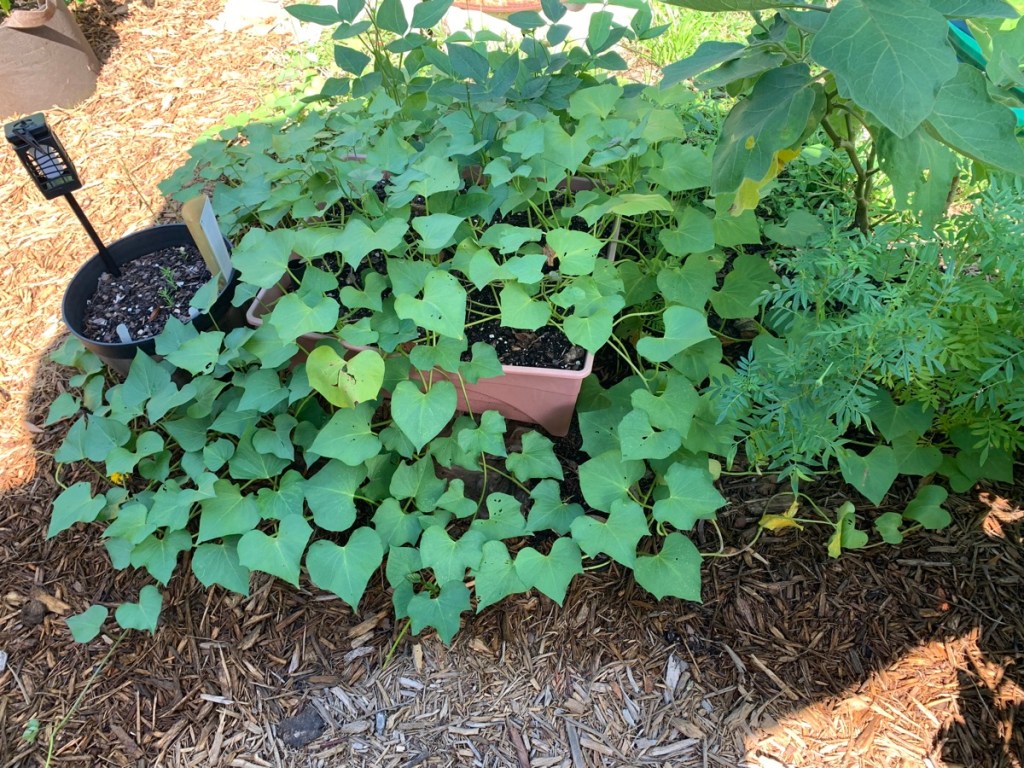
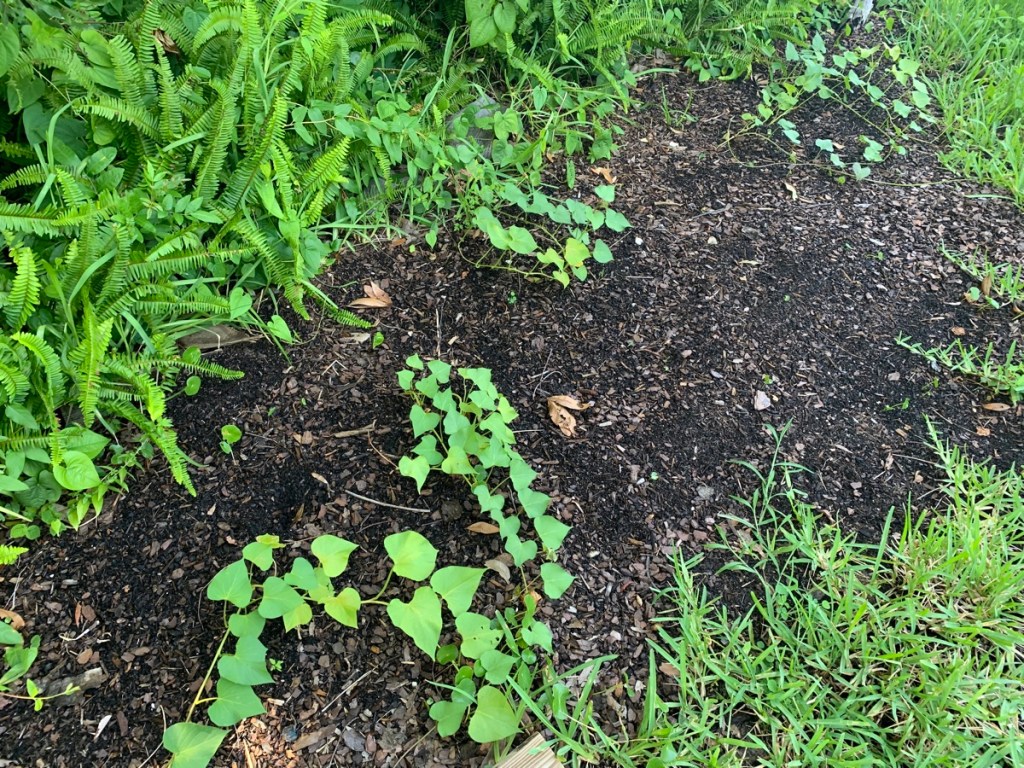
As an example, I bought and planted sweet potato slips just before my trip north. One slip went into a grow box (center) and others were planted randomly around the yard in the ground. The grow box sweet potato is going crazy with vines all over the place – even though that box is really not nearly deep enough. All the other sweet potatoes are much smaller. We’ll see in a few months if I get actual potatoes to compare.

Crop Ideas for a Round Raised Garden Bed

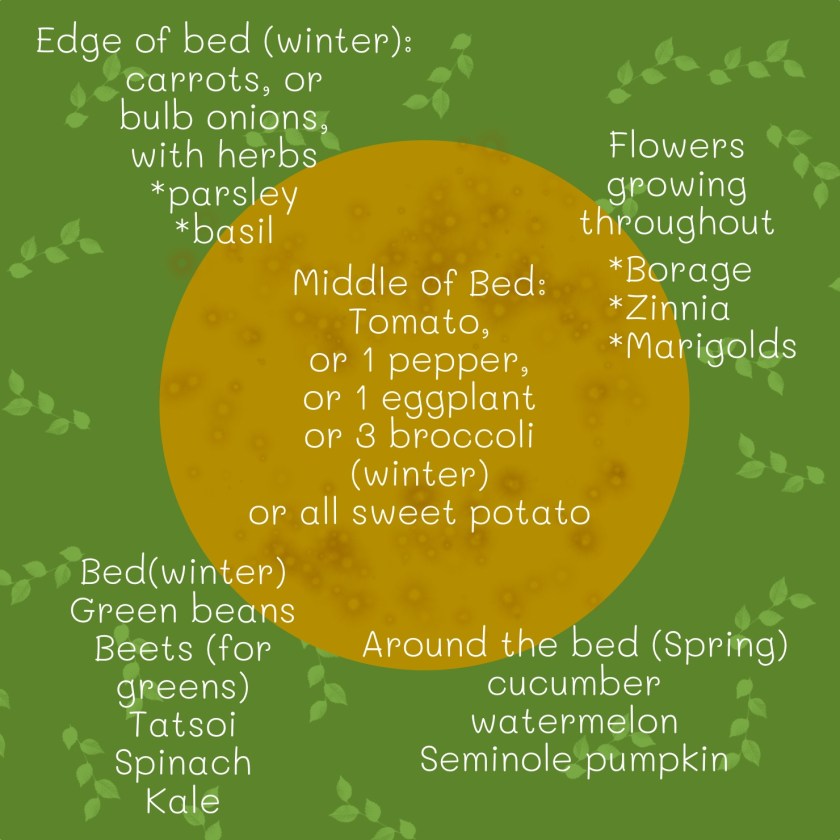
When considering what I have grown successfully (for the most part) I created this diagram with ideas for what to plant in my new, round raised garden bed.

That big circumference is perfect for root crops near the edge. I’m thinking carrots and bulb onions (garlic for you northerners). Both onions and carrots take months to mature. Putting them in as a border – out of the way – leaves space for bigger crops in the middle. I’m thinking of planting broccoli here this winter.

planting ideas for raised round bed
Planting ideas

Eventually I will be adding garden soil along with perlite for good drainage. Before I plant, I will mix in some other amendments such as bone meal. More to come about planting in this new space. I’m already thinking about buying one more bed in a rectangle shape.

All gardeners are invited to keep reading…

Planting Potatoes in a Container Garden

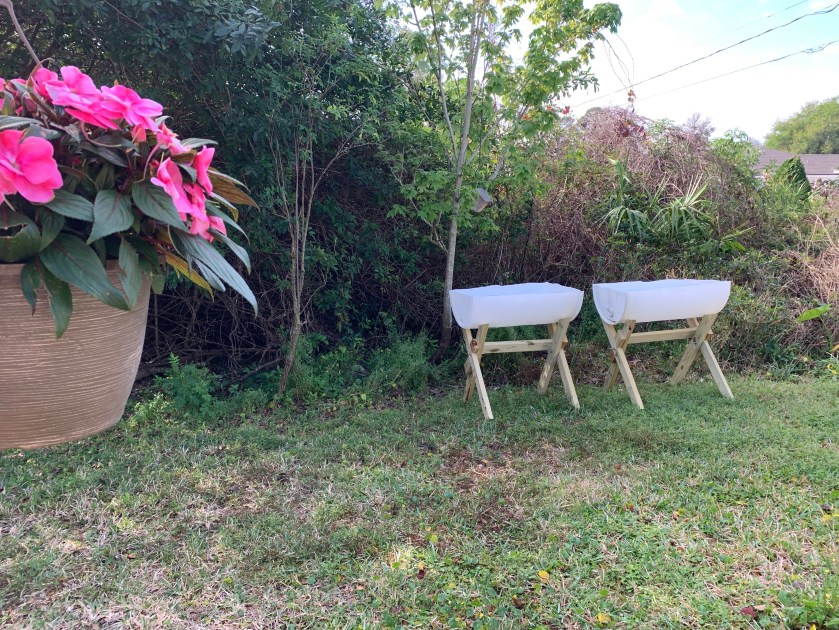
My son had collected a couple of big white barrels to use for rainwater catching from the roof. He cut one in half crosswise and built stands for both halves to create raised garden beds for growing potatoes.

I’ve grown potatoes a few times, and fresh dug potatoes are delicious. Now, I have no yard space to grow them, so they will go into the containers.

homemade DIY barrel raised garden beds

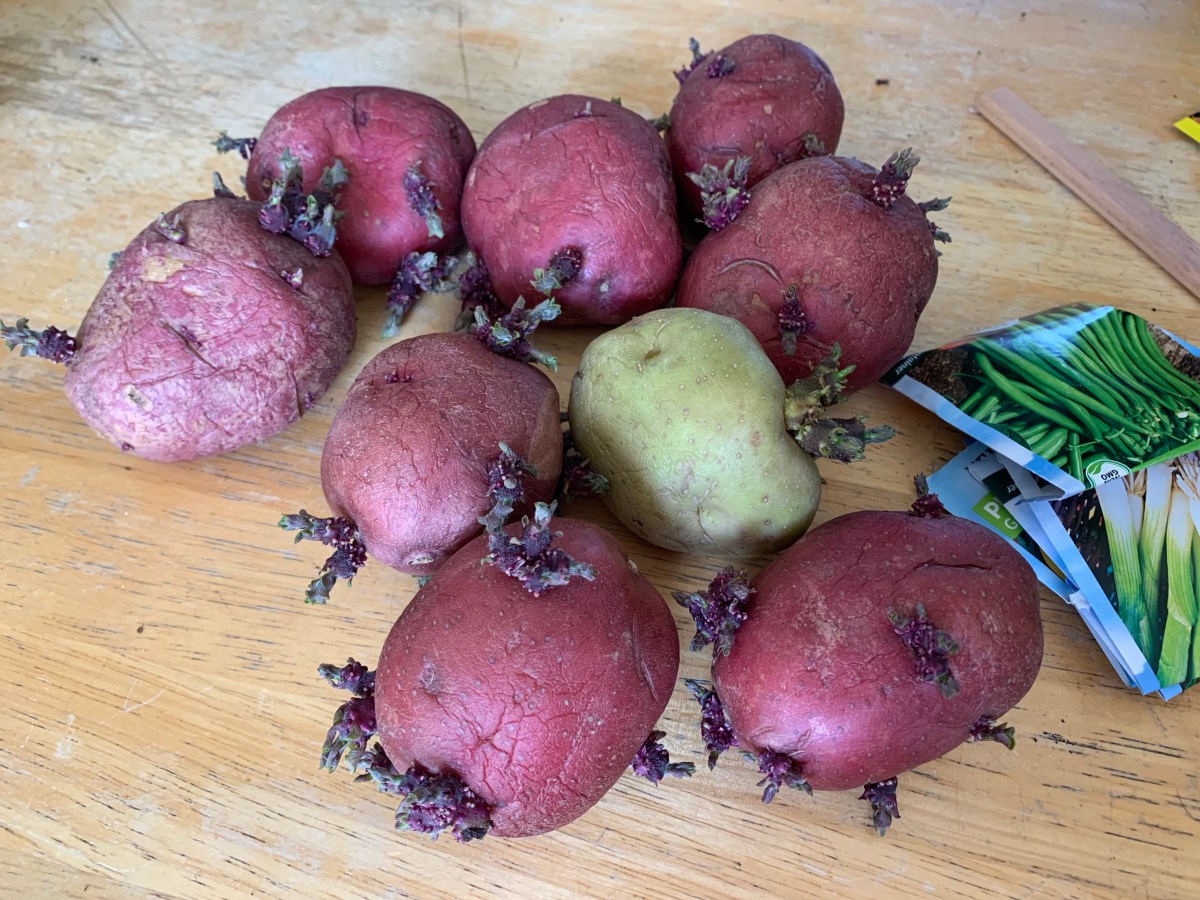
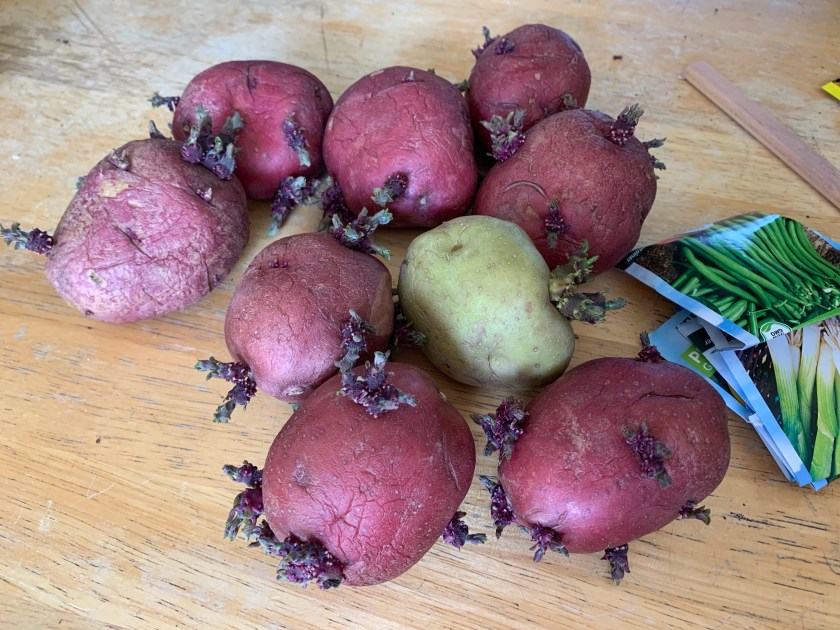
The potatoes I used were simply old red (and one white) potatoes from the kitchen that had developed growth from their eyes.

I know that most information about planting potatoes says to buy special seed potatoes, but I never have. The reason for buying seed potatoes is to prevent disease, which is a good reason. I already had the sprouted potatoes so I used them. Also, orders are for pounds of potatoes – which I don’t have room for.

Read this page at Microveggie for ideas on where to buy seed potatoes.

The potatoes from the grocery store usually sprout on their own if left long enough, but I’d love to begin with the good, disease free ones, and keep planting from there. Don’t ever use the green parts of potatoes for anything – planting or eating!

March Potato Planting

I’m in Florida, and March is the time to get serious about planting a garden. This year I grew seeds in eggshells and purchased new grow boxes for the vegetables.

red and white potatoes with eyes

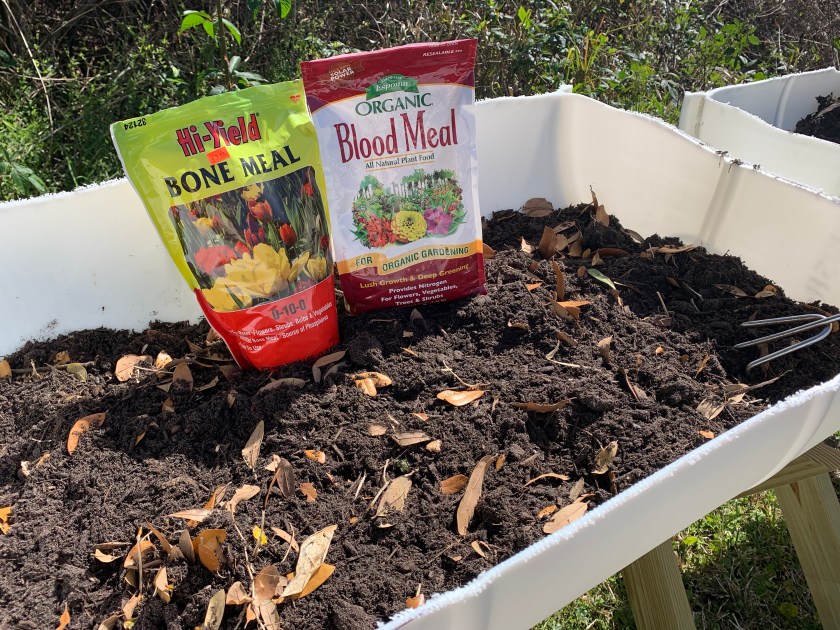
Beginning of March: After adding bags of organic garden dirt to the barrel beds, I mixed in some leaves to loosen the soil, bone meal (good for developing good roots) and blood meal. I add the “meals” this because I use these amendments in all my gardens each spring. Otherwise, no fertilizer needs to be added to potatoes while they are growing.

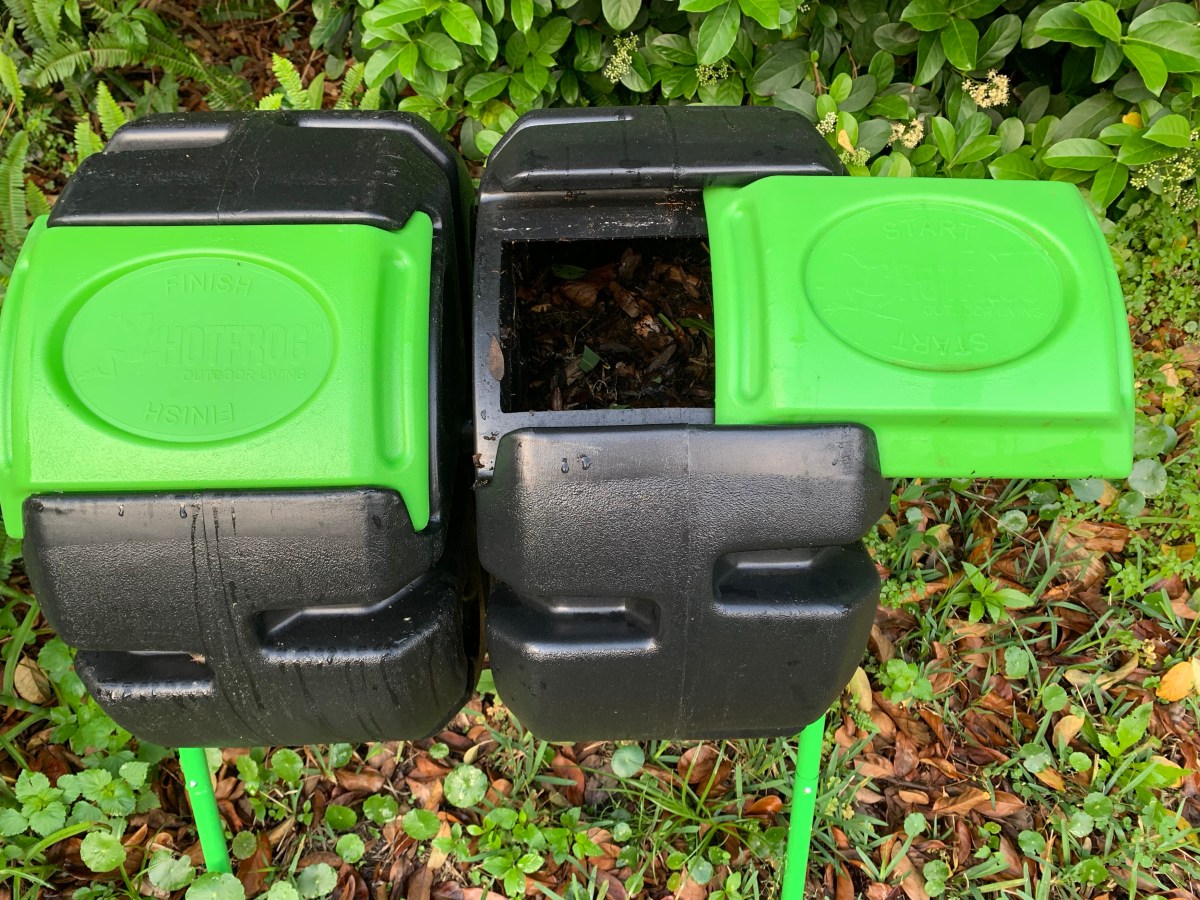
Compost would be nice to add, but presently I am in the middle of making my own compost using the Hot Frog Composter. It might be ready for Fall planting.

planting potatoes in raised container beds

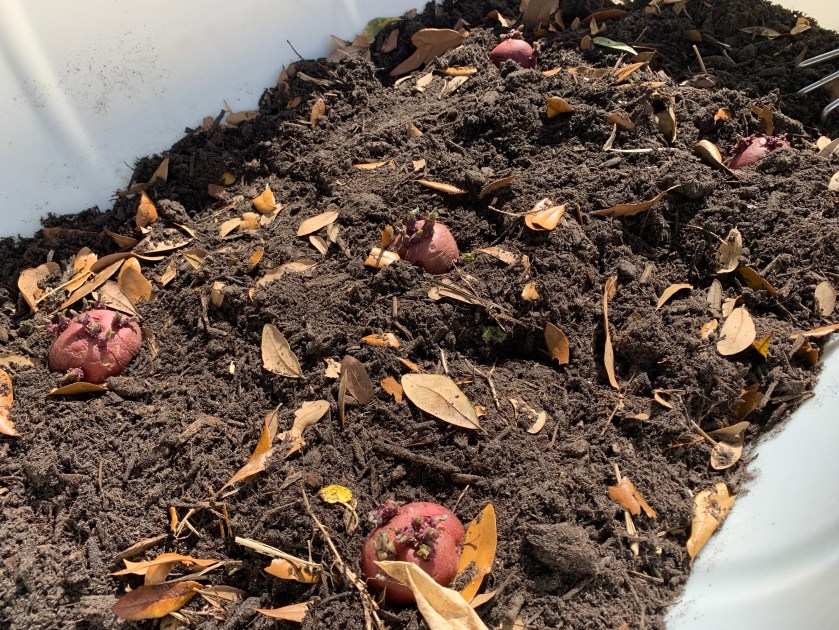
Potatoes should be cut with only a couple of eyes in each piece. Plant each cut piece with eyes facing upward and cover with a couple of inches of dirt.

I put five cut pieces into each bed. This is probably too many. Also, the barrel beds are really too shallow, but I have no other place to grow potatoes. I will see what happens.

Potatoes in soil

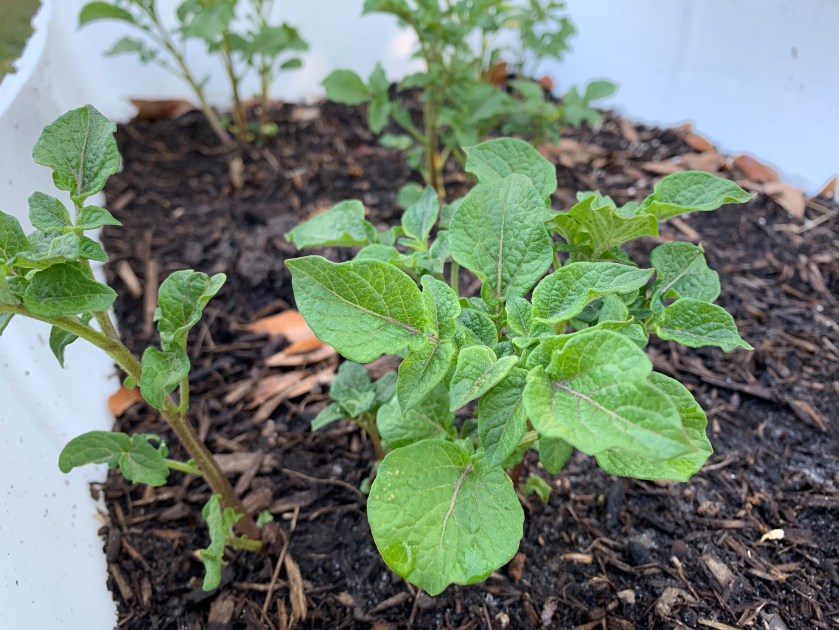
We had a lot of rain for a few days after they were planted. My son had drilled holes in the bottom of the barrels for drainage. After a week or so the green leaves began to show. (Leaves are poisonous, so keep pets and kids away.)

potato plant
Potato plant
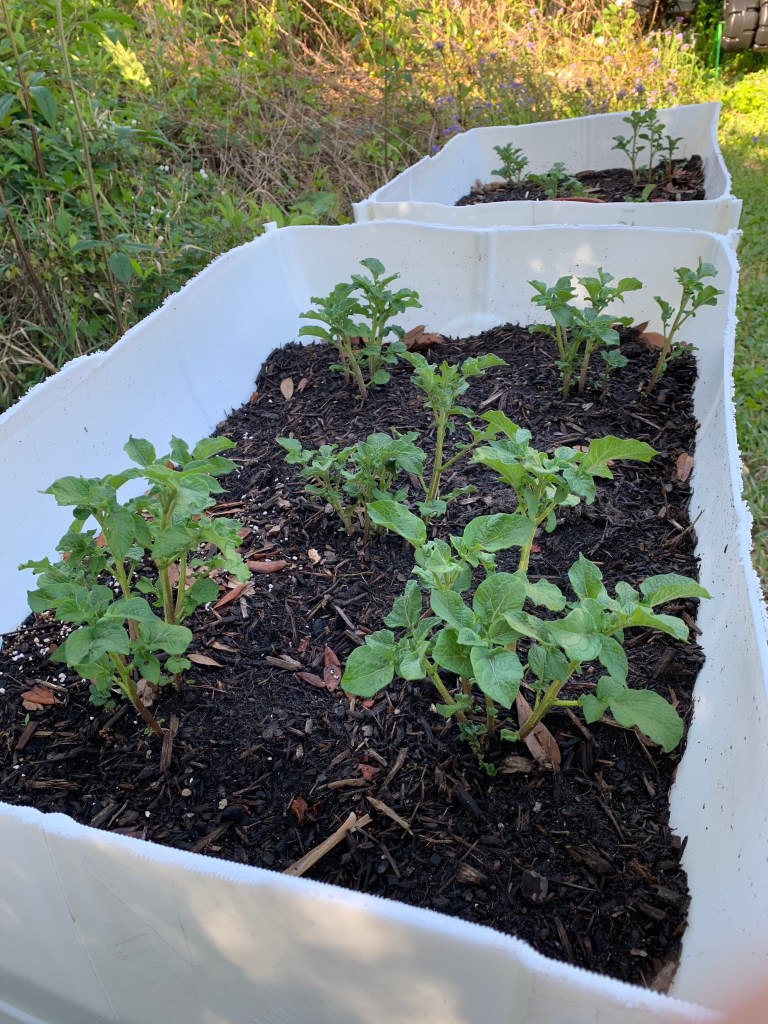
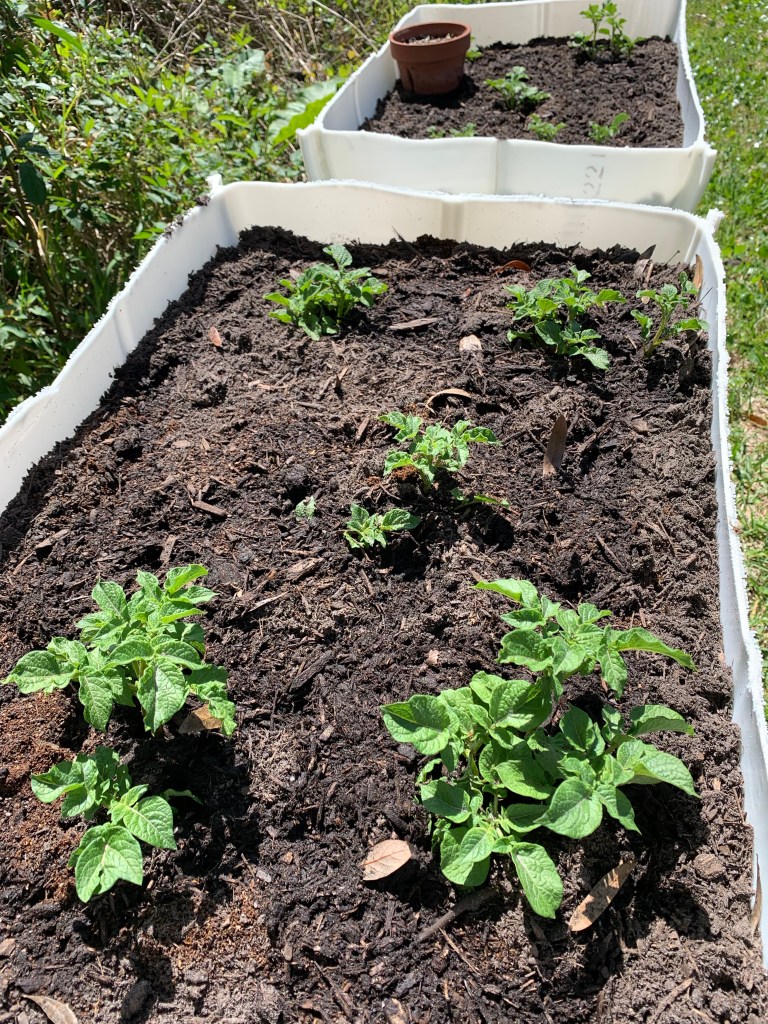
potato plants in grow box
Potatoes

As the green stems grow and get tall enough, I am adding more dirt. The potatoes will grow off tubers under the soil. The more dirt for them to spread out, the better. Unfortunately I don’t have much land for growing potatoes in the ground.

Building up the soil around the greenery

Potatoes grow well with green beans planted nearby. This is what my gardening book advises. If your garden is in the ground, and you have space, maybe do this.

When Are Potatoes Ready to Dig?

Once the tops – those green parts – die back, the potatoes need to be dug up. How long does it take? In general, three months, give or take.

It is possible to gently dig around the plants before this to pull up small potatoes for eating. After the plants have been growing for a couple of months, it is possible to carefully dig around and find a couple of small potatoes to eat. In a small household, like where I live, this is a good idea so I won’t end up with all the potatoes being ready at once.

In the ground, I would use a pitchfork and carefully lift the soil around each top. They can really branch out, so dig around.

Because they are in the barrel, I’ll choose a time when the soil is dry (hopefully) and dig with a hand shovel and gloves.

When all the potatoes are pulled out of the dirt. Let them sit in the sun to dry a bit. DO NOT RINSE THEM… just brush the dirt off. Often gardeners will say to cure them, which toughens the skin for storing. If your harvest is large, see what to do here at “How to Harvest and Store Potatoes”.

Potato tops can go into the compost pile. Leaves of potato plants are poisonous if eaten, but can go into the compost to be broken down. Only do this if the plant shows no sign of disease. Read more about composting questionable poisonous plants.

I will follow up with more information about my potato garden as the season progresses.

More Gardening News

May Vegetable Garden in My Florida Backyard

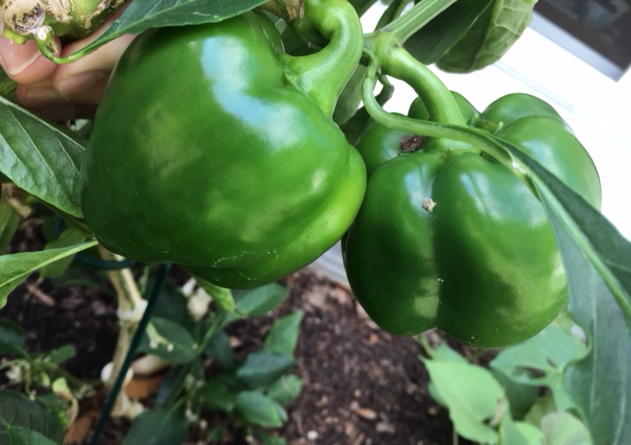
May is here and my backyard vegetable garden is off to an okay start. I’m still getting used to growing veggies in this climate, but I’m happy to have big, luscious green peppers to use already!

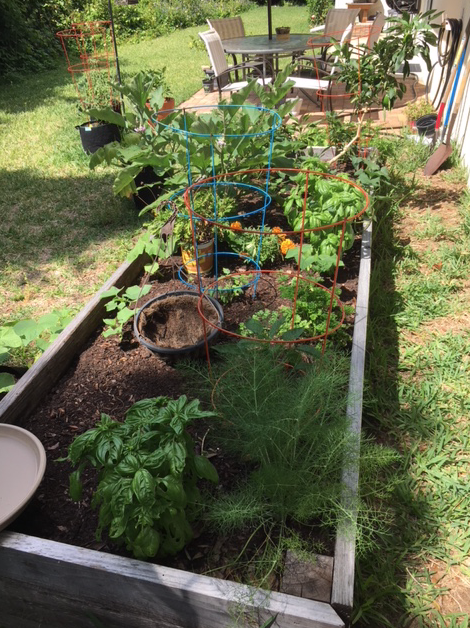
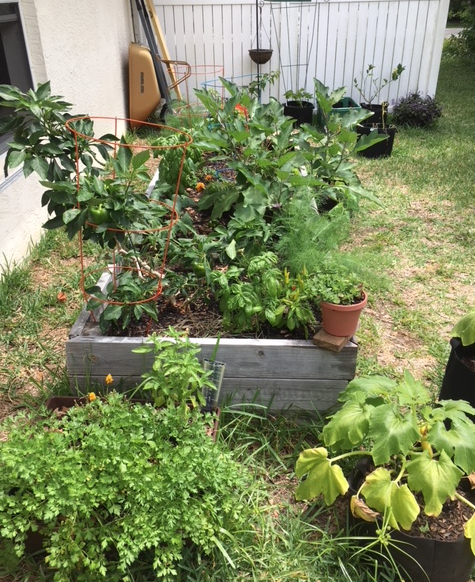
My garden area is very small and the plants are divided between a raised bed, fabric bags, and an old grow box. All my Florida gardening is still in the experimental stages! I’m learning, but at least I have the raised bed filled with good dirt.

May garden
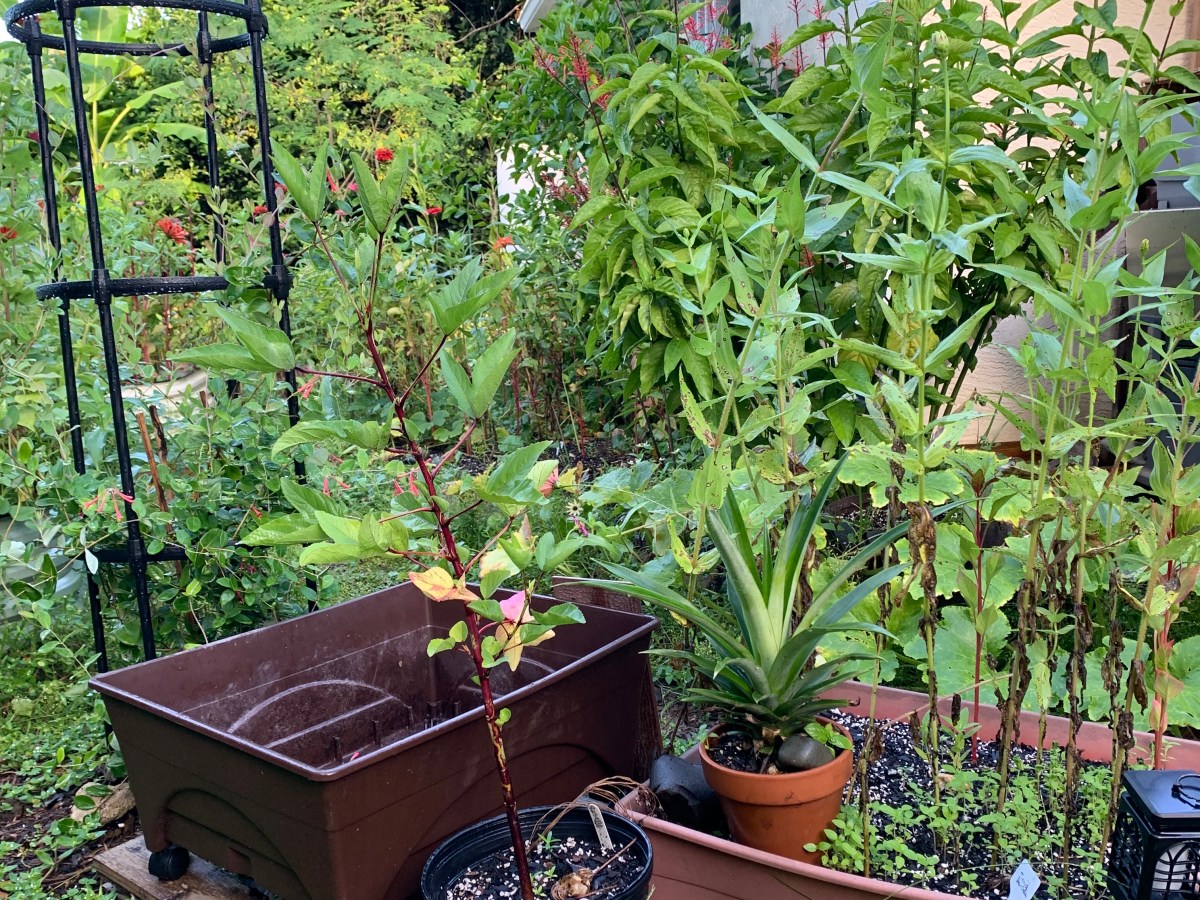
The backyard garden in May

This pepper plant has been around since last Spring! This amazes me. I always thought pepper plants liked the warmth, but this one survived winter. And, yes, it’s Florida, so “winter” is a dirty word here, but the temperatures were truly cold for a few days. I assumed the pepper plant would die, but it did not.

And once Spring arrived (February… hahaha) buds appeared and the peppers began to grow.  I was picking them by April.

green peppers
Picking green peppers this year by April

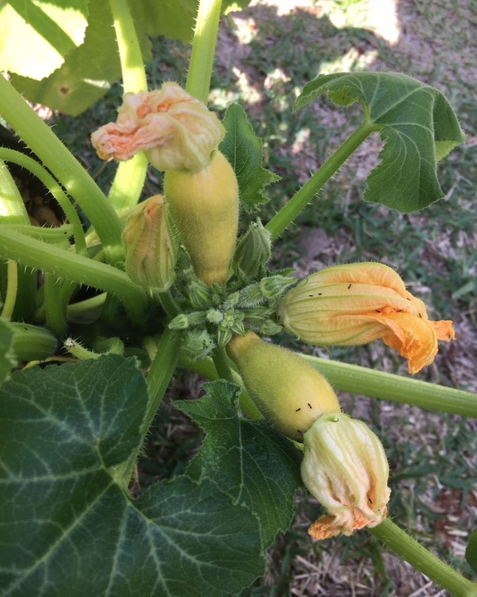
The yellow / summer squash is something that I am having trouble with. The plants (from seeds) grew nicely and then flowered and grew little squash. But then they began to pucker up and rot on the ends.

This can be caused by too much water, so I have been watering them less. Also I added some ground egg shells to the dirt because I read that a lack of calcium can be the culprit for blossom end rot.

I’ve picked two small squash so far and have had to throw many rotten ones away. The ones I ate were delicious!!! So I am hoping for more. Last year I tried to grow them also and had bugs and mold take over before I got squash to eat.

yellow squash
Yellow Squash

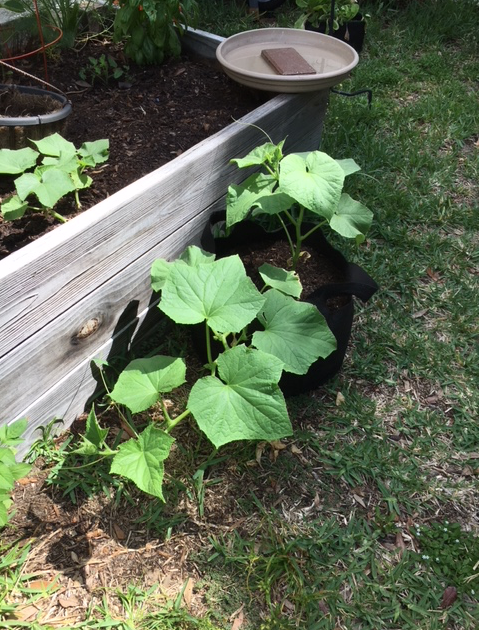
The cucumbers have just started to take off. Some are growing in fabric garden bags, and a few are planted at the edges of the raised bed.

I’m hoping for cukes to eat soon, but I’ve also read that the raccoons don’t like the feel of the fuzzy stems on cucumbers. If I have strands of cucumber vines all around my garden, will the raccoons leave my vegetables alone?  Please work……

cucumber plants
Cukes in fabric bag and inside bed

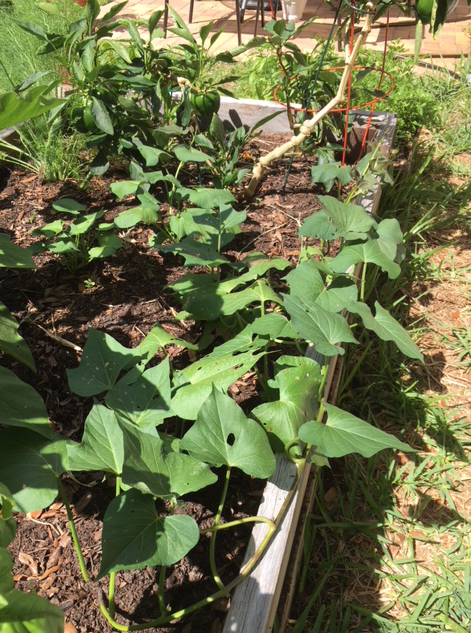
For the heck of it I threw a couple pieces of old sweet potato into my mostly empty garden back in February (?). Now the vines are long and pretty. When they start to die I will dig down and see if I find potatoes.  I’ve grown regular potatoes, but never sweet potatoes.

sweet potato
Sweet potato vines and leaves

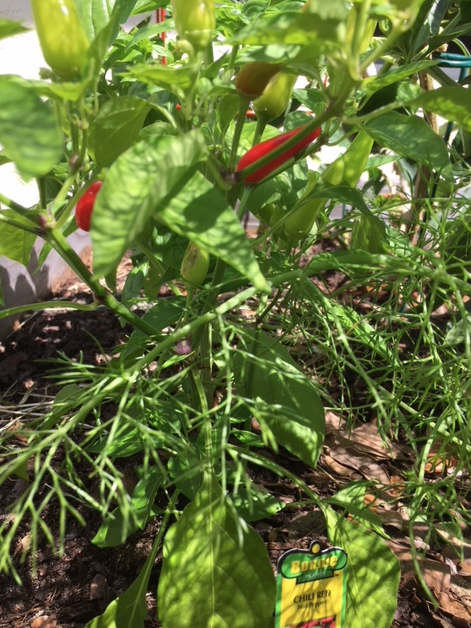
My little red pepper plant is growing lots of peppers and I’ve already used a couple red ones. They are very hot. I really wanted jalapeños but there were no plants when I was shopping. I dislike having to buy all my plants at the Home Depot, but there are no farm stands around.

chili red hot peppers
Chili red hot peppers

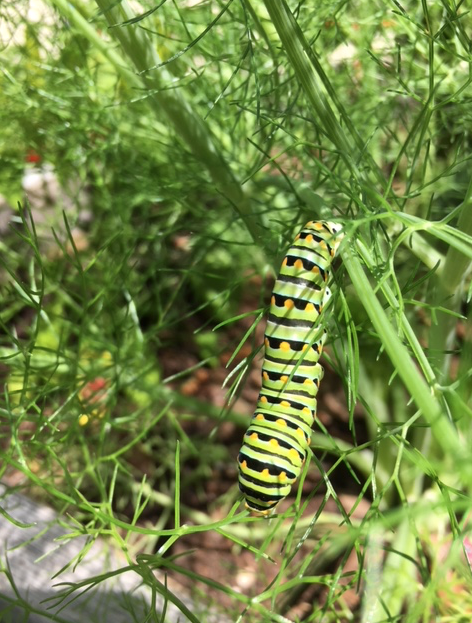
I found a couple of parsley worms on my fennel. Dill plants were nowhere to be found, so I settled for fennel, which I have never grown. Ladybugs and apparently parsley worms enjoy it and I’ve been chopping it up to add to food I cook.

parsley worm on fennel
Parsley worm on fennel

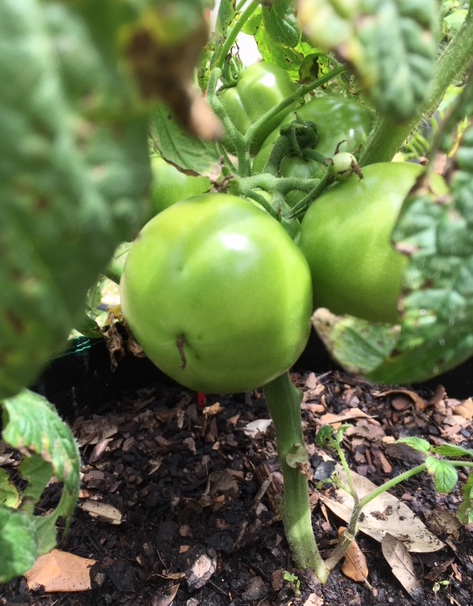
One tomato plant has 8 green tomatoes and the other has 6. I’m counting them to make sure the raccoons are not stealing any during the night. I’ll bring the plants inside if raccoons begin bothering them.

green tomatoes
Tomatoes are coming along

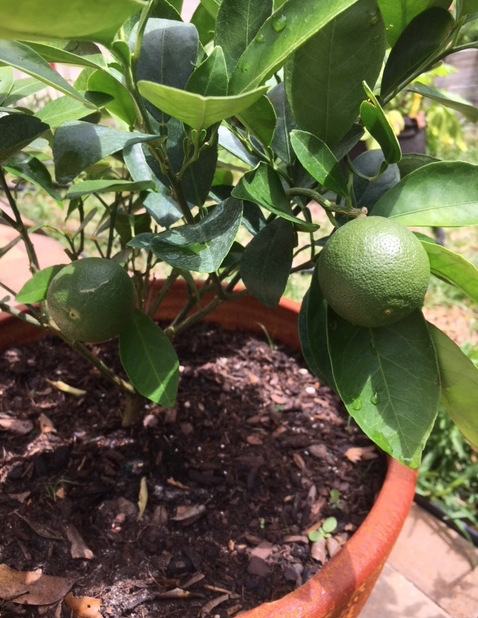
My little Navel orange tree lost a lot of it’s small fruit, but a few oranges are still growing.

navel oranges growing
A few oranges are growing on the new Navel Orange tree

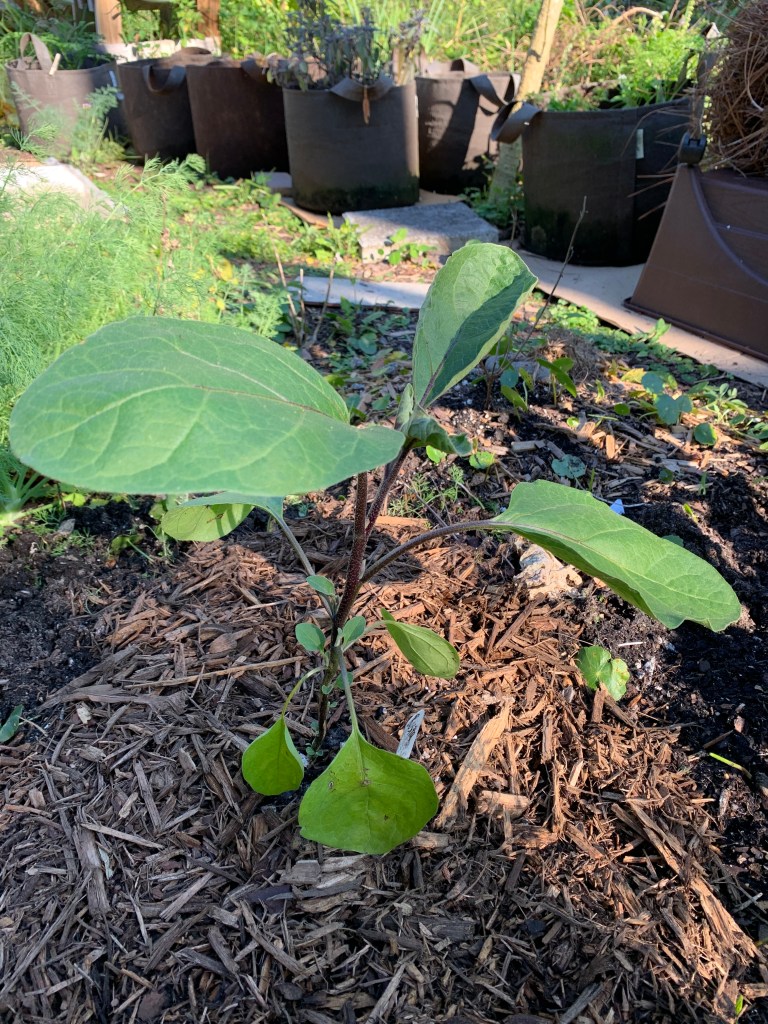
The eggplant is still not giving me any eggplants, but it’s a good home for ladybugs. I’ve seen them in many forms (eggs, larvae, and beetle) crawling on the leaves. The aphid problem is no longer a problem. I can’t find a single aphid on anything! Don’t you love those ladybugs?

The weather will continue to get hotter and I may have to stop gardening within a month or so. I’ll see what lives and what doesn’t and go from there.

May garden in florida
May garden view

February Yard Work Getting Some Planting Done

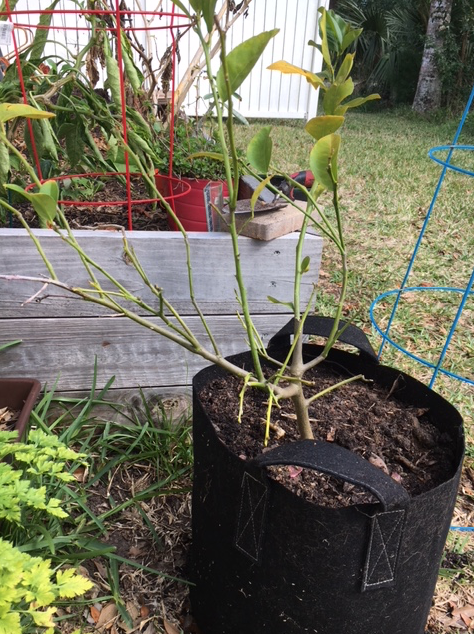
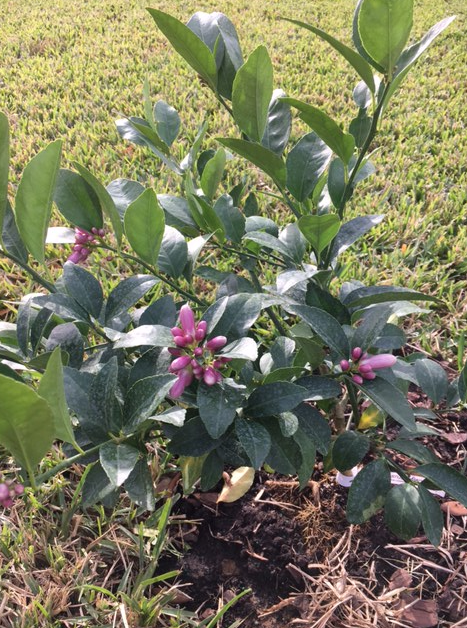
This past weekend (mid-February) I did some garden work and planted a few seeds. It was a hot day but I decided it was time to move the lemon tree from the front to the back yard. Thanks to that digging and lifting my back was aching the next day. But I have high hopes that the tree will recover and give me some lemons one day. (Photos below)

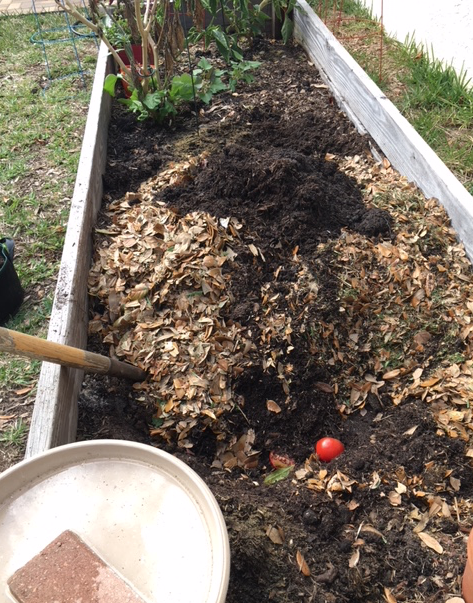
The raised bed still needs more soil. While my son was cutting the grass he bagged up some oak leaves (oak leaves are small here, not like the majestic oaks of the north which drop big leaves) and dumped them into the bed.

raised bed garden
Adding oak leaves to the raised bed

Creating good garden dirt takes a lot of adding and mixing, not unlike making a good soup or stew. All the ingredients together will give me some delicious dirt to help my vegetables grow well.
I still have two potted crotons which were cuttings taken from the big croton out front – which is now dead thanks to the cold. I’m not sure what I will do with them.
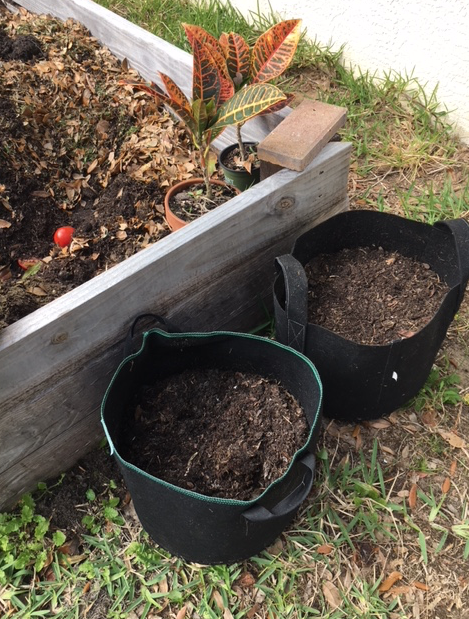
fabric pots
Filling the fabric pots to be ready for planting

Bone meal and blood meal was added, and I threw in an old tomato (I regularly add kitchen scraps to make compost within the bed. I’ve even seen a couple of big worms in the dirt recently …. yay!
gardening in February
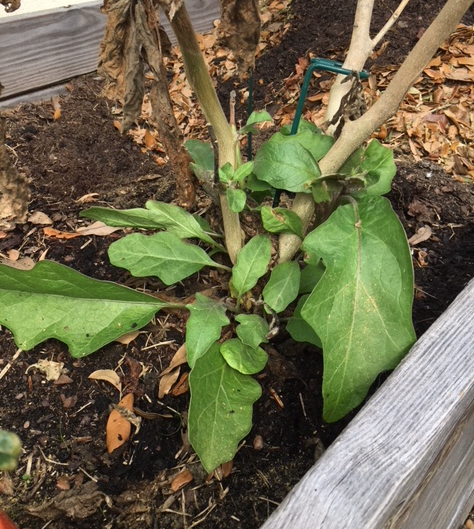
Eggplant coming back after the freeze

During the winter months it’s not a good idea to trim back dead growth, but I made an exception with my eggplant. With all the top brown branches trimmed away I can more easily cover it if cold temperatures come back.

I planted lettuce seeds in one black pot and yellow squash in another. I should have planted the lettuce earlier, but oh well.

The Lemon and Lime Trees

About a year ago I added a Persian lime tree and Lemon tree to my yard. The lime tree has done very well, providing me with loads of limes in the Fall season. I kept it in it’s original pot and it’s in the backyard.

The lemon tree was planted in the ground in my front yard. Right off it began to have problems. When I planted it, I wasn’t used to our new home location yet. I didn’t realize that front yard gets a lot of wind which makes it an inhospitable place for most plants. Even though the new tree bloomed and grew some lemons, it’s leaves fell off and none of the lemons were nice enough to eat.

lemon tree
Moved the Lemon tree – Feb. 2018

This was a lesson in choosing a good spot for my trees and shrubs. I doubt I will try to grow anything out front.

I really thought the tree would be dead by now. Besides the wind, we’ve had a few nights of cold temperatures. I covered the tree, but lots of things died even though I covered them. Still the tree lived on.

Many of it’s branches are bare and it looks like some animal maybe had been chewing on the stems. Plus my son often hits the branches with his weed-eater.

Even after all this, the lemon tree still grows. Below you can see how pretty the Lemon tree was when I planted it. Because it is still trying to live, I feel guilty for leaving it unattended for so long.

I’m hoping that with it’s new spot in a fabric garden bag in my backyard, I can bring this tree back to it’s original beautiful form.

screen-shot-2016-12-31-at-8-57-26-am
Meyer Lemon Tree – 2017