Pictures of My Small Backyard Garden

Pictures of my small, backyard garden space.

Although I have almost an acre of land, most of it is low-lying forest and wetlands.   My backyard is a narrow strip, with the sun hitting part of it only 6-7 hours a day.  I do my best, trying to plant crops in the space that gets the most sun.  It’s a challenge when I have to rotate plantings each year.  The photo below was taken last summer (2014).  That is pretty much my entire backyard. I plant flowers and vegetables along the edge of a slope, which drops off to woods beyond.  Only the part near my deck gets enough sun for good vegetable growth.  I concentrate my plantings there.
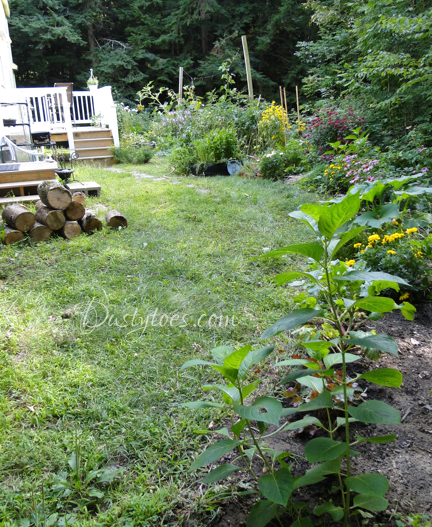
backyard garden
My Narrow Backyard

Photo Above: See my new propagated hydrangea there in the front?
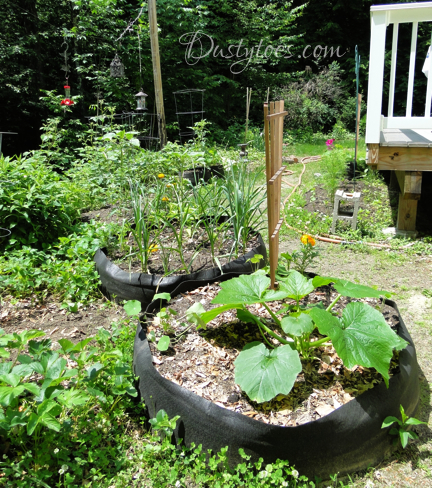
I’ve added raised fabric beds to the area, which has been a great help.  Last fall I planted my garlic bulbs, and they are doing very well – better than any garlic I’ve ever attempted to grow.  I hope the bulbs will end up being nice and big.
summer garden zucchini
Zucchini and Garlic Growing in Fabric Pots

What begins as lots of space, quickly fills in when the plants grow and expand. The tomatoes grew great last year (picture below) right up until they all died of late blight! It was depressing.

tomato bushes
Full Tomato Bushes
blackberries
Blackberry ? or Black Raspberry Bushes

It’s a constant battle with the black raspberry plants (or are they blackberries?) that threaten to overrun the yard. They grow upwards from the slope, where I think they were purposely planted to hold the earth in place.  It’s one of the few berries I dislike.  It figures that I have tons of them!  They are eaten by the chipmunks and birds, when my cats are not around.

Raspberries grow at the side on my house, and I can find many wild strawberries in the yard.  The strawberries I planted have become overrun by weeds, and I didn’t have enough space for a proper strawberry field.  Occasionally I find a few nice ripe berries to munch while I survey my garden.  The sunflowers are volunteers that sprout wherever they choose.  The seeds self-plant from when I feed the birds in winter.

I sometimes wish I had acres of land to roam and plant, but I’m content with what I have. It takes a lot of time to garden, and especially when you do it all alone.
Lush Garden Foliage
Lush Garden Foliage

Who Spends Spring Cleaning the House?

painting cleaningWhen I lived in Florida I wondered why there was such a thing as spring cleaning. Why wait until spring? Of course I could go outside almost any day of the year in Florida. Dumping the dirty water from cleaning the floors, or rinsing the paint brush was simple. Turn on the hose and your done.

Then I lived in the north. I was born in Massachusetts, so I knew all about winter, but I had never owned my own home while living there. I lived in apartments and had less to do. There was no grass to mow or gardens to tend. My tiny apartment was quick and easy to clean.

Now that I have a home of my own, I know why spring is the season to clean. The garden hoses are stored in the basement for the winter. Everything is cold and frozen and there is no way to go outside and rinse anything. Washing windows is not advisable when they are icy cold. The garage can’t be swept out.

Painting the walls must also wait until the weather allows for opening windows. I started painting a couple of months ago – it’s slow going. But the woman who sold me my paint said that they were running out of paint because so many people were buying it! I wasn’t the only one waiting for spring to begin the chore of painting my walls.clean living room

Once the snow began to melt, it was as if we suddenly came alive. As if we’ve all been living in a cave for five months and were suddenly released into the world. That’s how spring in New Hampshire makes me feel. It’s a time when we can go outdoors and survey the yard and clean up the winter mess.

The warmer weather and sunny skies bring people back to life just as it does the trees, grass and plants. It also brings the bugs out, and that’s another good reason to stay inside to clean. May brings the black flies to my area, and they are the most annoying bugs I’ve ever encountered. And I’m from Florida where the mosquitoes, roaches, fire ants, spiders and such, thrive!

I’ve come to realize why Spring is the time to clean, both inside and outdoors. It’s a big job for me that lasts well into summer. I used to look at winter as a time for rest, but after last year’s snow storms (2014-2015) I know better.

Before I know it the summer will be over, but at least my house will be clean.

More to do at Work, Making Banners for the Store

green hydrangeaMaking banners for the store is not difficult, just time consuming. As with all online work I do, there is an element of learning attached. Often I do something that turns out perfect after I’ve spent time reading tutorials, that pops right out of my head as soon as I finish the project. Often I feel like my brain is stuffed so full that I can’t possibly keep any more info in there.

At Zazzle, where my online stores are based, we have the new option to create collections of products. It’s a great idea, and I’m totally onboard. I’ve been working on gathering similarly themed items from my twelve stores to add to collection pages. The thing is, each collection page needs a banner at the top that matches the theme of the collection.

I’ve been using Pixabay almost exclusively to find those banner images. Once I find the perfect photo, it must be downloaded, resized, cropped, and uploaded to the banner template. It must be done for every collection, and that is time-consuming.

Here is a link to My Collections. I plan to make more, but already I have 34 pages made. Some do not yet have a banner image, but most do. The hydrangea banner I’ve included at the beginning of this post was used for my Pale Green Hydrangea collection.

I’m keeping an eye on my sales as I’d like to know if the collections will be a good way to get my newer products before the eyes of customers.  It always takes time to see if new things help sales.

I work online in my Zazzle shops until 3:00 PM each day, and then stop to work in the yard, if the weather is nice. After that, I work inside, usually in the kitchen making supper and doing dishes. I start my day at 5:30am and there is never enough time to get it all done.
My Perennial Shade Garden

Pictures of my shade garden perennials.

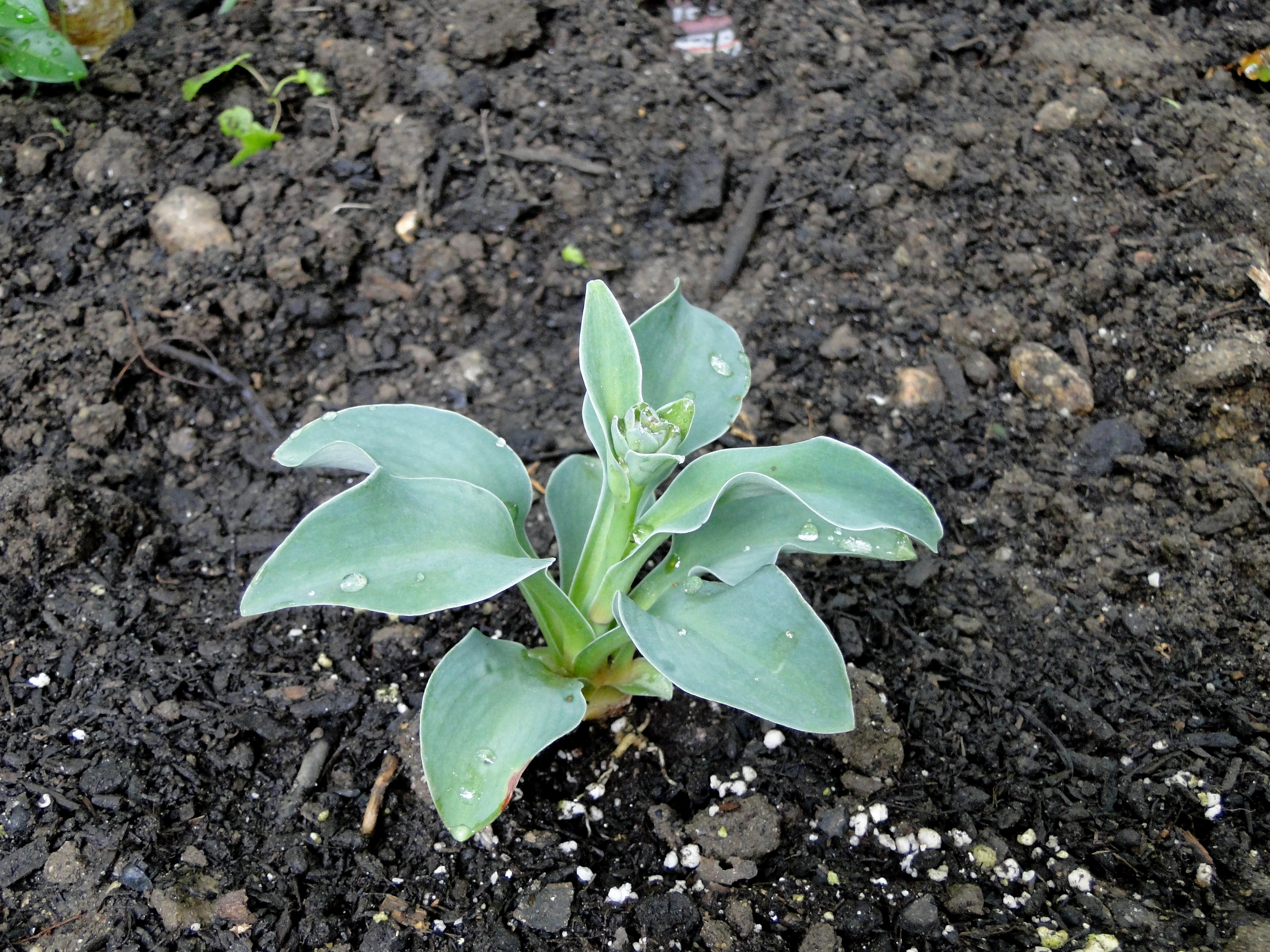
mouse ear hosta
Mouse Ear Hosta

My front yard has an upward sloping hill with tall hardwood trees. Once the leaves pop out in May most of my front yard is in constant shade. I love trees, and they are beautiful, but planting and growing anything beneath them is difficult.

I prefer to invest in perennials, since I am on a tight budget. Impatiens are the only annual I plant and they like the shade. Usually I can find cheap, multiple impatiens seedlings in tiny containers. It takes time to get them all planted, but once they are in the ground they grow nicely. My recent favorite is the variety with red and white striped flowers.

It took me one full summer to clear out beneath the trees. The following year I added astilbe, hosta, and bleeding heart perennials. Digging the ground where there are many tree roots is tough. I added some new loam at the base of the hill which helped with planting.

Honestly, the astilbe is my least favorite. It’s spindly and small, but I’ll see how it does this year. I don’t know much about it, but it’s not full and pretty like in the pictures I’ve seen. My guess is that the dirt is not suitable.

The Hosta plants always come back and fill out a bit more each summer.  I’m happy to find that they are all growing.  This past winter was a very bad one, and a few of my perennials seem to have died.  I had a big Pampas Grass plant that is totally gone.  Glad I got this picture last summer.

pampas grass
Pampas Grass Bloom

My favorite shade garden perennial is probably the bleeding heart. It seems so fragile. The bright green stems are soft and break easily. The little heart-shaped flowers dangle from thin branches and seem so delicate. Yet it survives the winter and is always one of the first plants to push up in spring.

Usually my lenton rose plants bloom first, but this year one of them took a long time to grow.  Like I mentioned, the winter was especially hard.

Identifying Perennials in Spring

Pictures of perennials as an identification guide to what’s growing in my yard this spring.

Once the perennials start pushing through the ground in spring, I sometimes can’t recall what is growing where.  I spent nearly 30 years living in Florida where plants don’t have to hibernate over winter.  Now that I live in New Hampshire, I’ve had to adjust to not seeing my yard and gardens for months at a time.

Even though I leave the tags near the plant when they are planted, the tags don’t always last.  Some of the larger perennials, like the hydrangeas and peonies are easy to identify.

Spring Plant Identification, New England

I’ve taken some recent photos of the perennials growing this Spring as a reminder..  It’s a plant identification guide for myself.  Maybe they will help you name some in your yard as well.

I took these photos May 3, 2015.  I lived in southern New Hampshire. The top photo, in each ID section, is mine and is as the plant will look early in Spring. The bottom photo (if I have one) is from the Pixabay site and shows a mature, flowering plant.

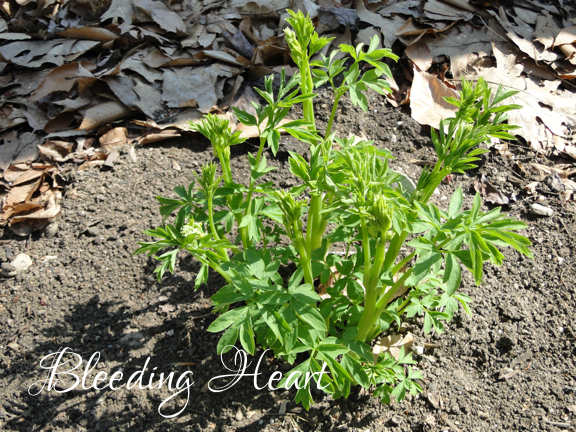
Bleeding Heart

The bleeding heart has little pink or white flowers that hang in rows along the stems. The Bleeding Heart likes a bit of shade.


Columbine

ID Columbine plant in spring

The Columbine is one of my favorite flowering perennials. It comes in such a wide variety of colors, like pink, red, purple, and yellow, usually in a combination of colors with a light center. The flowers can be ruffled in some varieties.

Pink and blue-purple columbine flowers

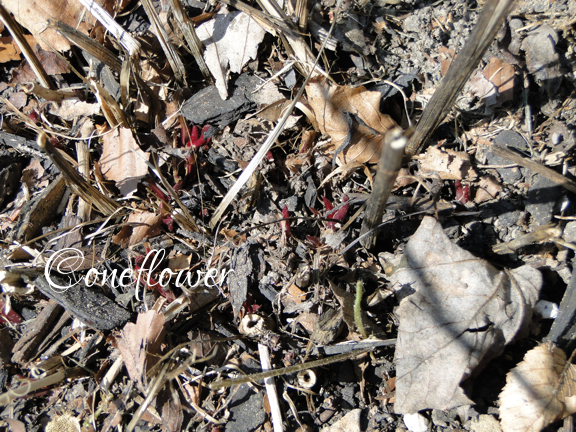
Coneflower

The Coneflower is an awesome perennial and the tough thistle type seeds draw in the finches in Fall.

ID Coneflower

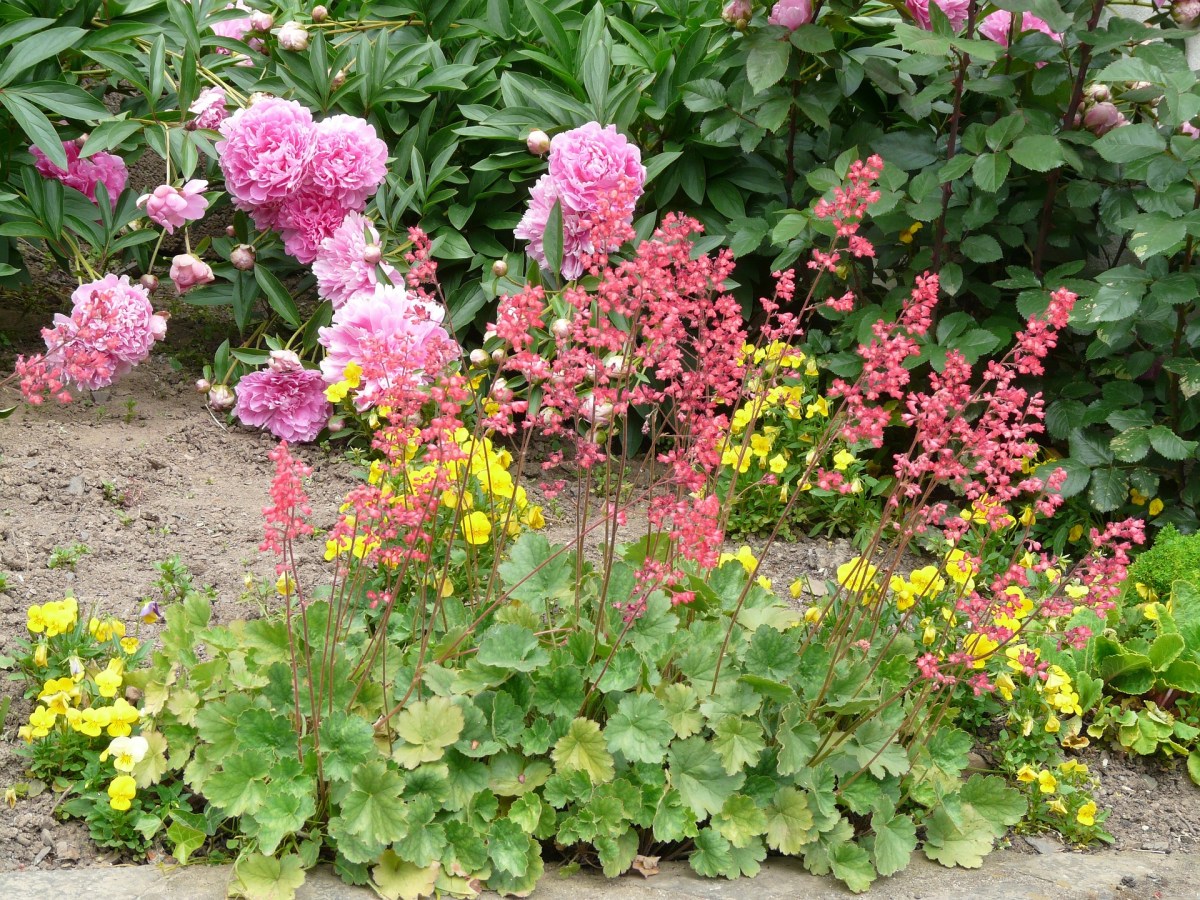
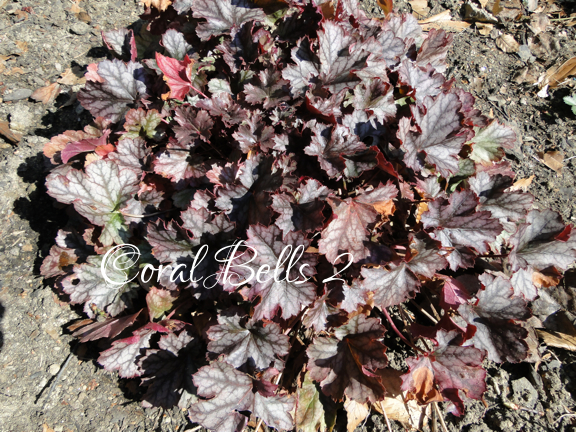
Coral Bells

Coral bells are perennials that have stalks of tiny, coral pink colored flowers.

ID Coral Bells
Coral bells growing in front of peonies
Coral Bells with pink peonies behind

I have two types of Coral Bells and one has darker leaves. I can’t remember what the flowers look like.

ID coral bells2

Coreopsis

The Coreopsis is a mounded type plant (or at least mine is) that grows little yellow flowers.

ID Corepsis
Yellow flowering coreopsis
Blooming Coreopsis

Monk’s Hood

Monk’s Hood will have tall stems with blue-purple flowers. I couldn’t find a flowering photo to share.

ID Monk's Hood

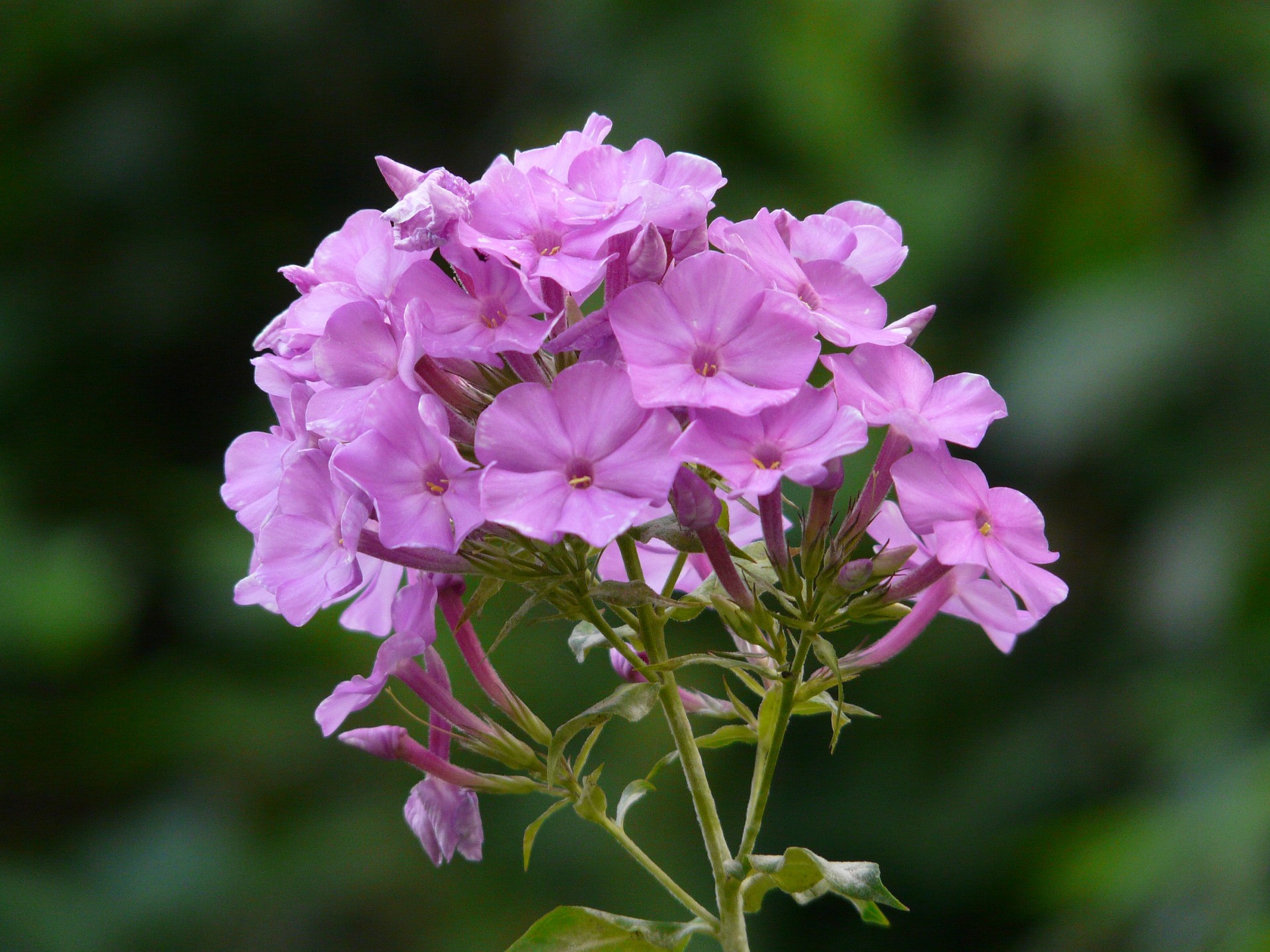
Phlox

Phlox comes as a creeping variety or this tall variety. Flowers are usually shades of pink, purple, or white.

ID tall phlox
Pink purple tall phlox flower

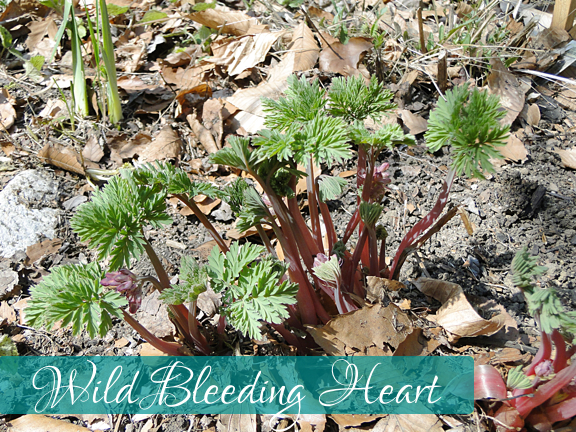
Wild Bleeding Heart

ID wild bleeding heart

A Little About Sunflowers

Types of sunflowers and possible problems when planting and growing.

Soon the sunflowers will be popping through the soil and by mid-summer their happy blooms will decorate the garden landscape.
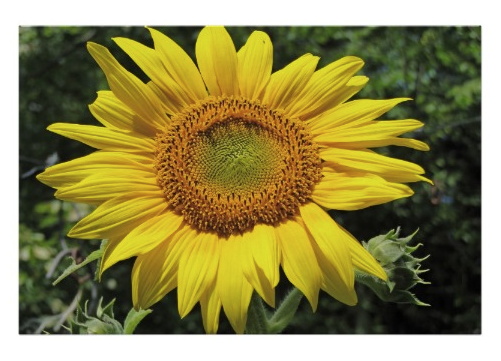
Sunflower plants can be tall or short. When mixing varieties be sure to leave enough space between them as they all need lots of sunlight. Seed packs will describe which is which.

yellow sunflower poster
Sunflower Poster

Besides bright yellow the petals can be rusty redish orange as in the Autumn Beauty
variety.  (I don’t know what variety this red sunflower is, but it’s pretty.)

red sunflower
Photo by eponaspirit @ Pixabay

I used to plant sunflower seeds until I realized that the squirrels were digging them up as fast as I could plant them! My gardening space is very small, so I don’t need many sunflowers, but a few are nice to have. Because I feed sunflower seeds to the birds in winter, I always have a few volunteers that grow on their own. All I have to do is weed out the ones that are too close together and let the others survive. Of course they don’t always sprout where I would prefer they live, but I can’t be picky. It’s that or no sunflowers, and a summer without sunflowers is just not right!
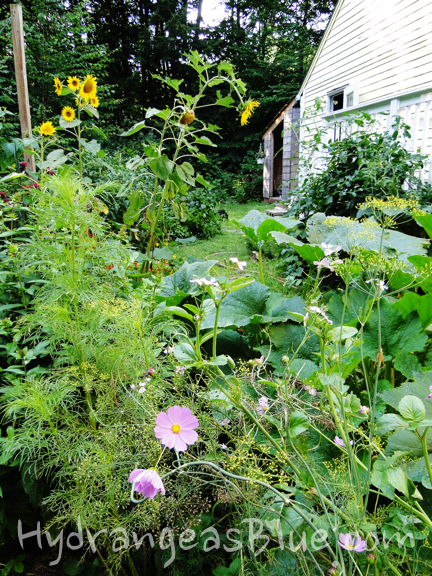
Here is a picture of my garden last year.

backyard garden scene
My Backyard Garden – 2014
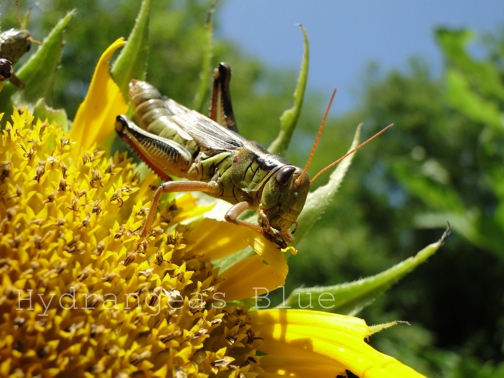
grasshopper eating a sunflower
Grasshopper on sunflower


I like the fact that sunflowers grow beautifully on their own.  Usually they mature and have plenty of seeds to feed the birds.  The goldfinches love them.  Although, I have had squirrels climb the stalk and chew off the stem to steal the entire flower! Those little buggers are a real nuisance.

Now that I have cats prowling the yard, I haven’t had that problem.
I did however have big green grasshoppers chewing on the flowers. It’s always something. But they were so interesting that I let them eat and got some photos.