My Blushing Bride White Hydrangea Transplant- One Year Later

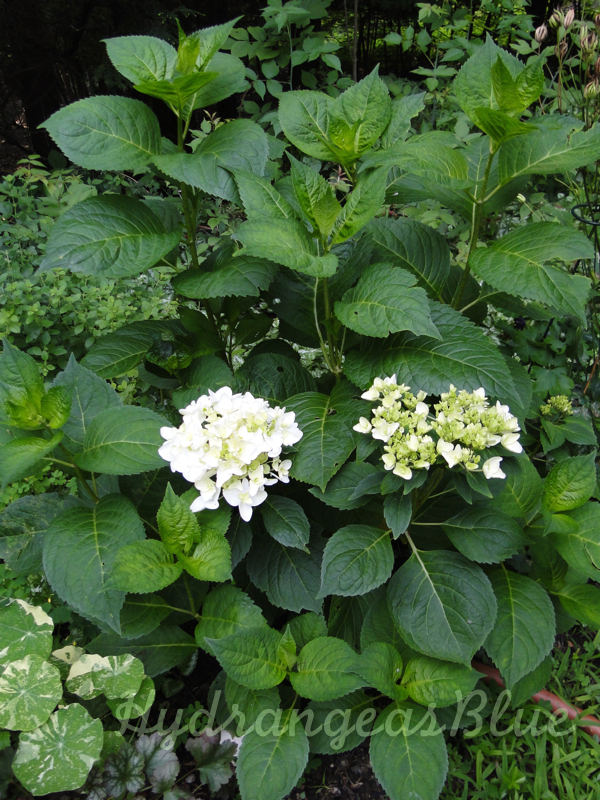
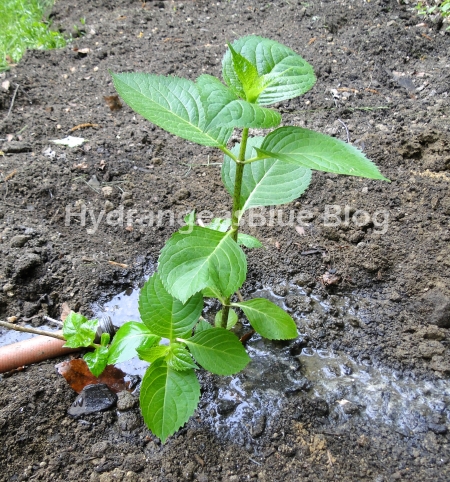
Year 2 for the Blushing Bride hydrangea that was propagated in 2014.

baby hydrangea bush
New plant #1

Last year I dug up two offshoots of my Blushing Bride hydrangea. The shrub was becoming large, and as the limbs hung down to the dirt, they became rooted. After letting them grow this way for a year, I cut them off from the main plant and dug them up.

I ended up with two nice size little hydrangea plants. Both were planted in my backyard last spring and they are looking good this year.

One in particular is doing very well and has two flowers. I had named it #1, and it was samller than the #2 plant, but it’s doing better. I think it gets more sun than the other one, which helps with flower production. That is it in the first image, taken last year after it was just planted in June.

Below is how it looks in July this year – just one year later!
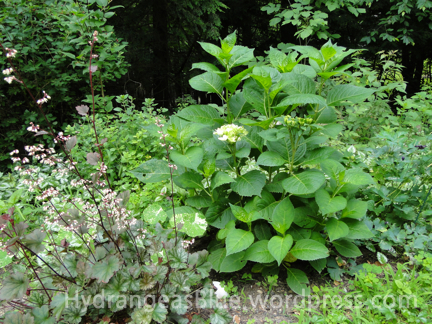
blushing bride hydrangea
Year 2 – new Blushing Bride

white hydrangea shrub

I’d love to transplant some new blue hydrangea bushes, but I can’t seem to get mine to grow enough to give me new baby plants. I’m also running low on space to plant perennials.

The blooms on my new plant are large and beautiful (picture below). In fact the original Blushing Bride plant has no blooms at all this year. The ‘baby’ looks better than it’s mom. It’s all in the location and sun exposure. Hydrangeas don’t need a lot of direct sunlight, but they do need a good measure to create flowers.
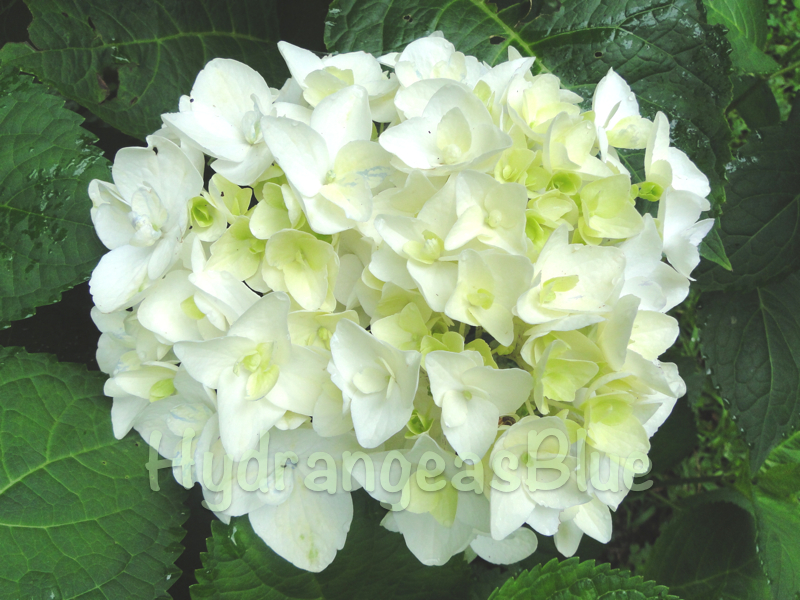
white hydrangea

My Perennial Shade Garden

Pictures of my shade garden perennials.

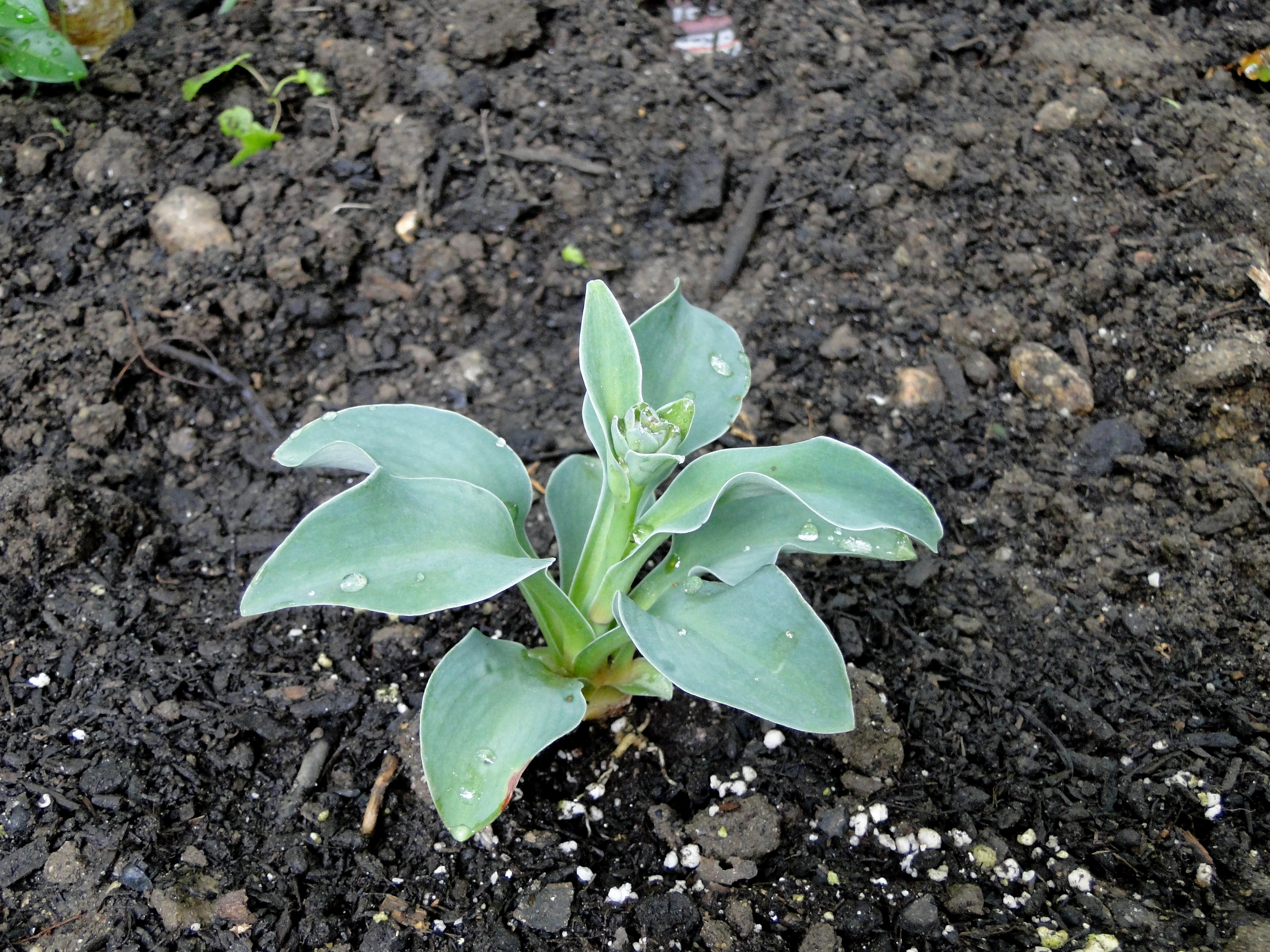
mouse ear hosta
Mouse Ear Hosta

My front yard has an upward sloping hill with tall hardwood trees. Once the leaves pop out in May most of my front yard is in constant shade. I love trees, and they are beautiful, but planting and growing anything beneath them is difficult.

I prefer to invest in perennials, since I am on a tight budget. Impatiens are the only annual I plant and they like the shade. Usually I can find cheap, multiple impatiens seedlings in tiny containers. It takes time to get them all planted, but once they are in the ground they grow nicely. My recent favorite is the variety with red and white striped flowers.

It took me one full summer to clear out beneath the trees. The following year I added astilbe, hosta, and bleeding heart perennials. Digging the ground where there are many tree roots is tough. I added some new loam at the base of the hill which helped with planting.

Honestly, the astilbe is my least favorite. It’s spindly and small, but I’ll see how it does this year. I don’t know much about it, but it’s not full and pretty like in the pictures I’ve seen. My guess is that the dirt is not suitable.

The Hosta plants always come back and fill out a bit more each summer.  I’m happy to find that they are all growing.  This past winter was a very bad one, and a few of my perennials seem to have died.  I had a big Pampas Grass plant that is totally gone.  Glad I got this picture last summer.

pampas grass
Pampas Grass Bloom

My favorite shade garden perennial is probably the bleeding heart. It seems so fragile. The bright green stems are soft and break easily. The little heart-shaped flowers dangle from thin branches and seem so delicate. Yet it survives the winter and is always one of the first plants to push up in spring.

Usually my lenton rose plants bloom first, but this year one of them took a long time to grow.  Like I mentioned, the winter was especially hard.

Identifying Perennials in Spring

Pictures of perennials as an identification guide to what’s growing in my yard this spring.

Once the perennials start pushing through the ground in spring, I sometimes can’t recall what is growing where.  I spent nearly 30 years living in Florida where plants don’t have to hibernate over winter.  Now that I live in New Hampshire, I’ve had to adjust to not seeing my yard and gardens for months at a time.

Even though I leave the tags near the plant when they are planted, the tags don’t always last.  Some of the larger perennials, like the hydrangeas and peonies are easy to identify.

Spring Plant Identification, New England

I’ve taken some recent photos of the perennials growing this Spring as a reminder..  It’s a plant identification guide for myself.  Maybe they will help you name some in your yard as well.

I took these photos May 3, 2015.  I lived in southern New Hampshire. The top photo, in each ID section, is mine and is as the plant will look early in Spring. The bottom photo (if I have one) is from the Pixabay site and shows a mature, flowering plant.

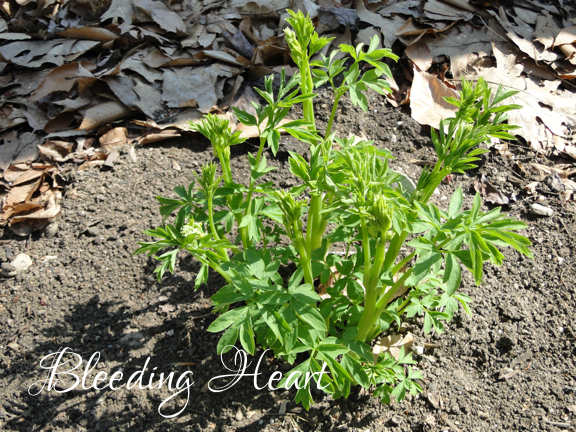
Bleeding Heart

The bleeding heart has little pink or white flowers that hang in rows along the stems. The Bleeding Heart likes a bit of shade.


Columbine

ID Columbine plant in spring

The Columbine is one of my favorite flowering perennials. It comes in such a wide variety of colors, like pink, red, purple, and yellow, usually in a combination of colors with a light center. The flowers can be ruffled in some varieties.

Pink and blue-purple columbine flowers

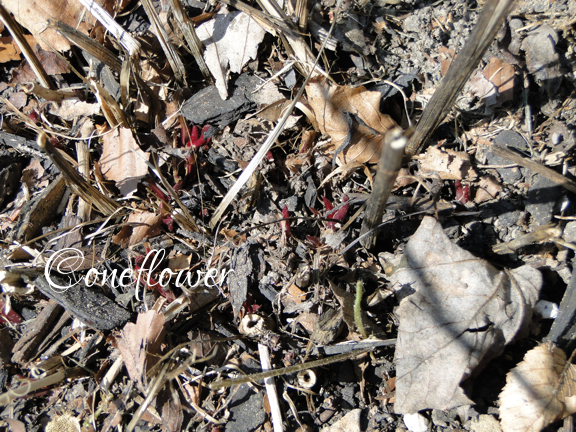
Coneflower

The Coneflower is an awesome perennial and the tough thistle type seeds draw in the finches in Fall.

ID Coneflower

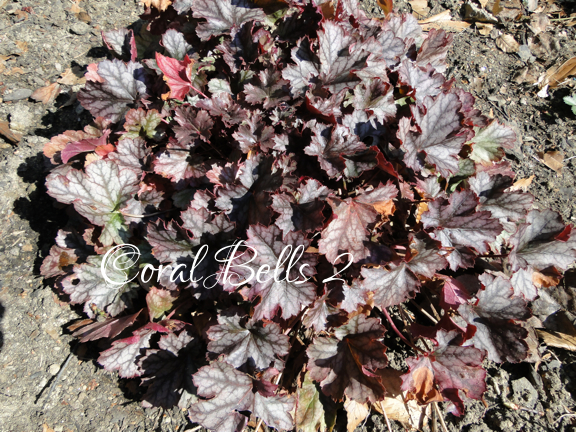
Coral Bells

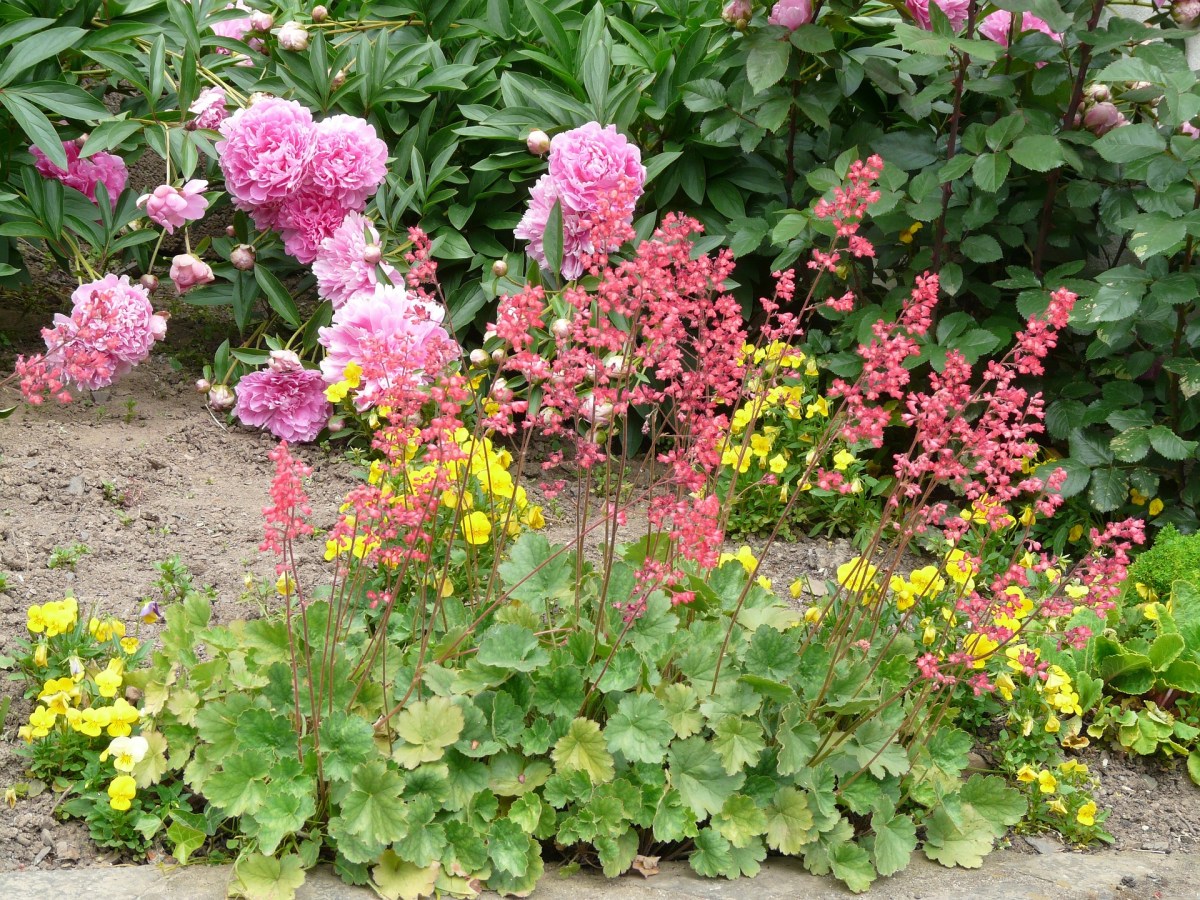
Coral bells are perennials that have stalks of tiny, coral pink colored flowers.

ID Coral Bells
Coral bells growing in front of peonies
Coral Bells with pink peonies behind

I have two types of Coral Bells and one has darker leaves. I can’t remember what the flowers look like.

ID coral bells2

Coreopsis

The Coreopsis is a mounded type plant (or at least mine is) that grows little yellow flowers.

ID Corepsis
Yellow flowering coreopsis
Blooming Coreopsis

Monk’s Hood

Monk’s Hood will have tall stems with blue-purple flowers. I couldn’t find a flowering photo to share.

ID Monk's Hood

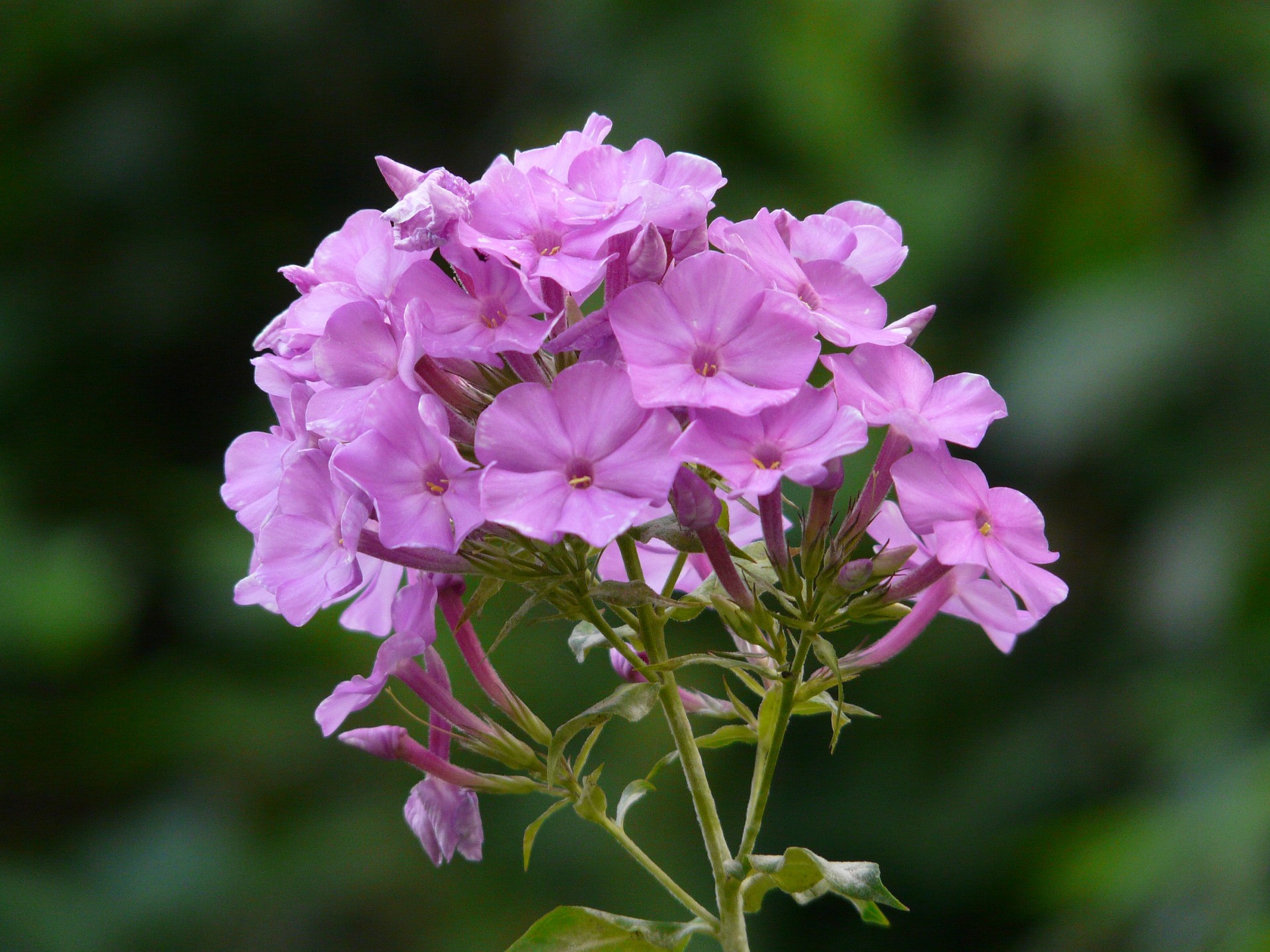
Phlox

Phlox comes as a creeping variety or this tall variety. Flowers are usually shades of pink, purple, or white.

ID tall phlox
Pink purple tall phlox flower

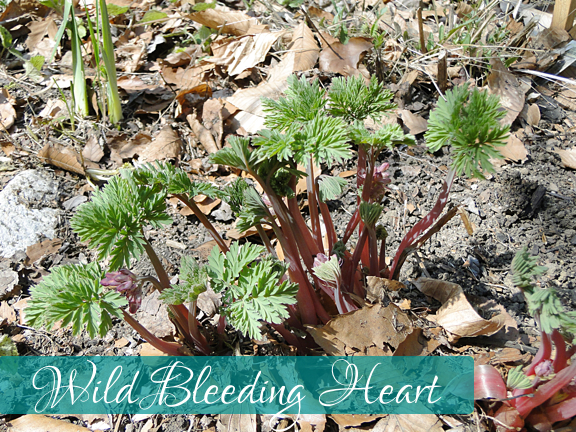
Wild Bleeding Heart

ID wild bleeding heart

A Little About Sunflowers

Types of sunflowers and possible problems when planting and growing.

Soon the sunflowers will be popping through the soil and by mid-summer their happy blooms will decorate the garden landscape.
Sunflower plants can be tall or short. When mixing varieties be sure to leave enough space between them as they all need lots of sunlight. Seed packs will describe which is which.

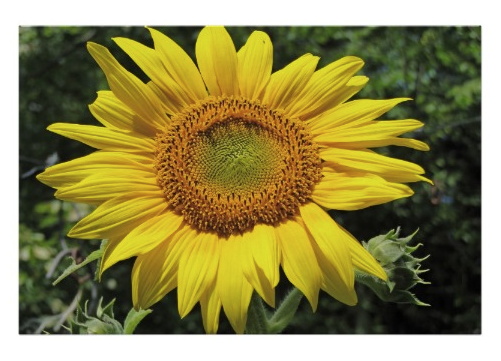
yellow sunflower poster
Sunflower Poster

Besides bright yellow the petals can be rusty redish orange as in the Autumn Beauty
variety.  (I don’t know what variety this red sunflower is, but it’s pretty.)

red sunflower
Photo by eponaspirit @ Pixabay

I used to plant sunflower seeds until I realized that the squirrels were digging them up as fast as I could plant them! My gardening space is very small, so I don’t need many sunflowers, but a few are nice to have. Because I feed sunflower seeds to the birds in winter, I always have a few volunteers that grow on their own. All I have to do is weed out the ones that are too close together and let the others survive. Of course they don’t always sprout where I would prefer they live, but I can’t be picky. It’s that or no sunflowers, and a summer without sunflowers is just not right!
Here is a picture of my garden last year.

backyard garden scene
My Backyard Garden – 2014
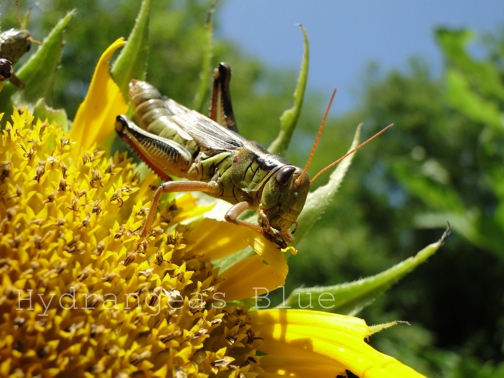
grasshopper eating a sunflower
Grasshopper on sunflower


I like the fact that sunflowers grow beautifully on their own.  Usually they mature and have plenty of seeds to feed the birds.  The goldfinches love them.  Although, I have had squirrels climb the stalk and chew off the stem to steal the entire flower! Those little buggers are a real nuisance.

Now that I have cats prowling the yard, I haven’t had that problem.
I did however have big green grasshoppers chewing on the flowers. It’s always something. But they were so interesting that I let them eat and got some photos.

Pictures of Pansies

pictures of pansies white
White Pansies by kapa65 at Pixabay

One of the favorite cool weather flowers is the little pansy.  The pansy is hardy and easy to care for.  In spring they are in all the local stores and are sold like made.  Everyone is ready to brighten their lives with some color after a cold gray winter.  Pansies come in hanging baskets, urns, peat pots, and arrangements.  They are presented just about every way possible.

Many pansies are purple.  And many have purple petals mixed with other colors.  But these happy face flowers come in yellow, orange, white, lavender and red, and combinations of all those colors, as you can see by the pictures of pansies below.

yellow and purple pansy
Photo by ckindschuh at Pixabay

purple and orange pansies

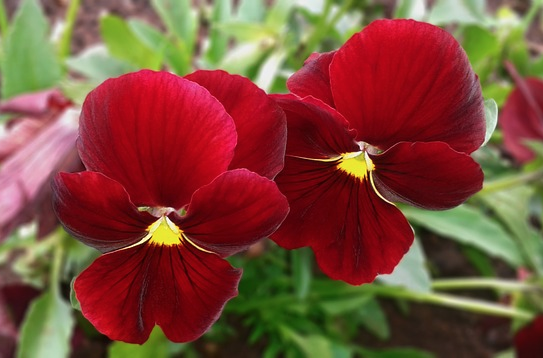
pansy red pansies
Photo by bineshab at Pixabay

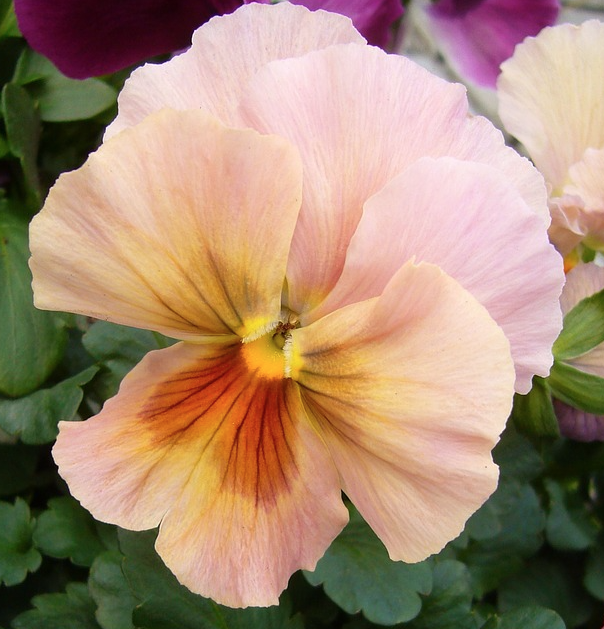
pale pink peach pansy
Pale Pink Pansy by Shirley at Pixabay

lavender blue violet pansy
Potted Purple Pansies by cocoparisienne at Pixabay

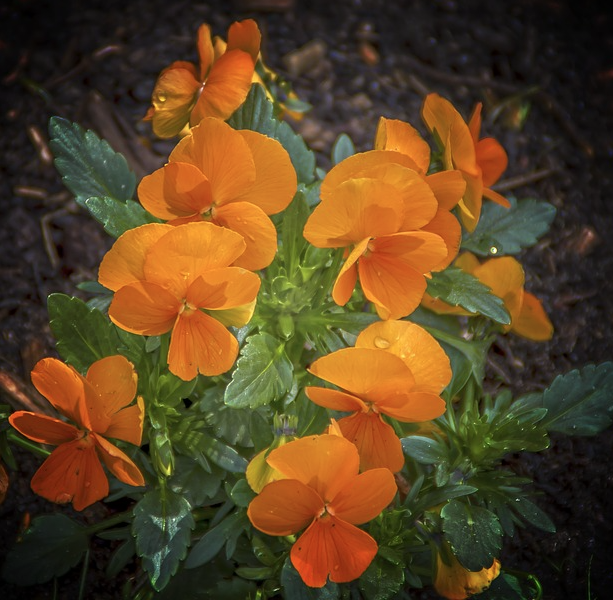
orange pansies pansy
Orange pansies by bykst at Pixabay

white purple pansy flower
White with Purple by wmope at Pixabay

All these pansy photos are free for use and can be found at the Pixabay site. Many thanks to the photographers for capturing the beauty and variety of these little flowers.
5 Free Pictures of Blue Hydrangeas

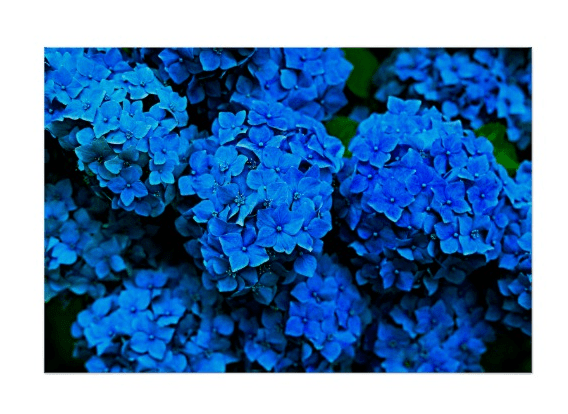
Because my blog is mainly about hydrangea plants and flowers, I thought I’d bring to attention some pictures of blue hydrangea flowers that are free to use as you please. Download any size on the Pixabay site  (click on the image to view the page at their site) and use on your blog, website, stationery, and printables. These pictures can also be used commercially, with no need to give credit to the photographer, or site. Of course they would love it if you do.
I’ll also do other colors like green, pink and white. (Coming soon.)  In a few months I should have some photos of my own to add.
Here you go.   Click the image if you can use it yourself.   Continue reading “5 Free Pictures of Blue Hydrangeas”