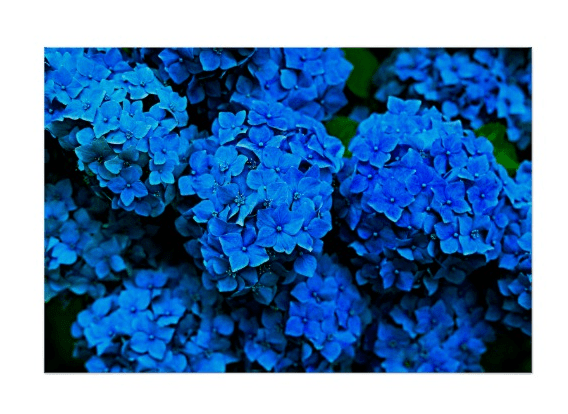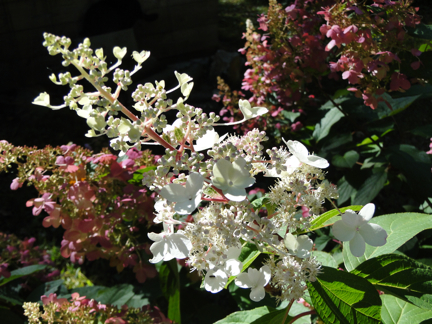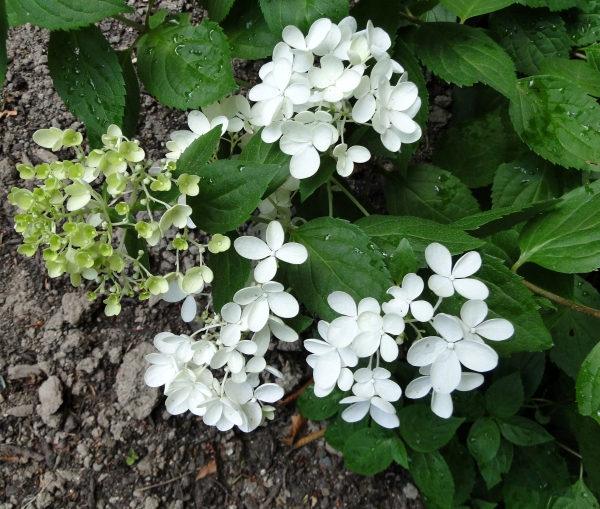
Because my blog is mainly about hydrangea plants and flowers, I thought I’d bring to attention some pictures of blue hydrangea flowers that are free to use as you please. Download any size on the Pixabay site (click on the image to view the page at their site) and use on your blog, website, stationery, and printables. These pictures can also be used commercially, with no need to give credit to the photographer, or site. Of course they would love it if you do.
I’ll also do other colors like green, pink and white. (Coming soon.) In a few months I should have some photos of my own to add.
Here you go. Click the image if you can use it yourself. Continue reading “5 Free Pictures of Blue Hydrangeas”
Category: Garden, Growing Flowers
Planting flowering annuals and perennials in the landscape. New posts are Florida gardening with the hydrangeas and some others being from the north.
Pinky Winky Blooming Timeline
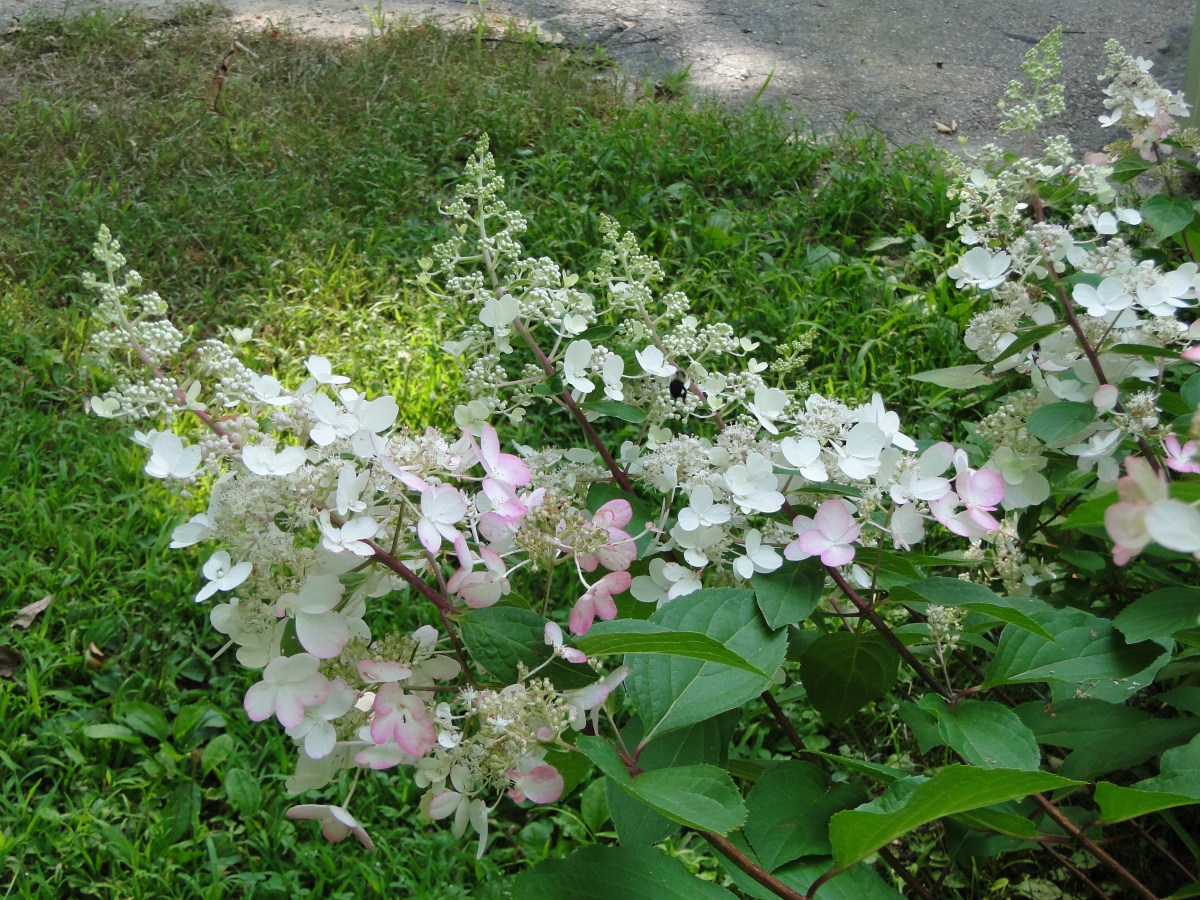
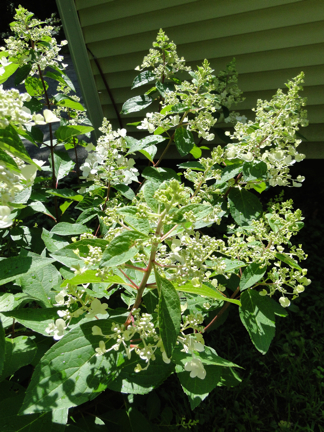
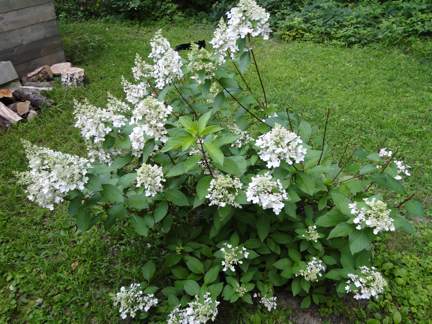
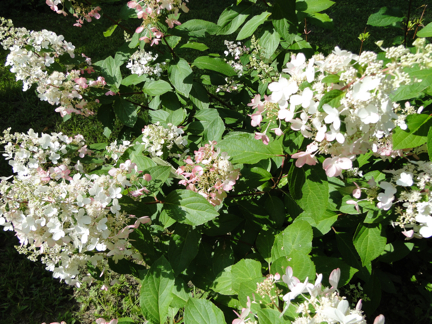
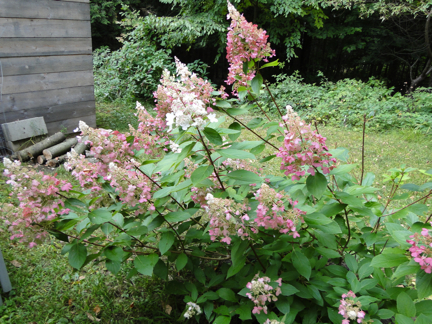
All season I have been photographing my beautiful Pinky Winky hydrangea shrub. Now I am ready to share my pictures, in a blooming timeline, to show the progression of the flower color from spring (summer) through fall.
The bush is lopsided because the deer decided that the buds would be a tasty treat (darn deer), but at least they left me some flowering stems.
So here you have the white to pink progression, with a surprise late white flower showing in my last photo. After all the blooms had turned totally dark pink, a lone white bloom appeared. It looks so pretty against the rest of the bush, that I made a hydrangea poster from the image to sell in my BlueHyd store.
If you are unfamiliar with this variety, the flowers begin as all white, then gradually become pink from the bottom up. As time goes on the pink darkens to a beautiful shade, which can be seen in my last image here.


I don’t have the exact dates listed, these photos were taken from the end of July through September. The hydrangeas don’t really start to grow flowers in my area (southwestern New Hampshire) until summer. The pinky winky is a fun one to watch as it changes throughout the season. This bush also attracts a lot of bees. So along with being a beautiful ornamental for the yard, I am helping to feed the wildlife – deer and bees! I don’t mind the bees, but those deer have plenty to eat without ruining my hydrangeas.
Recent Blog Posts
Hydrangea Trees and The End of Summer
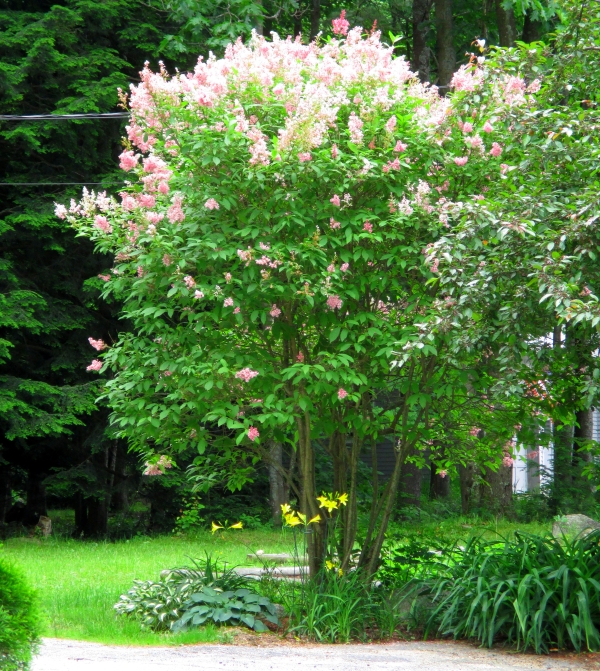
I’ve been enjoying the big hydrangea trees that I see blooming in my neighborhood. How lovely it would be to have a big tree with these lovely blooms! For one thing, hydrangea flowers last a long time, so the tree would look beautiful all summer and into fall.
None of my hydrangea shrubs are very large yet, and this year the blue one did not bloom well. I have only one blue flower, which is disappointing. But the only hydrangea in my yard that will become a small tree is the Pinky Winky.
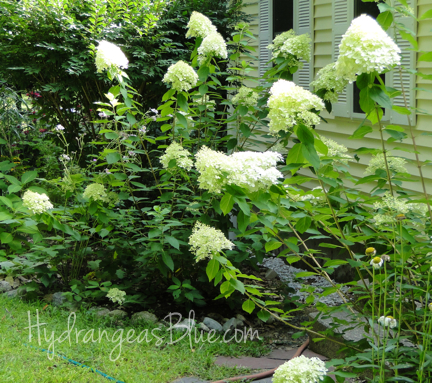
Certain hydrangeas can be trimmed to become trees. The Limelight can be purchased as a tree, so obviously you could trim it to become one.
My Limelight bushes had long stems and I was experimenting with ways to get them to grow more compactly, but then I moved away. I planted a Limelight hydrangea on each side of my front steps, and they really needed to be in a place with more space to grow. Their long lanky stems may have been caused from lack of sun, although they did get sun, but not all day.

One of my favorite hydrangeas is the Pee Gee (Paniculata grandiflora – PG). I bought one but it died (photo below), due to my poor choice of planting location. I never had a chance to get another one while I lived in New Hampshire and now in Florida, they won’t survive.
The Pee Gee has beautiful white flowers and can be trained into a tree by choosing one main stem, or possibly two, and removing the others. This is the basic way to train a shrub into a tree. Spring is the best time to do this, as the shrub will be ready to take off and grow. Pee Gee’s bloom on new wood, so all new growth in Spring has the potential to produce flowers. For that reason, never trim late in the season when flower heads could be removed.
The website The Spruce has more information about the Pee Gee and how to care for it and turn it into a tree.

New Free Hydrangeas – Propagating My Blushing Bride
Last summer I had noticed that my ‘blushing bride’ hydrangea had low-lying branches which were taking root. I had successfully propagated a hydrangea before – started a new bush from an existing one – by digging up a rooted stem and transplanting it.
There is all kinds of info about taking and rooting leaf cuttings to begin a hydrangea plant, but the ground root layering method will give you a larger plant with a stronger root system. And you have an instant new shrub.
Click my link above to see my story about doing this in the past, or follow along here on my blog, and I’ll explain what I did this time – with pictures!
This method of gaining a new, free plant for your yard (or to give to a friend) works with the macrophylla variety of hydrangeas which tend to have branches that grow close to the ground. In my yard I grow the blue endless summer and the white blushing bride which are this type. Their flowers are rounded and the color of the flower can be changed according to the soil conditions.
Once you find those low lying branches and find one that is rooted to the dirt, tug gently to see if it’s rooted well. If it comes right up, put it back (cover it with lots of dirt) and add a weight (like a rock) to hold the root down into the soil. I leave those to dig up at a later time.
The offshoots that I dig up are well rooted and look like little hydrangea plants all on their own. It is easiest to do this in Spring before all the leaves have come out and make it difficult to see around the base of the shrub. As I searched around the base of my original plant, I found one well-rooted shoot by itself, and two that were so close together that I kept them as one plant.
Clip the stem(s) that run under the dirt from the original plant to the new one. Dig around and down under the new plant as best that you can and put it in it’s new home. It helps to know where you will put it, and get that area ready before you dig up the new one! Do you know how to plant hydrangeas?
As with all newly planted shrubs, give it plenty of water and watch it each day to make sure it’s doing well. Lots of sun will make this type of hydrangea wilt, but after watering it should bounce back.
I now have two new ‘Blushing Bride’ plants (see my pics below), and best of all they cost me nothing but a little time!
One of these new plants is blooming with three flowers in just one years time. Read this post about the new Blushing Bride plant.
The Endless Summer in Spring

I added some bonemeal around the base and will eventually add new dirt too. Right now I am busy readying my vegetable gardens for planting – hopefully this weekend. Once the fabric pot raised beds have all the dirt they need, I will add what’s left to the flowers. My Pinky Winky and Limelight hydrangeas all look fine too. In a couple months I’ll see some flowers. Can’t wait!
My Hydrangeas in May 2014
It’s May and I have been getting outdoors to check on my hydrangeas and do some yard clean up. This photo of my Pinky Winky hydrangea plant was taken about a week ago, but it still looks about the same. Some leaf buds are forming along the stems, but that’s about it. The Limelight plants look about the same.
I decided to prune them in late Fall last year instead of waiting until Spring. The reason was mainly that when I left the dried flowers on the long stems of the limelight variety, the snow would weigh them down. So I pruned them for the winter and hopefully they will still bloom nicely.
My endless summer plants have larger leaves protruding up from the base of the plant and the Blushing Bride has little baby plants that are rooted. I plant to dig them up and transplant them once I have a spot for them and the weather has warmed.
All but the Pee Gee are still growing and looking good. I can’t say as much for some of my other perennials. The rhododendrons that I was hoping would get big and beautify the yard are practically dead. Apparently deer consider them a delicious meal and they chew off every leaf during winter. Even with netting over them, they have been devoured. If the plants survive the summer I will try covering them with burlap next winter. Don’t want to think about winter yet though!