Planting a Garden In Tiers: Flowering Perennials For the Middle Section

I picture a tiered garden in three sections.  The tall, back section which will be the backdrop for the rest of the garden flowers;  the front area which will hold the ground cover plants and low growing annuals and / or perennials;  and the middle section which holds everything else!

It would be a bit more organized that a cottage garden where things of all sizes grow amongst each other.

flower garden landscape design

Filling in the central part of the garden may be the easiest task since finding perennials that are average in height may be the easiest.  Not only that, but mixing in a few taller varieties here is also okay. 

The middle area is a good place to add medium size hydrangeas or some day lilies

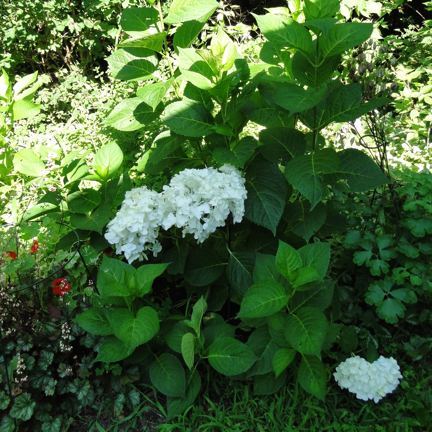
white flowering hydrangea
Blushing Bride white hydrangea (macrophylla)

Depending on how large your garden will be, or is, adding a central focal point such as a compact tree or larger bush would be a good idea.  I’ve never used tall, ornamental grass, but it can add character to the garden too.

Choose some type of garden ornament or giant pot to be the garden focal point or to add interest.
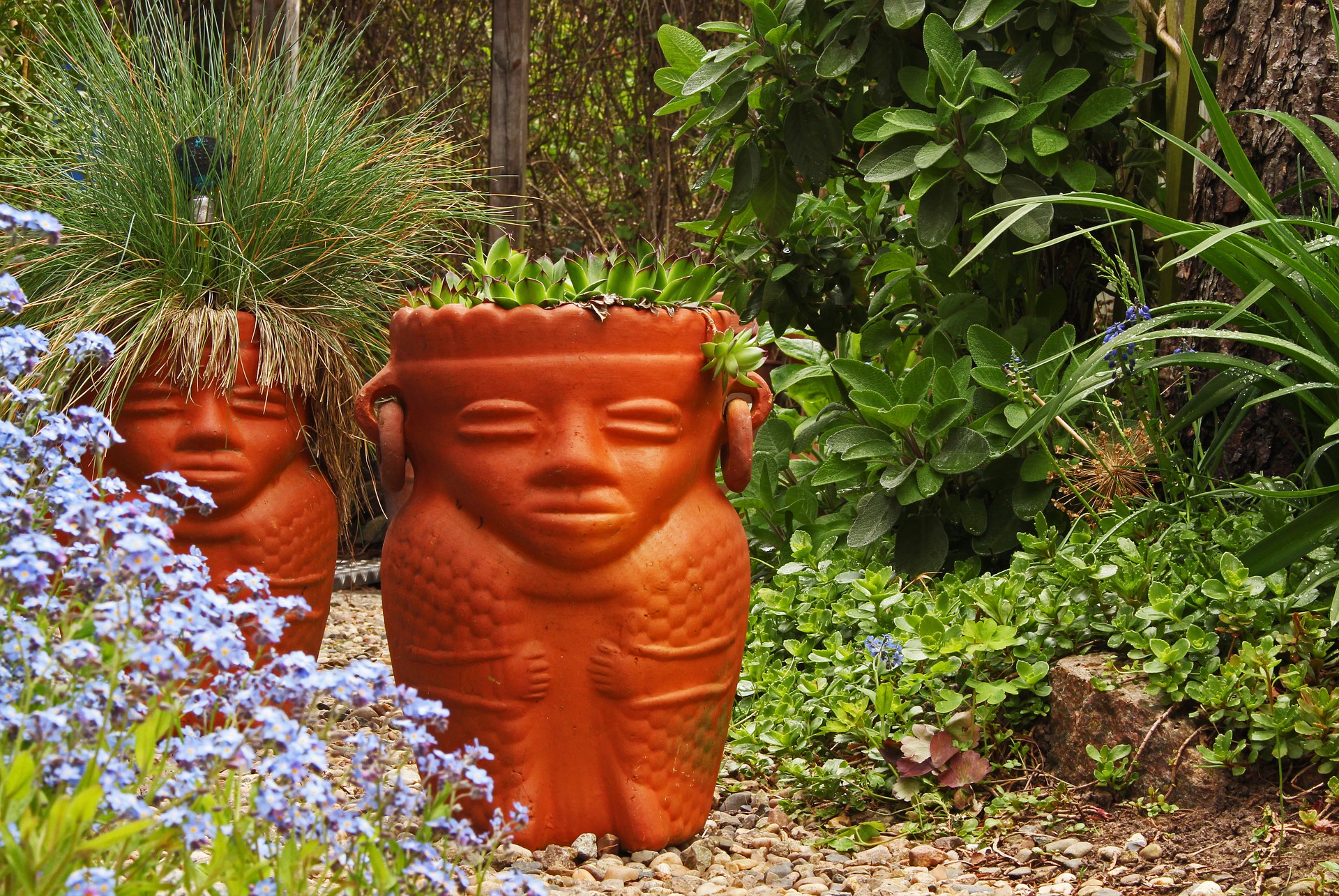
garden ornaments ornamental design focal point
Ornamental pots can be a garden focal point

The middle section could have some peonies (another favorite of mine) and stand alone asiatic lilies to add varying colors.  If you love roses, they could be planted in the middle section.

Just keep in mind the different needs of plants when you mix together a tiered garden, or any garden.  Roses need loads of sun, and good air circulation around their leaves.  They also need to be fertilized regularly.

When planting your tiered garden be sure to give everything room to grow.  It may look a little sparse the first year or two, but it can be filled in with annuals until the perennials grow up.

Pink and Cream Dried Hydrangea Bouquet

dried hydrangeas
Pretty Little Dried Bouquet

This little pink and white – or cream colored – bouquet of hydrangeas came from a shrub that was planted out near the woods in a house I once owned.

When I first moved to the northeastern U.S. from Florida, I didn’t know much about hydrangeas, or many northern flowering shrubs to be truthful. My new home had some very interesting and beautiful plantings, and I decided to find out what was growing in my yard.

Fortunately my next door neighbor was a big-time gardener himself, and his house was about 200 years old with huge flowering bushes growing all along the side of his yard. He came over and pointed out the Lilacs, hydrangeas and others for me, and between his help and visiting local nurseries, I finally figured out what I had.

The little hydrangea “tree” was (I think) a PeeGee and in the Fall the white flowers turned tan, cream and light mauve pink. So pretty! I cut a few and added them to a little vase and got a photo.

This little shrub was doing quite well neglected and tucked under a pine tree at the edge of the woods, so I might try growing one this year in my new, not-too-sunny, yard.

Taking a Lesson From An Old Garden

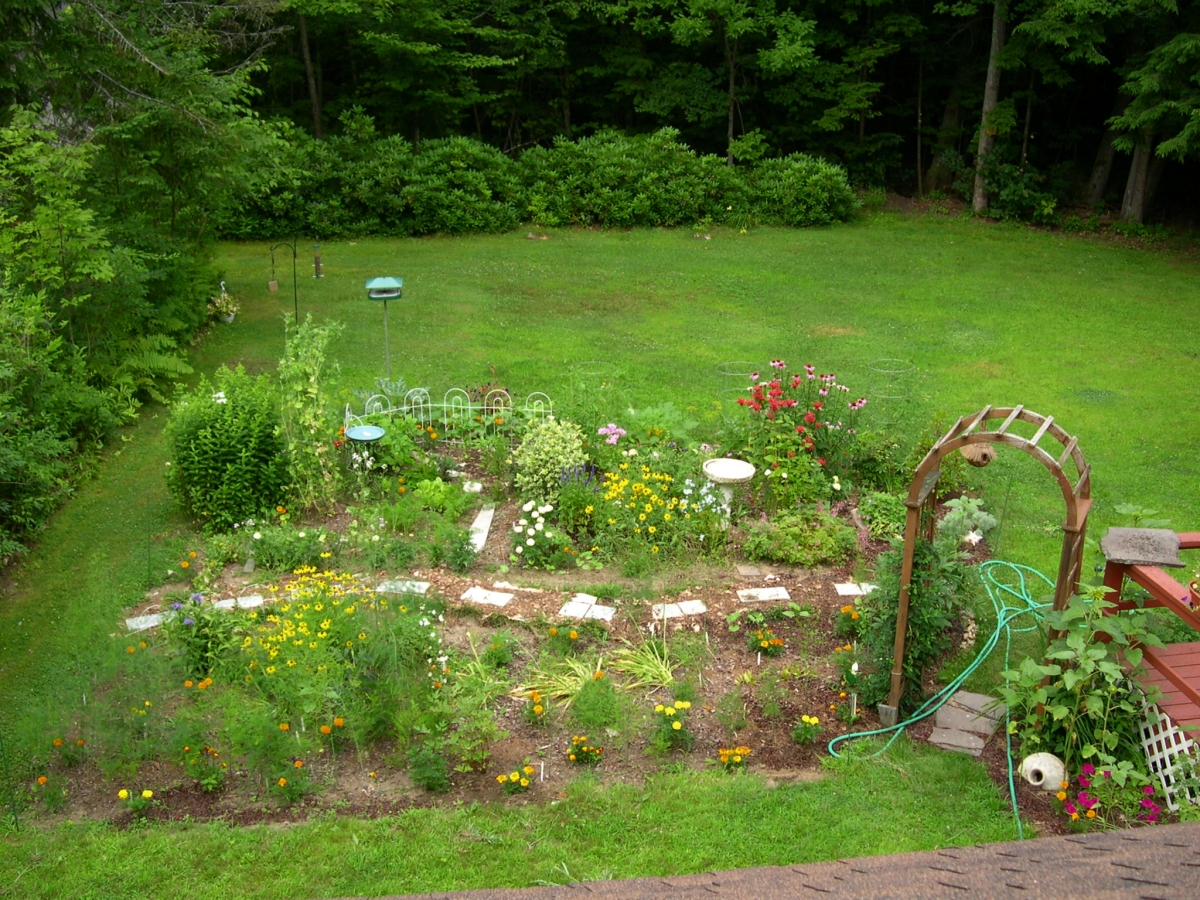
backyard garden
A Ready Made Garden

I was lucky to have bought a house that had at one time housed a gardener. The previous owners had already started gardens in the sunniest spot. They had planted an asparagus garden, many beautiful bulbs of tulips and daffodils, peonies, coneflowers and more. They had set up arbors and built a gazebo off the large deck to enjoy the outdoors, bug free. It really was great.

Along the edge of the yard near the road was a row of big forsythias that bloomed bright yellow in spring. The side yard was bordered by big purple rhododendron shrubs. That yard was fun to garden in. I expanded and added my own flowering shrubs to the already lovely landscape. When I moved in I really just needed to do some maintenance – like lots of weeding – to make the yard sparkle.

Unfortunately, instead of growing old in my home, disaster struck and I only had two years to enjoy that place. But it taught me a lot about what will grow in this area and I’ve longed for my own yard again to duplicate what I used to have.

I just moved into my own place over this past summer, and although I did plant a few things – daylilies, tulip bulbs, peonies, small hydrangeas and a rhododendron, I know the yard will be sparse come summer.

It’s sad for me to look at the photos from my the yard at my old house, and when I think of all the work I put into the place, I can only hope that the people living there are enjoying it as much.

My hope now is to transform this barren yard (where I now live) into something beautiful. The land is not as good. The yard is fairly small and surrounded by trees, which means less sun, so it will be a challenge. We’ll see what happens.

How did I take this photo? The house had a big skylight and I stuck my camera out to get this shot of the yard. 😉

The Winter Bouquet Sans Hydrangeas

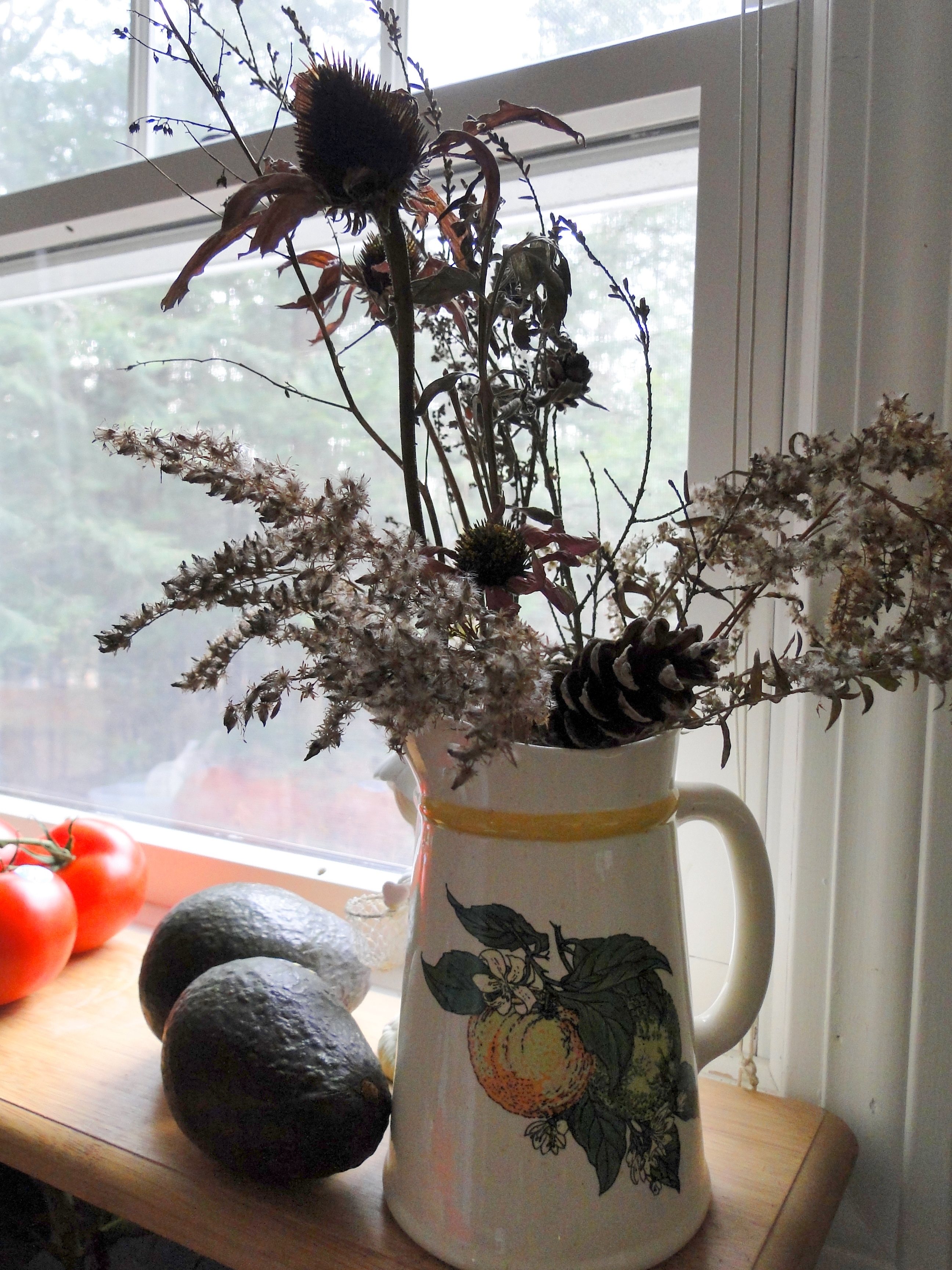
Dried flowers and weeds bouquet
Fall and Winter Bouquet

I’ll have to dig out my old photo of some dried hydrangeas I had years ago when I first moved to the northeast. The house we bought had the most amazing plants and shrubs growing all over. It’s where I learned about what grew in the north as opposed to the Florida plants I was used to growing.

The yard had a big wisteria vine covering an arbor. It never bloomed while I lived there (only 2 years), but it was amazing. There was a hydrangea tree which got pretty white flowers on it and they would dry up at the end of summer and become pretty shades of tan and pink. I’m pretty sure it was a Pee Gee hydrangea.

I have a photo of those dried flowers somewhere, but this winter I have to make due with my dried flower bouquet without hydrangeas.   It has some weeds, coneflowers, grass and a pinecone.

I can’t wait to have hydrangeas growing in my yard – and other flowers. I miss having beautiful gardens. It will be a lot of work, but I know that if God gives me the time and abilities, I will make this yard into a stunning showcase! Winter is a time to rest and plan. And I have big plans!

She Liked My Hydrangea Pictures!

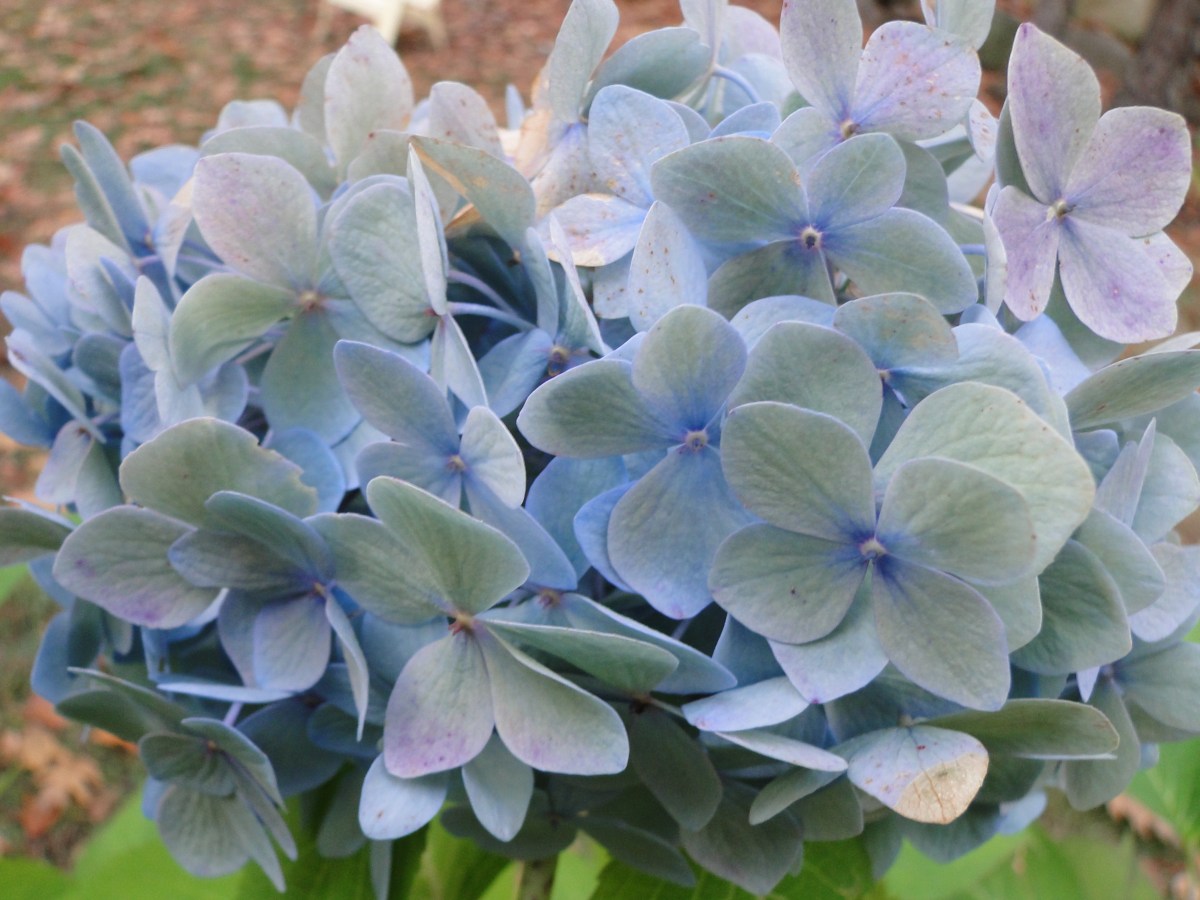
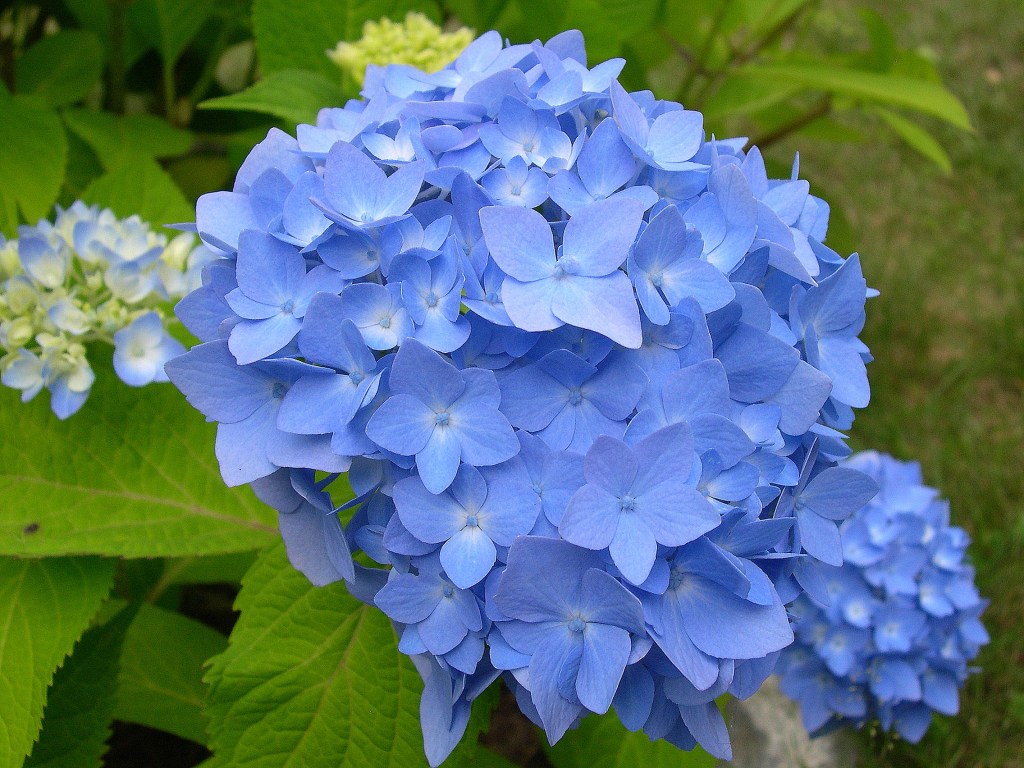
blue hydrangea photo
Blue Hydrangea photography by P. Carter @ Hydrangeasblue.com
If you have spent any time uploading photos and artwork on the internet, whether for pleasure or work, you have probably run into unscrupulous people who grab your images to use on their own sites.

Sometimes they only want the image to draw readers, because the image is a good one, or related to the writing. I don’t have a problem with that if the writer asks permission or at least links the image back to me. I’ve had a few people contact me to ask to use my hydrangea photos. And I’ve had others simply take the images – usually with links back, but sometimes not.

WordPress offers a “reblog” option where someone can re-blog the entire post from one blog to their own. It can be turned off by the blogger. I have re-blogged from others, but I always ask permission first. Even without permission, it’s a good thing to have your blogpost show elsewhere to further readership, IMO.

The use of images is what bothers me. I’m a designer for an online print-on-demand site and I’ve had my design images stolen and then put up for sale at Amazon by downright dirty rotten thieves. They know what they are doing and they steal from lots of people to make a quick buck. The owner of the artwork must then spend lots of time filing notices to get their stolen property removed. And that doesn’t always work either. I’m betting that I will still find lots of my images for sale on Amazon. I get tired of looking.

Some internet users are simply ignorant of the ways of using images. Pinterest tends to have beautiful images with no links, but that is not the only place.

Bottom line is photos, illustrations, pictures in whatever form, came from someone. Give credit where credit is due. When you see something you like online, make sure it is free to use for yourself. Contact the owner if possible, or better yet find free to use images at sites like Pixabay, where all images are safe to download and share.

Do you like my hydrangea photos? Please do what is right.

Out of The Box And Into the Yard – Mail Order Perennials

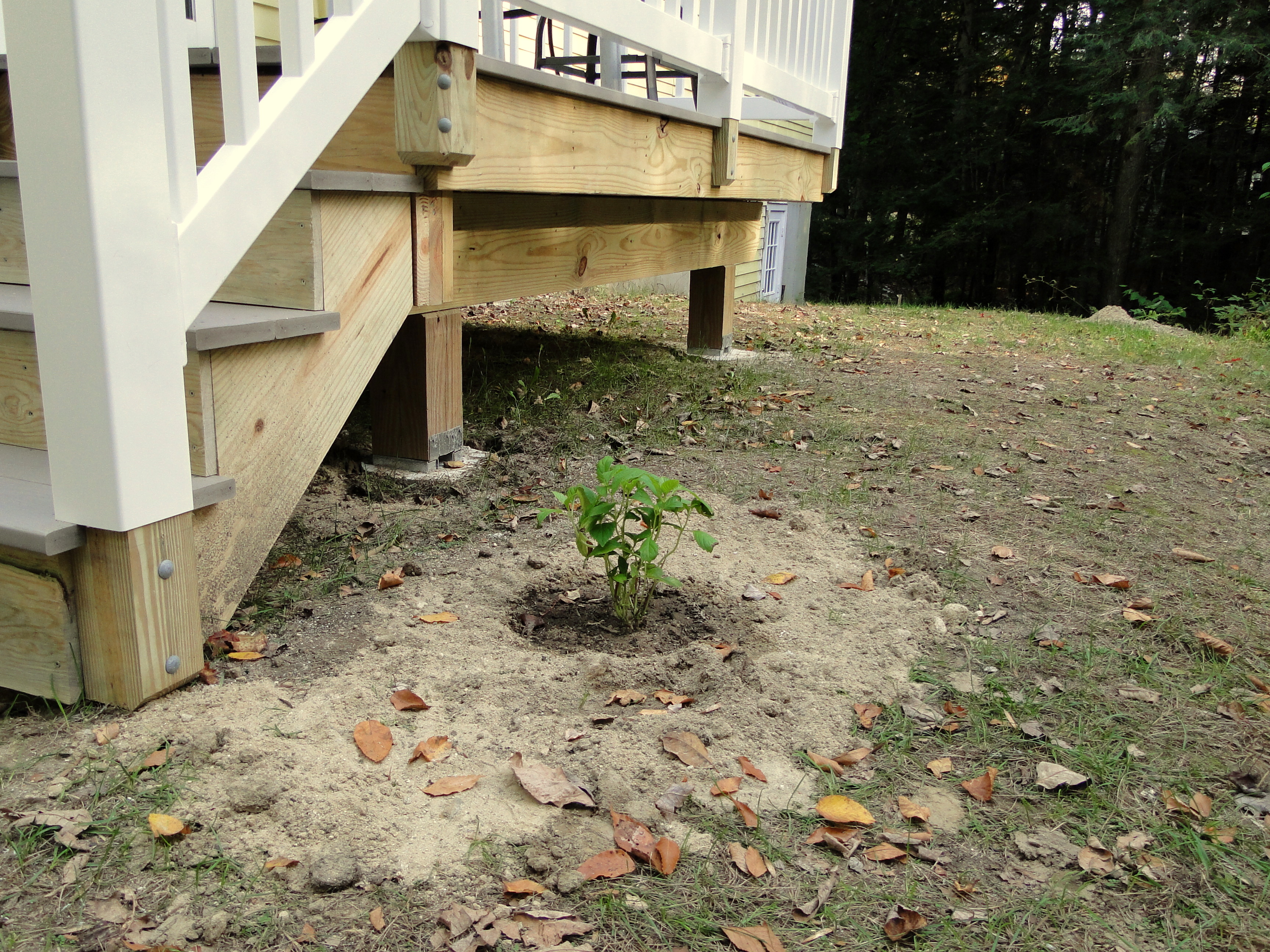
New little hydrangea plant
One of The Hydrangea Plants

I was impressed with the packaging of the perennials I had ordered from American Meadows, and even though they were a little droopy, they bounced back.

Both Hydrangeas are planted in the backyard where they will get sun and the forsythia is out front. Unfortunately we got a freak 2 feet of snow the end of October, so they hadn’t been in the ground for long before they were covered. One of the long stalks of the forsythia broke off so it’s pretty small now, and the hydrangeas are droopy and partially broken. (The photo was taken before the snow – which may seem obvious, but the snow has all melted now).

I ordered from an online store because I was anxious to get my gardening started here at my new place, but I have my doubts as to how well these plants will do once Spring arrives. And more importantly, how much will they grow. I will be saving up this winter to buy some local hydrangeas and probably more forsythia so we’ll see how much of a difference it makes as far as growth.