Wins and Fails This Summer in the Garden

It’s July and gardening in Florida has slowed, but some things are obvious wins and some are fails.

My first time seriously trying to grow vegetables and annuals through a Florida summer. I’ve purchase plants and seeds, and transplanted seedlings. A lot of work has gone into my garden area. Some things have done very well, and others are fails and best to be forgotten!

Some things I am still up in the air about.

First, The Wins

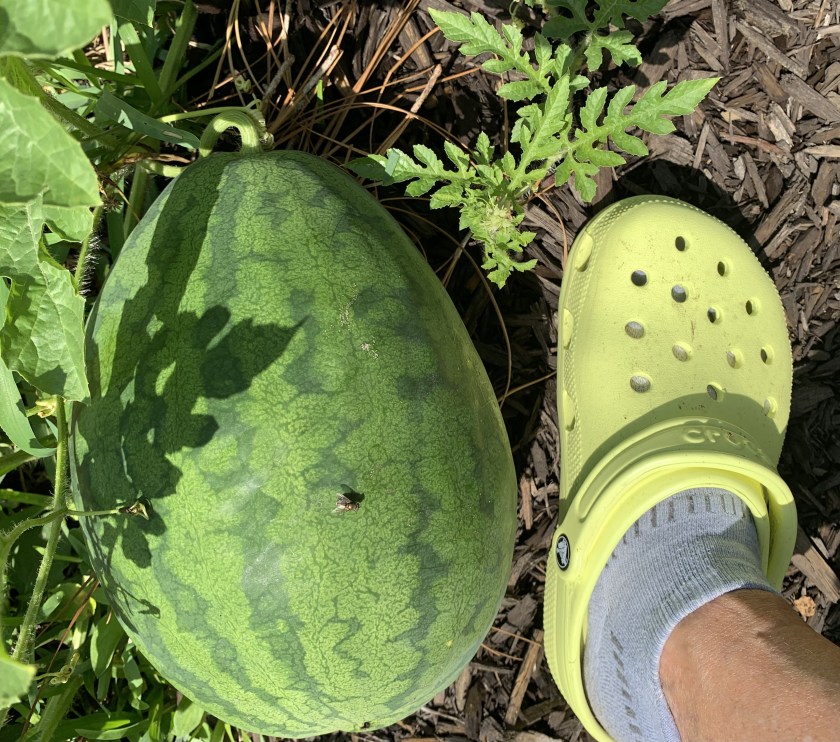
Watermelon is at the top of my list for wins. I have harvested three, edible melons. They grew from direct planting and I would have had four, except that the raccoons got one. The vines had no problems, even though I wished I’d had more space for them. These were Strawberry Watermelons which are good for growing in southern locations.

Watermelon

I picked the melons the end of June, and now, mid-July, I have another tiny melon on one of the old vines. Also, new vines are sprouting from the original, so I’ll see what happens.
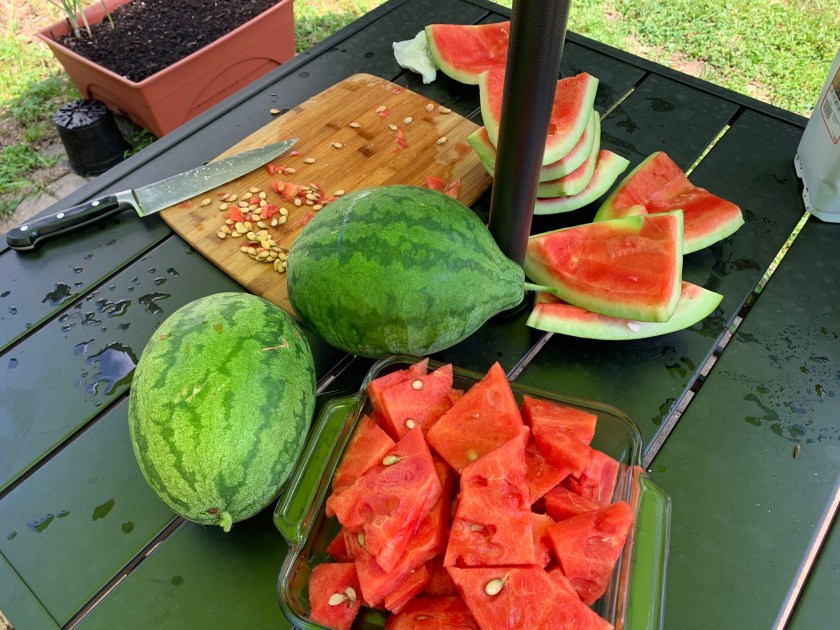
watermelon preparation outside
watermelon next to foot
Garden watermelon

Eggplant

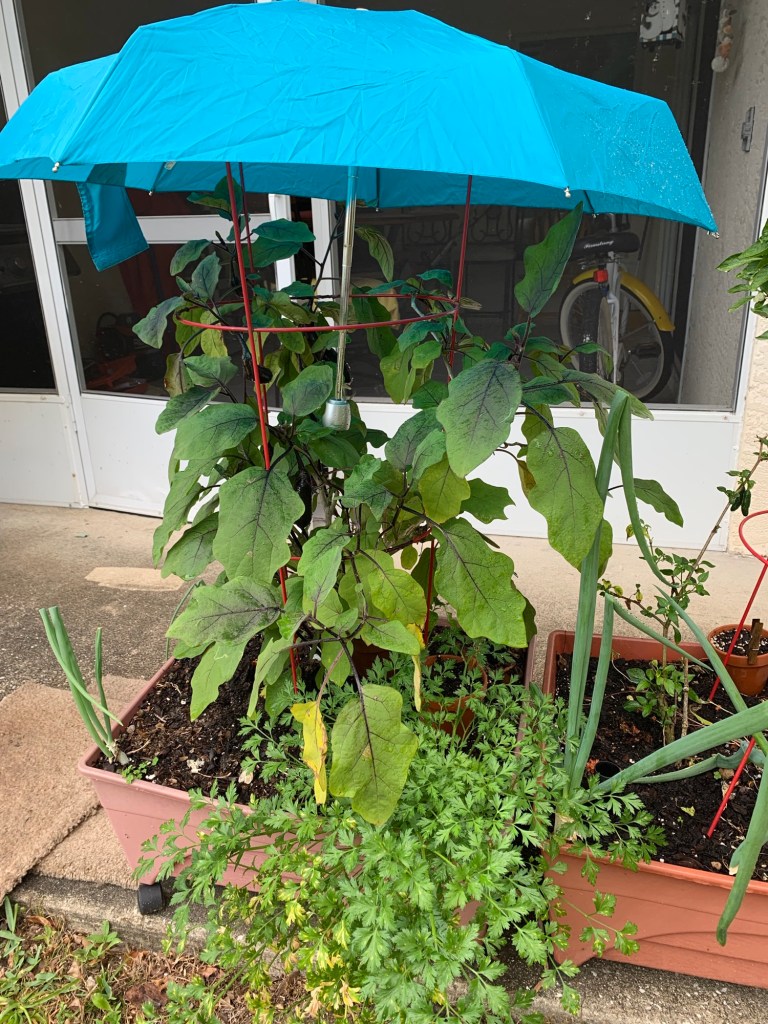
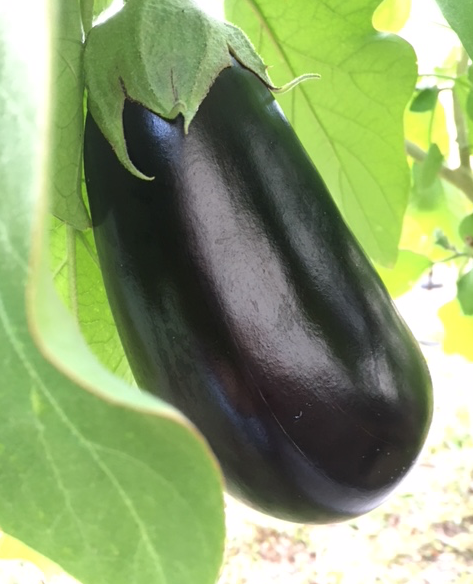
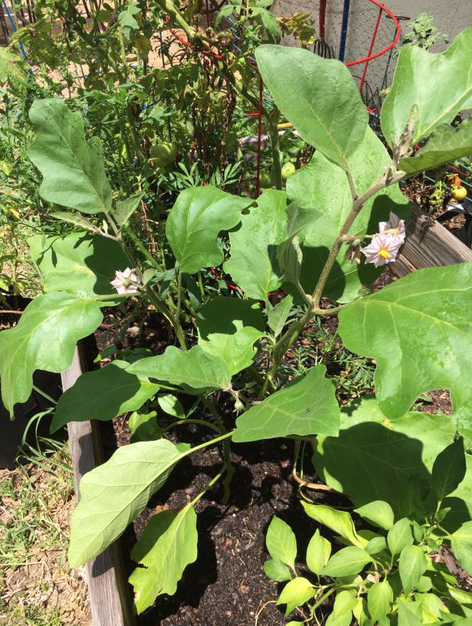
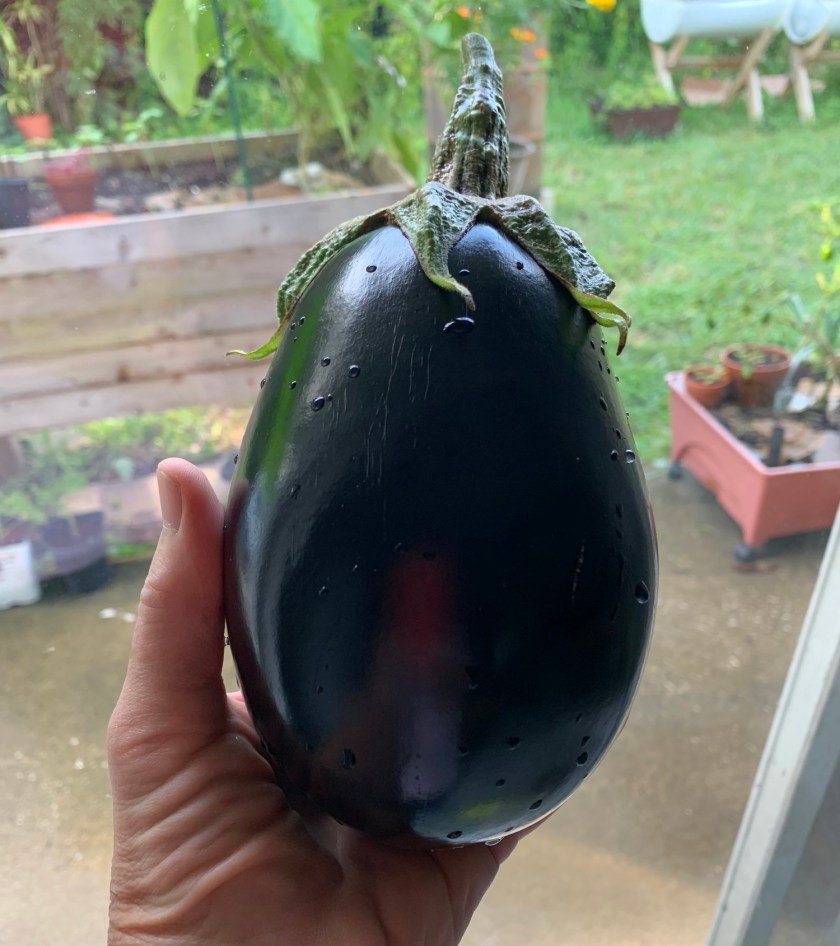
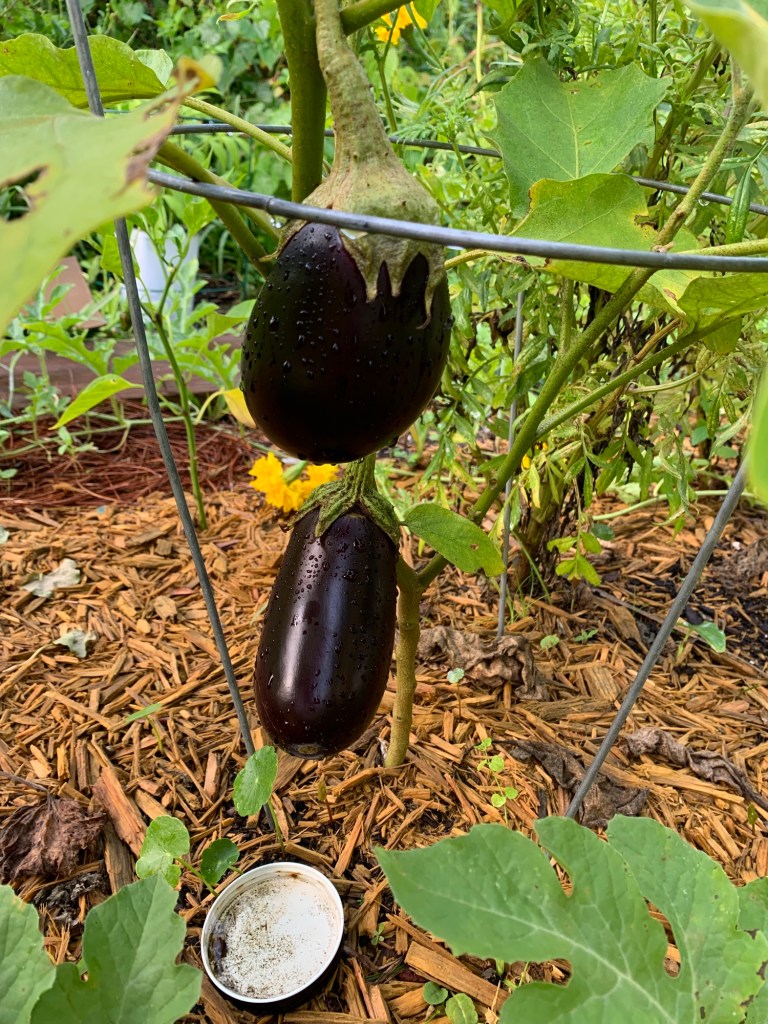
I’ve grown eggplant for a few years now. I had one plant that grew and grew and seldom ever gave me eggplants to eat! Eventually I cut it down. Now I have about five plants growing in various locations and have been eating eggplant regularly.

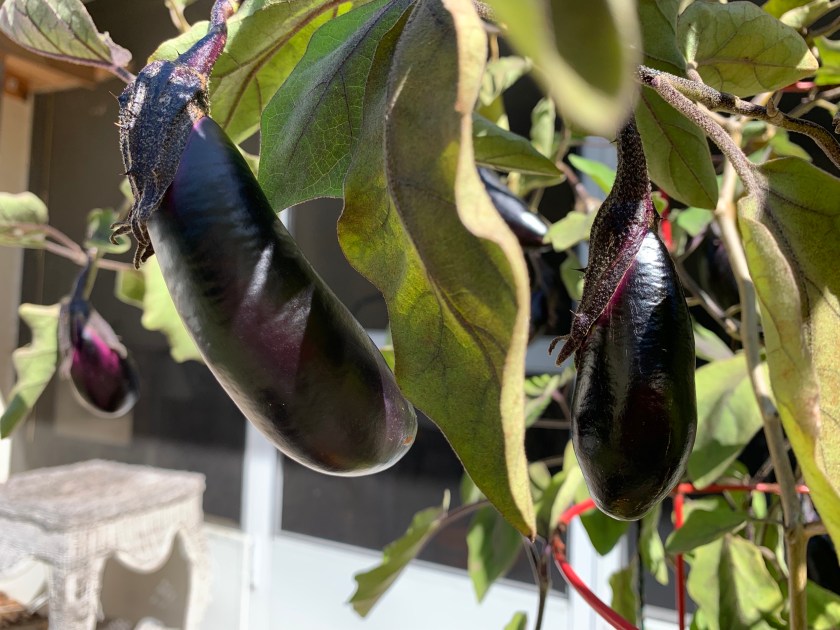
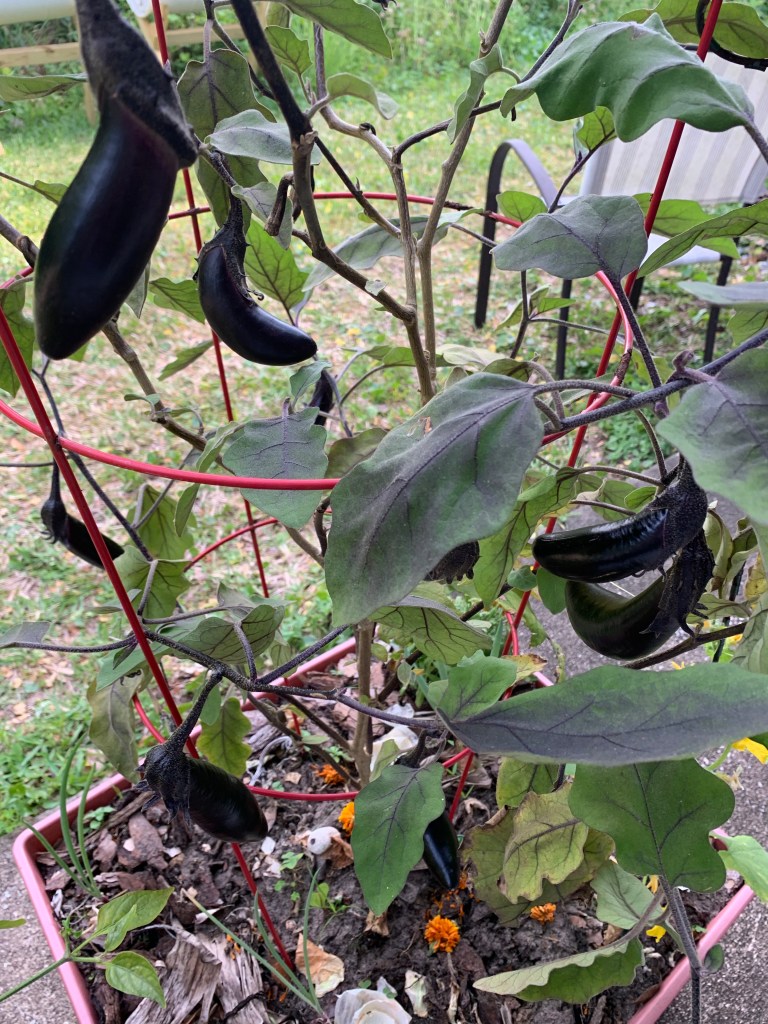
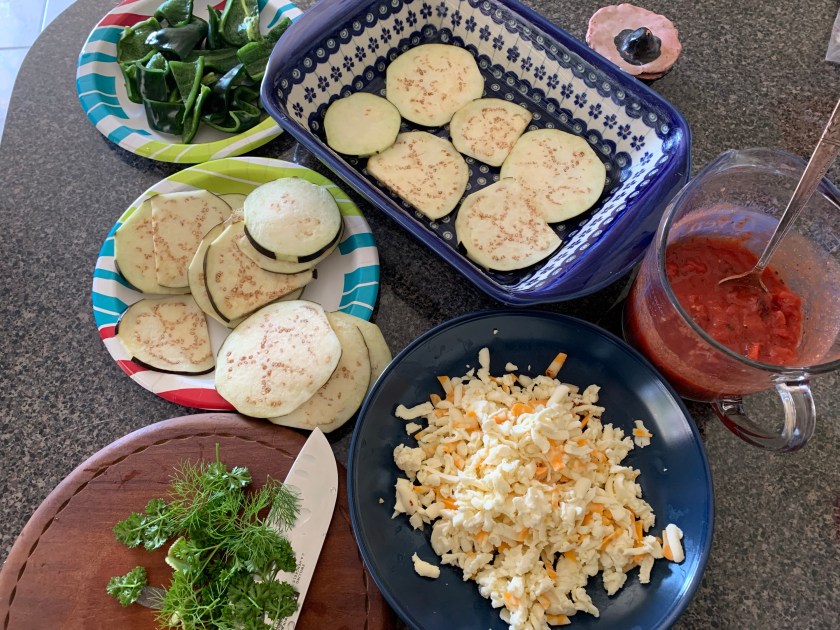
The small, Japanese eggplants are eaten fried in a pan. The larger eggplants are usually baked. *By the end of July, eggplants have pretty much stopped producing.
  • eggplant courgette
  • Eggplants growing
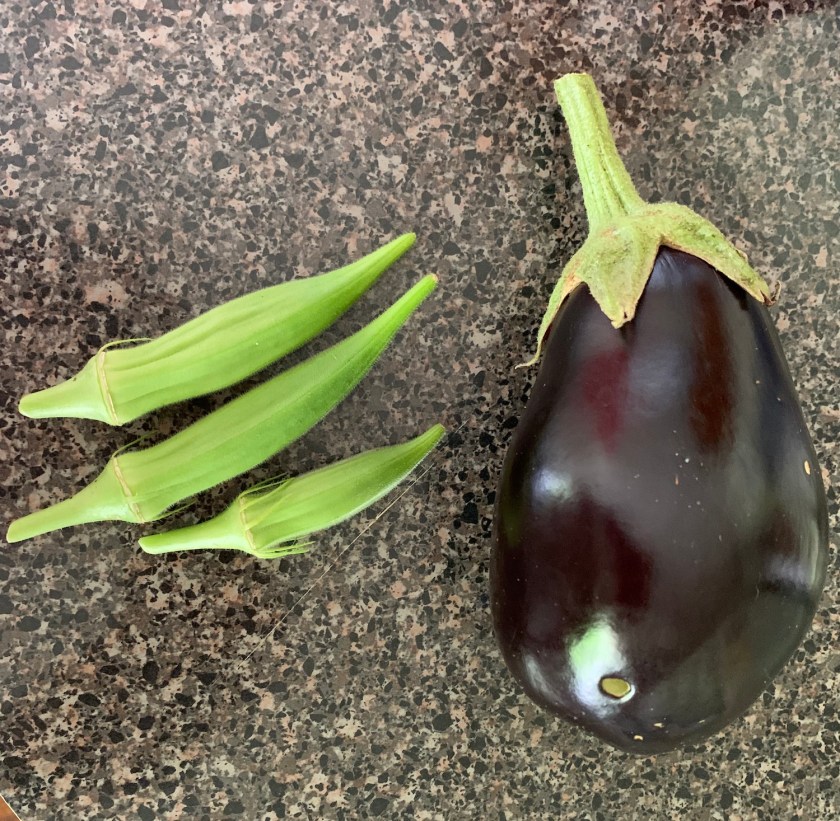
  • Okra and eggplant
  • eggplant umbrella shade
  • Japanese eggplant growing
  • Japanese eggplant plant
  • baking keto eggplant casserole meal dish recipe
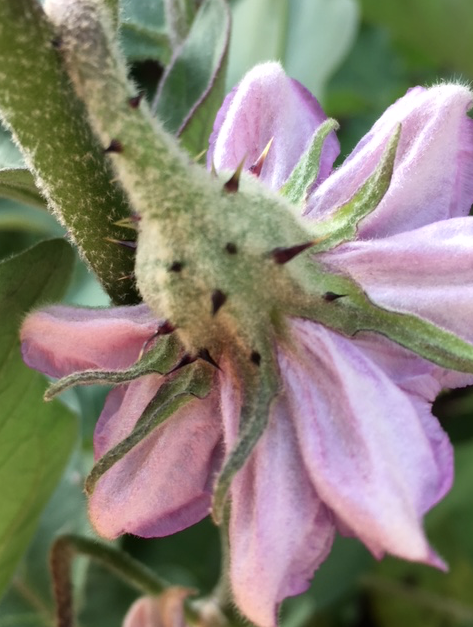
  • eggplant flower
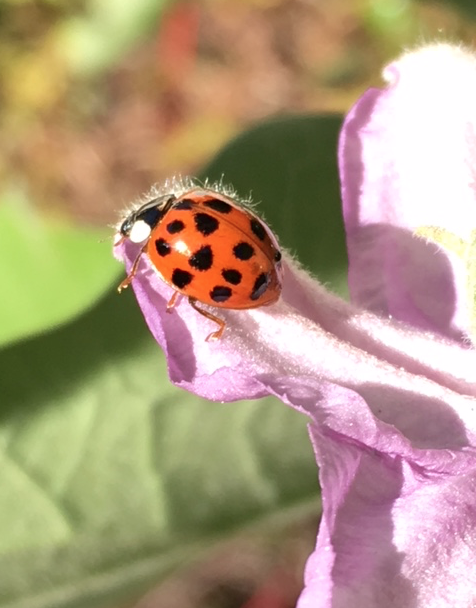
  • macro lady bug beetle on purple eggplant flower
  • Eggplant growing
  • eggplant

Okra

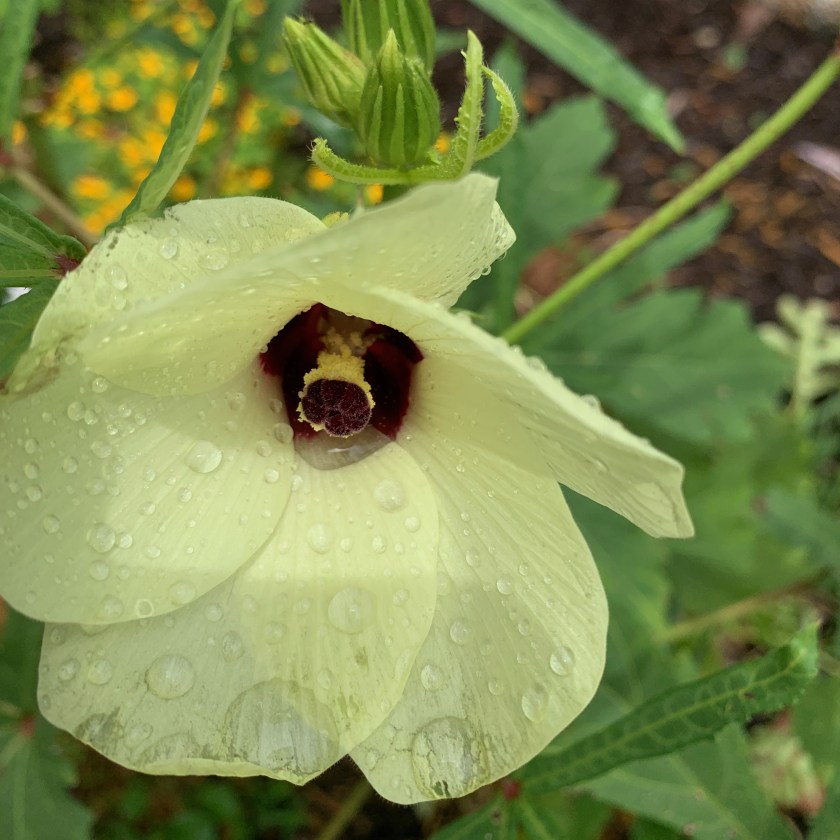
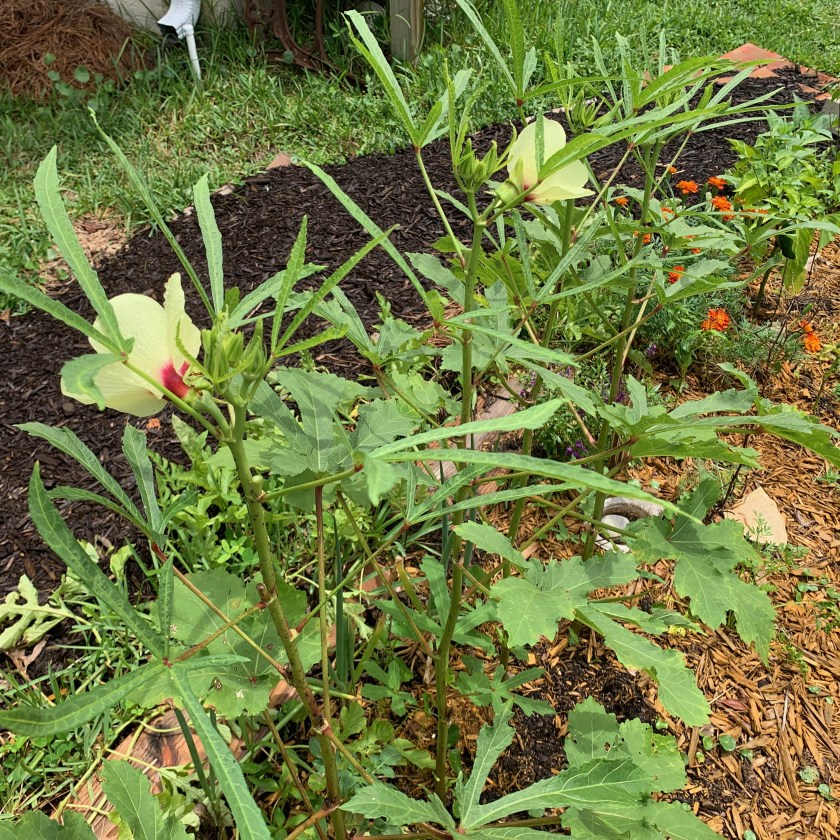
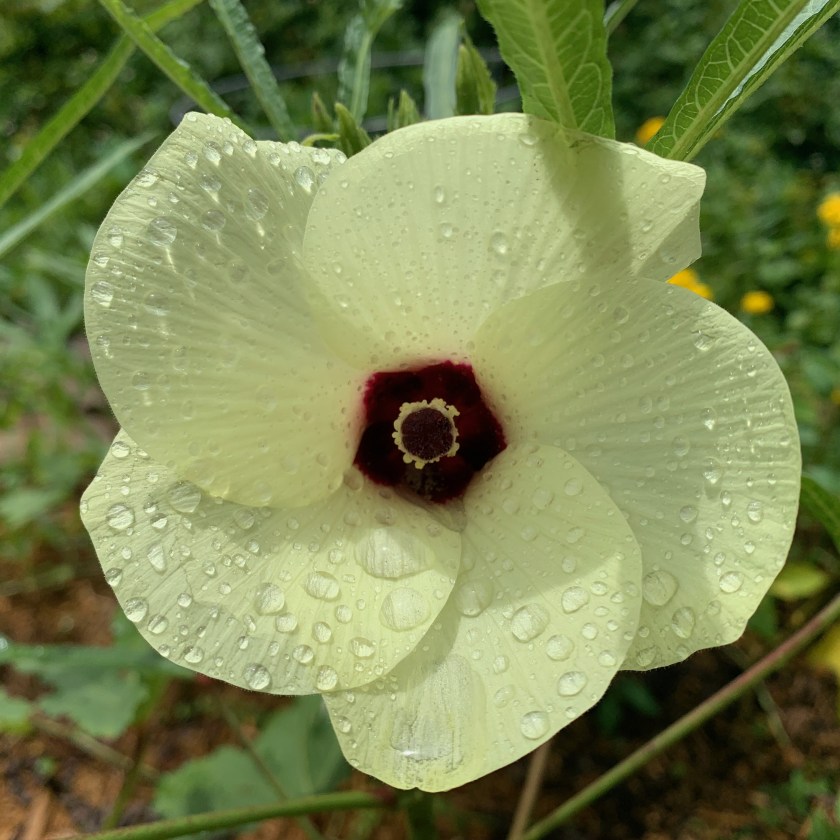
I planted okra seeds into the garden and then thinned them once they began to grow. They grew fast, have had no problems, and are hardy. The flowers are very pretty, but don’t seem to attract butterflies or bees. The problem is, I’ve discovered I don’t really like okra!

I was picking a few okras a day and slicing them to fry and eat with lunch. But the slimy, sticky okra just turns me off.🤮. I want to grow food I like, and I don’t like okra. I’ve begun cutting the plants down to add to the composter. But, I’m letting a few okra pods get big and dry out for seeds. A friend wants them.
  • Okra and eggplant

Moringa Trees Looking Good

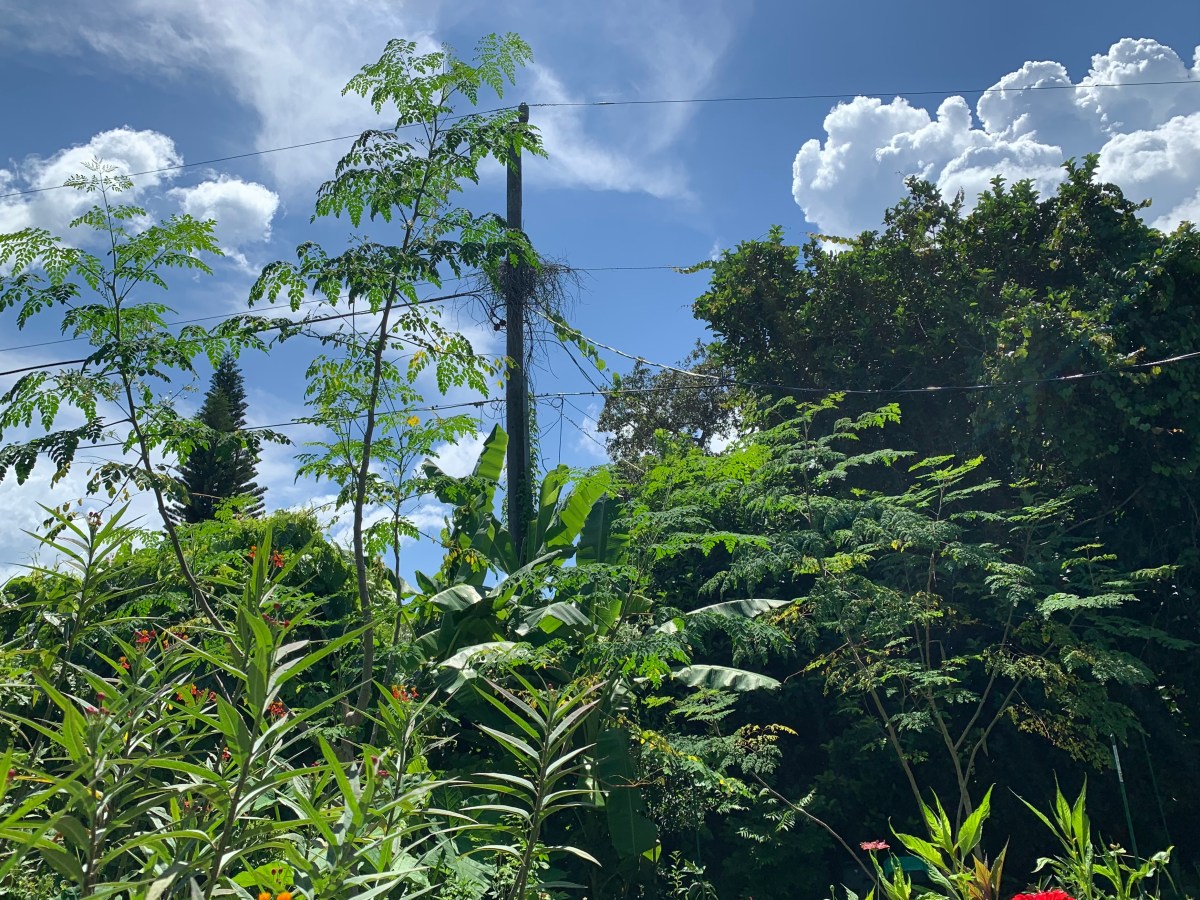
Two Moringa trees grown from seed are planted in the back corner of the garden and look good. I love their lacy leaves.

Moringa tree small
The Moringa is growing well

Flowering plants – Good and Bad

Tiny yellow flowers on plant
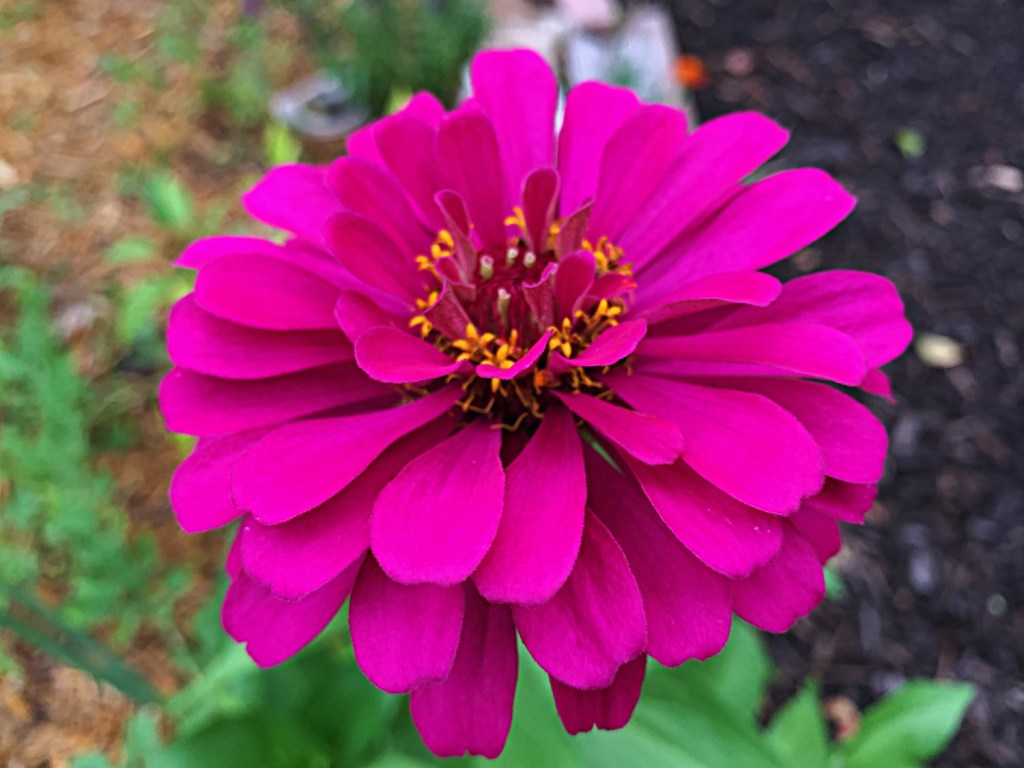
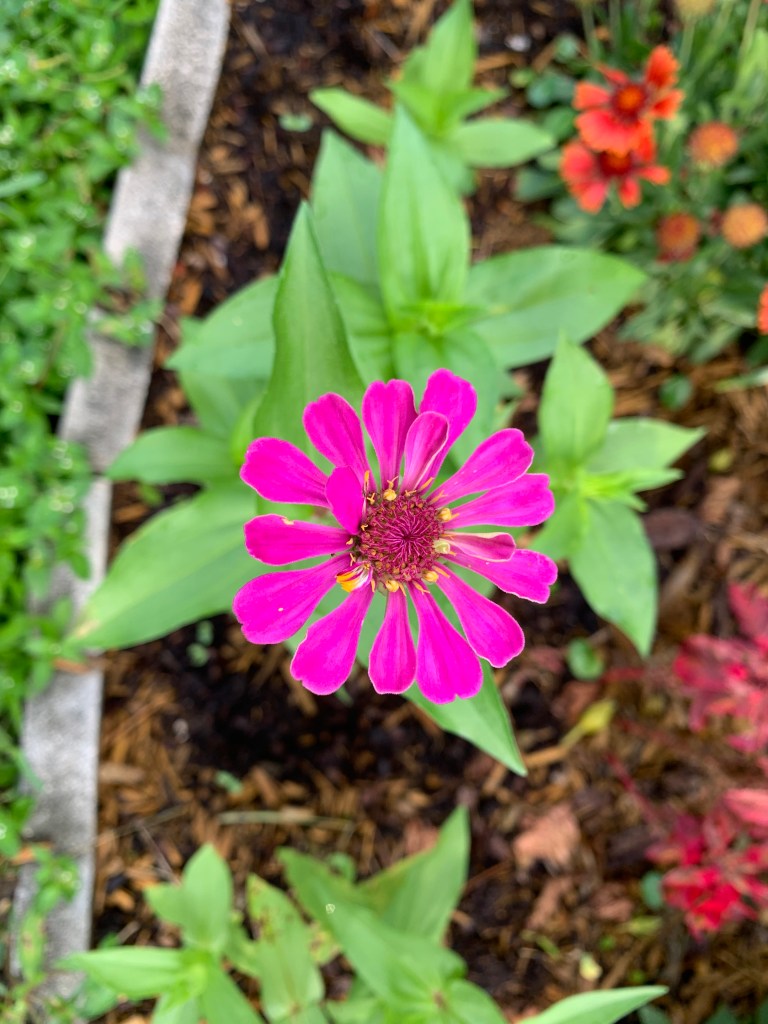
Pink zinnia flower
Zinnia
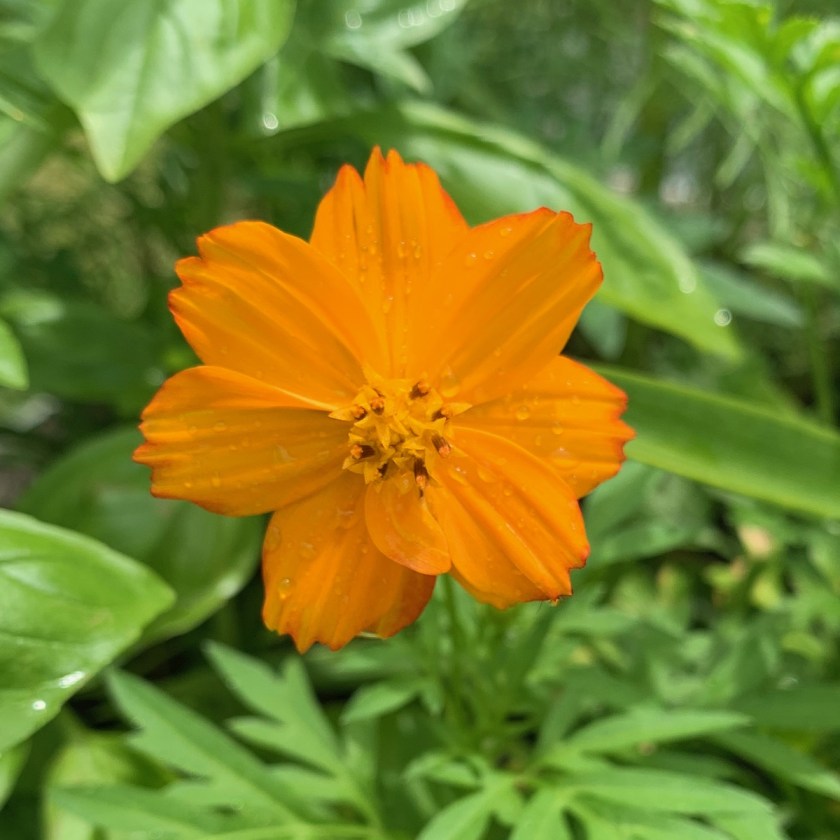
orange cosmos
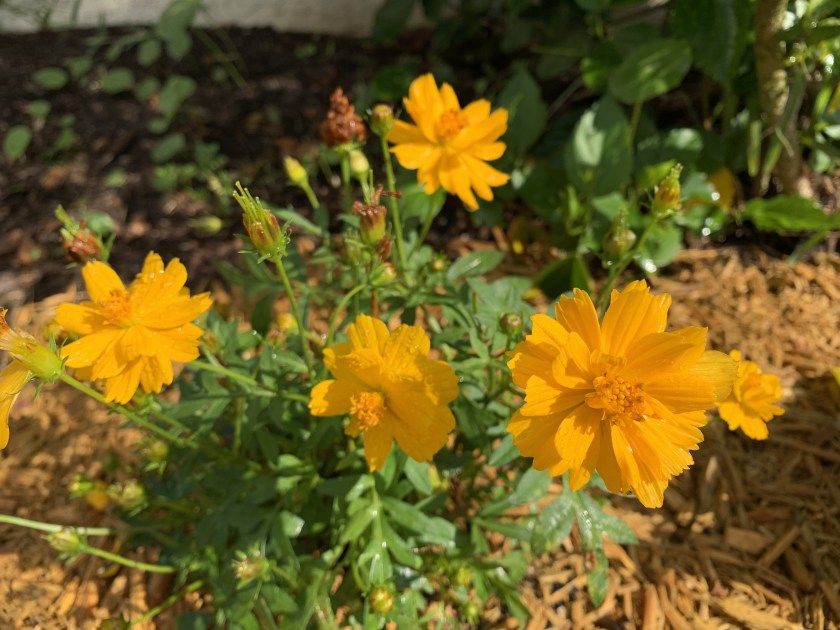
New cosmos from original yellow

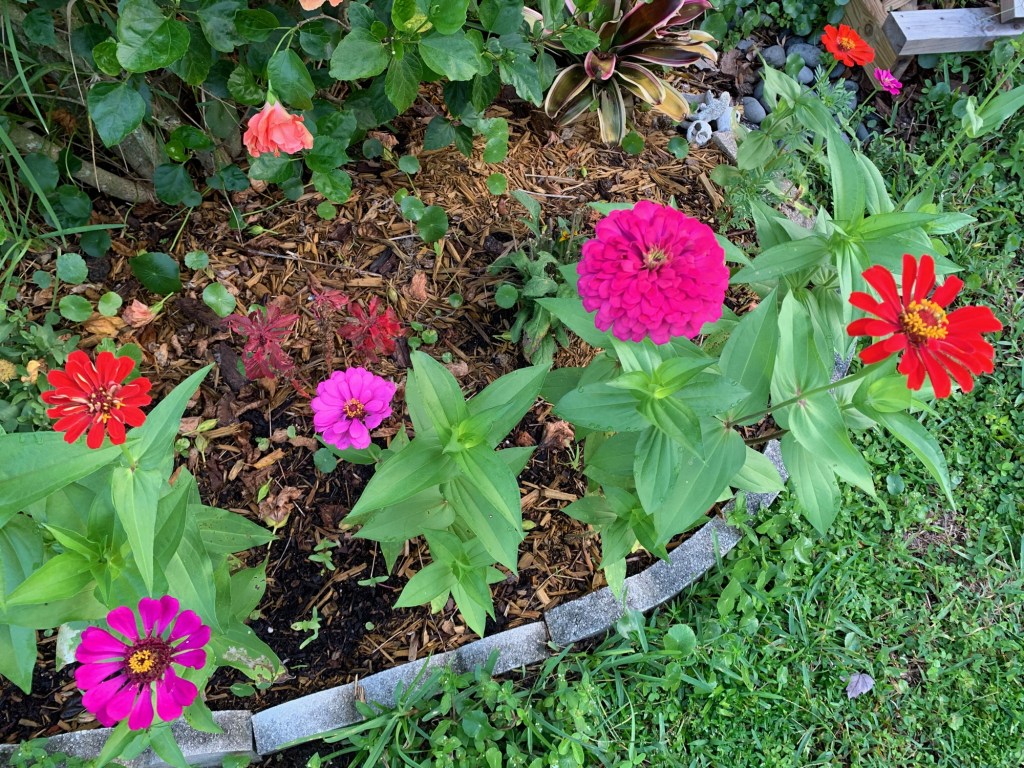
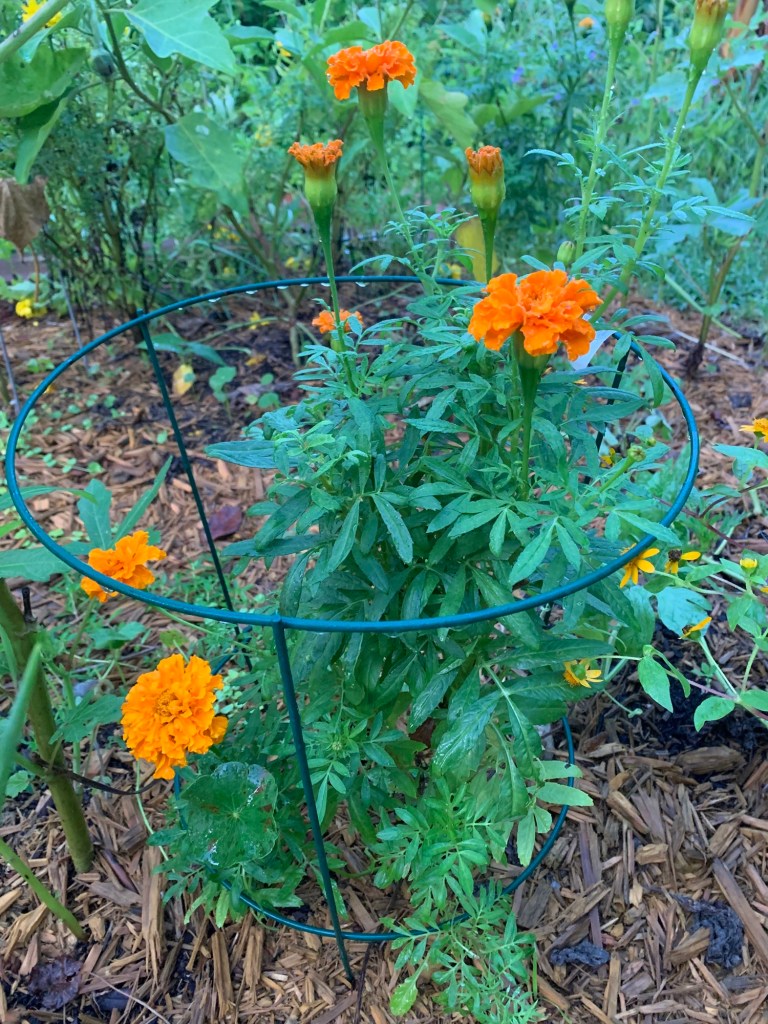
New to the yard this year are the yellow cosmos, zinnias, Rudbeckia, Gaillardia, seashell cosmos, nasturtiums, and Amaranth. Marigolds also grew again, and they are always dependable, but *did begin to fall over and split by July.
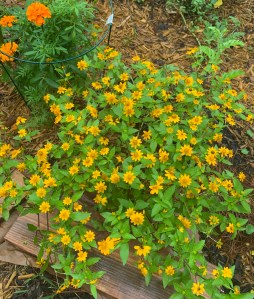
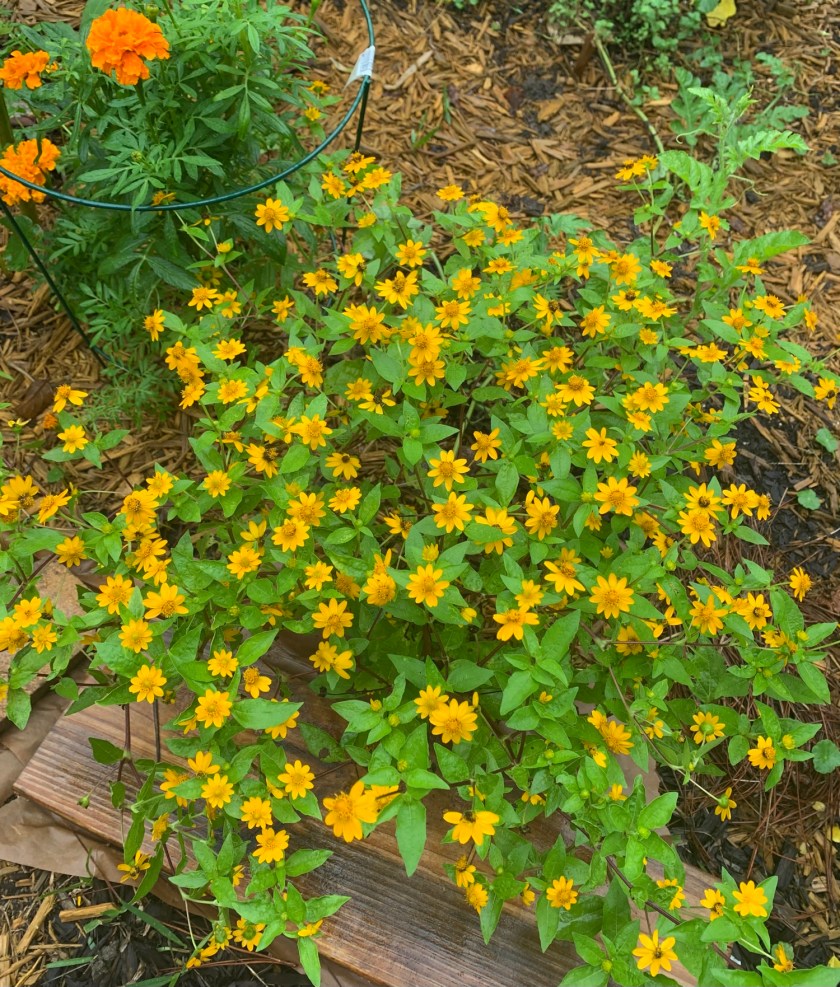
Tiny yellow flowers on plant
Melapodium

A delightful reader of this blog was kind enough to tell me the name of the yellow-flowering plant above. It is a Melapodium, and it grows well in hot climates.

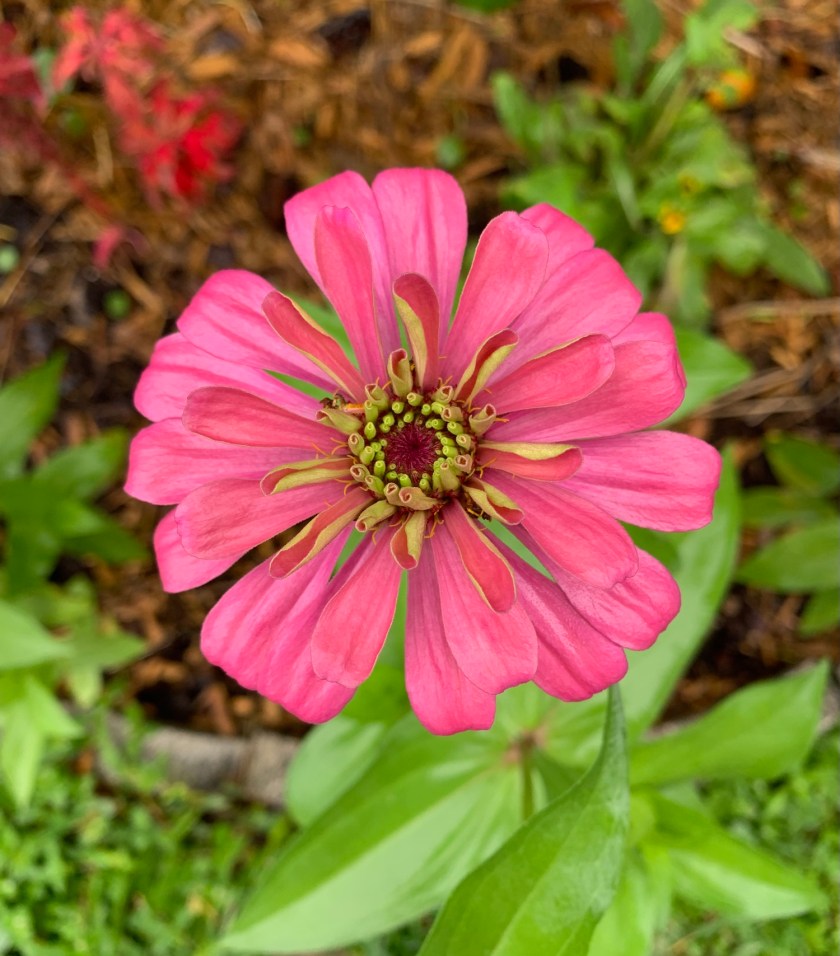
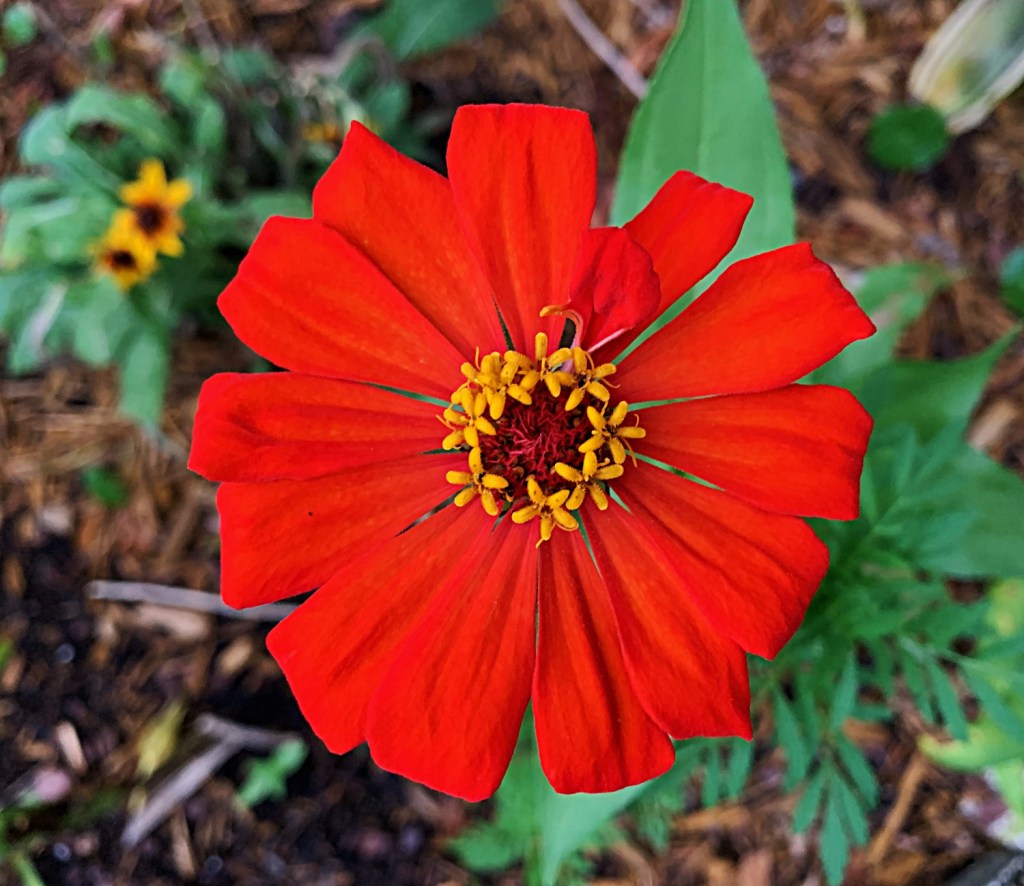
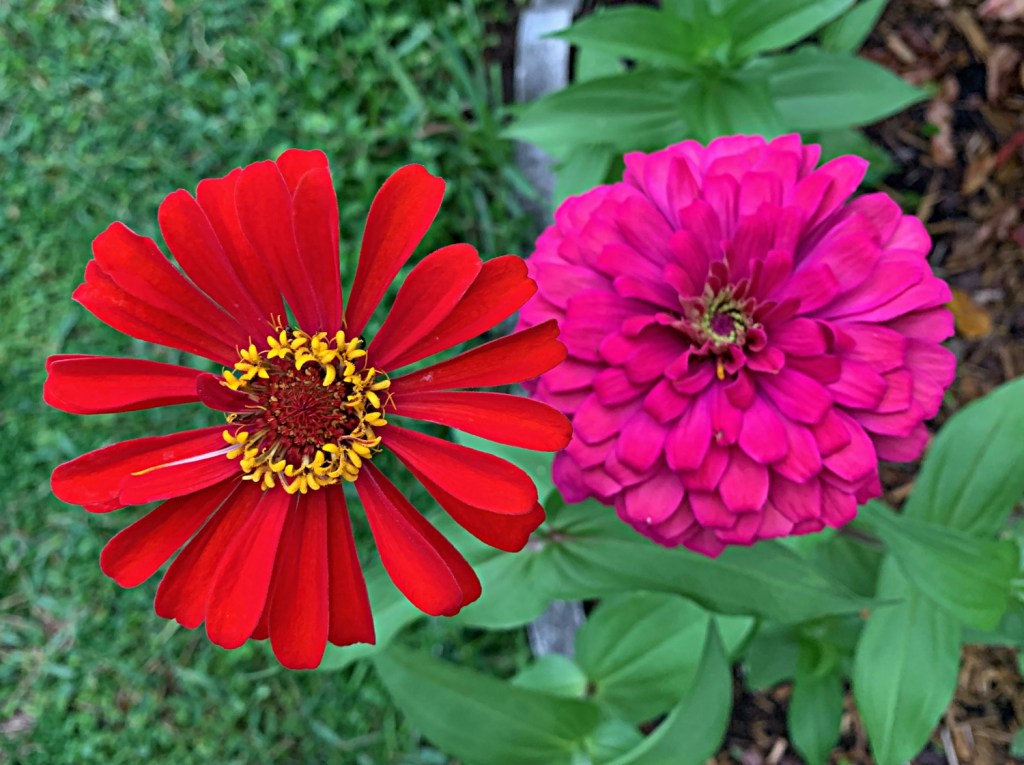
Of all of these flowers, the Zinnias are an absolute win.
Rudbeckia did great for a while, but the heat brought bugs and I had to cut the plant way down.

The yellow cosmos, which has very different leaves from the frilly leaved cosmos, didn’t do well, but the seeds I collected from it, and threw into other gardens, grew great! So, maybe the original plant was not in a good spot. Now I have lots of new little plants growing. One of them is producing orange flowers. This flower has a remnant of its original yellow as a stripe on one petal. See the original plant in the slide show below.
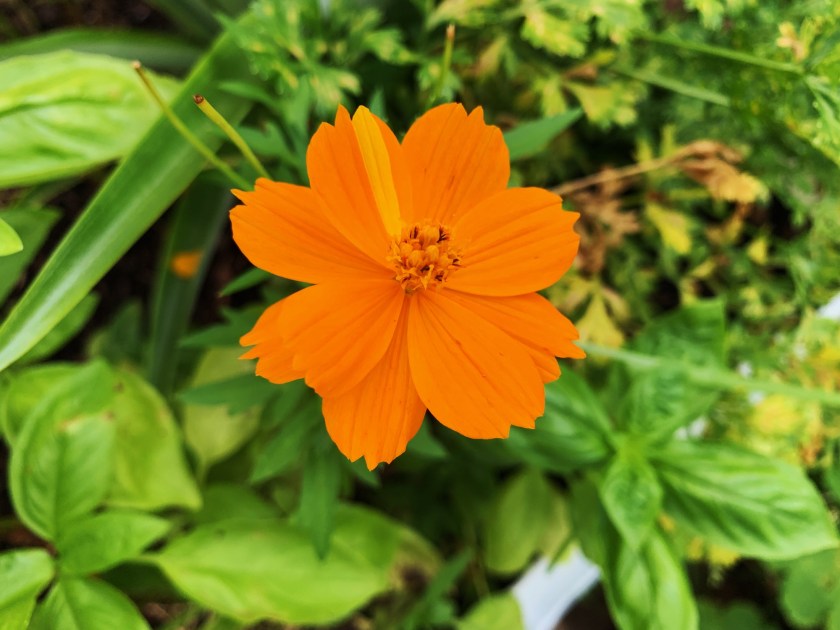
orange cosmos flower
Orange flower, from yellow plant seeds

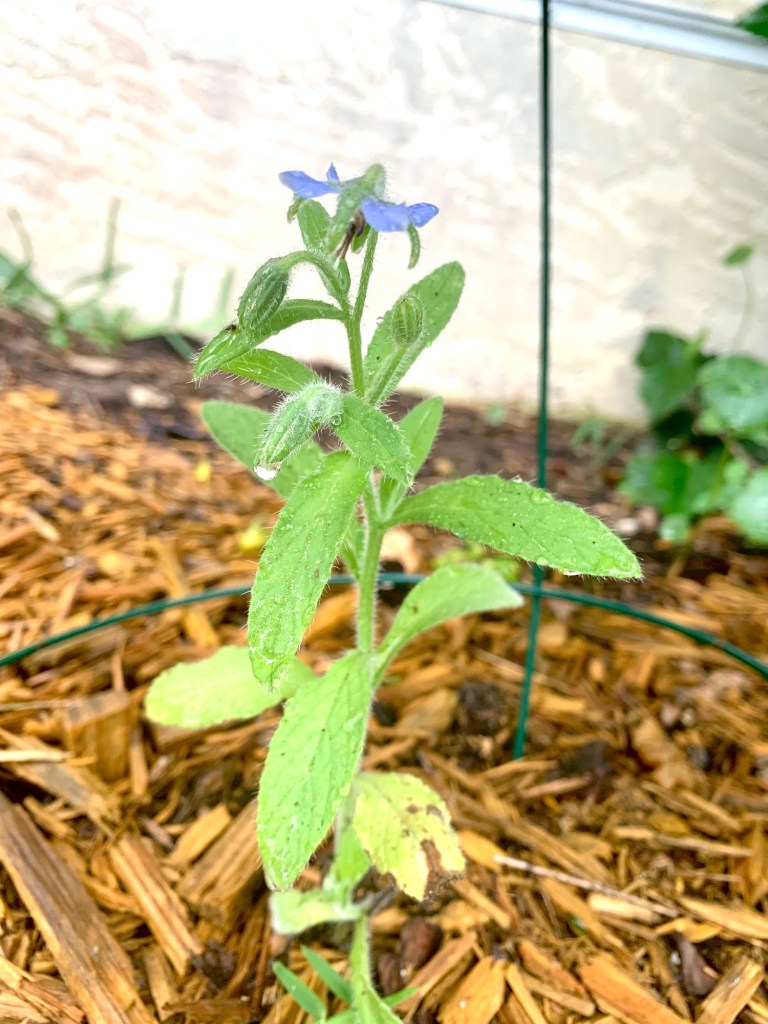
Borage hates the sun and heat, so I have covered it. Nasturtiums did horrible. Amaranth has done nothing, so I’m not sure yet if it’s a win or fail.
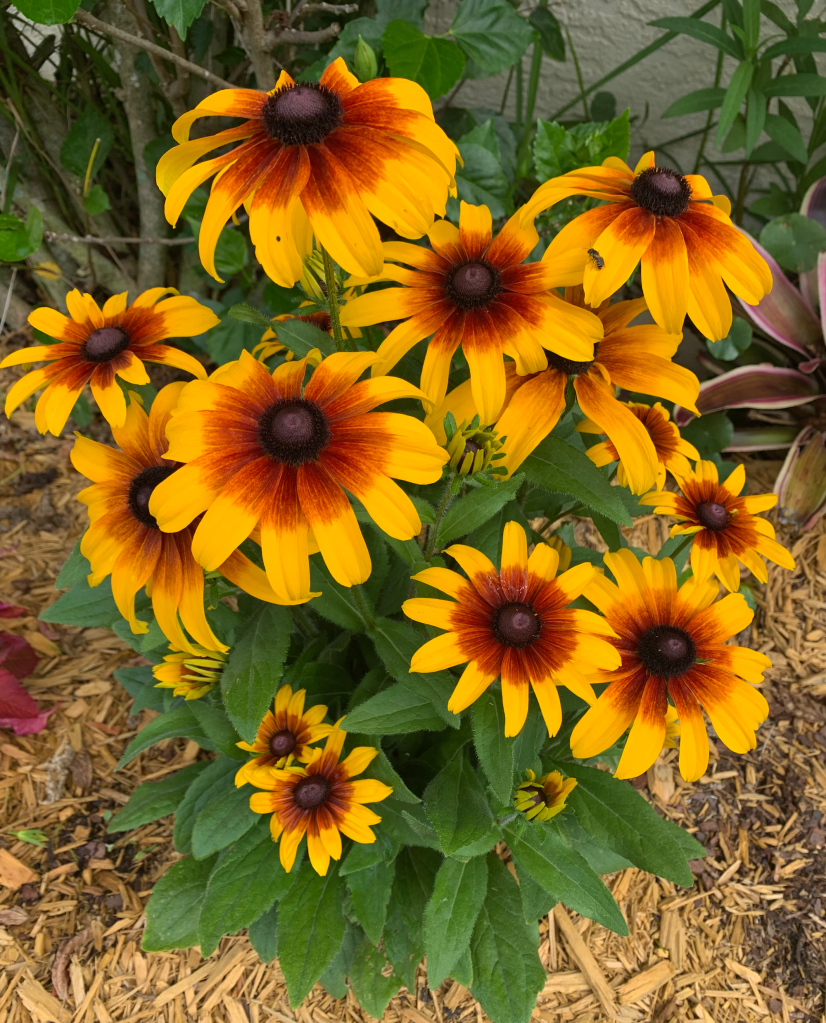
  • rudbeckia or black-eyed-susan
  • Zinnia
  • Pink zinnia flower
  • yellow cosmos plant
  • orange cosmos
  • Short cage for flowering plants
  • Borage
  • Tiny yellow flowers on plant

Now For the Fails

My vegetable fails for summer were tomatoes and Swiss chard. I had grown a bunch of cherry tomatoes, but really wanted big tomatoes. I KNOW they don’t like the extreme heat. But, I had one plant already growing so I planted it. The plant is looking great, but no fruit is forming. I’m going to let it grow and maybe it will get tomatoes in a couple of months.

Here’s the tomato plant behind a couple of sunflowers. Tomatoes are suppose to be planted in February here, I believe. That way they are all done by the time the real heat arrives.
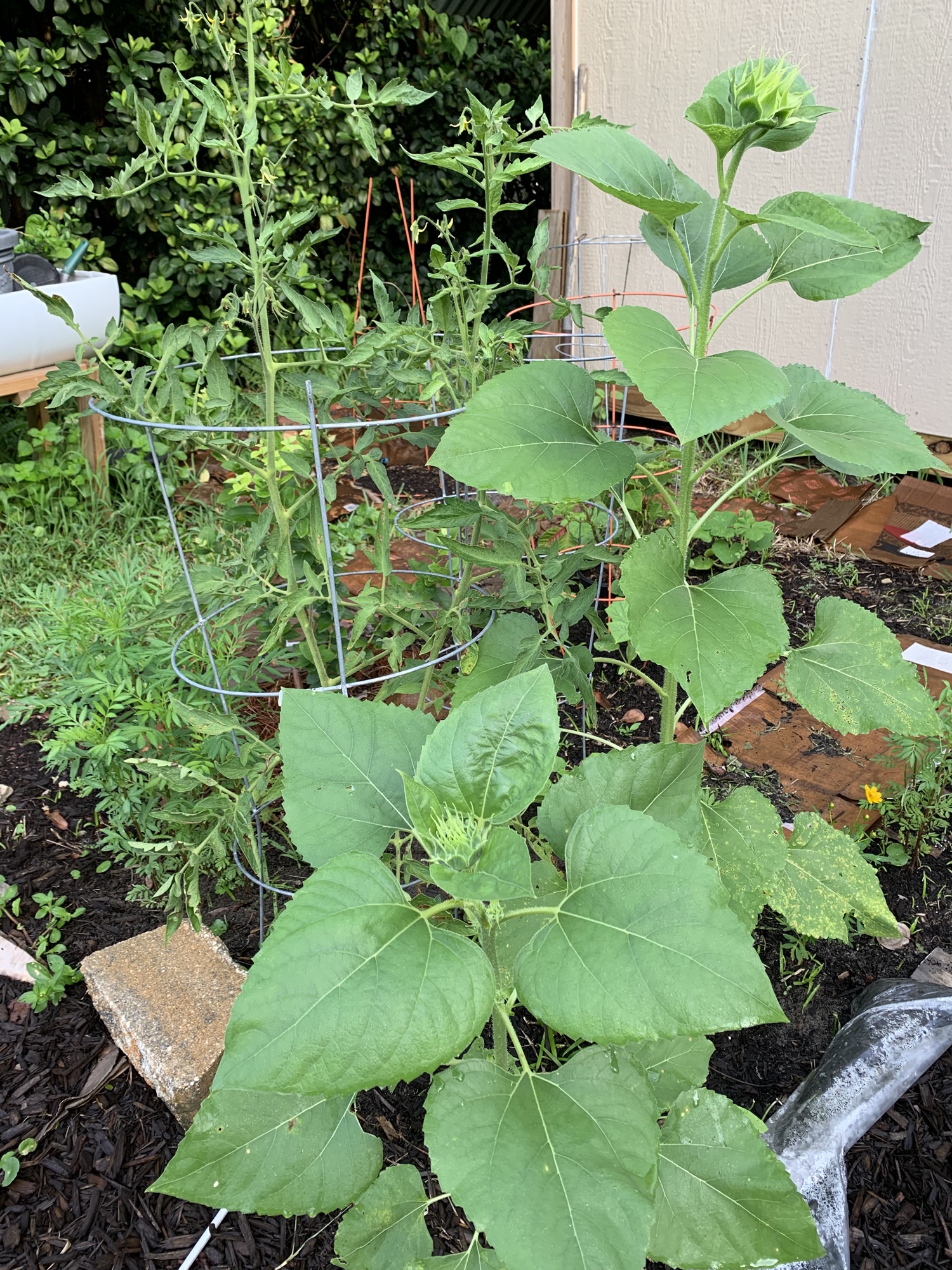
  • volunteer sunflowers

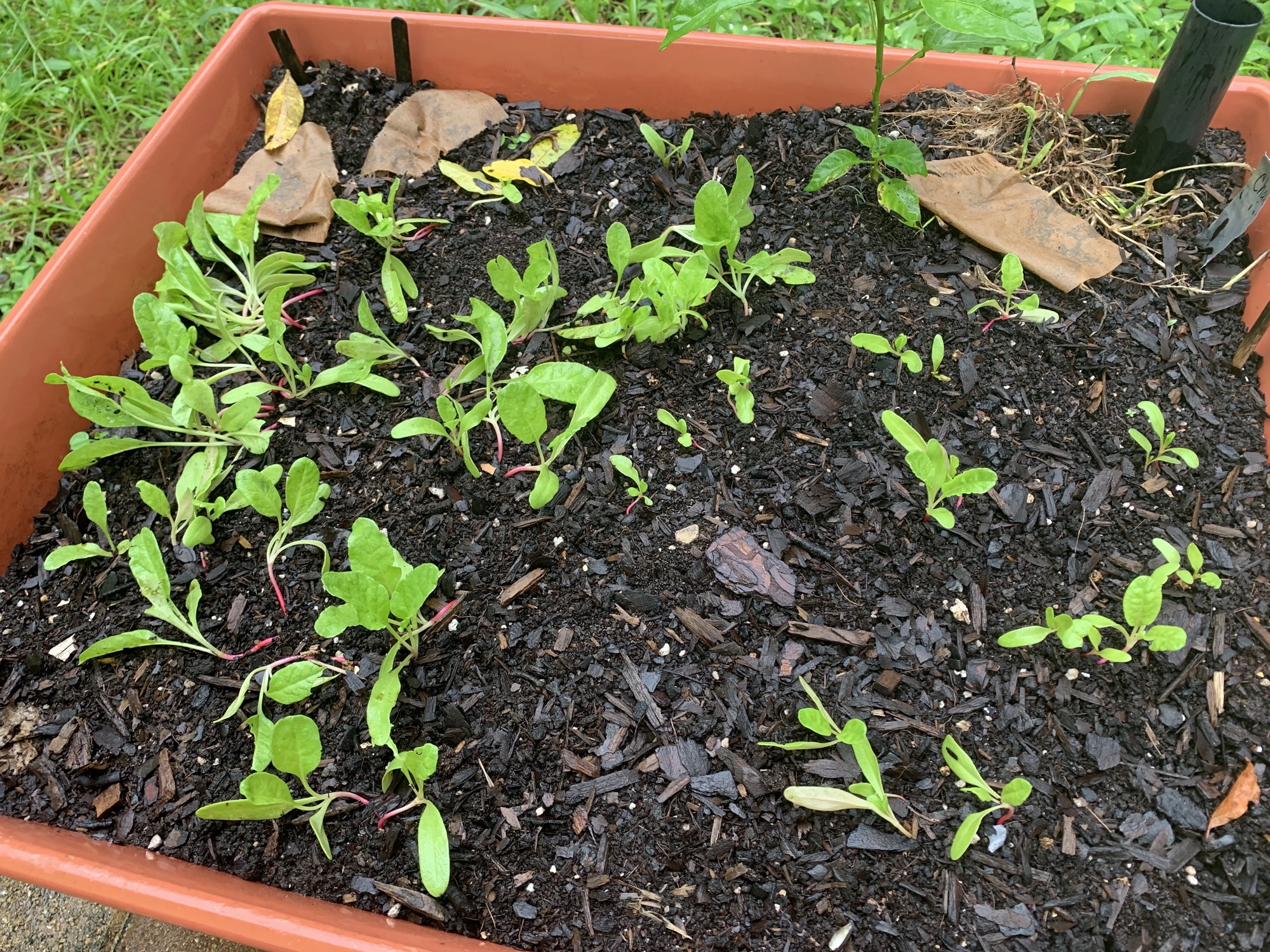
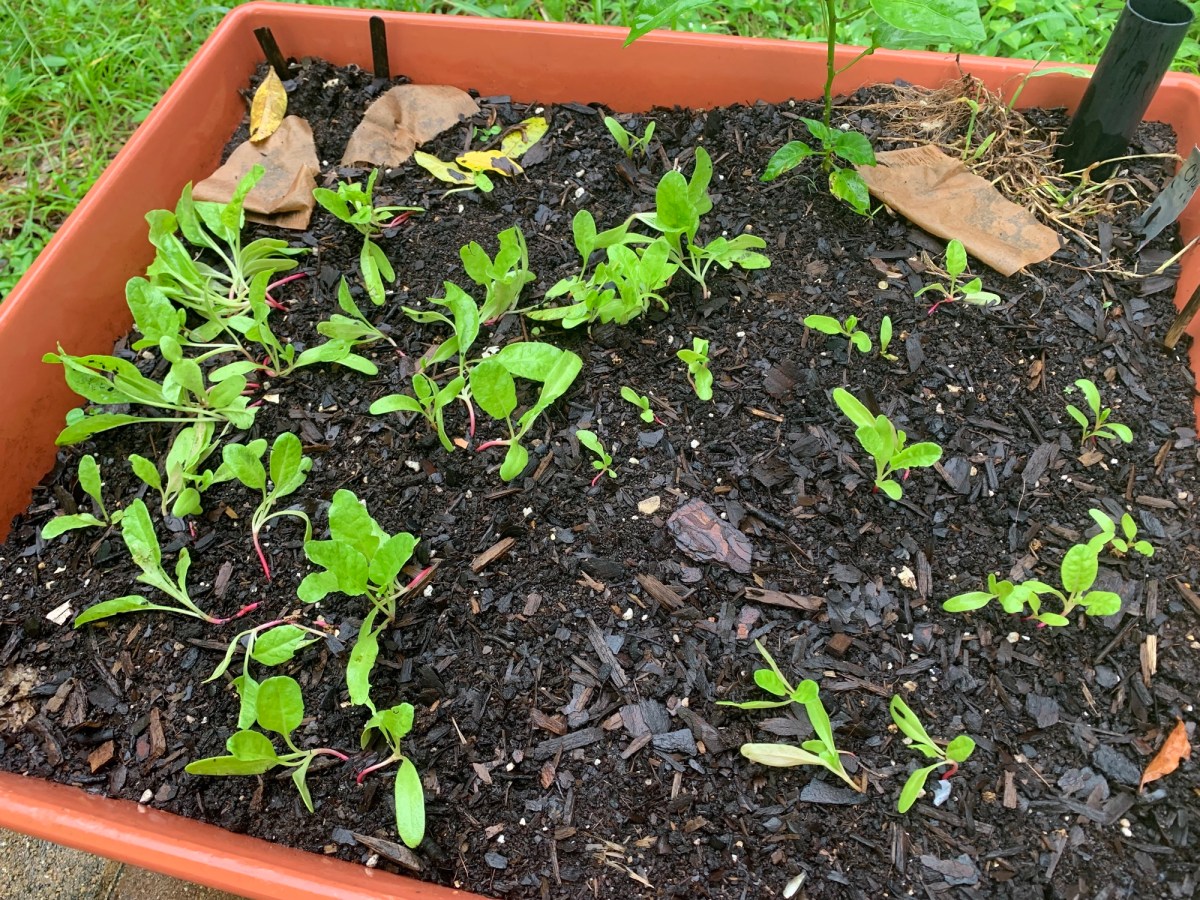
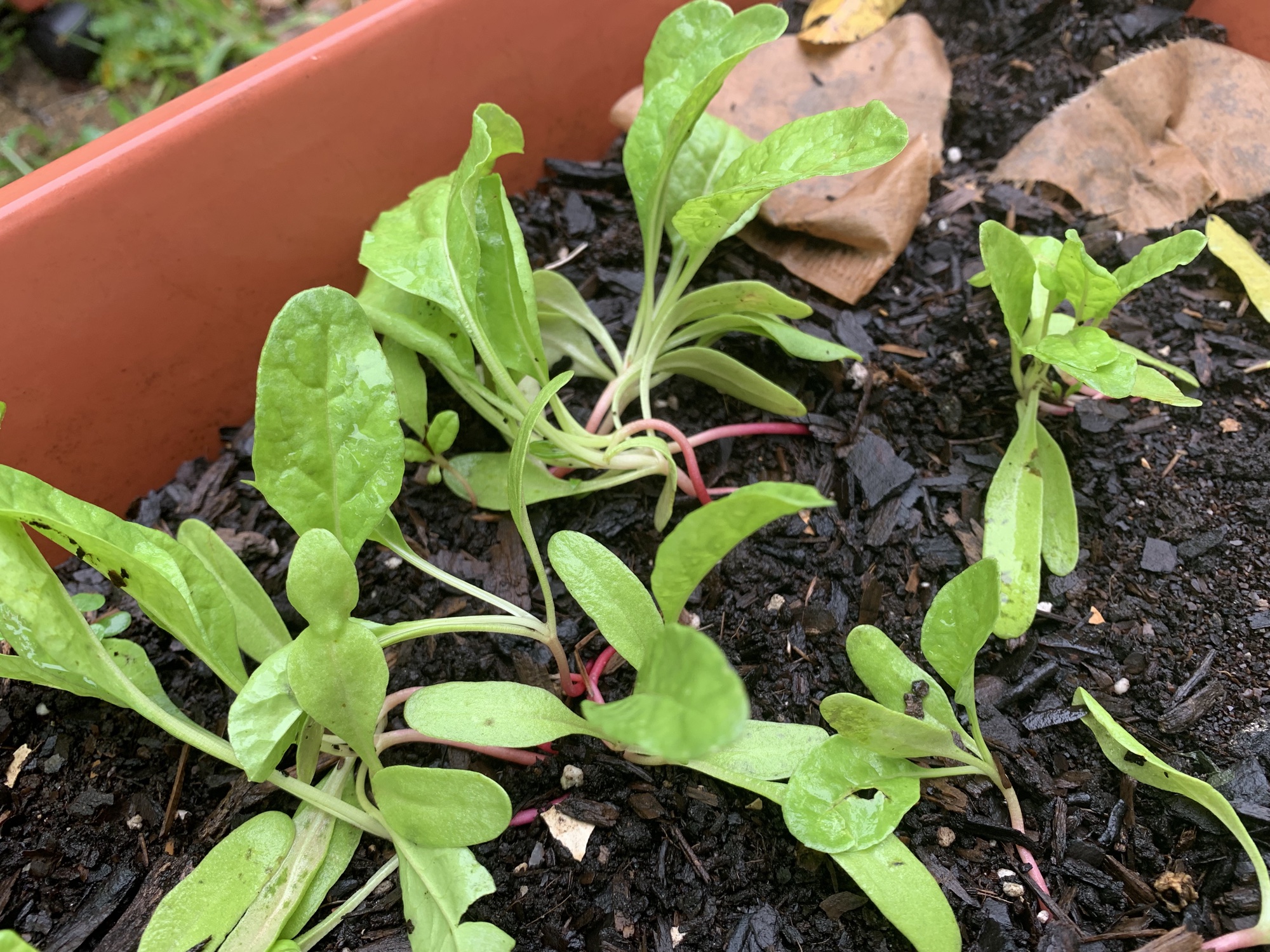
I planted Swiss Chard twice, in two different varieties and they fall over and don’t grow.
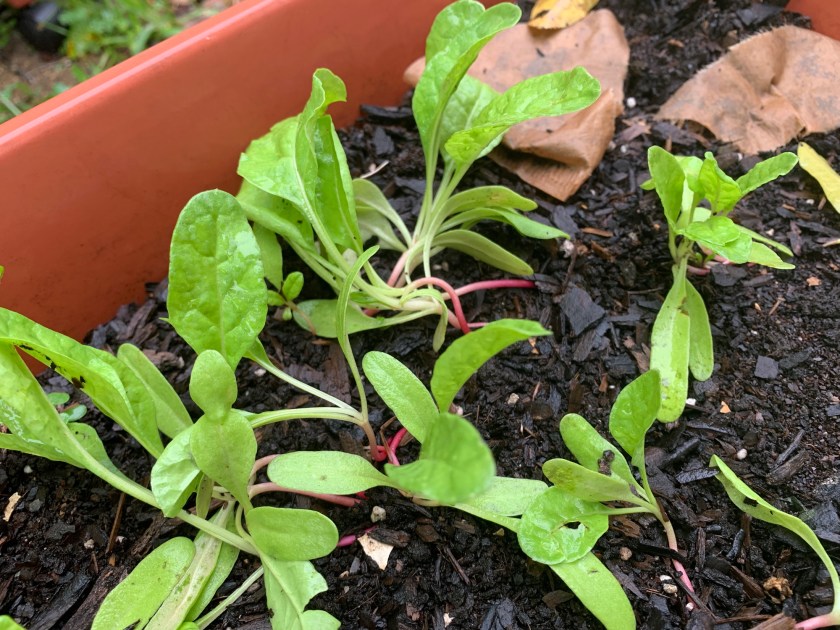
swiss chard

Happy Gardening!
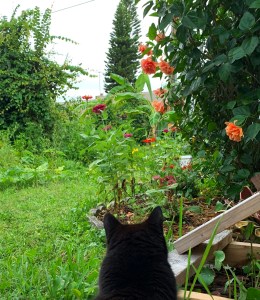
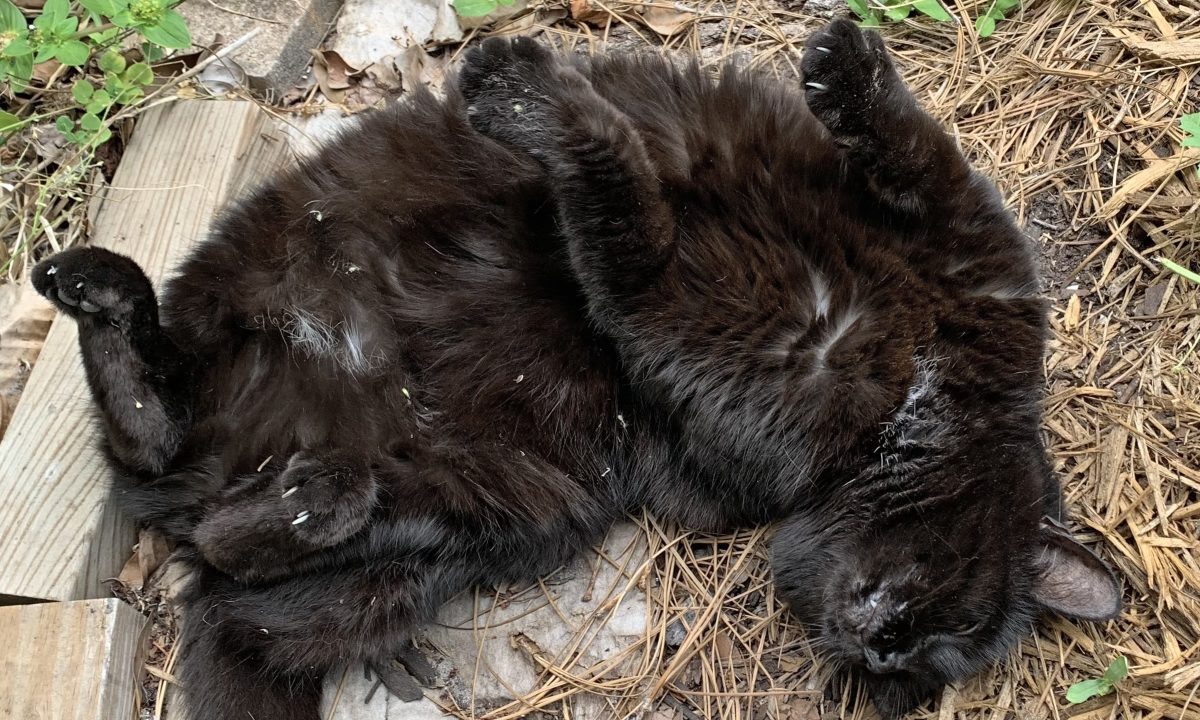
black cat garden yard

More from the blog:

Quick and Easy Summer Garden Recipes

Many of my northern friends are getting ready to plant seeds indoors in time for June gardening. These simple little recipes helped me use up an overload of zucchini, cucumbers, tomatoes, and other lovely home-grown vegetables.

As I was looking through my little notebook about gardening, I came across a page of simple recipes I’d made in the past. Specifically, the food was meant to use vegetables I was growing in my New England garden.

In New Hampshire I tended to have lots of squash, zucchini and cucumbers. Late in the season I’d have wonderful tomatoes, if the blight didn’t get them.

A lot of these veggies I can’t seem to grow here in Florida, but I wanted to write out the recipes to save. You don’t really need a recipe, just the ideas to work from depending on what you are picking in the backyard. It all depends on where you live and what you are growing.

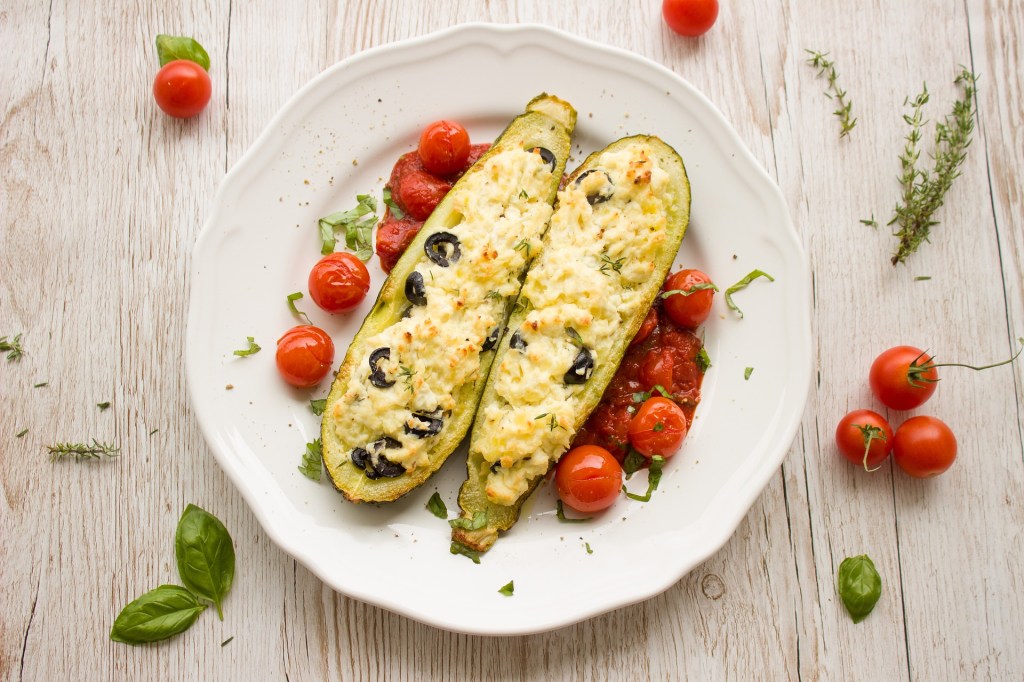
Stuffed Zucchini (Boats)

Slice zucchini lengthwise in half and scoop out the middle. Chop this and fry with onion and garlic – also ground beef / turkey – if you want. Mix in chopped tomatoes, or tomato sauce and parsley. Put mix into hollowed out zucchini, sprinkle with cheese and bake for 40-50 minutes. (350)

Photo credit: Pixabay

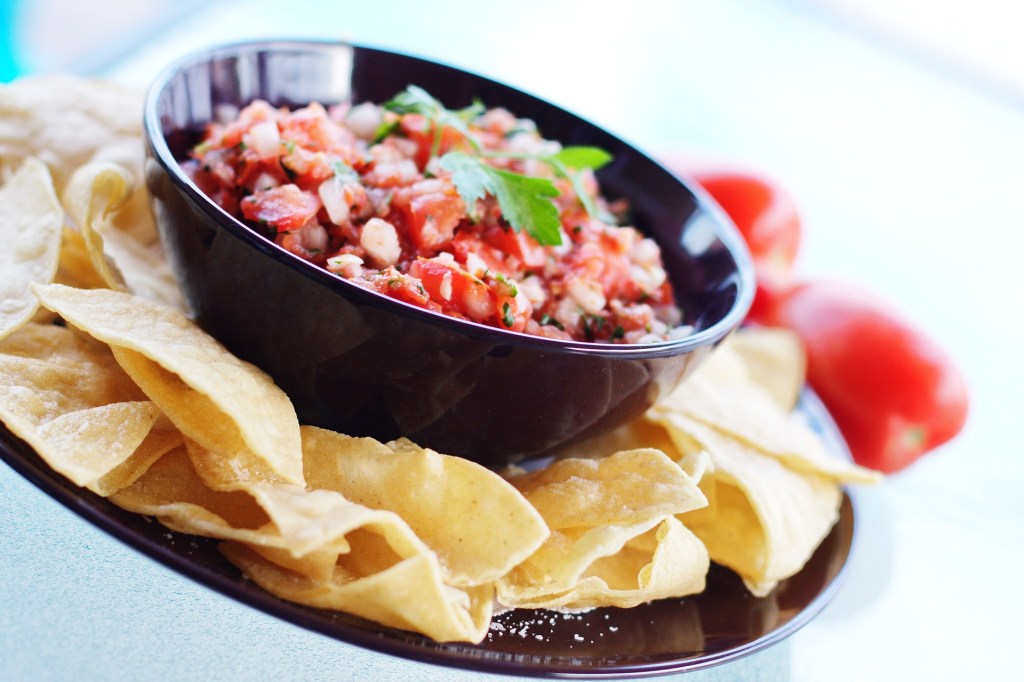
Tomato Salsa

Cherry tomatoes or big tomatoes, chopped. Also chop parsley, chives, onions, garlic. Cucumbers and / or zucchini can be added. (Hot peppers, bell peppers, also work).

I used to eat this along with some plain, whole milk yogurt as a type of dip with chips. I could not grow peppers in the north, as they like warmth, but here in the south, they grow very well. Tomatoes like the heat also and I can easily grow cherry tomatoes.

Photo credit: Pixabay

Cucumber Salad

I wrote this recipe down after going out to eat at the Bantam Grill in Peterborough, NH. I don’t have their recipe, but the basics used were chopped cucumber, with thinly sliced radishes and onion. Mix with some sort of dressing (oil & vinegar) and crumbled goat / feta cheese. It seems that many other good things would go with this, but I was always looking for a way to eat all those radishes I grew. Their version was served with salmon. If you are ever in the area, eat at the Bantam Grill… the food is wonderful and they use local ingredients whenever possible.

Here in Florida, I can’t seem to grow cucumbers.

Easy Pickles (Sweet)

If you end up with tons of cucumbers, try this easy pickle recipe that does not require canning.

7 cups of thinly sliced cucumber, 1 cup of onion and 1 cup of bell pepper – also thinly sliced. A mandolin slicer (Borner mandolin is what I have – this is an affiliate link to Amazon.) is the easiest way to get this done. Mix one cup of sugar and 1 cup of cider vinegar together and then mix in the vegetables. Add some celery seed and put into large mason jars. Store in the fridge (and maybe share with the neighbors). These pickles last for a few months, but eating them fresh is best.

More like this:

Photo credit: Pixabay

Thank you for reading

My First Moringa Tree Drumstick Bean

Two Moringa trees are growing in my backyard. I’m in Central Florida and the trees grow great all summer, but slow down the remainder of the year. Hurricanes, or strong wind, will knock these trees over. I had to cut mine last year because it fell over the garden. New stalks have grown and I…

Simple Bread and Butter Pickles Made From Garden Cucumbers

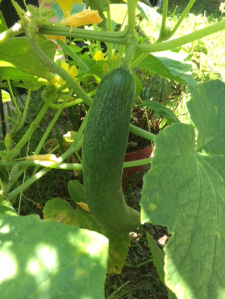
Cucumber on the vine

Now that the cucumbers are growing in my Florida garden, I was reminded of a simple bread and butter pickles recipe I found a few years ago. No canning was involved. Fortunately I was able to find my printed copy.  (Recipe Link Below)

I don’t do canning, but I love bread and butter pickles made with fresh from the garden cucumbers. These pickles are stored in mason jars (or any jar) but there is no boiling required. Slice and mix the six ingredients (and add some of your own) and store in the fridge.

Include sliced onion and green pepper for flavor. Garlic cloves and hot pepper slices may work as well. Other herbs could be added to change the flavor, like fennel and dill.

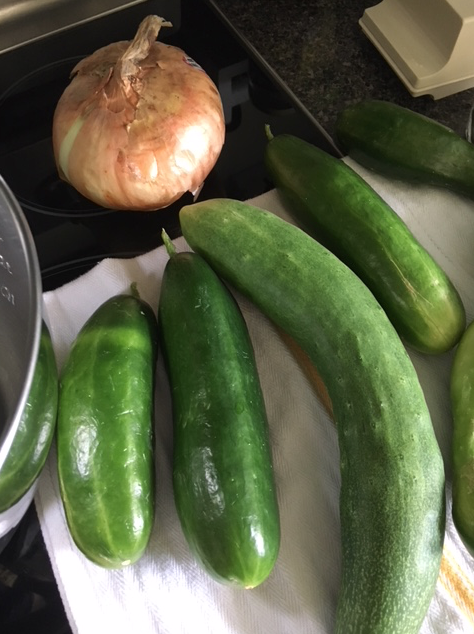
And by the way, you don’t need to use a specific type of cucumber.  I am growing two types, and I can’t remember what they are, but as you can see in my photo below, one type is very long!

The shorter, regular looking cukes taste better, but when making pickles it doesn’t matter.  There are many other ways to use fresh cucumbers from the garden.

Cucumbers and onion

The recipe calls for 7 cups of sliced cucumbers, so wait until you have a bunch to use up. Cukes don’t last long once they are picked, so plan to make pickles the day you pick the cucumbers.
A mandolin slicer makes all that slicing go fast.

Note:  One thing I changed in the recipe was the amount of sugar. The recipe calls for 2 cups, and I reduced that amount to 1 cup.  I also added a few slices of hot red pepper and fennel sprigs.

Spoon the mix into clean mason jars. Divide up the remaining liquid into the jars, cover and put in fridge for 5 days. Then begin eating!  They will be good for months.

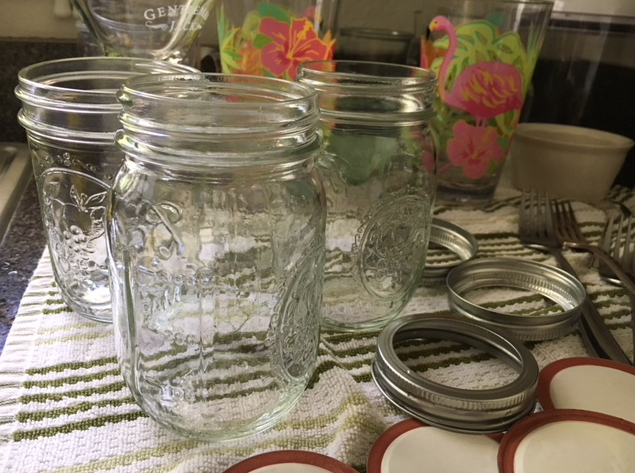
mason jars
Clean mason jars

The full recipe can be found here: Mamaw’s Refrigerator Bread and Butter Pickles.

Too Late To Garden?

A couple of daylilies (Hemerocallis) in spring...
Image via Wikipedia

It’s July already and I just moved out of my rental and into a new home! Yes, I am very excited. All the moving and unpacking has kept me away from the computer and more importantly, it’s kept me out of the yard. And this yard – my new yard – needs a lot of help. Not a flower is to be seen, and all the shrubs – ahh, small trees – are overgrown.

This house sat empty for about a year and apparently the previous owners weren’t very good at outdoor upkeep so I have my hands full.

Although I’d love to get to gardening, there is an issue with grading the land to get rainwater away from the house so I won’t do too much until that is taken care of.

It feels like I’ve spent this entire year buying a house. I started looking in March and then found this place in April, and just moved in July 11th. I’ve missed planting, weeding, picking flowers and all the summer fun of blueberry picking and mountain hiking. All my efforts have been towards home-ownership. It’s well worth it, but I have a feeling of not living among the world.

So, is it too late, when August is right around the corner, to think about gardening? No!!! In fact, I know that many plants need to be planted in Fall. It’s the second best time of year to plant (other than Spring).

Unfortunately, most of the great looking plants have been bought already, but the positive aspect would be finding bargains in the perennial section.  I was at Tenney Farms in Antrim the other day and picked up a couple of yellow (Stella d’oro) day-lilies, a white phlox, and red coneflower.  The hydrangeas have all been bought, of course, but I have other favorites and the Stella d’oro will bloom for such a long time.  I also love daylilies because they are easy to divide and one plant can become several over the years.

So it’s not too late to garden but planting hydrangeas might have to wait until next Spring.